0%

Table of Contents

Metal porous filter discs aren't just a component; they're a solution I’ve seen repeatedly solve problems on sites I’ve worked on for over a decade. From critical fluid control in hydraulic systems to ensuring clean air in demanding environments, these discs are the quiet workhorses of numerous industries. I've seen firsthand how a properly specified metal porous filter disc can prevent costly downtime, improve product quality, and even enhance safety. Understanding their properties and applications isn't just academic – it's vital for anyone involved in engineering, procurement, or operations.

The demand for efficient and reliable filtration is growing globally, driven by stricter environmental regulations and an increasing need for high-performance materials. According to a recent report by the ISO, industries are investing heavily in advanced filtration technologies to meet these challenges. This isn't a trend; it's a fundamental shift. We’re moving beyond simple strainers to engineered solutions that offer precise pore size control, consistent flow rates, and long-term durability. metal porous filter discs are at the forefront of this evolution.

Simply put, metal porous filter discs are metallic components manufactured with interconnected pores, creating a permeable barrier. They aren’t woven or knitted, but rather created through processes like sintering, etching, or electroforming. These discs act as filters, diffusers, silencers, or flame arrestors depending on the pore size, material, and application. They're a critical piece of the puzzle in various industries, from aerospace and automotive to chemical processing and medical device manufacturing, ensuring both performance and safety.
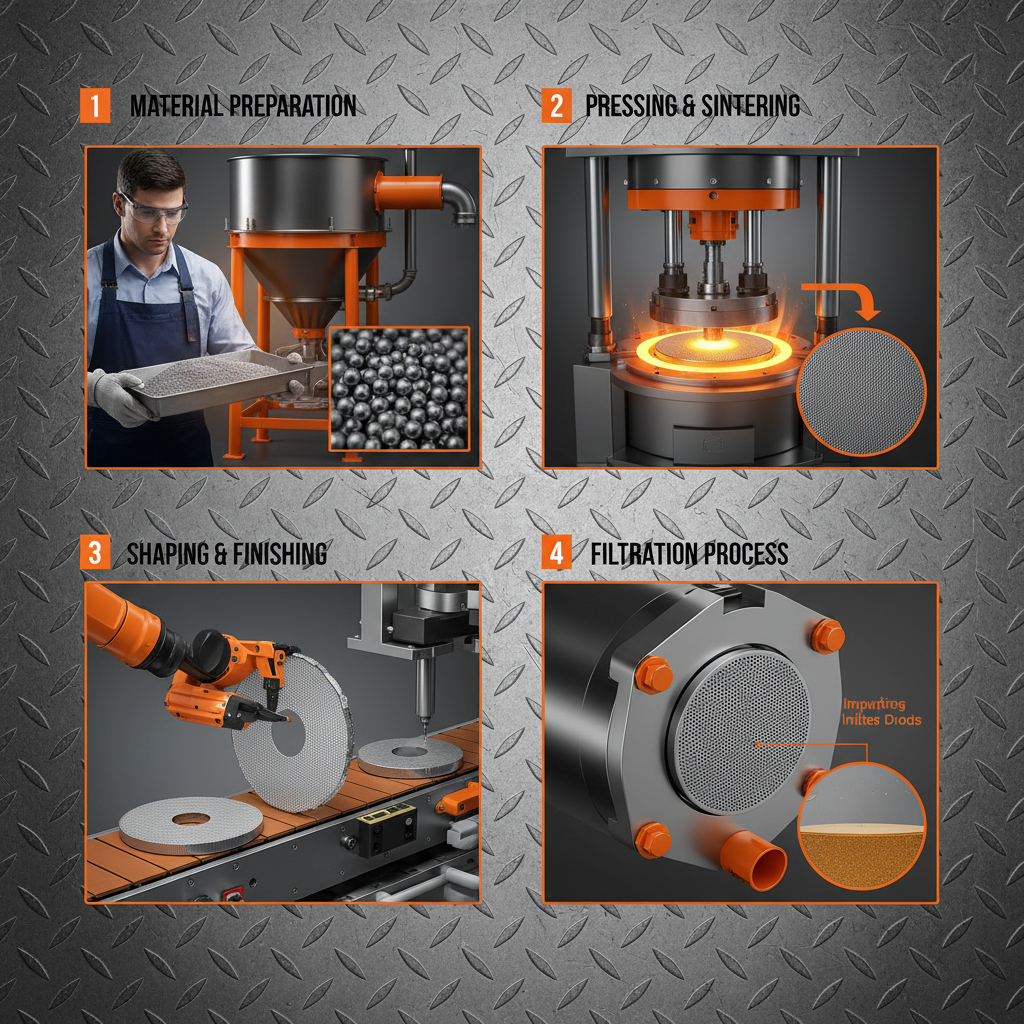
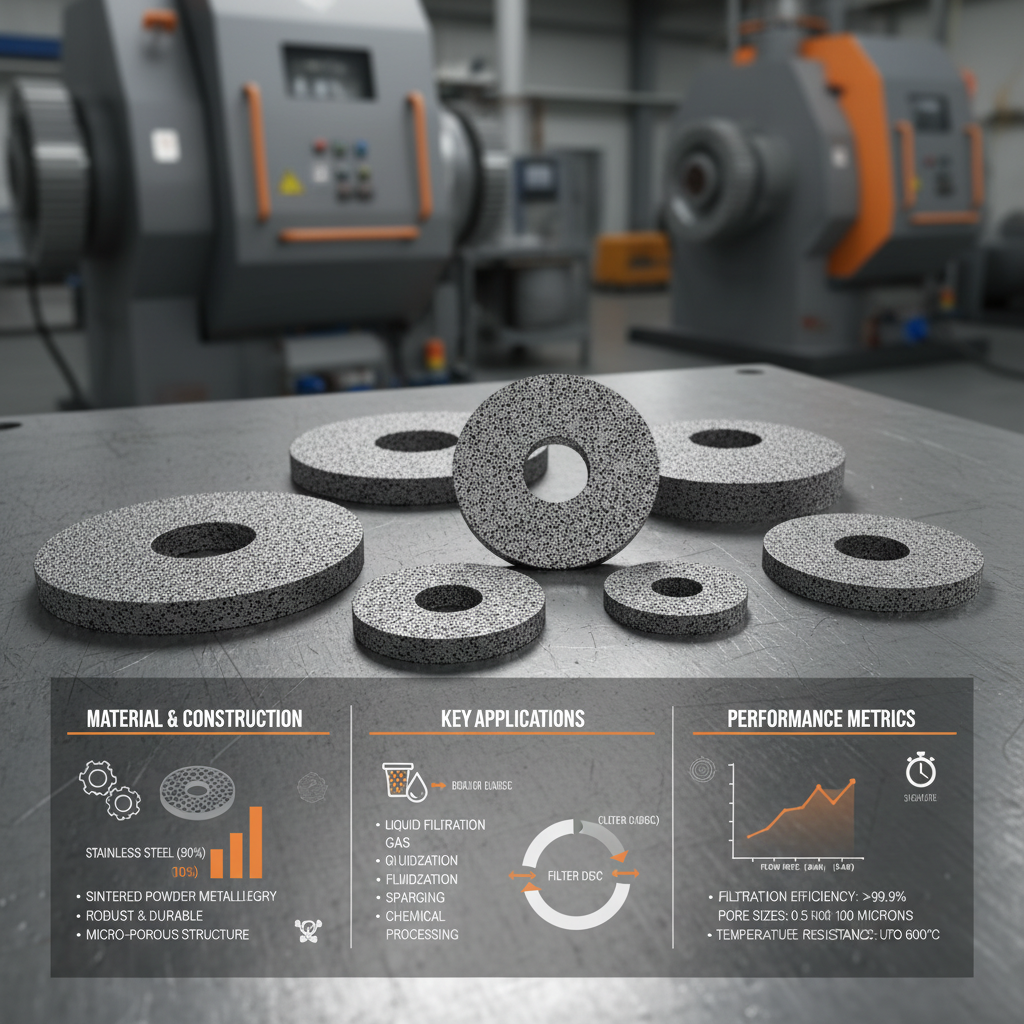
Exploring the Versatility and Benefits of Metal Porous Filter Discs

Key Factors: The Durability of metal porous filter discs

Exploring the Versatility and Benefits of Metal Porous Filter Discs

I’ve seen plastic filters fail under pressure and temperature swings. Metal, especially stainless steel or titanium, doesn’t have that problem. metal porous filter discs can withstand harsh environments, high pressures, and extreme temperatures without degrading. This durability translates to less frequent replacements, reduced maintenance costs, and greater system uptime. I've seen installations where these discs have been running flawlessly for over ten years, while their plastic counterparts needed replacing annually.

The manufacturing process itself contributes to this robustness. Sintering, for instance, creates a solid, interconnected structure that's far less prone to mechanical failure than bonded or woven materials. This is critical in applications like aerospace, where failure isn't an option. You're not just buying a filter; you're investing in long-term reliability and peace of mind.

The Core Components of metal porous filter discs

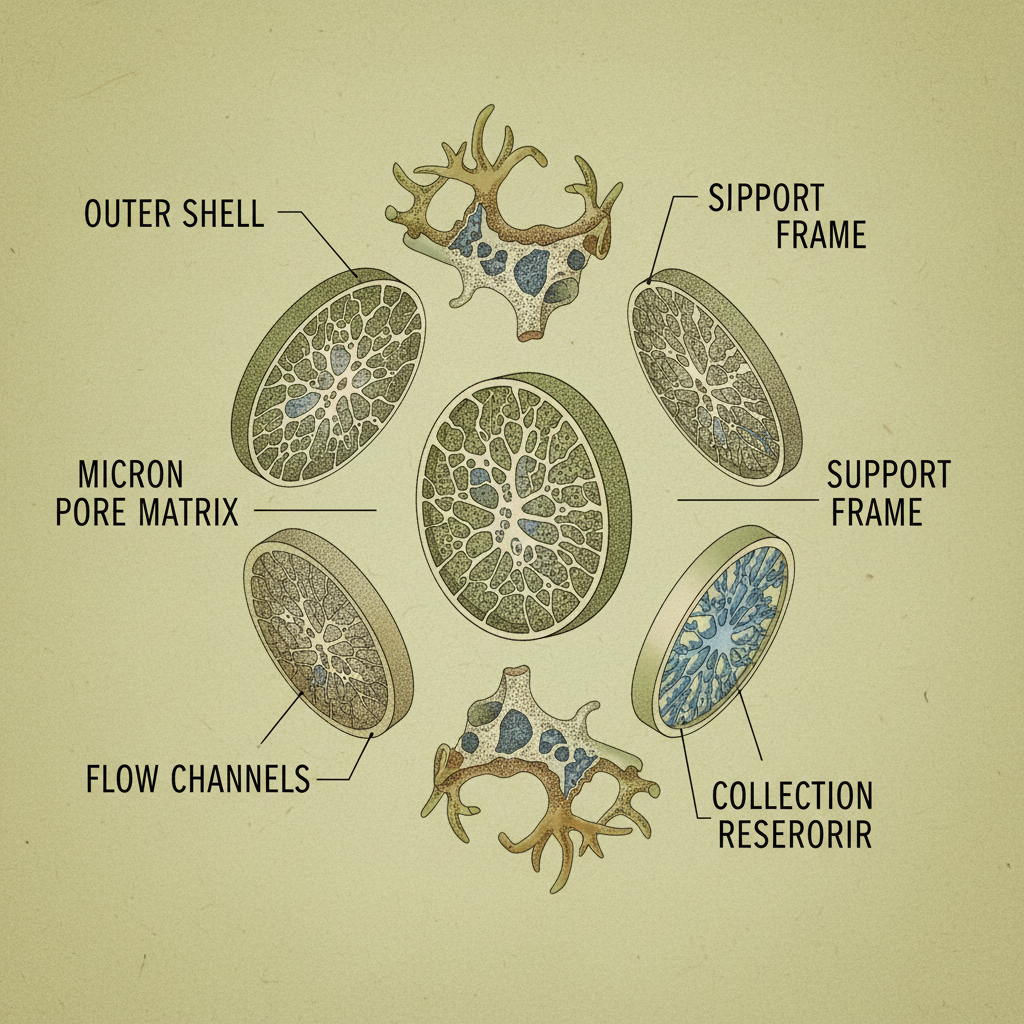
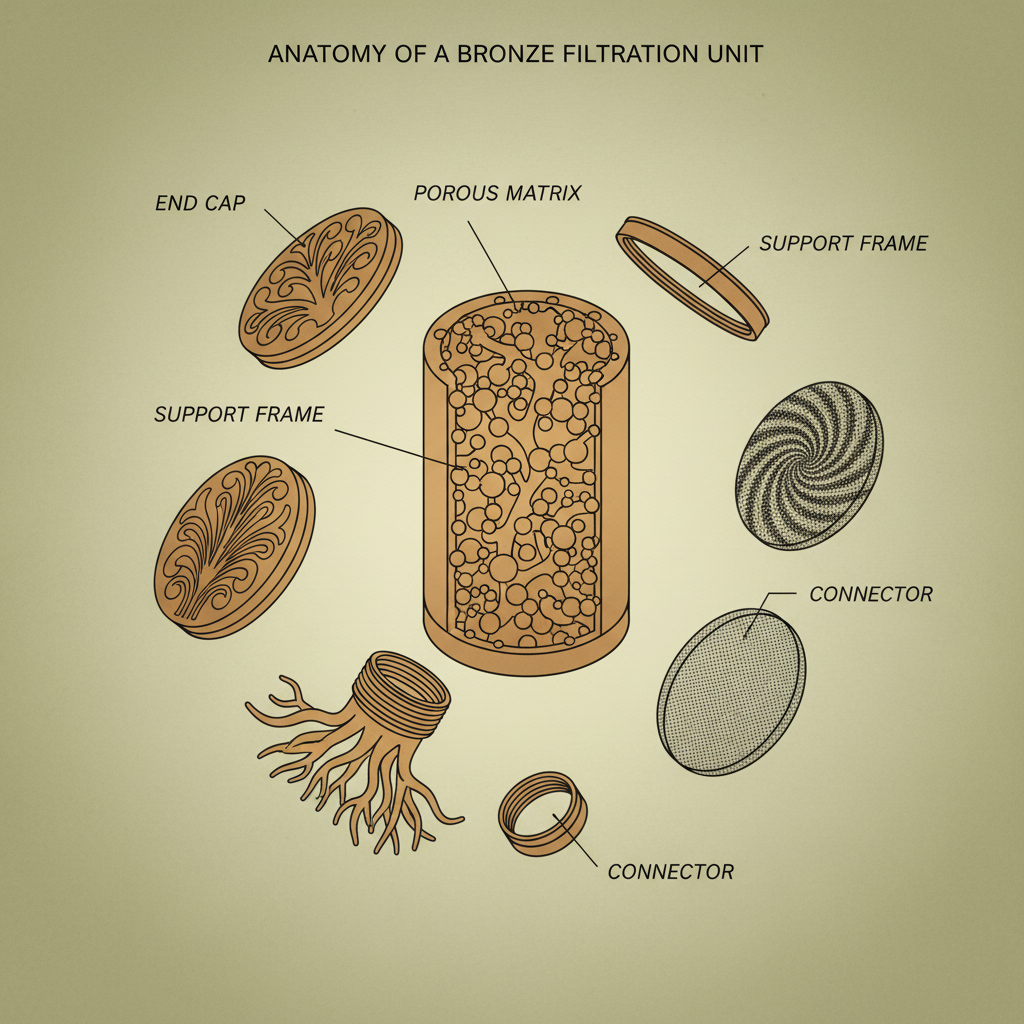
Let's break down what makes these things tick. First, the material. Stainless steel is the workhorse – cost-effective, corrosion-resistant, and readily available. Titanium is your go-to for extreme corrosion resistance and high-temperature applications, but it comes at a premium. Nickel alloys are used where specific chemical resistance is required. Then you have the pore size. Measured in microns, this determines the size of particles the disc can filter.

The pore size distribution is also key – you want consistency. A uniform pore size ensures predictable flow rates and filtration efficiency. And finally, the thickness of the disc affects its structural integrity and pressure drop. Choosing the right combination of these components is critical for optimal performance and is often determined through rigorous testing and analysis.

I've spent hours on site with engineers debating these parameters. It's not just about picking the cheapest option; it’s about matching the disc's properties to the specific demands of the application.

Scalability and Customization Options

One thing I appreciate about working with metal porous filter discs is the level of customization available. You're not limited to standard sizes or configurations. Need a specific shape? No problem. A unique pore size distribution? They can do that. The ability to tailor the disc to your exact needs is a game-changer, especially for specialized applications.

And scalability is a huge benefit. Whether you need a handful of discs for a prototype or thousands for a production run, manufacturers can handle it. This is crucial for projects that evolve over time, from initial testing to full-scale deployment. I’ve seen companies start small, validate their designs, and then rapidly scale up production without having to switch suppliers.

This flexibility reduces lead times and allows for faster product development cycles. I remember one project where we needed to iterate on the filter design multiple times. The manufacturer's willingness to work with us and quickly produce new prototypes saved us weeks of valuable time.

Cost Efficiency and Lifecycle Value

Upfront, metal porous filter discs can sometimes be more expensive than other filtration options. But you have to look at the total cost of ownership. The extended lifespan, reduced maintenance, and improved performance often outweigh the initial investment. I've seen projects where switching to metal porous filters actually saved money in the long run.

Think about downtime. A failed filter can shut down an entire production line, costing thousands of dollars per hour. A more durable, reliable disc minimizes the risk of failure and keeps things running smoothly. That's real cost savings.

Lifecycle Cost Comparison of metal porous filter discs


Global Applications Across Industries

I’ve seen these discs used in everything from oil and gas separation to medical respirators. In the chemical processing industry, they’re essential for catalyst support and preventing contamination. In aerospace, they're used in fuel filtration and hydraulic systems where reliability is paramount.

I worked on a project in a remote mining operation in Australia where dust control was a major challenge. Metal porous filter discs were integrated into the ventilation system to remove fine particulate matter, improving air quality and worker safety. This type of application is becoming increasingly common as companies prioritize environmental responsibility and employee well-being.

Advantages and Long-Term Reliability

Let's talk about the bottom line: these discs just work. They're reliable, consistent, and offer a significant advantage over traditional filtration methods. The precise pore size control ensures optimal filtration efficiency, while the robust construction minimizes the risk of failure.

They also offer excellent chemical compatibility, making them suitable for a wide range of applications. I've seen them handle corrosive fluids, high temperatures, and extreme pressures without any issues. That kind of reliability is invaluable on a construction site or in a critical industrial process.

Future Trends and Innovation

We’re seeing a lot of innovation in this space. Additive manufacturing, or 3D printing, is opening up new possibilities for creating complex geometries and customized pore structures. This allows for even greater control over filtration performance.

There's also a growing focus on sustainable materials and manufacturing processes. Companies are exploring the use of recycled metals and more environmentally friendly production techniques. And with the rise of the Internet of Things (IoT), we’re starting to see “smart” filters that can monitor their own performance and predict when they need to be replaced.

I expect to see even more advancements in the coming years, driven by the demand for more efficient, reliable, and sustainable filtration solutions.

Summary of Current Research and Development in metal porous filter discs

Research Area Material Focus Technological Approach Potential Impact
Pore Size Control Titanium Alloys Laser Sintering Improved Filtration Efficiency
Corrosion Resistance Nickel-Based Superalloys Electrochemical Etching Extended Lifespan in Harsh Environments
Flow Rate Optimization Stainless Steel 316L Powder Metallurgy Reduced Pressure Drop
Structural Integrity Cobalt-Chromium Alloys Hot Isostatic Pressing (HIP) Enhanced Mechanical Strength
Sustainable Production Recycled Metals Closed-Loop Manufacturing Reduced Environmental Impact
Smart Filtration Conductive Polymers Integrated Sensors Predictive Maintenance

FAQS

What is the typical lifespan of a metal porous filter disc in a hydraulic system?

The lifespan varies significantly based on fluid contamination levels, operating pressure, and the disc’s material. Generally, high-quality stainless steel discs can last 5-10 years in well-maintained systems. I’ve seen some last even longer, exceeding 15 years, but regular monitoring and replacement schedules are crucial for preventing unexpected failures and maintaining system efficiency. Regular checks for pressure drop and visual inspection can extend the lifespan.

How do I determine the appropriate pore size for my application?

Determining the right pore size requires a careful understanding of your fluid’s particle size distribution. You need to filter out particles larger than the pore size without restricting flow too much. Consult with a filtration specialist or the disc manufacturer. They can help analyze your fluid and recommend the optimal pore size for your specific needs. It’s always better to err on the side of a slightly larger pore size if you're unsure, to avoid excessive pressure drop.

Are metal porous filter discs compatible with all types of fluids?

Not all fluids are created equal. While metal porous filter discs generally offer excellent chemical compatibility, certain highly corrosive fluids can still cause degradation over time. It’s crucial to verify the material’s compatibility with your specific fluid before installation. Titanium and nickel alloys offer superior corrosion resistance for demanding applications. Always refer to the manufacturer's chemical resistance charts for guidance.

What are the cleaning procedures for metal porous filter discs?

Cleaning procedures depend on the type of contamination. For particulate matter, backflushing with a compatible solvent is often effective. For more stubborn contaminants, ultrasonic cleaning may be necessary. Avoid abrasive cleaning methods that could damage the pore structure. Some discs are designed to be cleaned in-situ, while others require removal and thorough cleaning. Always follow the manufacturer’s recommendations for cleaning procedures.

How do metal porous filter discs compare to traditional woven wire mesh filters?

Metal porous filter discs offer several advantages over woven wire mesh. They have a more defined and consistent pore size, resulting in more predictable filtration performance. They're also more durable and can withstand higher pressures and temperatures. Woven mesh can unravel and lose its shape over time, whereas porous metal discs maintain their structural integrity. While woven mesh can be cheaper upfront, the long-term cost of ownership is often higher due to more frequent replacements.

Can metal porous filter discs be customized for specific flow rate requirements?

Absolutely. Customization is a key benefit of metal porous filter discs. Manufacturers can adjust the disc’s thickness, pore size, and surface area to optimize flow rates for your application. Finite element analysis (FEA) and computational fluid dynamics (CFD) are often used to model and predict flow behavior. This ensures that the disc meets your exact flow rate requirements without sacrificing filtration efficiency.

Conclusion

In conclusion, metal porous filter discs are far more than just filters; they are engineered solutions that address critical challenges across a wide range of industries. Their durability, scalability, and customization options make them a valuable asset for anyone seeking reliable and efficient filtration. I’ve seen them save companies time, money, and headaches on countless projects.

Looking ahead, innovation in materials science and manufacturing techniques will continue to drive advancements in this field. Embracing these advancements and understanding the long-term value of these components is essential for staying competitive and ensuring the success of your operations. If you're facing a filtration challenge, consider a metal porous filter disc – it might just be the solution you've been looking for.

Arthur Penhaligon

Arthur Penhaligon

Arthur Penhaligon serves as the Lead Research Engineer within POROYAL’s Metal Sintered Porous Filters division. With over 15 years of experience in materials science, Arthur specializes in optimizing sintering processes for enhanced filter performance. He holds a PhD in Metallurgical Engineering and has been instrumental in developing several key patents
Previous The Crucial Role of Sintered Filter Elements in Modern Industrial Filtration
Next The Vital Role of Porous Filter Discs in Modern Industrial Applications

If you are interested in our products, you can choose to leave your information here, and we will be in touch with you shortly.


WhatsApp Online Chat !