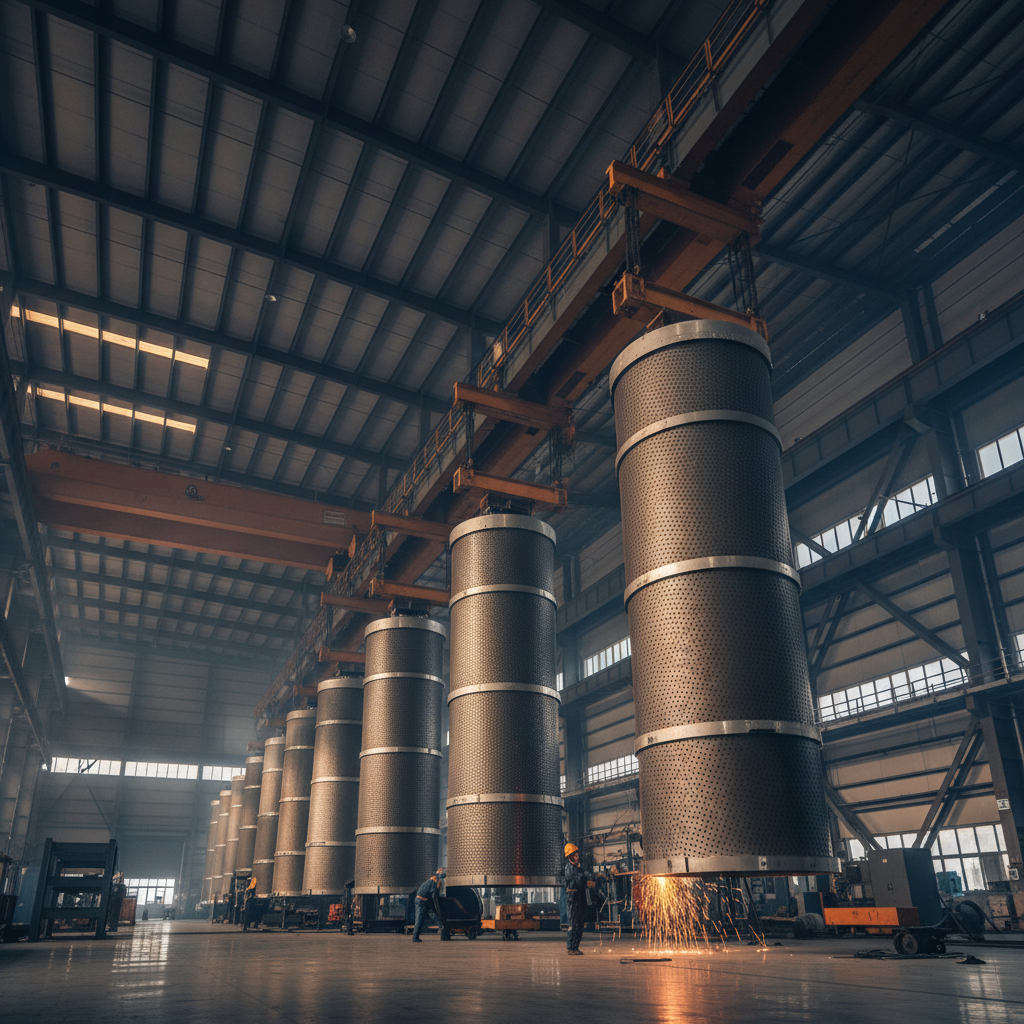
Look, I’ve been running around construction sites for fifteen years, smelling cement dust and arguing with foremen. And let me tell you, things are changing. Everyone's talking about prefabrication, modular builds, and getting everything done off-site. It’s not just hype, either. It’s because finding skilled labor is getting impossible, and time is money. But with all this new stuff, you still have to get the basics right. And that means filters. bronze porous filters, specifically. They’re… well, they’re surprisingly important.
To be honest, I’ve seen some seriously over-engineered filter systems. All these fancy materials, complicated designs… most of the time, a good, solid bronze porous filter will outperform them, and at a fraction of the cost. I’ve been on sites where they spent a fortune on some carbon-fiber thingamajig, only to have it clog up after a week. And then they're looking at me like I'm supposed to have a magic wand.
The biggest problem I see? People thinking they can just slap any filter in there. They forget about flow rate, pressure drop, particle size… it’s a whole science. And the materials? That's a whole other story.
The Current Landscape of Filtration Systems
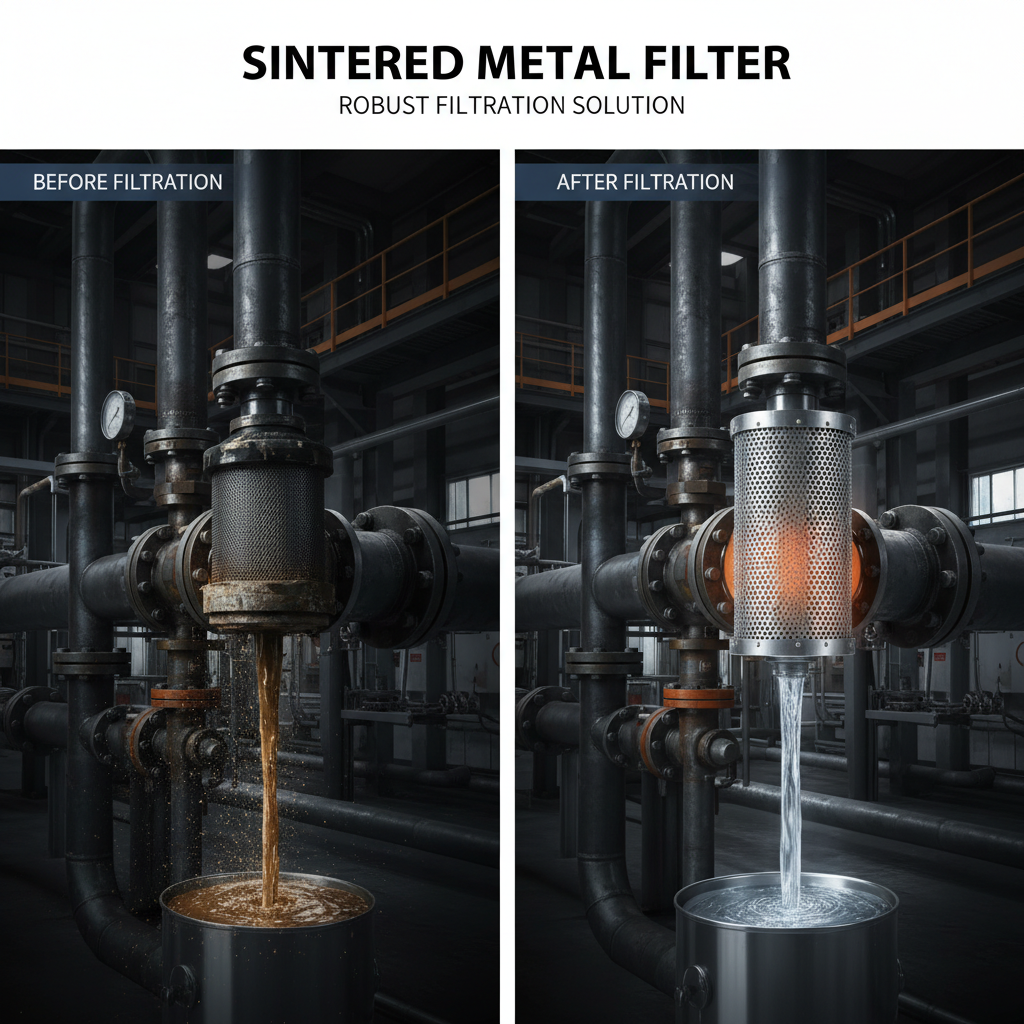
Have you noticed everyone's obsessed with efficiency these days? It's all about squeezing every last drop of performance out of everything. And in filtration, that means a move towards more complex systems. But strangely, the simpler stuff still holds up. Bronze porous filters offer a sweet spot – good filtration, reliable performance, and relatively low maintenance. We're seeing them more and more in industrial water treatment, especially in situations where space is limited.
It’s also about reducing downtime. Nobody wants to shut down a production line because a filter clogged. That's where robust designs – like those using bronze – come in. They can handle a lot of abuse before they need replacing.
Common Pitfalls in Filter Design
I encountered this at a chemical plant in Jiangsu province last time. They’d gone with a super-fine mesh filter, thinking it would catch everything. Turns out, it clogged up with sediment in about two hours and almost caused a shutdown. The problem? They hadn't accounted for the pre-filtration. Always, always consider what's going into the filter. That’s rule number one.
Another common mistake is underestimating the pressure drop. A filter that looks great on paper can completely kill your system's flow if it’s too restrictive. And don’t even get me started on cheap materials. I’ve seen filters made from stuff that corrodes in a week. Seriously, it’s not worth saving a few bucks on something that could cause a major headache.
People also forget about cleaning. Some filters are designed to be backwashed, others need to be replaced. You need to factor that into your maintenance schedule.
Materials and Handling: A Practical View
Bronze… it just feels solid, doesn’t it? It’s got a weight to it. And it smells… well, metallic, obviously. But it’s a reassuring smell. It means quality. I like to give a little tap to the filters when they arrive to make sure they're not cracked or damaged during shipping. It’s a habit, I guess.
Now, with stainless steel filters, they’re fine, but they can be a bit… slick. Hard to get a good grip on them with gloves. Bronze has a bit of texture, which helps. And it’s surprisingly resistant to corrosion. I’ve seen bronze filters that have been sitting in saltwater for years and still look good. But you still need to store them properly. Keep them dry, and don't let them get banged around.
The porosity is key, too. You can feel the difference between a coarse filter and a fine one. The finer the pores, the smoother the surface. And believe me, when you're dealing with hundreds of these things, you start to develop a feel for it.
Real-World Testing and Performance
Forget the lab tests. Those are fine for getting basic numbers, but the real test is on-site, under actual conditions. We usually test filters by hooking them up to a pump and running them with the actual fluid they'll be filtering. We measure the flow rate, the pressure drop, and the particle count. Simple stuff, really.
We also do a ‘shock test’ – basically, we overload the filter with a high concentration of particles to see how it handles it. It’s a brutal test, but it tells you a lot about the filter’s durability. And I always check for leaks. A leaky filter is a useless filter.
How Users Actually Utilize Filters
It’s funny, you design these things with a specific application in mind, but then users find all sorts of other ways to use them. I had a guy last year using bronze porous filters to strain honey! Said it gave him a cleaner product. I never would have thought of that.
What I’ve seen more often is people modifying the filters to fit their specific needs. Cutting them, welding them together, adding extra layers… They’re resourceful, I’ll give them that.
The Advantages (and Disadvantages) of Bronze Porous Filters
Okay, so bronze filters are tough. Really tough. They can handle high temperatures, high pressures, and corrosive fluids. That's a big plus. They're also relatively easy to clean, and they have a long lifespan. But they're not perfect. They're heavier than some other materials, and they can be more expensive upfront.
And let’s be honest, they’re not ideal for applications where you need extremely fine filtration. You can get bronze filters with very small pores, but they'll clog up quickly. But for most industrial applications, they hit the sweet spot.
Anyway, I think the biggest advantage is simply their reliability. You can trust a bronze filter to do its job, day in and day out.
Customization and Specific Applications
We did a project a few months back for a brewery in Germany. They needed a filter to remove yeast from their beer, but they wanted a very specific pore size to preserve the beer's flavor. We ended up creating a custom bronze filter with a multi-layered structure. It wasn't cheap, but it did the trick.
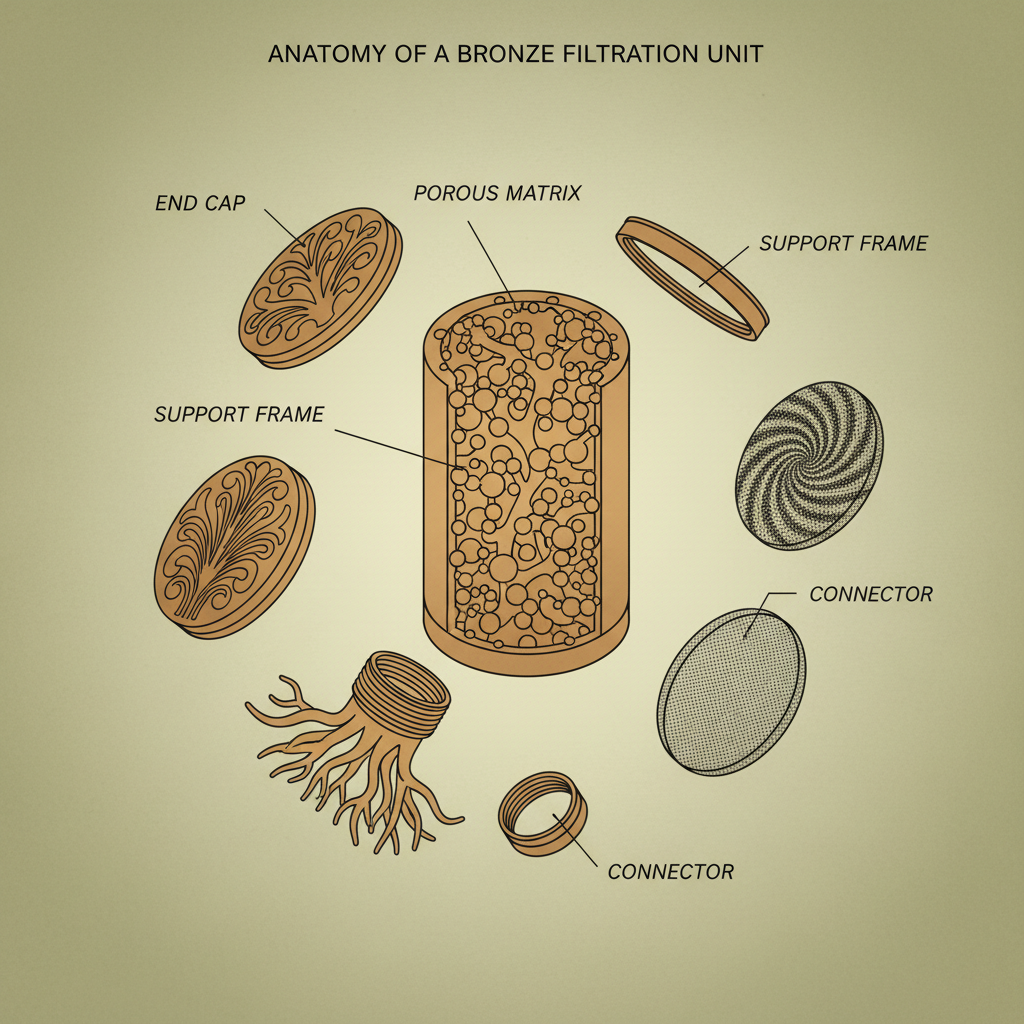
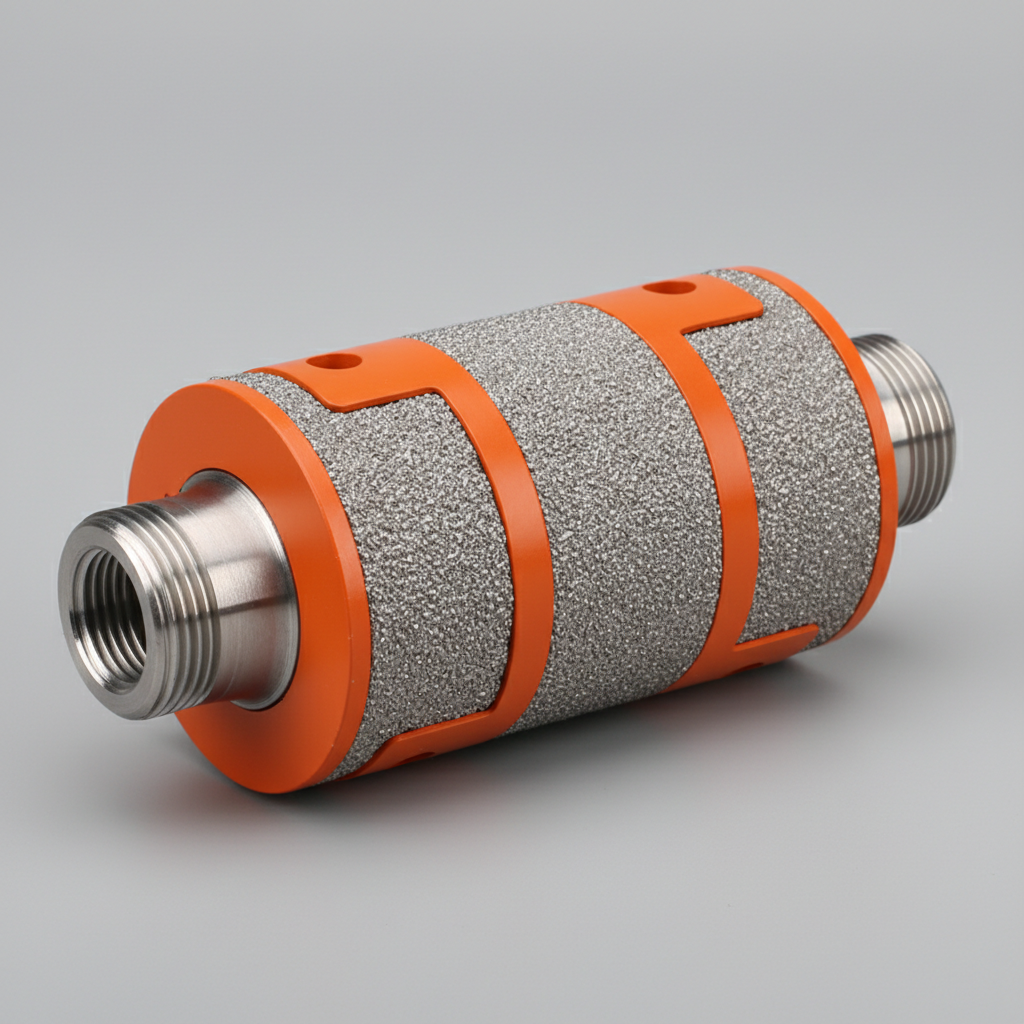
You can also customize the shape and size of the filter to fit specific equipment. We've done everything from tiny filters for medical devices to huge filters for industrial wastewater treatment plants. The possibilities are pretty much endless.
And don't forget about coatings. You can coat bronze filters with different materials to enhance their corrosion resistance or to improve their filtration performance.
Summary of Bronze Porous Filter Customization Options
| Customization Parameter |
Typical Range/Options |
Impact on Performance |
Cost Implications |
| Pore Size |
10 microns - 100 microns |
Controls particle retention and flow rate |
Moderate (dependent on manufacturing complexity) |
| Filter Shape |
Cylindrical, Disc, Plate, Custom |
Optimizes fit within existing systems |
Low to High (depending on complexity) |
| Bronze Alloy Composition |
Various bronze alloys (e.g., C69430) |
Affects corrosion resistance and strength |
Moderate (material cost variations) |
| Surface Coating |
Nickel plating, Polymer coating, etc. |
Enhances corrosion resistance or anti-fouling properties |
Moderate to High (coating application costs) |
| Filter Layering |
Multiple layers with varying porosities |
Provides staged filtration and increased capacity |
High (increased manufacturing time) |
| Connector Type |
Threaded, Flanged, Quick Connect |
Ensures compatibility with existing plumbing |
Low (standard vs. custom connectors) |
FAQS
Honestly, it varies a lot. Depends on the fluid, the pressure, the amount of solids… but a well-maintained bronze filter can easily last 5-10 years, sometimes even longer. I’ve seen some still going strong after fifteen. But you gotta clean them regularly. If you neglect it, it’ll clog up fast. Think of it like your car engine – you gotta change the oil, right?
Absolutely. That’s one of their strengths. Bronze has a pretty high melting point, so it can handle temperatures that would melt other materials. We’ve used them in applications up to 500°F without any issues. Just make sure the seals and connections are also rated for high temperatures, or you’ll have a leak on your hands.
Depends on what's clogging it up. For general dirt and debris, you can usually just backwash it with clean water. For more stubborn buildup, you might need to use a mild detergent or a solvent. But be careful what you use – you don’t want to damage the bronze. And never use abrasive cleaners, those will ruin the surface.
Stainless steel is generally more corrosion-resistant, but bronze is tougher and more durable. Stainless steel can also be more expensive. Ultimately, it depends on the application. If you’re dealing with highly corrosive fluids, stainless steel is probably the better choice. But if you need a filter that can withstand a lot of abuse, bronze is the way to go. It's a trade off, really.
It depends on the specific chemical. Bronze is fairly resistant to a lot of chemicals, but some can cause corrosion. You need to check the compatibility chart before using a bronze filter with any corrosive substance. We always recommend doing a small-scale test first to make sure there are no adverse reactions.
Lead times vary depending on the complexity of the design and our current workload. But generally, you can expect a lead time of 4-8 weeks for a custom filter. If it’s a simple modification, we can usually turn it around faster. But if it’s a completely new design, it’ll take longer.
Conclusion
Look, at the end of the day, bronze porous filters are a workhorse. They’re not fancy, they’re not groundbreaking, but they get the job done. They’re reliable, durable, and relatively affordable. They’re a good choice for a wide range of industrial applications, and they’ll continue to be a mainstay in filtration systems for years to come.
Ultimately, whether this thing works or not, the worker will know the moment he tightens the screw. He'll feel it. He'll know if it's solid, if it's going to hold. And that's the most important thing. Check out www.chinaporousfilters.com for more information.