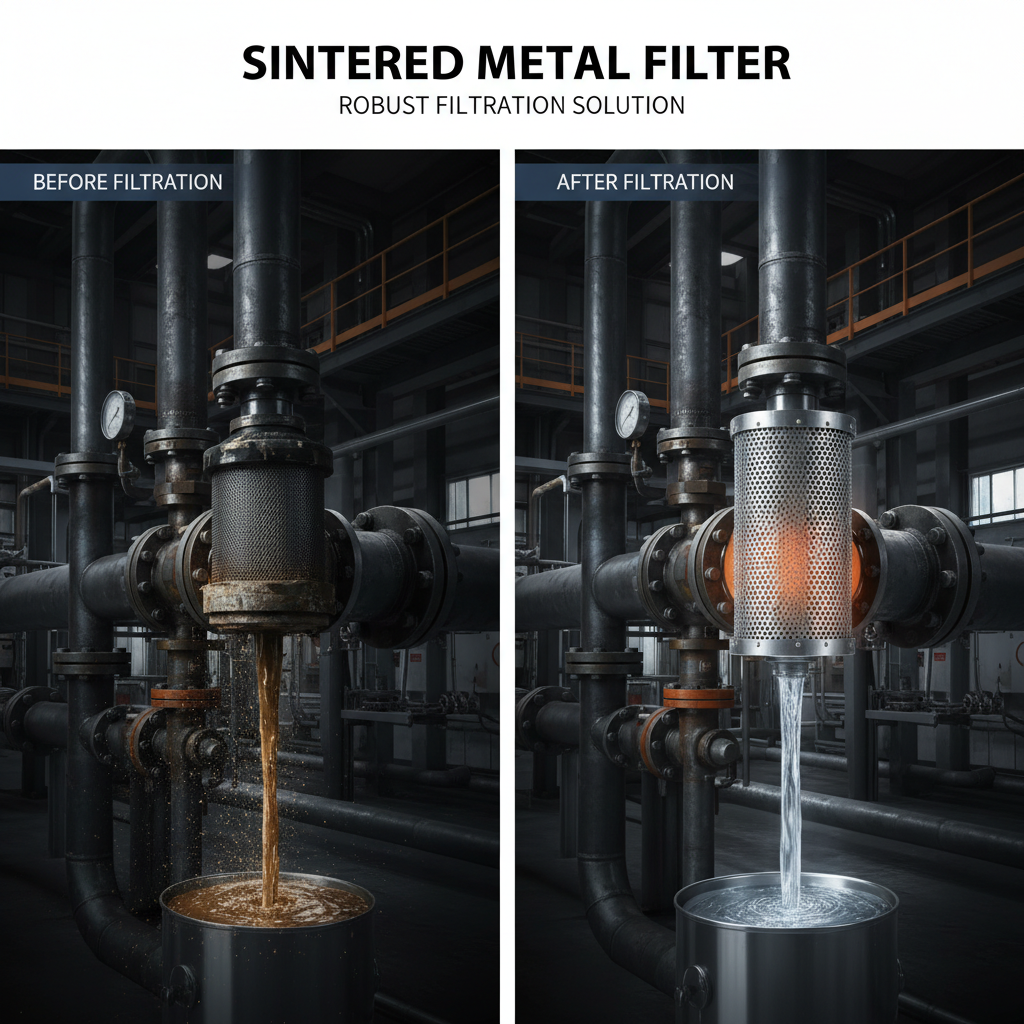
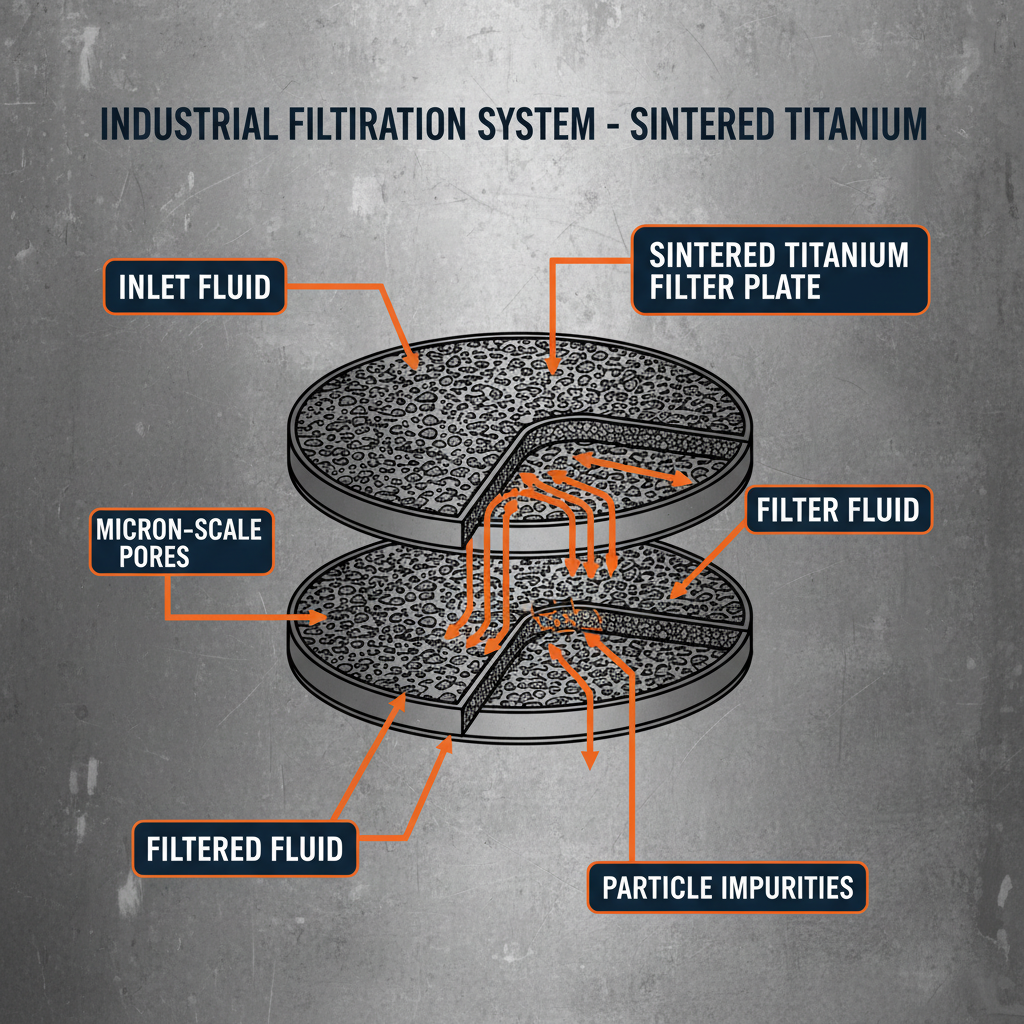
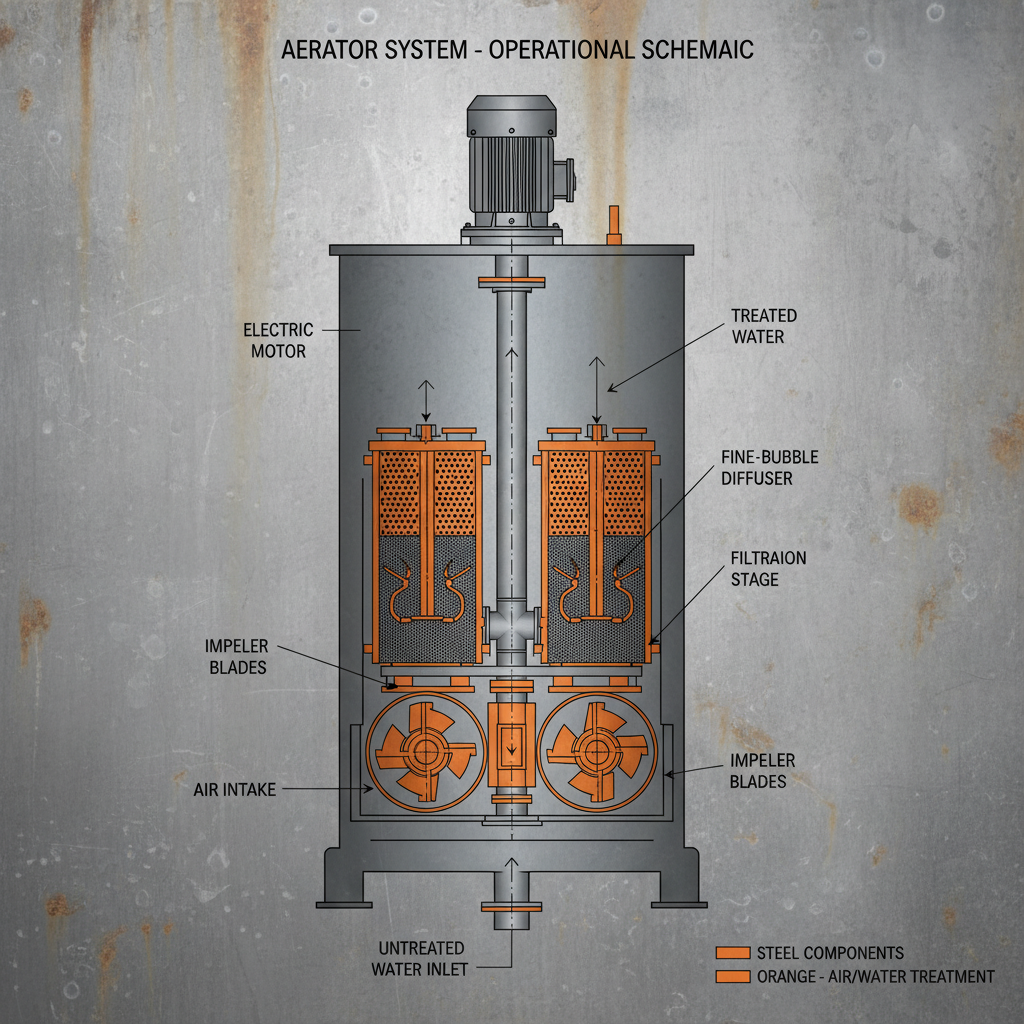
Sintered metal filters – you see ‘em everywhere on sites these days, and for good reason. We’re talking about rugged filtration for everything from hydraulic systems to dust collection, and even cutting-edge stuff like fuel cells. I’ve been wrenching on equipment for twenty years, and I've seen filters fail in the worst possible moments. These ain't your grandpa's filter media; they hold up. The key is the process - taking metal powders and fusing them together at high heat, without melting, creates a structure that's incredibly strong, consistent, and can handle some serious abuse. That's what separates it from paper or woven fabrics. sintered metal filter is becoming the standard, and I’m here to tell you why.
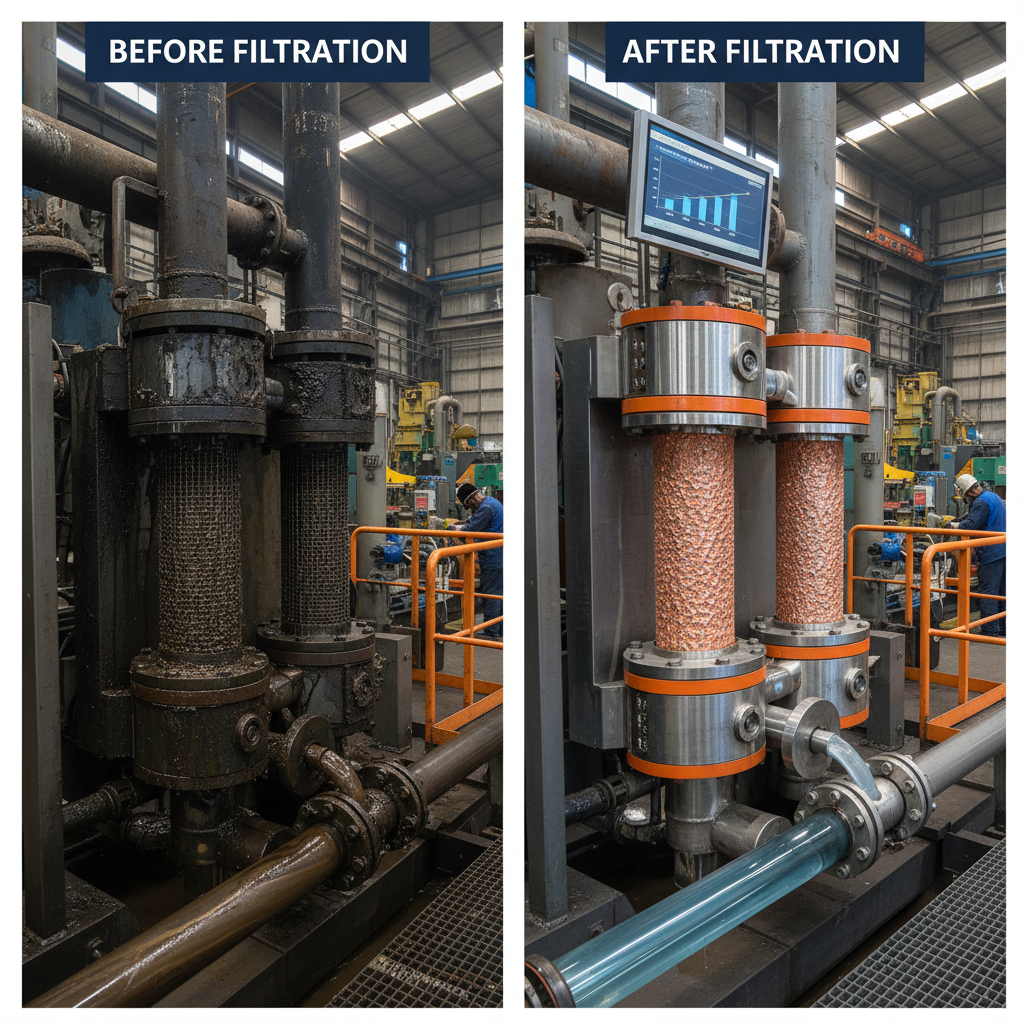
What I’ve noticed on job sites is the sheer reliability. Downtime costs money, plain and simple. A clogged or burst filter can shut down a whole operation. We used to be constantly swapping out filters, cleaning housings, dealing with messy replacements. Now, with sintered metal, we're seeing extended service lives, meaning less maintenance, and fewer headaches. It's not always the cheapest upfront, but calculating the total cost of ownership – factoring in labor, downtime, and replacement frequency – sintered metal consistently comes out ahead.
And it’s not just about replacing old tech. New machines, greener fuels, more demanding processes – they all require filtration that can keep up. Sintered metal filters are adaptable. They can be tailored to specific pore sizes and flow rates, so you can get exactly what you need for the job. It’s a far cry from trying to make a standard filter "sort of" work.
The Fundamentals of Sintered Metal Filter Technology
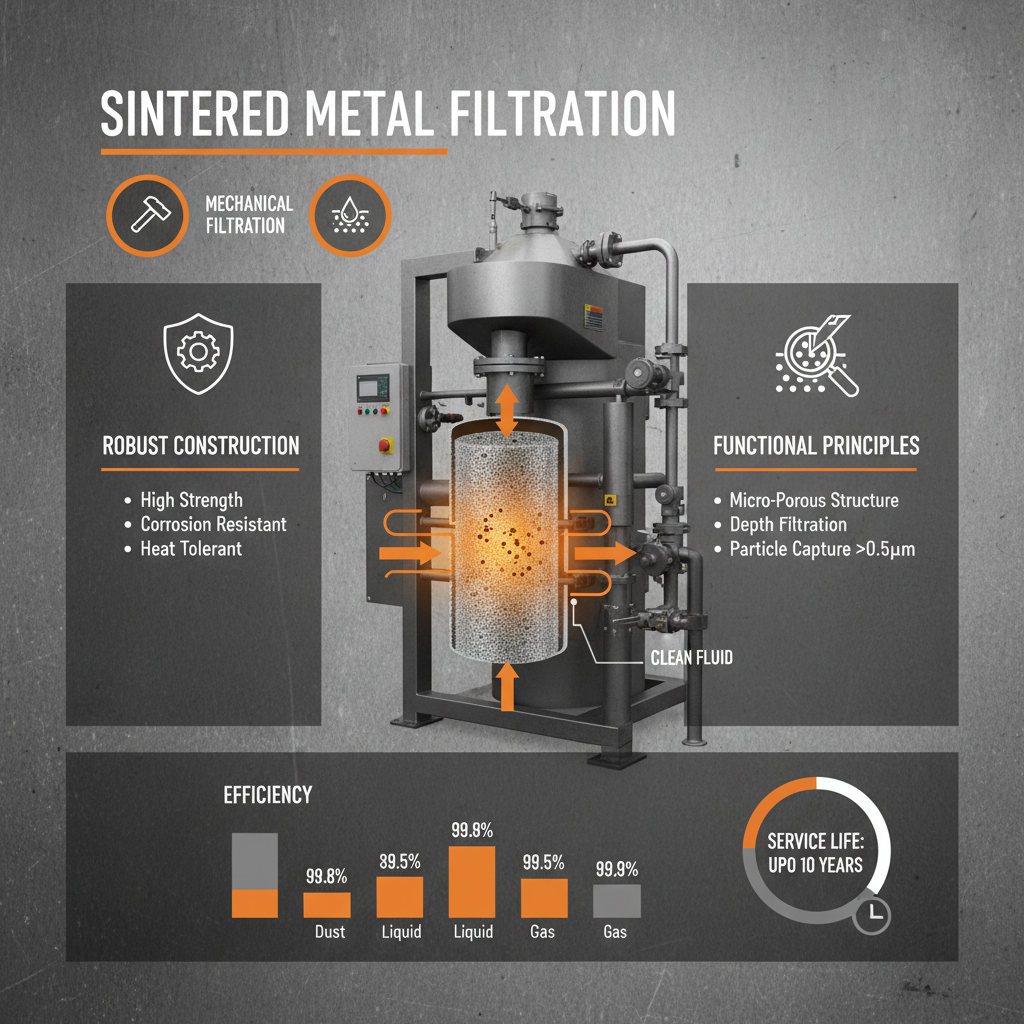
At its heart, a sintered metal filter is built for harsh conditions. We're talking about taking finely powdered metal – stainless steel is common, but you'll find titanium, nickel alloys, and others depending on the application – and compacting it into a desired shape. Then, it's heated to a high temperature, but below the melting point. This causes the particles to bond together, forming a solid, porous structure. It’s a surprisingly simple concept, but the resulting material is anything but.
What matters to me on the ground is the consistency. You don't get weak spots or uneven flow like you can with some other filtration methods. The pore size is controllable – down to fractions of a micron – meaning you can filter out incredibly small particles. And it’s durable. This isn’t something that’s going to fall apart after a few weeks of use; it’s built to last, which translates directly to fewer repairs and less downtime.
Global Relevance and Industry Challenges
You look at industries globally, and filtration is critical everywhere. Chemical processing, pharmaceuticals, food and beverage, aerospace – they all rely on clean fluids and gases. According to the UN Industrial Development Organization, the demand for advanced filtration technologies is rising rapidly, especially in emerging economies. That’s because as industries develop, they're facing increasingly stringent environmental regulations and a need for higher product quality.
One of the biggest challenges I see is finding filtration solutions that can handle increasingly aggressive fluids and temperatures. Newer fuels, more corrosive chemicals, and higher operating pressures are pushing traditional filters to their limits. That’s where sintered metal really shines. It’s able to withstand conditions that would destroy other types of filters.
Another challenge is sustainability. Companies are under pressure to reduce waste and minimize their environmental impact. Sintered metal filters, with their long service lives and potential for recycling, are a more sustainable option than disposable filters. Plus, they reduce the risk of catastrophic failures that can lead to spills and environmental contamination.
Defining Sintered Metal Filter: A Practical Overview
Essentially, a sintered metal filter is a porous material made from metal powders. This porosity is what allows it to trap particles and contaminants while allowing fluids or gases to pass through. The key difference between this and a mesh filter is that it's not woven. It's a solid, interconnected network of metal particles. This gives it a much higher dirt-holding capacity and a more uniform flow distribution.
It connects to modern industry in several ways. In manufacturing, it ensures product quality by removing contaminants from raw materials and process fluids. In environmental control, it's used to filter pollutants from air and water. And in more advanced applications, like hydrogen fuel cells, it plays a crucial role in separating and purifying gases. It's not just about filtering; it’s about enabling entire processes.
Think about it like this: You're building a skyscraper. You need a foundation that can withstand immense pressure and stress. A sintered metal filter is that foundation for your filtration system. It provides the strength, stability, and reliability you need to keep things running smoothly.
Core Advantages of Sintered Metal Filters
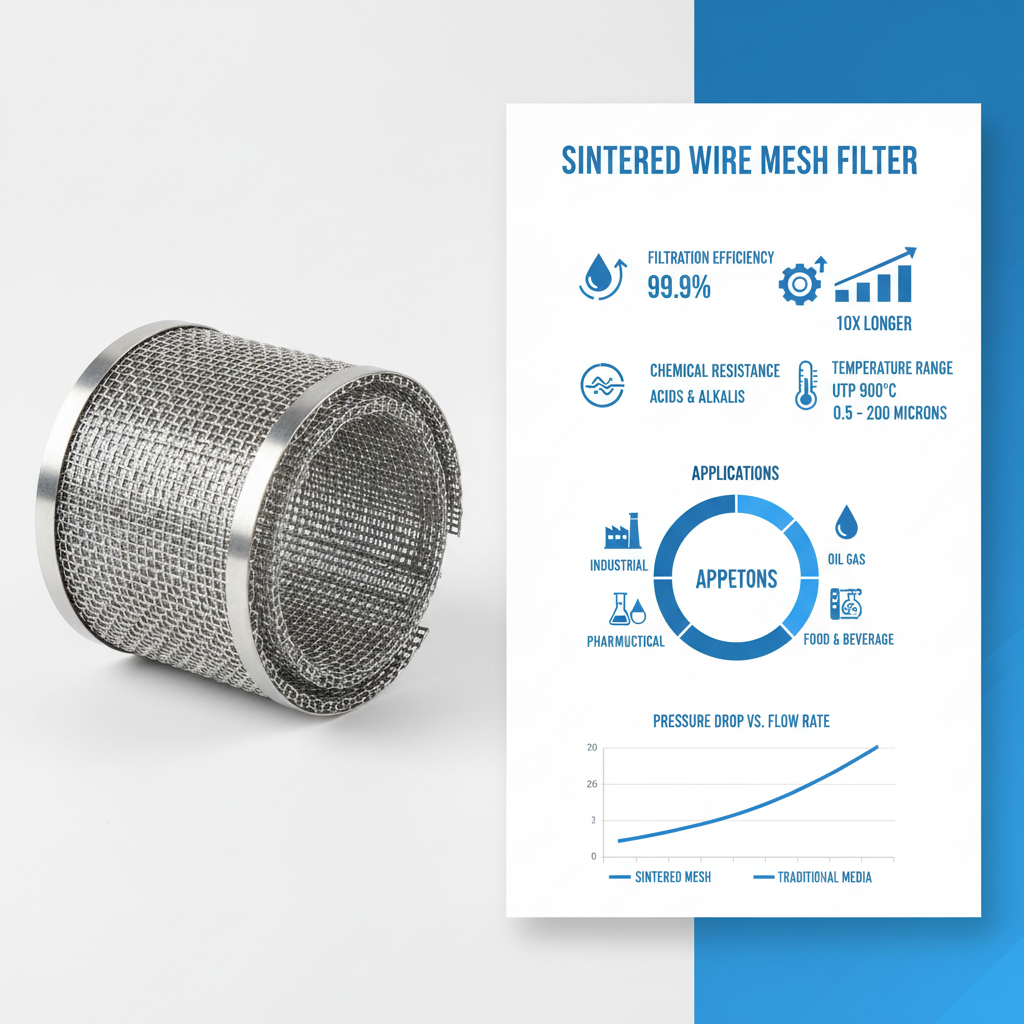
First off, the Durability is unmatched. We’re talking about a material that can withstand extreme temperatures, pressures, and corrosive environments. I've seen them still going strong after years of continuous use, while other filters would have crumbled. Second, the Precision is incredible. You can tailor the pore size to filter out specific contaminants with remarkable accuracy.
Then there's Chemical Resistance. Many sintered metal filters are made from materials like stainless steel that are highly resistant to corrosion and chemical attack. That's a huge advantage in industries dealing with harsh chemicals. And finally, High Flow Rates. Despite being porous, sintered metal filters offer relatively high flow rates, minimizing pressure drop and maintaining efficient operation.
Sintered Metal Filter Performance Metrics
Real-World Applications Across Industries
In the oil and gas industry, they’re using them for filtering hydraulic fluids and process streams, protecting sensitive equipment from damage. I’ve seen them deployed in offshore platforms and refineries. You see them in the aerospace sector, too – filtering fuel, oil, and air for jet engines and hydraulic systems. Reliability is absolutely critical there.
Pharmaceutical companies rely on sintered metal filters to sterilize water and air, ensuring the purity of their products. They’re also used in the food and beverage industry to filter liquids and remove unwanted particles. In remote industrial zones, where maintenance access is limited, the long service life of these filters is a huge benefit.
Long-Term Value: Sustainability and Cost Analysis
Let's talk about money. Yes, the initial investment can be higher than for some other filter types. But you need to look at the total cost of ownership. How often do you need to replace the filter? What's the cost of downtime if a filter fails? Sintered metal filters typically have a much longer service life, reducing both replacement costs and downtime.
From a sustainability perspective, they’re also a good choice. They can be cleaned and reused multiple times, reducing waste. And at the end of their life, they can often be recycled. That aligns with the growing emphasis on circular economy principles.
The increased reliability contributes to safety, too. Fewer filter failures mean fewer unexpected shutdowns and a reduced risk of accidents. It’s a win-win.
Future Trends and Innovations in Sintered Metal Filtration
We're starting to see a lot of innovation in materials. Researchers are developing new alloys with even greater corrosion resistance and higher temperature capabilities. There’s also work being done on creating more complex pore structures, allowing for even more precise filtration.
The integration of sintered metal filters with smart sensors is another area of development. These sensors can monitor pressure drop, flow rate, and other parameters, providing real-time data on filter performance. That allows for predictive maintenance and optimization of filtration processes.
And with the push for green energy, sintered metal filters are playing a crucial role in fuel cell technology, hydrogen production, and carbon capture. These are areas that are only going to grow in importance in the years to come.
Summary of Future Trends in Sintered Metal Filter Development
| Trend Category |
Description |
Impact on Sintered Metal Filters |
Expected Timeline |
| Materials Science |
Development of new metal alloys |
Enhanced corrosion resistance and high-temperature performance |
2-5 years |
| Sensor Integration |
Incorporating sensors for real-time monitoring |
Predictive maintenance and process optimization |
3-7 years |
| Pore Structure Engineering |
Creating more complex and tailored pore designs |
Improved filtration efficiency and selectivity |
5-10 years |
| Additive Manufacturing |
Utilizing 3D printing for filter fabrication |
Greater design flexibility and customization |
Ongoing, with increasing adoption |
| Sustainable Materials |
Exploring recyclable and bio-based metal powders |
Reduced environmental impact and improved circularity |
5-10 years |
| Smart Filtration Systems |
Integrating filters with AI-powered control systems |
Automated filter cleaning and optimized performance |
7-10 years |
FAQS
Sintered metal filters offer superior durability, higher temperature resistance, and greater chemical compatibility compared to traditional materials. They also possess a more consistent pore structure, leading to more reliable filtration performance and a longer service life. This reduces downtime and maintenance costs, which is crucial on any job site.
Many sintered metal filters can be cleaned and reused multiple times, especially those used in less demanding applications. Backflushing, ultrasonic cleaning, or even chemical cleaning can restore their filtration efficiency. This reusability contributes to lower operating costs and reduced environmental impact. However, some applications require disposable filters to prevent contamination.
Stainless steel is the most common material due to its excellent corrosion resistance and mechanical strength. Other materials include titanium, nickel alloys, bronze, and even specialized alloys depending on the application. The material selection depends on the fluid or gas being filtered and the operating conditions.
Pore size is critical. Smaller pore sizes provide finer filtration, removing smaller particles, but also result in lower flow rates and increased pressure drop. Larger pore sizes offer higher flow rates but allow larger particles to pass through. The optimal pore size is determined by the specific filtration requirements of the application.
A wide range of industries benefit, including oil and gas, pharmaceuticals, food and beverage, aerospace, chemical processing, and power generation. Any application requiring high-purity fluids or gases, or operating in harsh conditions, is a prime candidate for sintered metal filtration.
Yes, sintered metal filters are excellent for high-temperature applications. The metal powders fuse together, creating a robust structure that can withstand temperatures far beyond the limits of traditional filter materials. Specific alloys, like those containing nickel, are particularly well-suited for extreme heat.
Conclusion
Sintered metal filters are more than just a filtration solution; they’re a cornerstone of reliable, efficient, and sustainable operations across countless industries. From their inherent durability and precision to their adaptability to increasingly demanding applications, they offer a compelling value proposition. They’re about reducing downtime, improving product quality, and protecting the environment.
As technology continues to advance, expect to see even more innovation in sintered metal filter materials and designs. Investing in these filters isn’t just about solving today’s challenges; it’s about preparing for the future of industrial filtration. To learn more about how sintered metal filters can benefit your operation, visit our website: www.chinaporousfilters.com.