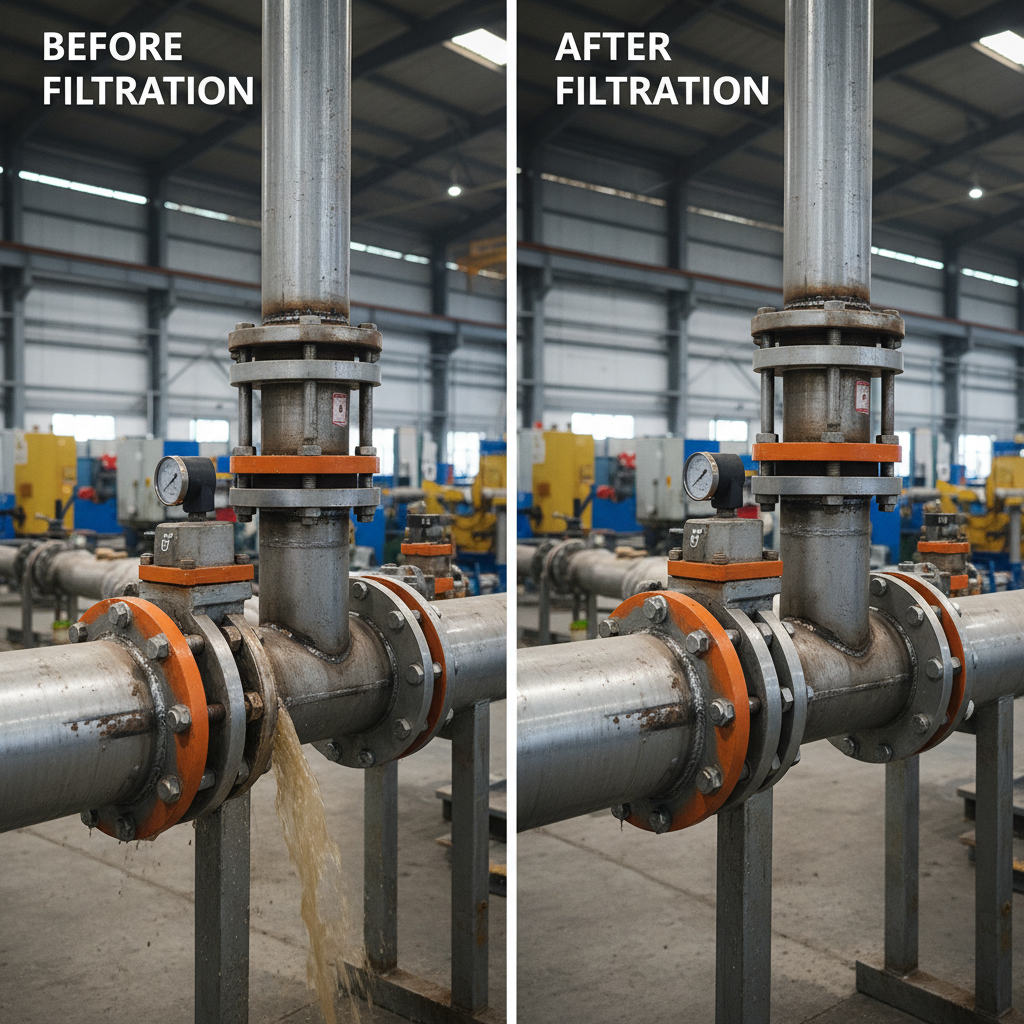
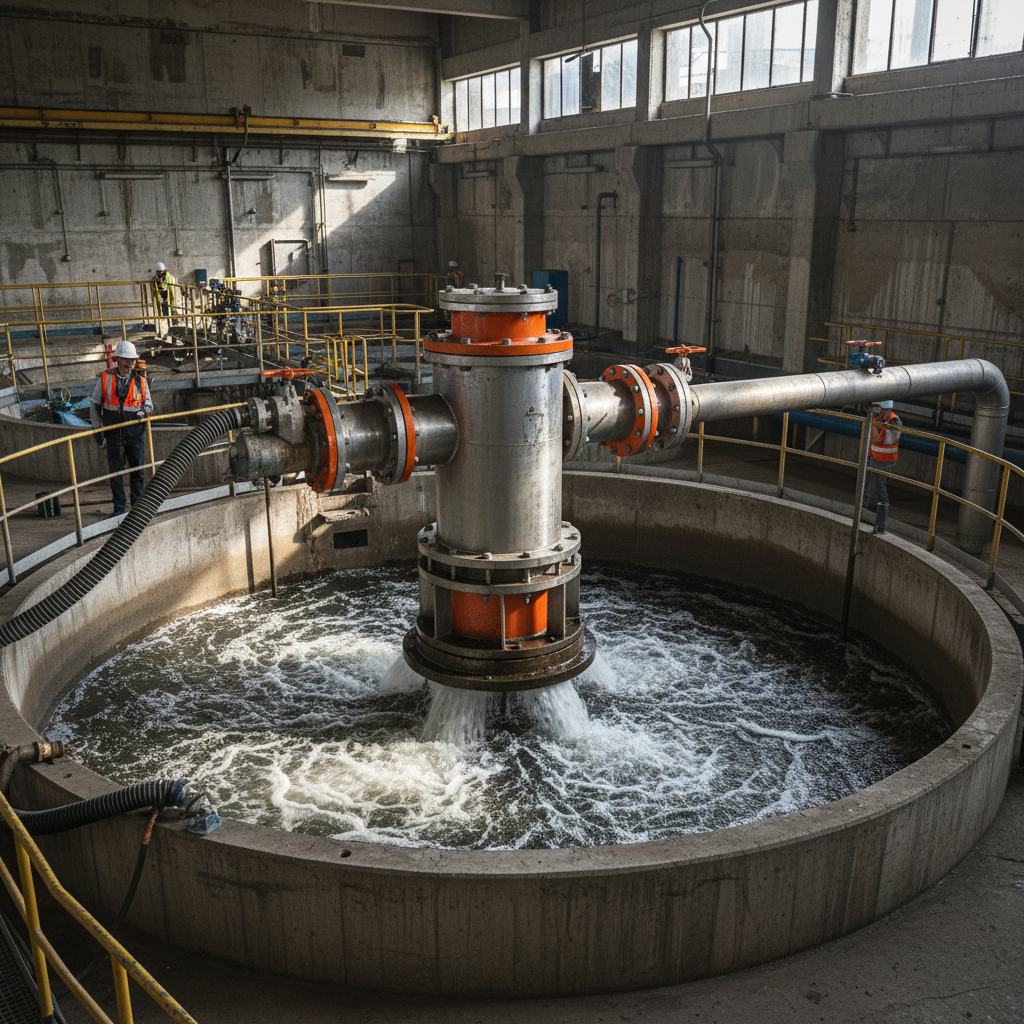
Sintered titanium plates represent a cutting-edge material solution, rapidly gaining prominence across numerous industrial applications. Their unique combination of exceptional strength, corrosion resistance, and controlled porosity makes them indispensable in sectors demanding high performance and reliability. Understanding the intricacies of these plates is crucial for engineers, researchers, and procurement specialists seeking optimal filtration, separation, and catalytic solutions.
The global demand for high-performance materials like sintered titanium plates is driven by increasingly stringent environmental regulations and a growing need for efficiency in industrial processes. From pharmaceutical manufacturing to aerospace engineering, the ability to precisely control fluid flow and particle capture is paramount. The inherent benefits of titanium—biocompatibility, high strength-to-weight ratio, and excellent corrosion resistance—combined with the advantages of sintering, make these plates a compelling choice.
These plates aren’t merely components; they are enablers of innovation. They facilitate cleaner production processes, improve product quality, and contribute to the development of advanced technologies. As industries continue to push boundaries, the versatility and reliability of sintered titanium plates will continue to cement their position as a vital material in the modern world.
Introduction to Sintered Titanium Plates
Sintered titanium plates are becoming increasingly vital in numerous high-tech industries, offering a unique blend of properties that traditional materials struggle to match. These plates aren’t simply manufactured; they’re engineered for precision and durability. They form the core of filtration systems, chemical processing equipment, and biomedical implants.
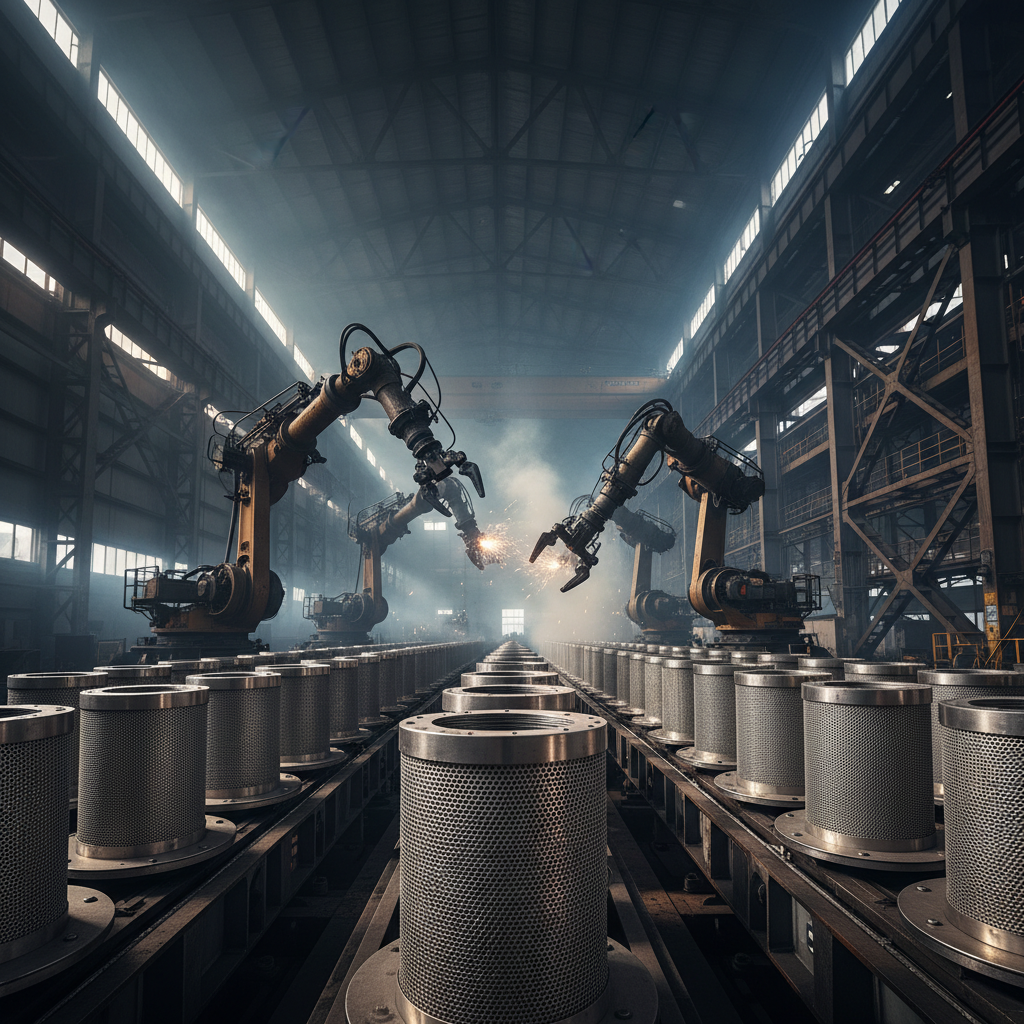
The production process of sintering, involving compacting and heating titanium powder, yields a material with exceptionally controlled porosity and mechanical strength. This allows for highly customized performance characteristics, tailored to specific application requirements. As industries demand ever-more specialized materials, sintered titanium plates are uniquely positioned to meet these challenges.
Defining Sintered Titanium Plates
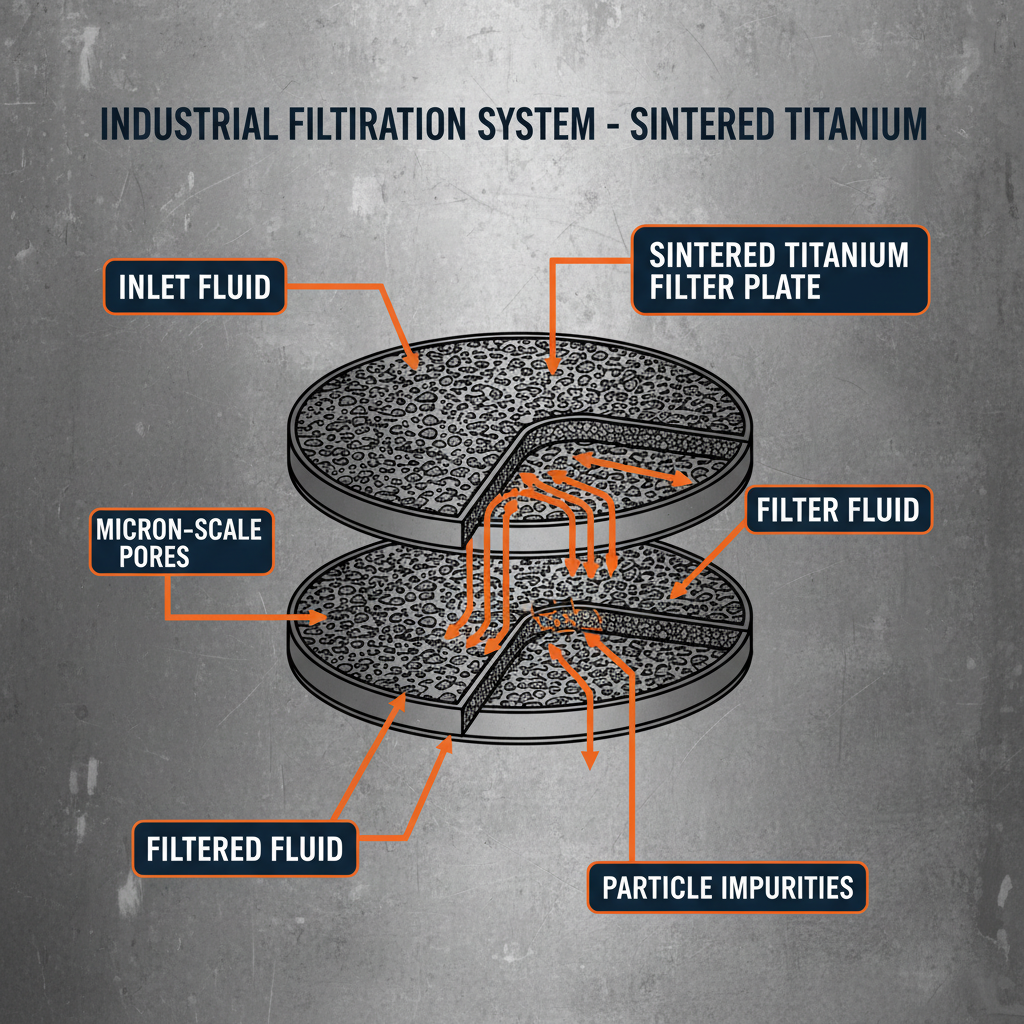
Sintered titanium plates are created by compressing titanium powder into a desired shape, then heating it to a temperature below the melting point of titanium. This process, known as sintering, causes the powder particles to fuse together, forming a solid, porous structure. The resulting plate exhibits a remarkable combination of strength, corrosion resistance, and controlled permeability.
The level of porosity in the plate is carefully controlled during the sintering process, enabling a wide range of filtration and separation applications. Unlike traditional cast or machined titanium, sintered titanium plates offer isotropic properties – meaning their characteristics are uniform in all directions – improving performance and reliability.
This manufacturing method directly connects to modern industrial needs for precise filtration in pharmaceutical production, efficient gas-liquid separation in chemical processing, and biocompatible implants for medical applications. The ability to tailor pore size and distribution makes these plates invaluable for specialized tasks where other materials fall short.
Key Characteristics of Sintered Titanium Plates
The defining characteristics of sintered titanium plates are what set them apart. First and foremost is their exceptional corrosion resistance, making them suitable for use in harsh chemical environments and saline solutions. Titanium itself is known for its inertness, and sintering enhances this property by eliminating grain boundaries that can act as corrosion initiation sites.
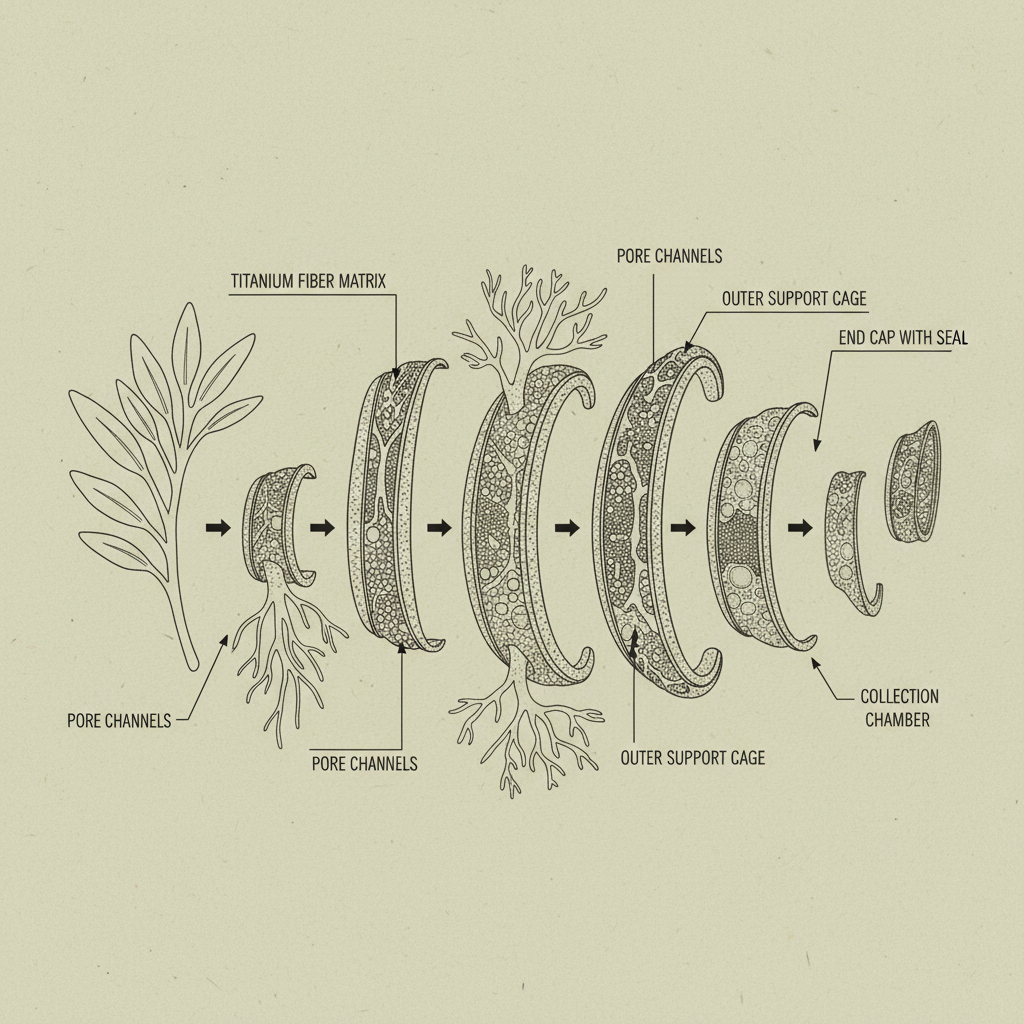
Secondly, the controlled porosity is paramount. The pore size and distribution can be precisely engineered during the sintering process, allowing for highly selective filtration and separation. This tailored permeability is critical for applications like gas-liquid separation, particle removal, and catalytic support.
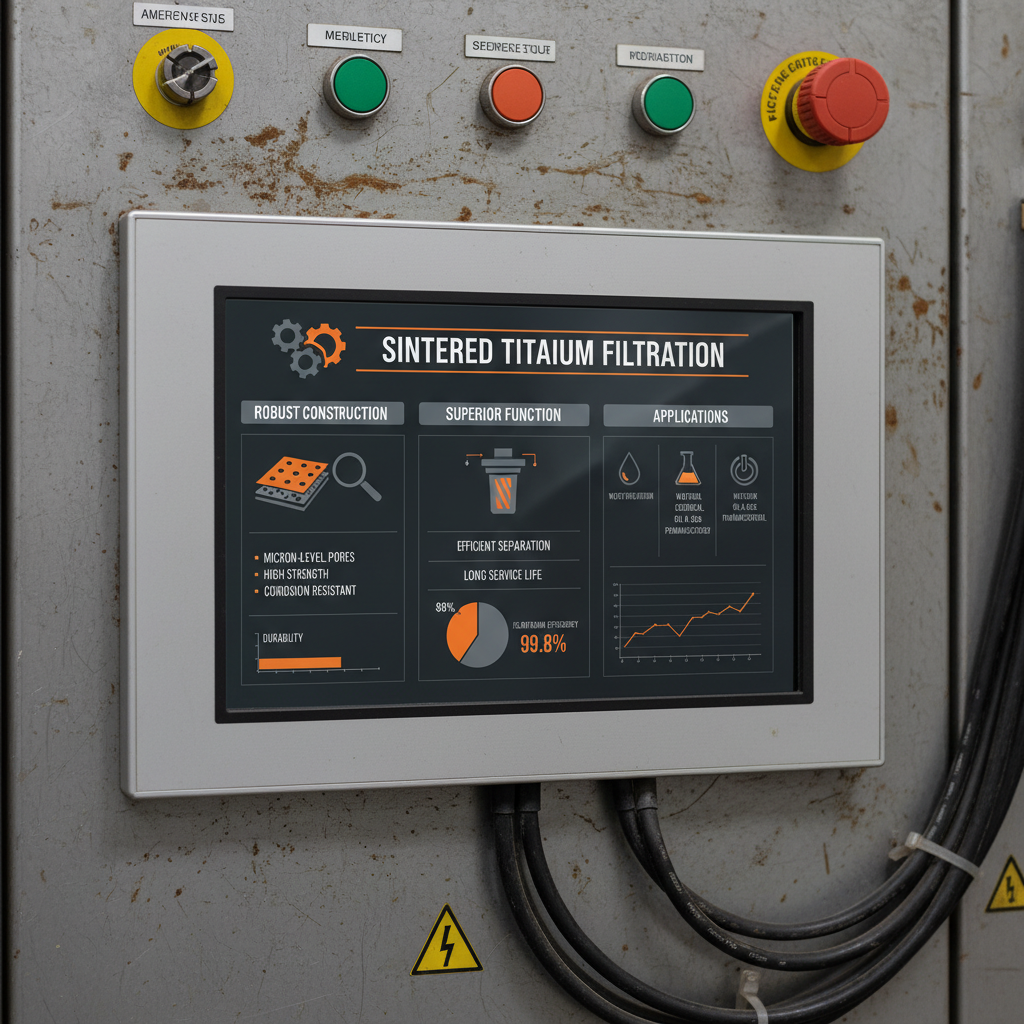
Finally, sintered titanium plates possess superior mechanical strength and durability compared to many other porous materials. The sintering process creates a robust, interconnected structure that can withstand high pressures and temperatures. The isotropic nature of the material—uniform properties in all directions—further enhances its reliability and resistance to cracking or deformation.
Applications Across Industries
Sintered titanium plates find broad application across a diverse range of industries. In the pharmaceutical sector, they are used for sterile filtration, ensuring the purity of injectable drugs and other critical medications. Their biocompatibility also makes them ideal for medical implants, such as bone scaffolds and dental implants.
The chemical processing industry utilizes these plates for catalyst support, gas-liquid separation, and corrosion-resistant filtration. Aerospace engineering leverages their high strength-to-weight ratio and temperature resistance for specialized filtration systems and heat exchangers. Furthermore, they are increasingly employed in water treatment facilities for removing contaminants and purifying water supplies.
Sintered Titanium Plate Performance Across Applications
Advantages and Long-Term Value
The advantages of employing sintered titanium plates extend beyond immediate performance gains. While initial costs may be higher than traditional materials, the long-term value proposition is compelling. Their exceptional durability reduces replacement frequency, minimizing downtime and maintenance costs.
The inherent corrosion resistance ensures a longer operational lifespan, even in aggressive environments. This contributes to sustainability by reducing waste and the need for frequent material replacements. Furthermore, the precise control over porosity enhances efficiency, leading to reduced energy consumption and improved process yields.
Future Trends in Sintered Titanium Plate Technology
Ongoing research is focused on further enhancing the properties of sintered titanium plates. Advancements in powder metallurgy techniques are leading to even finer pore size control and improved material homogeneity. The integration of nanomaterials within the titanium matrix is being explored to impart additional functionalities, such as enhanced catalytic activity or self-cleaning properties.
Additive manufacturing (3D printing) of sintered titanium plates is emerging as a promising technology, enabling the creation of complex geometries and customized designs. This will allow for tailored solutions for highly specialized applications. Furthermore, the development of more sustainable and cost-effective titanium powder production methods will drive wider adoption of this material.
Challenges and Solutions in Manufacturing and Implementation
Despite their many benefits, challenges remain in the manufacturing and implementation of sintered titanium plates. The cost of titanium powder remains a significant factor, limiting widespread adoption. Controlling porosity precisely can be complex, requiring sophisticated process control and quality assurance measures.
Solutions are being developed to address these challenges. Recycling of titanium scrap is gaining traction, reducing the demand for virgin powder. Advanced sintering techniques, such as spark plasma sintering, are enabling finer pore size control and reduced processing times. The adoption of machine learning algorithms is optimizing process parameters and improving product consistency.
Collaboration between material scientists, engineers, and manufacturers is crucial to overcoming these hurdles and unlocking the full potential of sintered titanium plates. Continued innovation and investment in these areas will pave the way for broader application and further advancements in this critical material technology.
Summary of Key Considerations for Sintered Titanium Plate Selection
| Application Requirements |
Porosity Considerations |
Mechanical Strength |
Cost-Effectiveness |
| Pharmaceutical Sterile Filtration |
0.2 – 1.0 µm pore size |
High compressive strength required |
Moderate; long-term cost savings critical |
| Chemical Catalyst Support |
Controlled pore size for catalyst dispersion |
High thermal stability needed |
Balance between performance and cost |
| Aerospace Gas Filtration |
Precise pore size distribution for particle removal |
Excellent strength-to-weight ratio |
Higher cost justified by performance |
| Water Purification Systems |
Variable pore size for multi-stage filtration |
Resistance to fouling and bio-growth |
Cost-competitive with alternative materials |
| Bone Scaffold Implants |
Interconnected porosity for cell growth |
Biocompatibility and osseointegration |
High cost acceptable due to medical benefits |
| High-Temperature Gas Separation |
Consistent porosity under thermal stress |
Excellent creep resistance |
Long-term durability is essential |
FAQS
Sintered titanium plates offer several key advantages over stainless steel filters, including superior corrosion resistance, a higher strength-to-weight ratio, and the ability to achieve much finer and more precisely controlled pore sizes. This results in enhanced filtration efficiency, particularly in aggressive chemical environments. Titanium’s biocompatibility is also a crucial advantage in medical applications where stainless steel may be unsuitable. Finally, the isotropic properties of sintered titanium contribute to increased durability and resistance to cracking.
Determining the optimal pore size involves careful consideration of the particle size distribution of the contaminants you need to remove. Generally, the pore size should be slightly smaller than the smallest particle you intend to capture. Performing laboratory tests with different pore sizes is highly recommended to optimize performance and minimize pressure drop. Factors like viscosity, flow rate, and the nature of the fluid being filtered also play a significant role.
The lifespan of a sintered titanium plate in a corrosive environment is highly dependent on the specific corrosive agent, its concentration, temperature, and flow rate. However, due to titanium’s excellent corrosion resistance, these plates can often operate for years, even in highly aggressive conditions. Regular inspection and cleaning are recommended to maintain optimal performance. In some cases, surface treatments can further extend the lifespan.
Yes, sintered titanium plates exhibit excellent high-temperature performance. Titanium maintains its strength and corrosion resistance at elevated temperatures, making these plates suitable for applications such as gas filtration in power generation and heat exchangers. The sintering process creates a stable structure that resists deformation and creep at high temperatures. However, exceeding titanium’s maximum operating temperature will diminish its properties.
Yes, sintered titanium plates can often be effectively cleaned and regenerated. Backflushing with a suitable solvent or cleaning agent is a common method for removing accumulated contaminants. Ultrasonic cleaning can also be employed for more stubborn fouling. The ability to regenerate these plates extends their lifespan and reduces overall operating costs. However, aggressive cleaning methods should be avoided to prevent damage to the porous structure.
The lead time for custom-designed sintered titanium plates varies depending on the complexity of the design, the required specifications, and the current production schedule. Typically, lead times range from 4 to 12 weeks. Factors influencing lead time include powder availability, sintering process parameters, and quality control procedures. Discussing your requirements with a qualified manufacturer early in the process is crucial for accurate lead time estimation.
Conclusion
In conclusion, sintered titanium plates represent a significant advancement in materials science, offering a unique combination of properties that address critical challenges across numerous industries. Their exceptional corrosion resistance, controlled porosity, and high mechanical strength make them indispensable for demanding applications ranging from pharmaceutical filtration to aerospace engineering. Embracing this technology offers long-term cost savings, enhanced performance, and a pathway to more sustainable industrial practices.
Looking forward, continued innovation in powder metallurgy, additive manufacturing, and surface treatments will further unlock the potential of sintered titanium plates. By fostering collaboration between researchers, engineers, and manufacturers, we can overcome existing challenges and drive broader adoption of this versatile material. Visit our website at sintered titanium plates to learn more and discuss your specific application requirements.