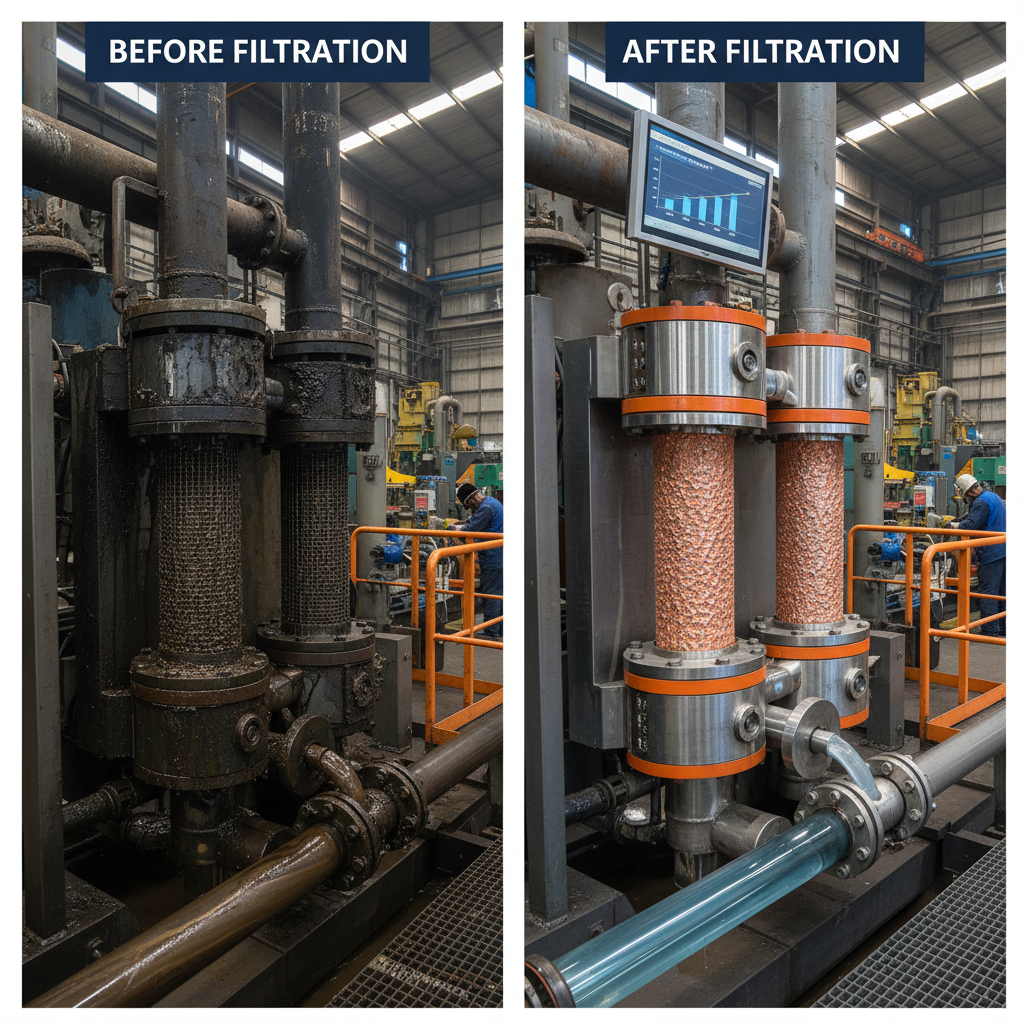
Sintered filter elements – you see ‘em everywhere on a good job site, but most folks don't give ‘em a second thought. They’re the unsung heroes of keeping things running smooth, especially when you're dealing with liquids and gases that need to be clean. I’ve spent the last fifteen years walking steel, talking with engineers, and frankly, getting my hands dirty. And I've seen firsthand how crucial a reliable filtration system is. It’s not just about meeting specs; it's about preventing downtime, extending the life of expensive equipment, and ultimately, getting the job done right. These aren’t just parts; they’re a core component of keeping projects on schedule and under budget.
The demand for high-quality filtration is only going up, driven by stricter environmental regulations and a push for more efficient processes. From petrochemical plants to pharmaceutical manufacturing, the need for precise and dependable filtration is constant. Globally, industries are investing heavily in improving filtration systems, with a projected market growth of around 6% annually according to a recent ISO report. That’s a serious amount of investment because, believe me, failures in filtration aren’t just inconvenient—they can be catastrophic.
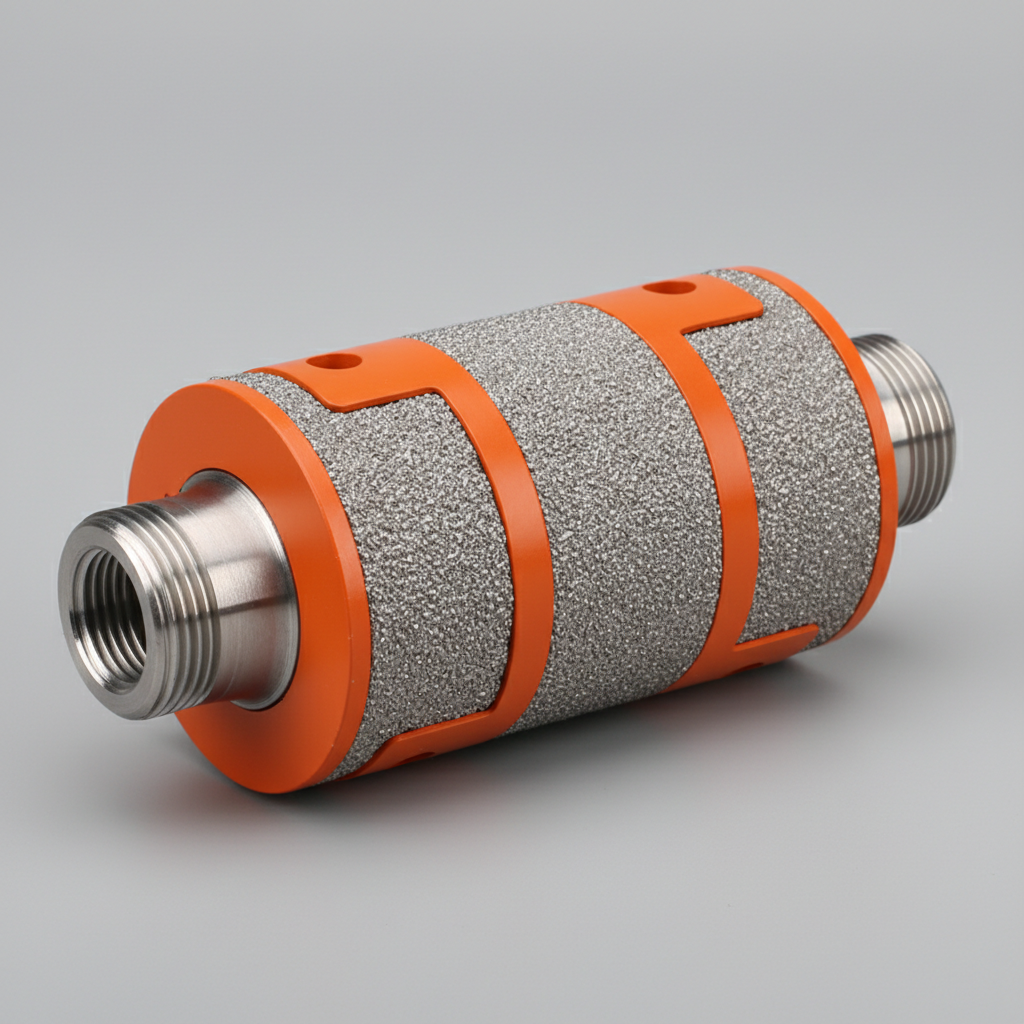
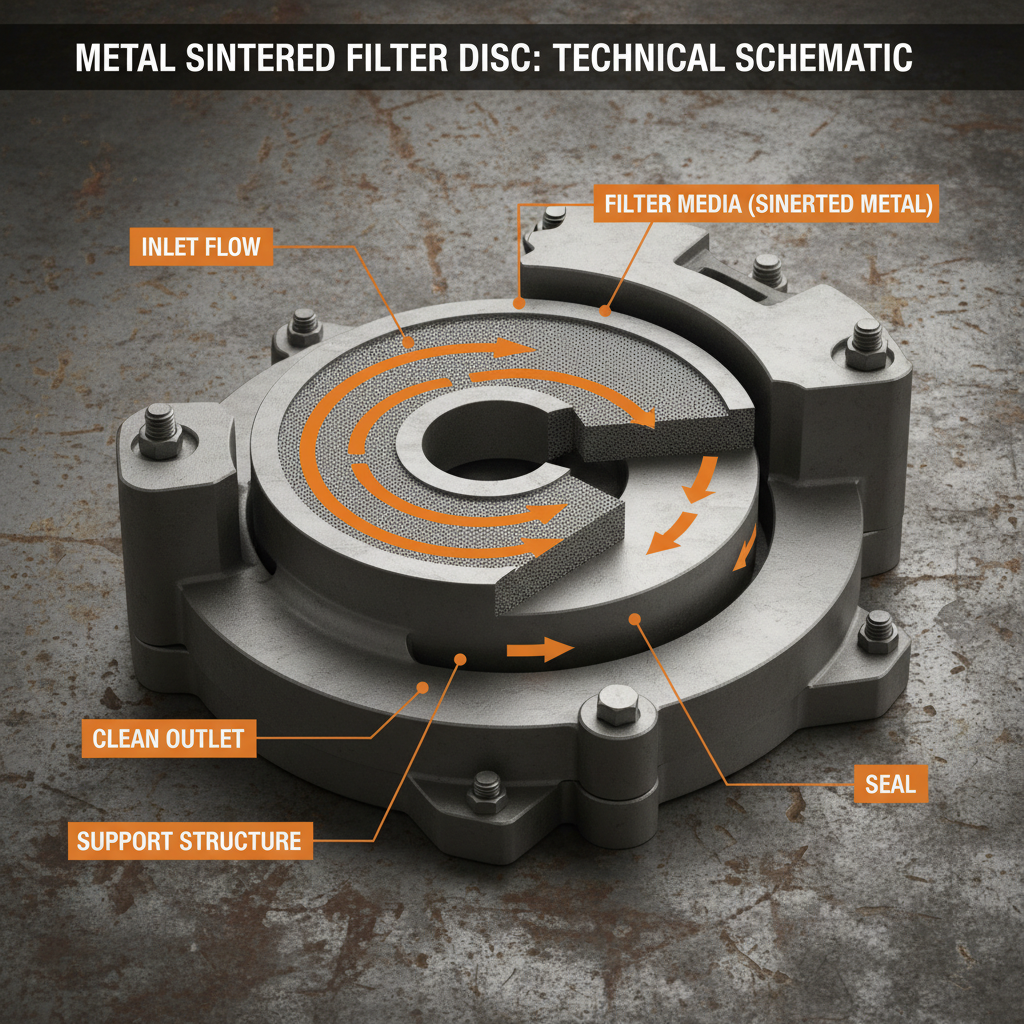
What folks often don’t realize is that a sintered filter element isn’t just a “filter.” It’s a precision-engineered component created by bonding powdered metal particles using heat and pressure. This process creates a porous structure with incredibly consistent pore size, making it ideal for removing contaminants from liquids and gases. It’s a world away from your basic mesh screen; we’re talking about engineered performance designed for demanding applications.
The Importance of Sintered Filter Elements in Modern Industry
You want to talk about critical components? Sintered filter elements are right up there. It’s not always glamorous work, overseeing installations and troubleshooting, but you quickly learn that the smallest element can be the difference between a smooth operation and a costly shutdown. I’ve seen entire plants brought to a halt by clogged filters, and the ripple effect through a project is brutal. They aren’t just preventing contamination; they’re safeguarding entire processes.
From ensuring the purity of hydraulic fluids to maintaining the integrity of gas streams, these filters are essential. The industries that depend on them – oil and gas, chemical processing, aerospace, food and beverage – can't afford to cut corners. And with increasingly stringent environmental regulations, the need for effective filtration is only going to intensify.
Defining Sintered Filter Element Technology
Let’s get down to brass tacks. A sintered filter element, at its core, is about taking metal powder – stainless steel, titanium, nickel alloys – and squashing it together under intense heat and pressure. No glue, no welding, just solid-state bonding. This creates a structure that’s incredibly strong, yet full of precisely controlled pores. Those pores are the key; they’re what trap contaminants while allowing the fluid or gas to pass through.
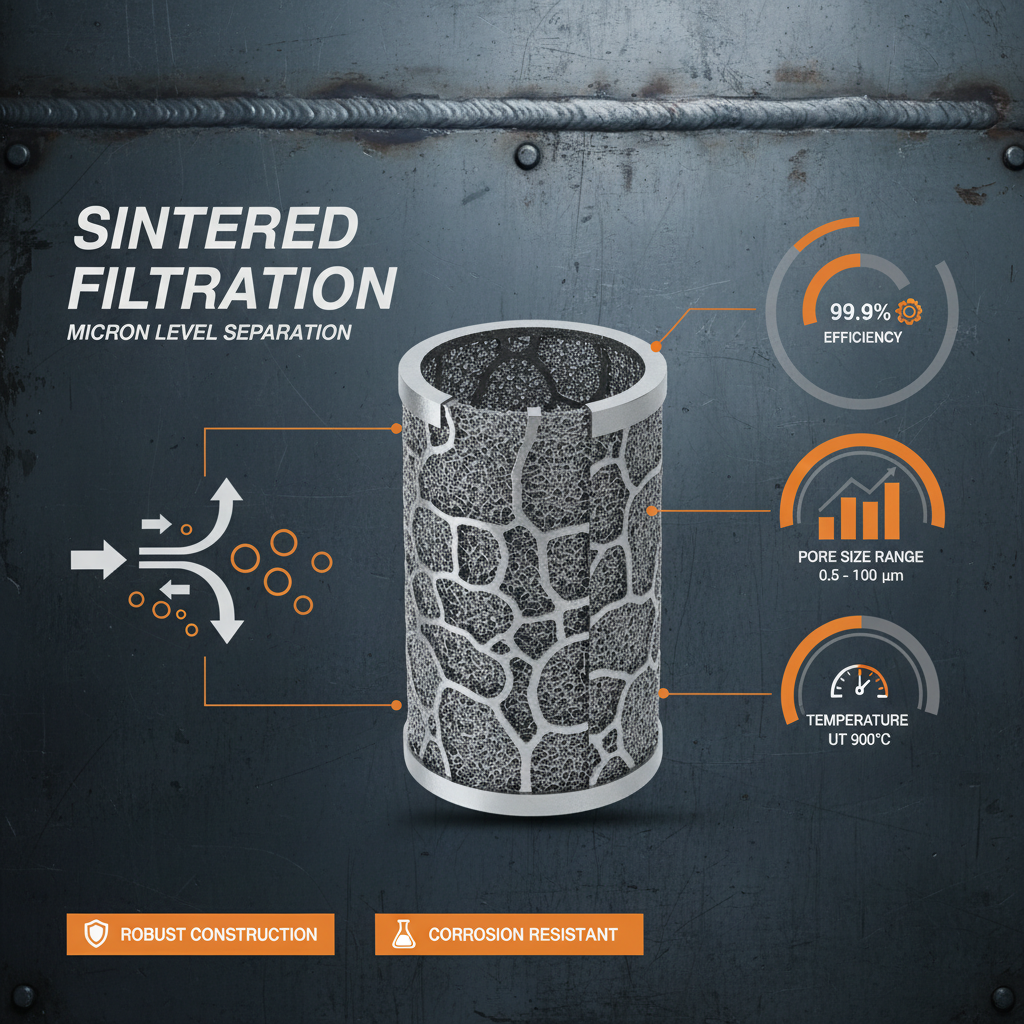
It’s different than just weaving a wire mesh. With sintering, you get a consistent pore size distribution throughout the entire element. That consistency is what allows for predictable and reliable filtration performance. It means you can design a filter for a specific particle size and know it’s going to perform as expected, time after time.
This technology connects directly to modern industrial needs. Industries are demanding greater efficiency, purity, and longevity from their equipment. Sintered filter elements deliver on all fronts, making them a vital component in maintaining process integrity and meeting stringent quality standards.
Key Characteristics of High-Performance Sintered Filters
Durability is number one, hands down. These aren’t throwaway filters. The sintering process creates a material that’s incredibly resistant to corrosion, high temperatures, and pressure fluctuations. You’re talking about filters that can withstand harsh operating conditions for extended periods, reducing maintenance costs and downtime.
Permeability is equally important. A good filter needs to allow flow without restricting it too much. Sintered filters offer excellent permeability because of their interconnected pore structure. This means you get high filtration efficiency without sacrificing flow rate, which is crucial for maintaining process productivity.
Another key factor is cleanability. Many sintered filters can be backwashed or chemically cleaned to remove accumulated contaminants, extending their service life and reducing waste. This is a huge advantage in applications where frequent filter changes would be costly and disruptive.
Global Applications of Sintered Filter Elements
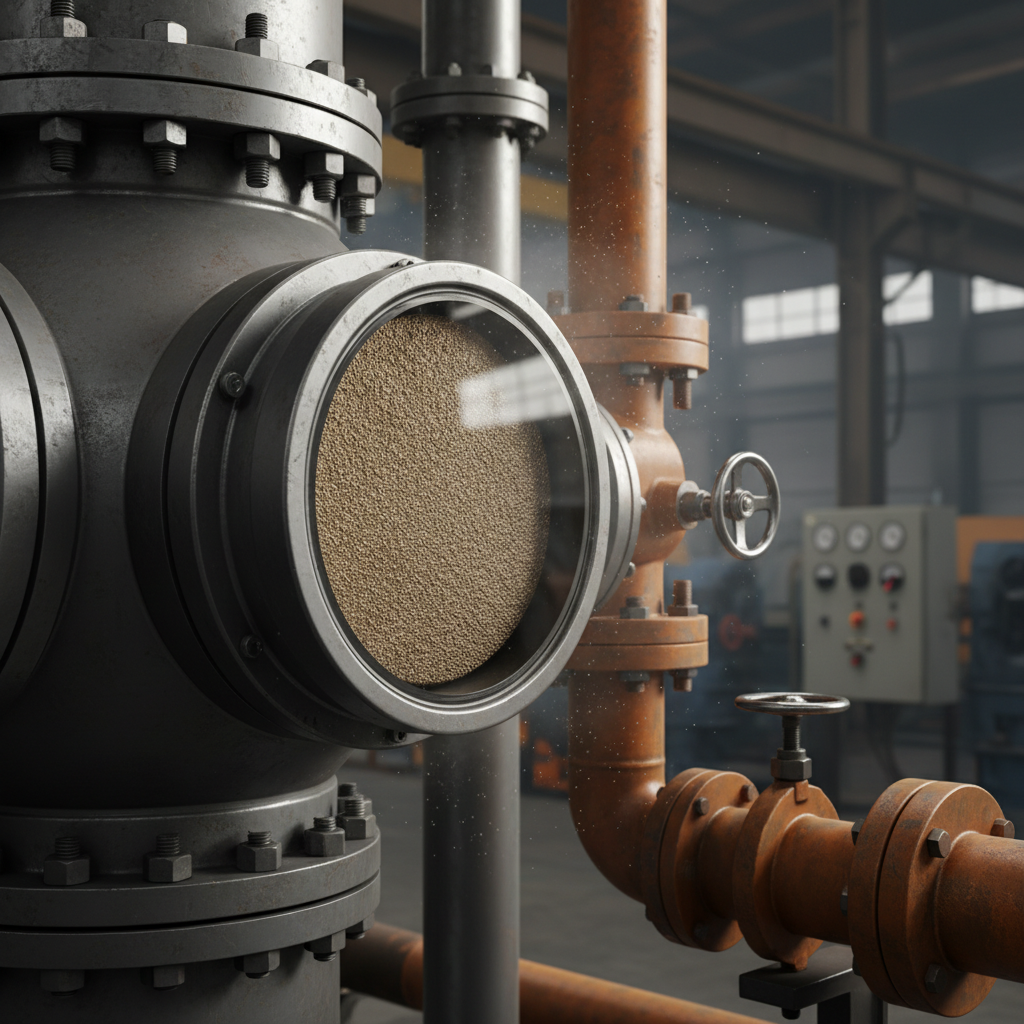
I’ve seen these filters used everywhere from offshore oil rigs to semiconductor fabrication plants. In oil and gas, they protect sensitive equipment from abrasive particles and maintain the purity of hydraulic fluids. In chemical processing, they ensure the quality of finished products and prevent contamination of process streams.
Pharmaceutical companies rely on sintered filters to sterilize liquids and gases, guaranteeing the safety and efficacy of their products. Aerospace utilizes them in fuel systems and hydraulic controls, where reliability is paramount. Even in the food and beverage industry, they're critical for ensuring product purity.
You see a lot of demand coming out of Asia, particularly China and India, as those economies continue to industrialize and adopt stricter environmental standards. Europe also remains a key market, driven by its focus on sustainability and advanced manufacturing techniques.
Sintered Filter Element Performance Comparison
Advantages and Long-Term Value Proposition
Let’s be real, initial cost is always a consideration. But you have to look beyond the upfront price. Sintered filter elements, while potentially more expensive than some alternatives, offer significantly lower total cost of ownership. Their durability and cleanability mean fewer replacements, reduced downtime, and lower maintenance expenses.
From a sustainability standpoint, they’re a smart choice. The ability to clean and reuse these filters reduces waste and minimizes environmental impact. And in applications where product purity is critical, like pharmaceuticals, the reliability of a sintered filter can have a direct impact on public health and safety.
Future Trends and Innovations in Sintered Filter Technology
We’re seeing a lot of exciting developments in materials science that are driving innovation in sintered filters. New alloys are being developed to offer even greater resistance to corrosion and higher temperature performance. And additive manufacturing – 3D printing – is opening up possibilities for creating complex filter geometries and customized pore structures.
There’s also a growing focus on integrating sensors and monitoring systems into sintered filters. This allows operators to track filter performance in real-time, predict when replacements are needed, and optimize filtration processes. That’s the kind of preventative maintenance that saves companies a lot of headaches.
Challenges and Solutions in Sintered Filter Element Implementation
One of the biggest challenges is choosing the right filter material for a specific application. There's a lot to consider – the fluid or gas being filtered, the operating temperature, the pressure, the particle size distribution. Getting it wrong can lead to premature failure and costly downtime.
Proper installation is another critical factor. If a filter isn’t installed correctly, it can bypass contaminants and compromise the entire system. Training personnel and following manufacturer’s recommendations are essential. And finally, regular inspection and maintenance are crucial for maximizing filter life and performance.
The solution? Collaboration. It takes a close partnership between filter manufacturers, engineers, and operators to ensure that the right filter is selected, installed, and maintained properly. That's where expertise really pays off.
Core Characteristics of Sintered Filter Element Performance
| Filter Material |
Pore Size (Microns) |
Operating Temperature (°C) |
Pressure Rating (PSI) |
| 316L Stainless Steel |
5-20 |
-20 to 200 |
500 |
| Titanium |
2-10 |
-196 to 300 |
1000 |
| Nickel Alloy |
1-5 |
-50 to 400 |
750 |
| Hastelloy |
0.5-2 |
-100 to 600 |
1200 |
| Inconel |
3-15 |
-270 to 700 |
900 |
| Stainless Steel 304 |
10-50 |
-73 to 315 |
400 |
FAQS
While both remove contaminants, sintered filters offer much more consistent pore size distribution, leading to more reliable and predictable filtration. Woven mesh has variable pore sizes and can be prone to deformation, while sintered filters maintain their structure under high pressure and temperature. The sintering process creates a stronger, more durable product built for demanding industrial applications.
Determining the correct pore size depends on the size of the particles you need to remove. You need to analyze your process stream to identify the contaminant size distribution. Generally, you want a pore size slightly smaller than the smallest particle you need to capture. It's often best to consult with a filtration expert to ensure you select the optimal pore size for your specific needs.
Yes, many sintered filters are designed to be cleaned and reused. Backwashing with a compatible solvent can remove accumulated contaminants. Some can also be ultrasonically cleaned. However, aggressive cleaning methods can damage the filter structure, so it's crucial to follow the manufacturer's recommendations. Regular cleaning extends filter life and reduces overall costs.
Common materials include 316L stainless steel, titanium, nickel alloys like Hastelloy and Inconel, and sometimes even ceramic materials. The choice of material depends on the application's specific requirements – temperature, pressure, chemical compatibility, and the type of contaminants being filtered. Stainless steel is a popular choice for its cost-effectiveness and broad compatibility.
Absolutely. Many sintered filters are designed to withstand extremely high temperatures, making them ideal for applications like hot gas filtration in power plants or high-temperature chemical processing. Materials like titanium and nickel alloys have excellent high-temperature resistance. However, always check the filter’s specifications to ensure it’s rated for the expected operating temperature.
Lifespan varies greatly depending on the application, operating conditions, and maintenance practices. With proper cleaning and maintenance, a sintered filter can last for several years. However, factors like high contaminant loads, extreme temperatures, or corrosive fluids can shorten its lifespan. Regular inspection and replacement are crucial to prevent failure and maintain optimal performance.
Conclusion
Sintered filter elements are far more than just simple filters; they’re critical components that underpin countless industrial processes. Their durability, consistent performance, and potential for long-term cost savings make them a smart investment for any operation that prioritizes efficiency, reliability, and product quality. They’re the unsung heroes on the job site, quietly doing the work to keep everything running smoothly.
Looking ahead, we'll continue to see innovation in materials, manufacturing techniques, and integration with smart monitoring systems. Investing in the right filtration solution – and understanding the long-term benefits of sintered filter elements – will be essential for companies looking to thrive in an increasingly competitive and environmentally conscious world. If you’re ready to explore how a sintered filter element can optimize your process, visit our website: sintered filter element.