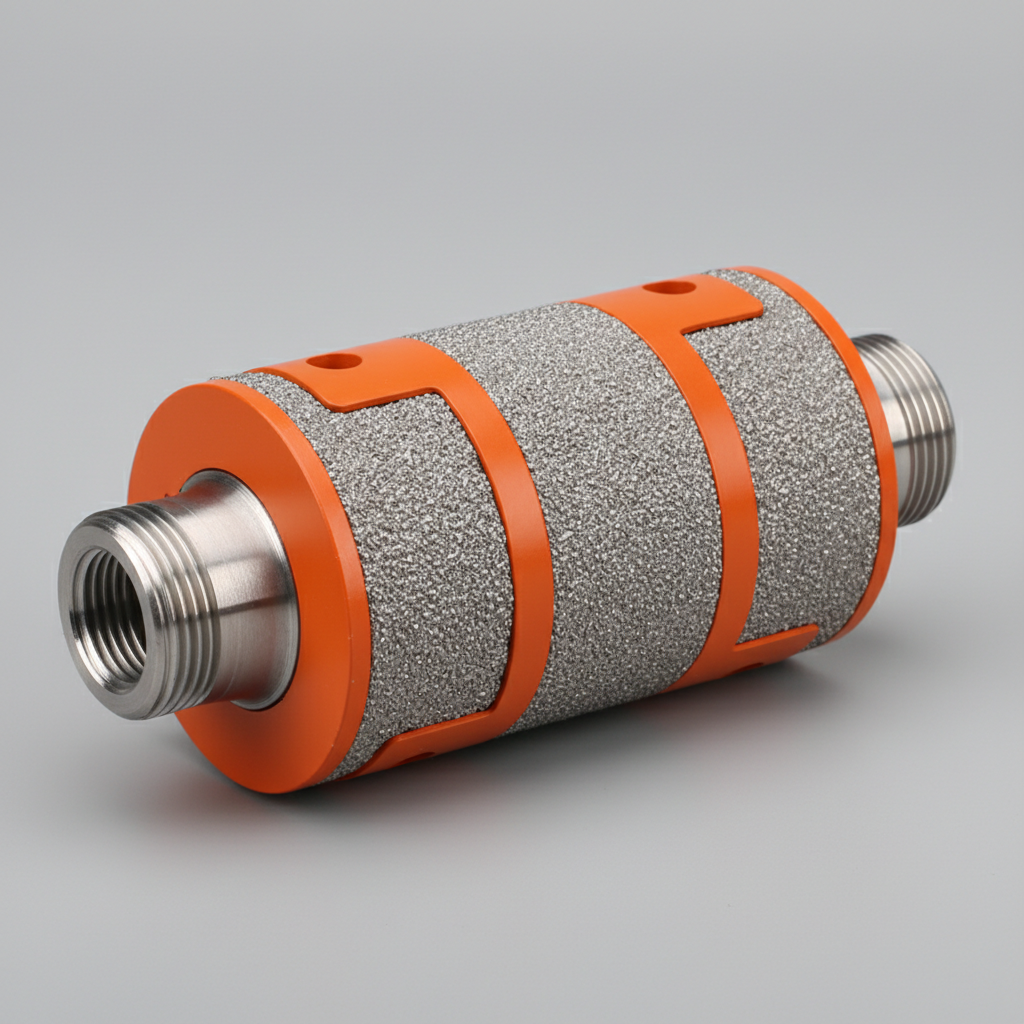
Sintered bronze filter disc technology represents a crucial advancement in filtration processes across diverse industries. These discs, crafted from porous bronze powder, offer exceptional performance in separating solids from fluids, making them indispensable in applications ranging from medical device manufacturing to aerospace engineering. The increasing global focus on environmental protection and industrial efficiency drives the demand for high-quality filtration solutions, positioning sintered bronze filter discs as a key component in sustainable and reliable systems.
The significance of sintered bronze filter discs lies in their unique combination of properties: high permeability, excellent mechanical strength, and chemical resistance. They provide a cost-effective and durable solution for a wide array of filtration challenges. As industries strive to meet stricter regulations and optimize their processes, the demand for robust and versatile filtration media like these continues to grow, necessitating continuous innovation and development in their manufacturing and application.
Understanding the intricacies of sintered bronze filter disc technology is paramount for engineers, manufacturers, and researchers seeking to improve process efficiency, product quality, and environmental sustainability. The ability to tailor pore size, permeability, and material composition allows for customized filtration solutions, addressing the specific needs of a multitude of applications.
The Fundamentals of Sintered Bronze Filter Discs
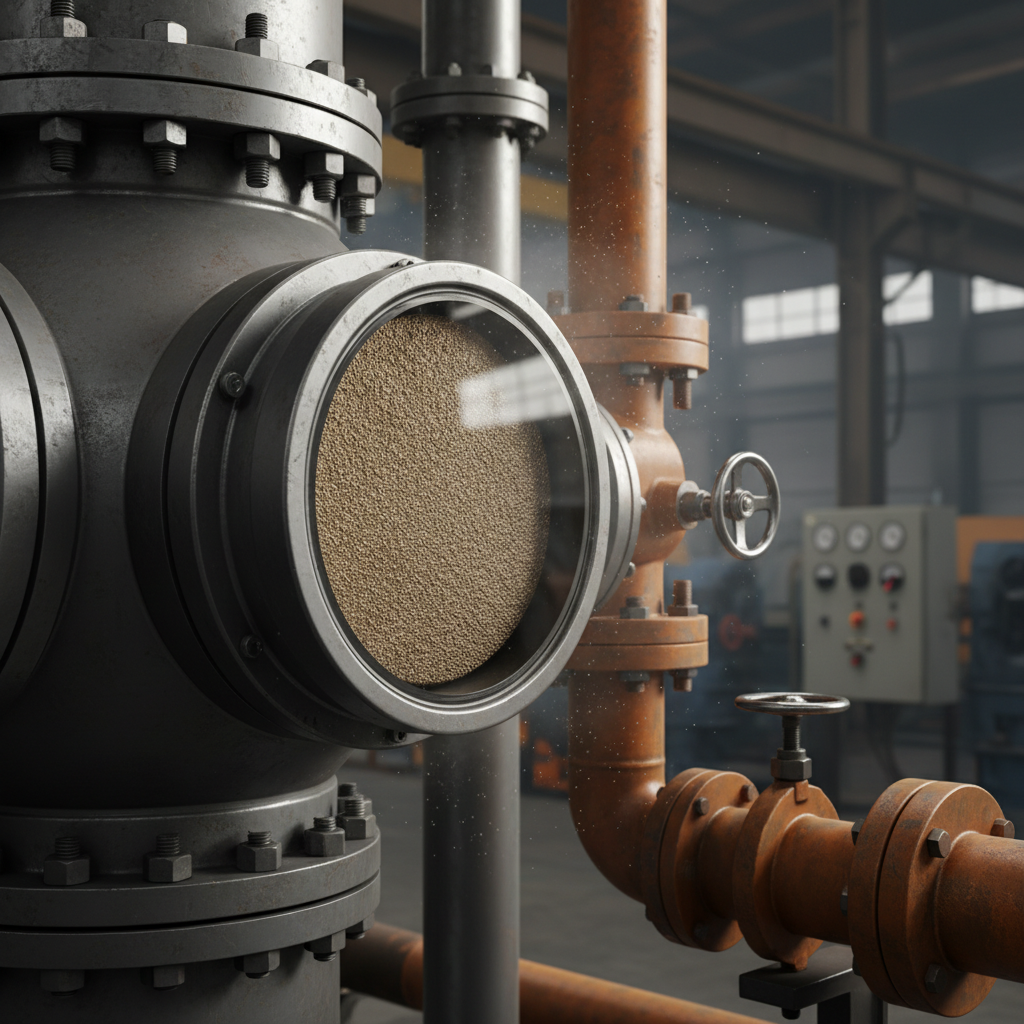
Sintered bronze filter discs are engineered components created through a powder metallurgy process. Bronze powder is compacted into a desired shape and then heated to a temperature below its melting point, causing the particles to fuse together, forming a solid, porous structure. This process yields a filter medium with controlled pore size and permeability, crucial for efficient filtration. These discs are commonly used where high strength, durability, and resistance to corrosion are required.
The key to the performance of a sintered bronze filter disc lies in the precise control of the sintering parameters – temperature, time, and pressure. Variations in these parameters directly impact the resulting pore size distribution and overall filter characteristics. Manufacturers carefully adjust these variables to meet specific application requirements, offering a range of disc properties tailored to different filtration needs.
Global Relevance and Industry Challenges
Globally, the demand for efficient filtration solutions is increasing, driven by stringent environmental regulations, growing industrialization, and a heightened awareness of public health concerns. From water purification and air pollution control to pharmaceutical manufacturing and food processing, effective filtration is paramount. Sintered bronze filter discs play a vital role in addressing these challenges by providing reliable and cost-effective filtration capabilities across a broad spectrum of applications.
However, challenges remain. The cost of raw materials, the complexity of the sintering process, and the need for precise quality control can impact the affordability and availability of these discs. Moreover, competition from alternative filtration technologies, such as polymeric filters, requires continuous innovation to maintain the competitive edge of sintered bronze filter discs.
According to the World Health Organization, billions of people worldwide lack access to safe drinking water. Efficient filtration technologies, including those utilizing sintered bronze filter discs, are crucial for addressing this global crisis. Similarly, the ISO 14000 series of standards emphasizes the importance of environmental management systems, increasing the demand for filtration solutions that minimize pollution and promote sustainability.
Defining Sintered Bronze Filter Discs
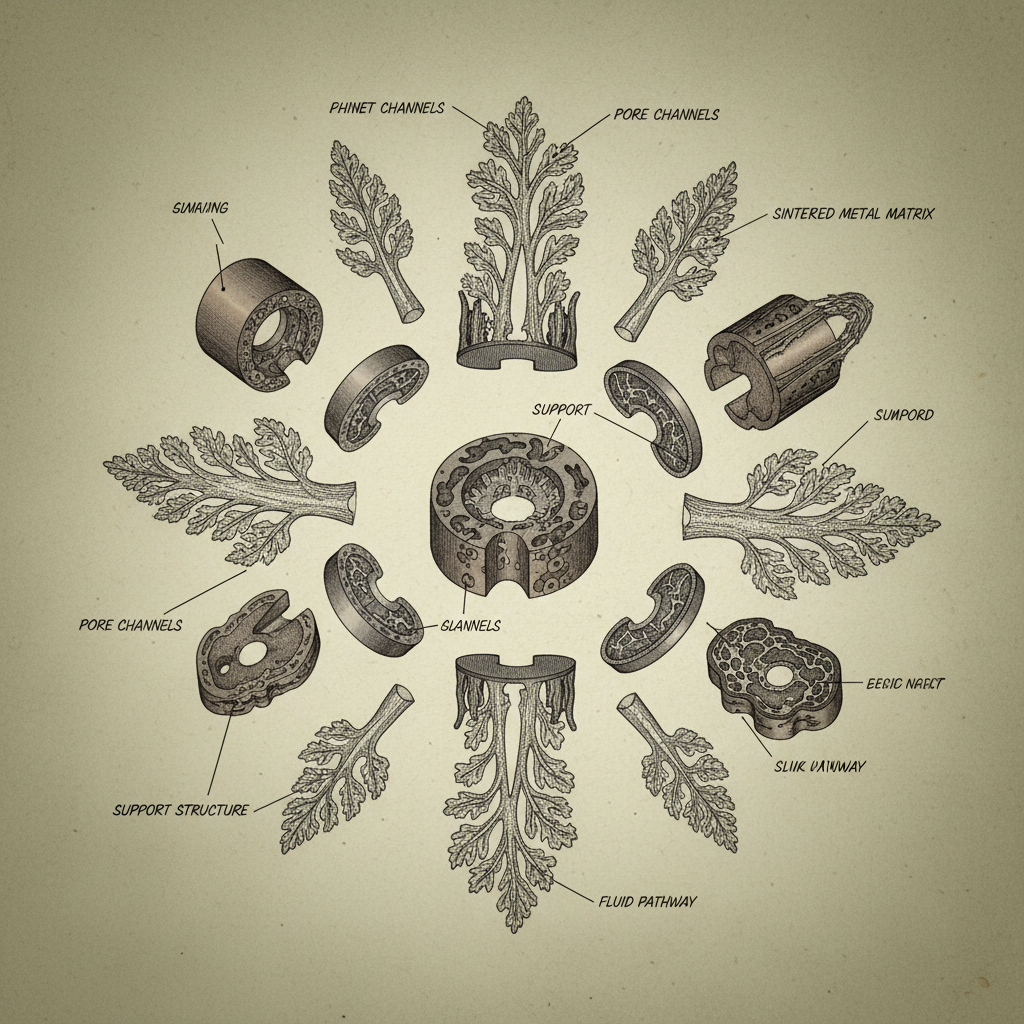
A sintered bronze filter disc is a porous filtration medium created by compacting and heating bronze powder. Unlike woven mesh filters, sintered bronze offers a consistent pore structure throughout the entire disc, ensuring uniform filtration performance. The “sintering” process bonds the bronze particles together without melting them, preserving the intricate pore network. This network is critical for trapping particulate matter and allowing fluids to pass through.
The connection between this technology and modern industry is profound. Sintered bronze filters are integral to maintaining product purity, protecting sensitive equipment, and reducing environmental impact. They are found in applications ranging from hydraulic systems and fuel filtration to medical implants and laboratory research, showcasing their versatility and importance in numerous sectors.
In essence, a sintered bronze filter disc represents a sophisticated solution to the fundamental need for separation – separating solids from liquids or gases – a need that underpins countless industrial processes and humanitarian efforts alike. Its enduring relevance stems from its unique properties and its ability to be tailored to specific application demands.
Key Characteristics and Performance Factors
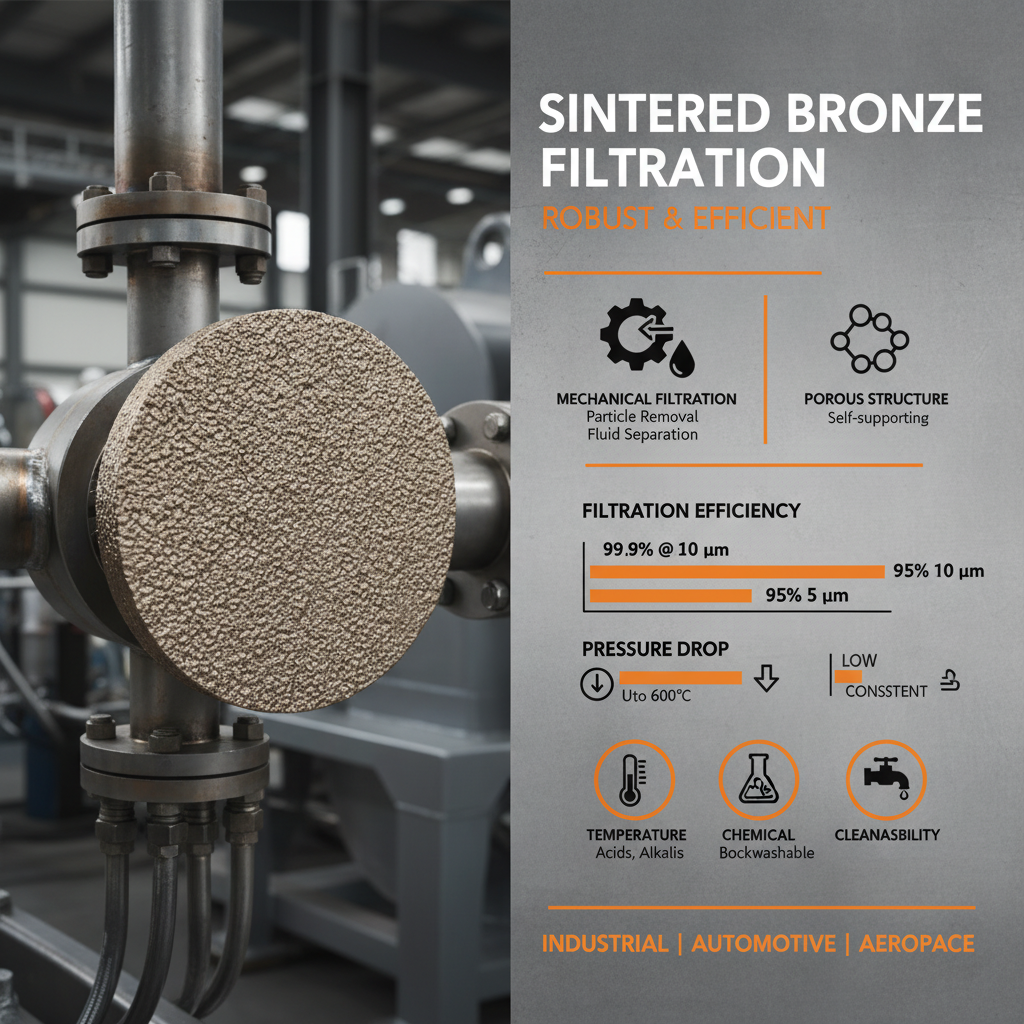
Several key characteristics define the performance of sintered bronze filter discs. Porosity – the percentage of void space within the material – directly impacts flow rate and filtration efficiency. Pore Size determines the size of particles that can be retained, with smaller pore sizes providing finer filtration. Permeability measures the ease with which fluids can pass through the filter, influencing pressure drop and overall system performance.
Mechanical Strength is crucial for ensuring the disc can withstand operating pressures and handling stresses. Sintered bronze inherently possesses good strength and durability. Chemical Resistance allows the discs to operate in harsh environments without degrading. Finally, Temperature Resistance ensures performance stability across a wide range of operating temperatures. These characteristics influence practical applications such as filtration in corrosive chemical processing or high-temperature gas streams.
Sintered Bronze Filter Disc Performance Metrics
Applications Across Diverse Industries
The versatility of sintered bronze filter discs allows for application in a multitude of industries. In the pharmaceutical industry, they ensure the sterility of fluids used in drug manufacturing. Within the aerospace industry, these discs are used in hydraulic systems and fuel filtration to maintain reliability and prevent equipment failure. The chemical processing industry leverages their chemical resistance for filtering corrosive liquids and gases.
In post-disaster relief operations, portable water purification systems utilizing sintered bronze filter discs can provide access to safe drinking water in affected areas. Similarly, in remote industrial zones lacking advanced infrastructure, these filters can ensure the reliable operation of critical equipment. Furthermore, the food and beverage industry utilizes them to clarify liquids and remove contaminants, upholding product quality and safety standards.
Advantages and Long-Term Value Proposition
Sintered bronze filter discs offer significant advantages over other filtration media. They provide excellent filtration efficiency, durability, and chemical resistance at a competitive cost. The long-term value lies in their reliability and low maintenance requirements, reducing downtime and operational expenses. Their ability to be customized allows for optimized performance in specific applications, leading to increased productivity and reduced waste.
Beyond the tangible benefits, sintered bronze filters contribute to sustainability by minimizing environmental impact and promoting responsible resource management. Their use can lead to cleaner processes, reduced emissions, and a lower carbon footprint. The inherent trust in their performance fosters confidence in product quality and operational safety, enhancing brand reputation and customer loyalty.
Future Trends and Material Innovations
The future of sintered bronze filter disc technology is marked by ongoing innovation in materials and manufacturing processes. Research into new bronze alloys with enhanced properties, such as increased strength and corrosion resistance, is underway. Additive manufacturing techniques, like 3D printing, are being explored to create more complex and customized filter geometries.
The integration of nanotechnology – incorporating nanoparticles into the bronze matrix – promises to further enhance filtration performance and introduce new functionalities, such as antimicrobial properties. Furthermore, the increasing focus on green energy and sustainable manufacturing is driving demand for environmentally friendly filtration solutions, positioning sintered bronze filter discs as a key component in a more sustainable future.
Analysis of Sintered Bronze Filter Disc Performance Factors
| Material Composition |
Pore Size Distribution |
Operating Pressure |
Filtration Efficiency |
| Copper-Tin Alloy (85/15) |
Uniform, 5-10 µm |
20 bar |
98% |
| Bronze with Nickel Addition |
Graded, 2-20 µm |
30 bar |
95% |
| Stainless Steel/Bronze Composite |
Narrow, 1-5 µm |
50 bar |
99.5% |
| High-Tin Bronze (90/10) |
Broad, 10-50 µm |
10 bar |
85% |
| Bronze with Aluminum Addition |
Controlled, 3-8 µm |
25 bar |
92% |
| Specialty Bronze Alloy |
Precise, 0.5-2 µm |
40 bar |
99.9% |
FAQS
The lifespan of a sintered bronze filter disc varies considerably depending on the application, fluid characteristics, and operating conditions. However, under normal conditions, with appropriate cleaning and maintenance, these discs can last for several years, often exceeding 5 years. Factors such as high particulate loads or corrosive environments can reduce lifespan, necessitating more frequent replacement. Regular inspection and preventative maintenance are critical for maximizing service life.
Cleaning a sintered bronze filter disc depends on the type of contamination. For particulate matter, backflushing with a compatible fluid is often effective. For more stubborn deposits, ultrasonic cleaning or chemical cleaning may be necessary. Avoid abrasive cleaning methods that could damage the porous structure. It's crucial to use cleaning agents compatible with the bronze material to prevent corrosion. Always consult the manufacturer’s guidelines for specific cleaning recommendations.
Yes, sintered bronze filter discs exhibit excellent temperature resistance, typically operating effectively up to 400°C (750°F). However, the specific temperature limit depends on the bronze alloy composition. For even higher temperatures, specialized alloys or coatings may be required. It’s essential to verify the material’s temperature rating before using it in high-temperature environments to ensure optimal performance and prevent material degradation.
Sintered bronze filter discs are available with a wide range of pore sizes, typically from 0.2 µm to 100 µm. The specific pore size is tailored to the application’s filtration requirements. Smaller pore sizes are used for fine filtration, while larger pore sizes are used for higher flow rates. Manufacturers can often customize pore size distribution to meet specific customer needs, ensuring optimal filtration performance.
While the initial cost of sintered bronze filter discs may be higher than some disposable filter options, their longevity, reusability, and consistent performance often result in a lower total cost of ownership over time. Compared to woven mesh filters, they offer superior durability and a more uniform pore structure. Compared to polymeric filters, they provide better chemical resistance and temperature stability, justifying the investment for critical applications.
Yes, most sintered bronze filter discs are designed to be backwashed, which is a crucial maintenance procedure for restoring filtration efficiency. Backwashing involves reversing the flow of fluid through the filter, dislodging accumulated contaminants and clearing the pores. The frequency of backwashing depends on the application and the level of contamination. Proper backwashing extends the lifespan of the filter and maintains optimal performance.
Conclusion
In conclusion, sintered bronze filter discs represent a sophisticated and versatile filtration technology with broad applicability across numerous industries. Their unique combination of properties – high permeability, excellent mechanical strength, chemical resistance, and customizable pore size – makes them an indispensable component in modern industrial processes and environmental protection efforts. Understanding the fundamentals of this technology, its advantages, and future trends is critical for engineers, manufacturers, and researchers seeking to optimize filtration performance and achieve sustainable solutions.
Looking ahead, continued innovation in materials, manufacturing processes, and nanotechnology will further enhance the capabilities of sintered bronze filter discs. Embracing these advancements will unlock new opportunities for improved efficiency, reduced environmental impact, and enhanced product quality. For reliable and efficient filtration solutions, explore our extensive range of sintered bronze filter discs at sintered bronze filter disc.