To be honest, these days everyone's talking about miniaturization, right? Everything’s gotta be smaller, lighter, more efficient. It's driving a lot of innovation in metal porous filters, but it’s also where things can get tricky. Have you noticed how a lot of designs look great on paper but fall apart as soon as you try to actually build them?
I've been running around construction sites all year, dealing with engineers, and what I’ve found is that simplicity is key. People get obsessed with fancy features, but often forget the basics. It's the little things, like a properly sealed connection or a durable casing, that make all the difference. It's about usability, not just specifications.
And speaking of materials... we’re primarily working with 304 and 316 stainless steel, mostly. 316 is king when it comes to corrosion, especially near the coast. You can smell the difference, actually. 304 has this... metallic tang when you’re machining it, while 316 is a bit cleaner. Though, honestly, after a full day of grinding, everything smells like metal. Titanium's gaining traction, too, but it’s pricey and harder to work with. It's got that cold, almost brittle feel to it.
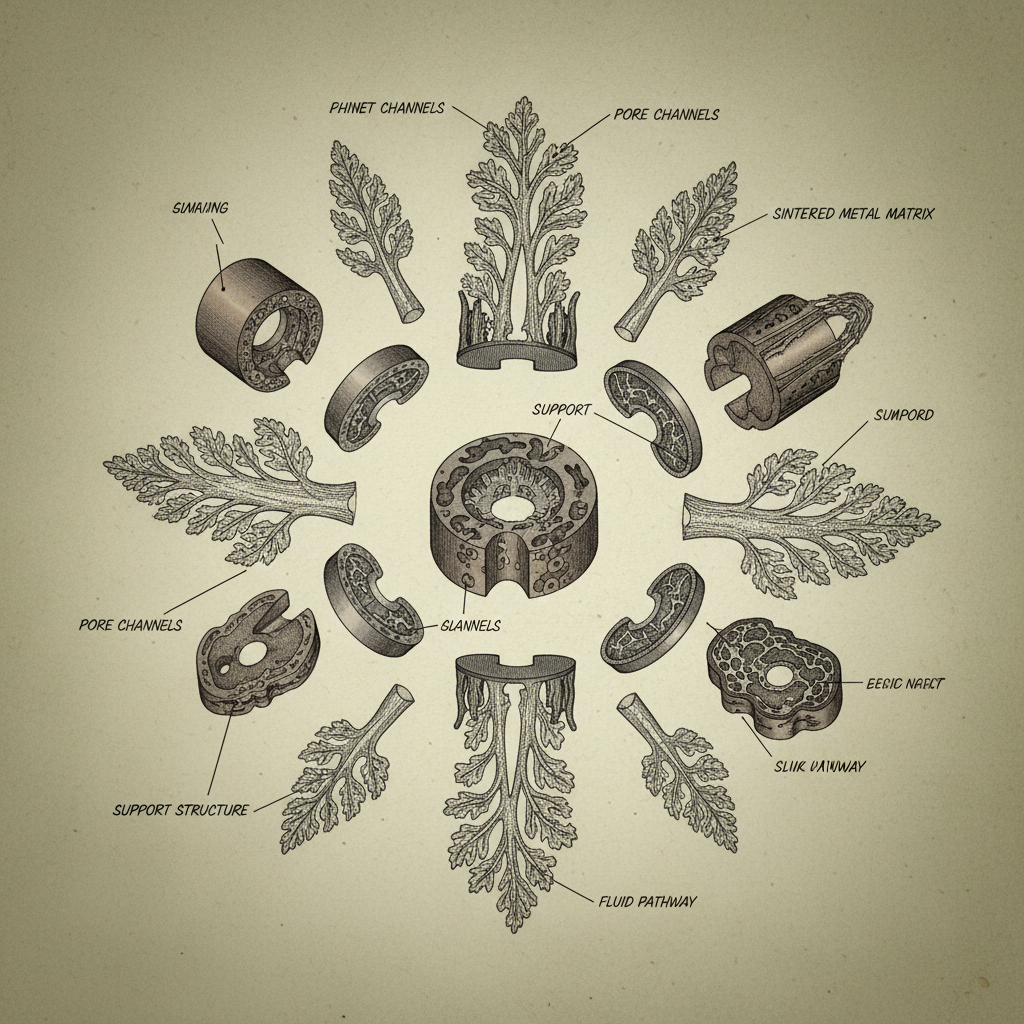
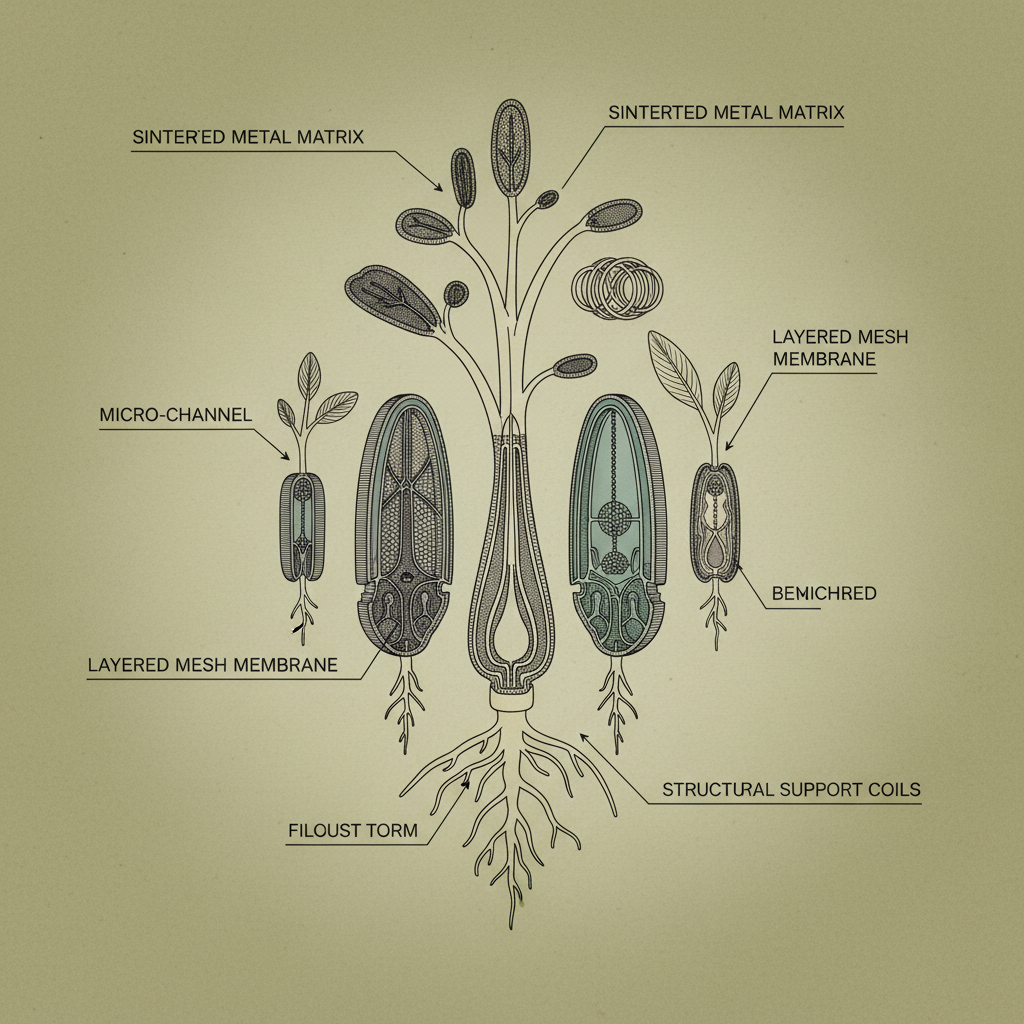
Strangely, everyone's obsessed with integrating sensors into everything. Smart filters, smart flow regulators… it's a bit much, honestly. I encountered this at a semiconductor factory last time – they wanted a sensor inside the filter housing. Nightmare. Tried to explain the potential for contamination, but they were convinced it was essential. Later… forget it, I won’t mention it. The biggest pitfall? Over-engineering. Keep it simple, reliable. Metal porous filters are fundamentally about filtration, not data analytics.
Another thing: people drastically underestimate the importance of cleaning. These filters get clogged, obviously, but the way they clog matters. It's not always a uniform buildup. Sometimes you get localized blockages, and that’s where things really go south.
That really depends on the chemicals involved and the operating conditions, but generally, you’re looking at anywhere from 6 months to 2 years. It's not necessarily a complete failure, but a gradual reduction in flow rate and filtration efficiency. Regular backflushing can extend the lifespan significantly. We always recommend having a preventative maintenance schedule in place.
Backflushing is the most common method. Simply reversing the flow of fluid through the filter to dislodge any trapped particles. For stubborn contaminants, you might need to use a mild detergent or solvent. Avoid abrasive cleaners, as they can damage the filter media. And always check the compatibility of the cleaning agent with the filter material. You don't want to cause corrosion!
Absolutely, that's one of their key advantages! Stainless steel and nickel alloys can withstand temperatures up to several hundred degrees Celsius. However, the specific temperature limit depends on the alloy and the pressure. We have filters rated for up to 600°C in some cases. Just make sure to check the specifications before using them in a high-temperature environment.
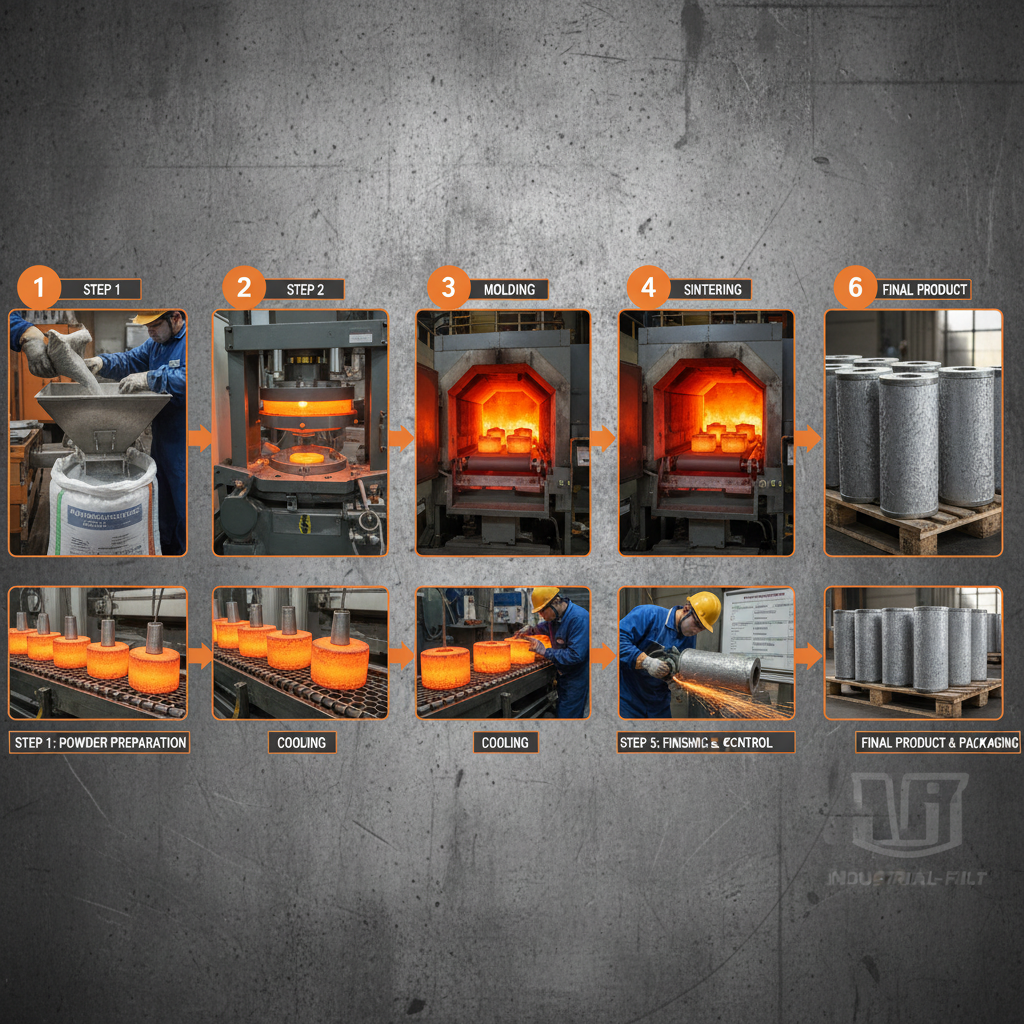
Sintering involves bonding metal particles together using heat and pressure. It creates a highly porous structure with interconnected pores. Weaving, on the other hand, uses a mesh of metal wires. Sintered filters generally have a more uniform pore size distribution, while woven filters are more robust and can withstand higher pressures. The best method depends on the specific application.
Definitely. We routinely manufacture filters with custom pore sizes, ranging from a few microns down to sub-micron levels. The minimum pore size depends on the material and manufacturing process. We’ll work with you to determine the optimal pore size for your specific filtration needs. Provide us with your particle size distribution, and we’ll take it from there.
Clogging is the most common, naturally. But you also see corrosion, especially in harsh environments. Physical damage – dents, cracks – can also occur. And sometimes, the filter media itself can degrade over time, especially if it’s exposed to high temperatures or aggressive chemicals. Regular inspections and preventative maintenance are key to preventing failures.
Ultimately, metal porous filters are a pretty straightforward technology. They're about getting fluids clean, and they’ve been doing that reliably for decades. But the details matter. Material selection, manufacturing process, and proper maintenance are all crucial. It’s not always glamorous work, but it’s important.
And at the end of the day, whether this thing works or not, the worker will know the moment he tightens the screw. If it leaks, if it clogs up after a day, if the material feels cheap… he’ll know. That’s why we spend so much time on the shop floor, talking to the guys who actually use this stuff. Their feedback is invaluable. Visit our website at www.chinaporousfilters.com to explore our offerings and get a quote.