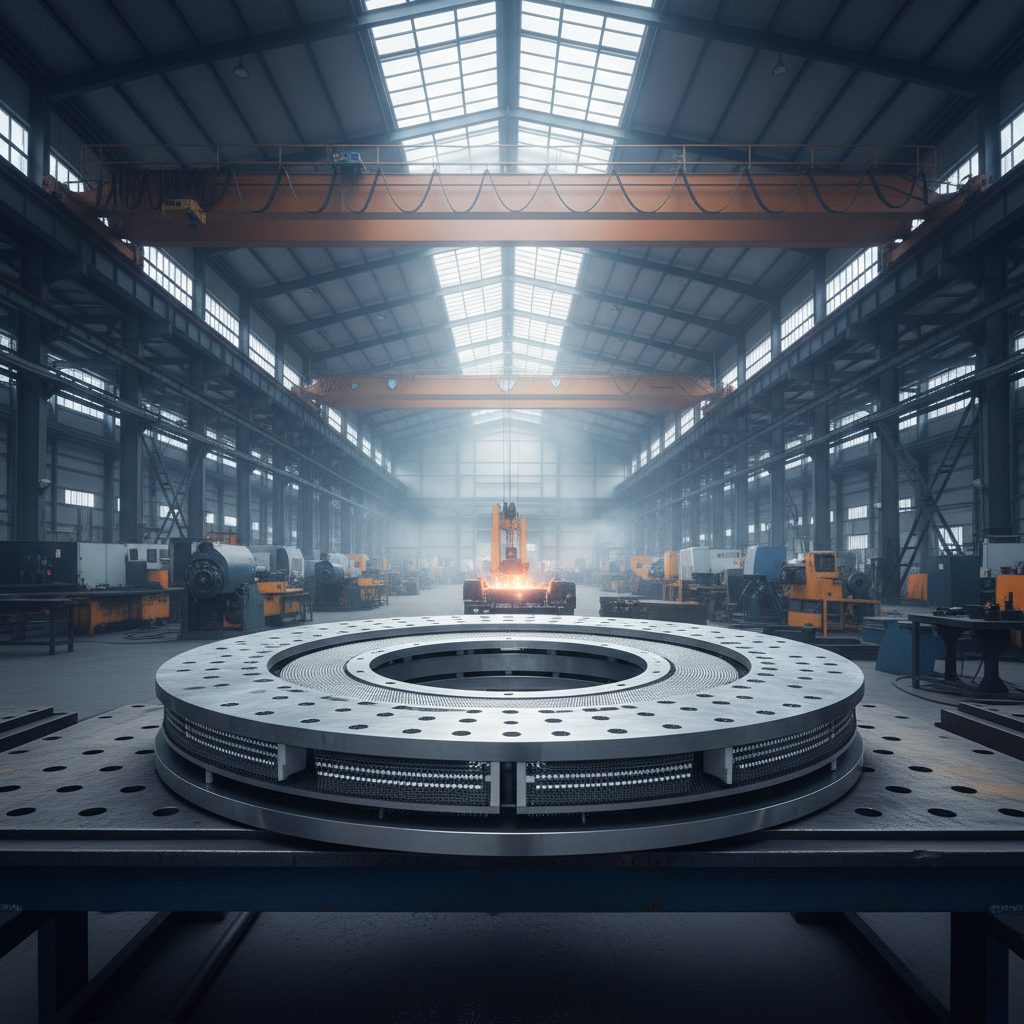
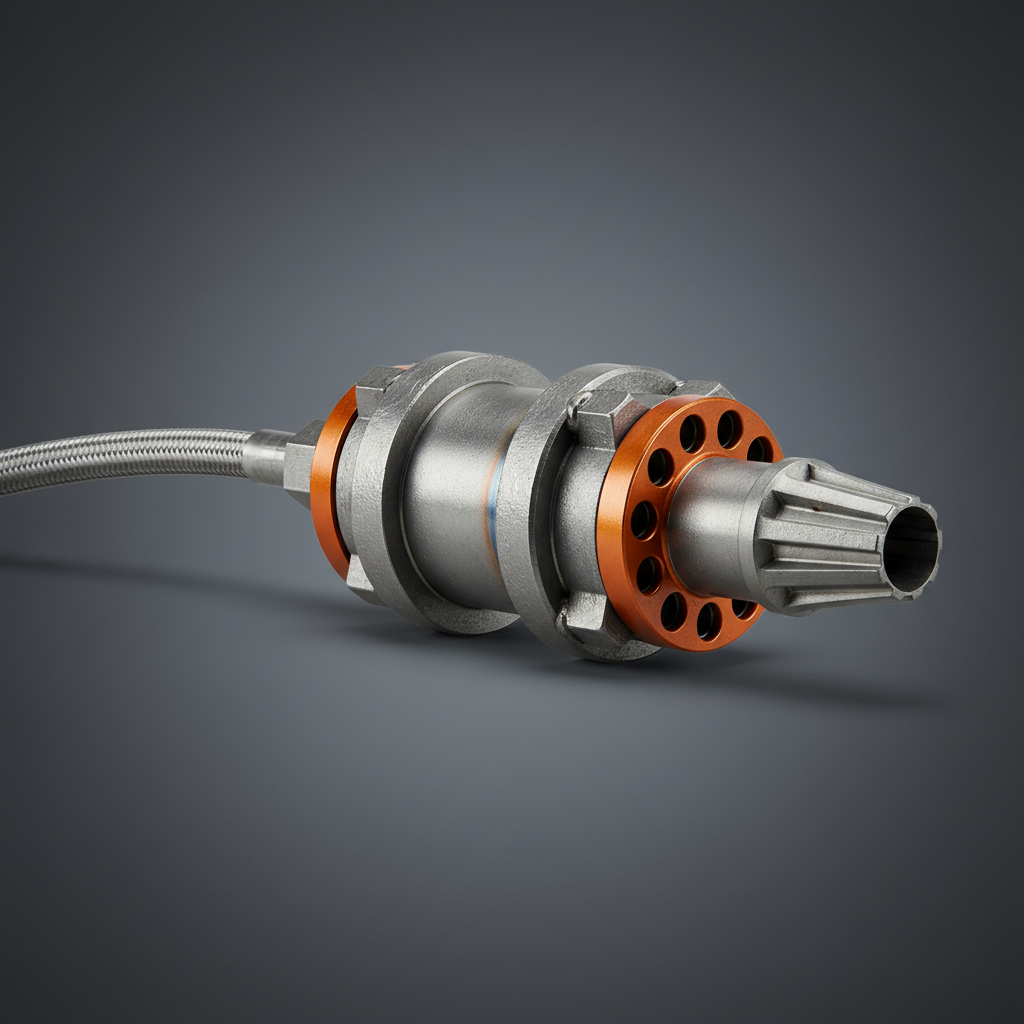
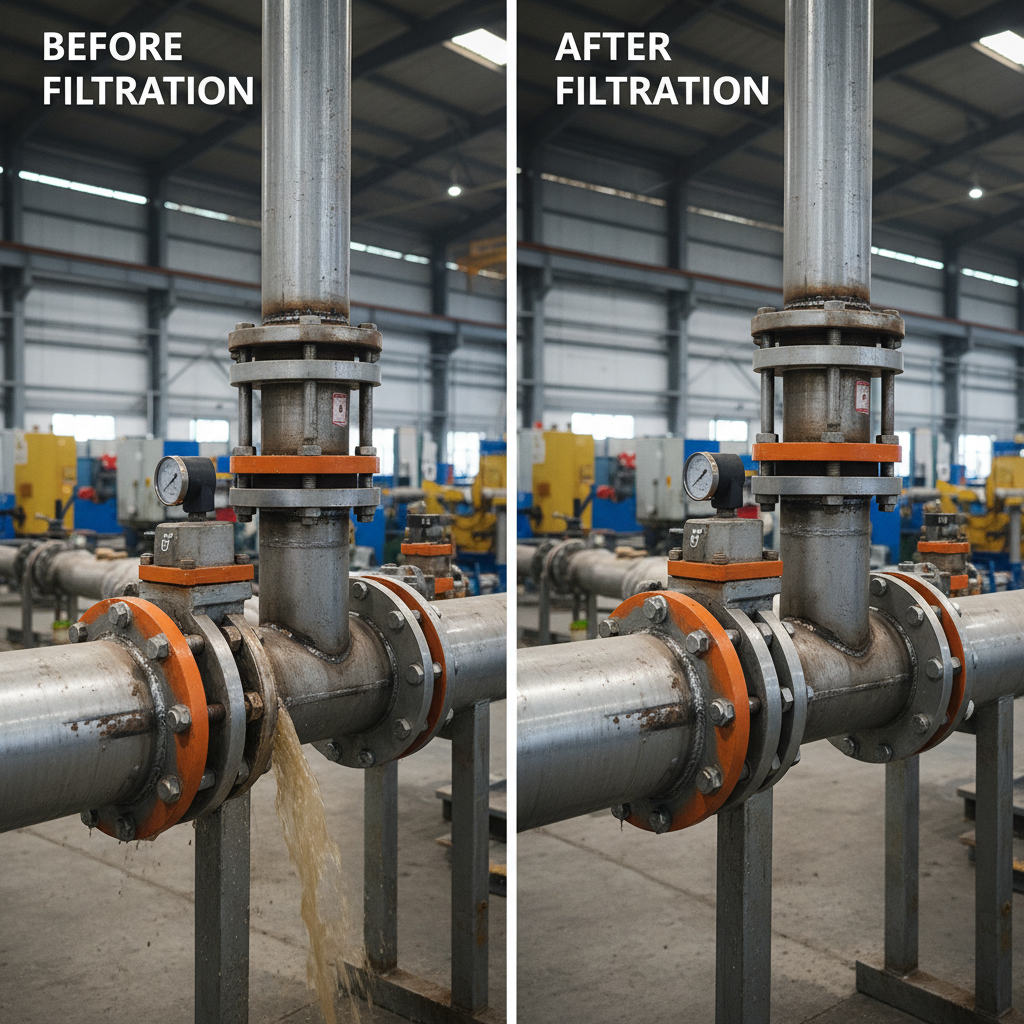
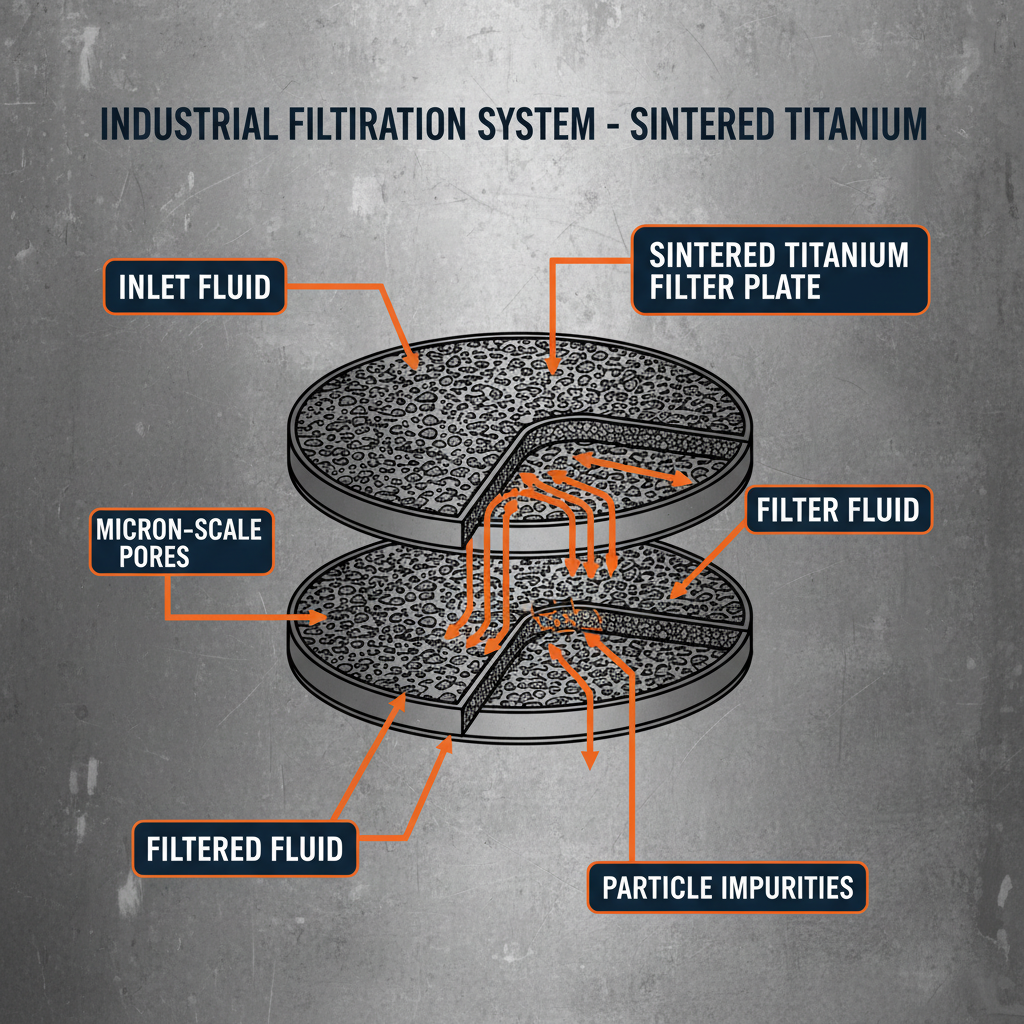
Metal filter discs are critical components in a vast array of industrial and environmental applications, offering precise filtration and separation solutions. Their importance stems from the growing demand for efficient and reliable filtering technologies across sectors like pharmaceuticals, food and beverage, water treatment, and chemical processing. Understanding their properties and applications is crucial for engineers, scientists, and procurement professionals alike, enabling informed decisions and optimized system performance.
Globally, the market for filtration technologies is experiencing substantial growth, driven by increasingly stringent regulations regarding water quality, air purity, and product safety. Metal filter disc technology represents a significant segment of this market, providing durable and highly customizable solutions for complex filtration challenges. The increasing focus on sustainability and resource conservation further amplifies the demand for efficient filtration systems, where metal filter discs play a key role.
The versatility of metal filter discs, coupled with their ability to withstand harsh operating conditions, makes them indispensable in numerous critical processes. From ensuring the purity of drinking water to optimizing chemical reactions, these components contribute significantly to global health, industrial efficiency, and environmental protection. Their adaptability and long-term reliability position them as a cornerstone of modern filtration practices.
The Core Principles of metal filter disc
At the heart of metal filter disc technology lies the principle of physical separation based on pore size. These discs are meticulously engineered with precisely controlled apertures, allowing fluids to pass through while retaining particulate matter. The choice of metal alloy and the manufacturing process are crucial in determining the disc’s porosity, permeability, and overall performance characteristics.
Different manufacturing techniques – such as etching, electroforming, and laser drilling – result in metal filter discs with unique pore structures and properties. The selection of the appropriate method depends on the specific application requirements, including the size and type of particles to be filtered, the fluid viscosity, and the operating pressure. metal filter disc are a cornerstone of precision filtration.
The Global Significance of metal filter disc
The demand for metal filter discs is intrinsically linked to global industrial growth and the increasing focus on environmental sustainability. Countries with rapidly expanding manufacturing sectors, such as China, India, and Brazil, represent significant markets for these products. Furthermore, regions facing water scarcity and pollution challenges are investing heavily in advanced filtration technologies, driving the adoption of metal filter discs in water treatment plants.
According to a report by the UN, billions of people lack access to clean drinking water, creating a massive need for effective water purification solutions. Metal filter discs are integral to reverse osmosis systems, membrane filtration units, and other water treatment processes, contributing directly to public health and sanitation. The ISO standards related to water quality and industrial filtration further emphasize the importance of reliable and certified filtration components like metal filter discs.
The global chemical and pharmaceutical industries also heavily rely on metal filter discs for product purification, catalyst recovery, and process optimization. Strict regulatory requirements in these sectors necessitate high-purity filtration solutions, further driving the demand for high-quality metal filter discs. The growing awareness of the environmental impact of industrial processes is also pushing companies to adopt more sustainable filtration practices, favoring durable and reusable metal filter discs over disposable alternatives.
Defining metal filter disc
A metal filter disc is a precision-engineered component crafted from a metallic material, characterized by a multitude of small, precisely sized pores. These pores act as a barrier, allowing fluids to pass through while effectively capturing and retaining solid particles, contaminants, or unwanted materials. The material, pore size, and thickness of the disc are customized to meet specific filtration requirements.
Unlike traditional filter media like paper or fabric, metal filter discs offer superior durability, resistance to high temperatures and pressures, and compatibility with a wide range of corrosive fluids. Their inherent strength and ability to withstand repeated cleaning and sterilization make them ideal for demanding industrial applications, and for applications where product purity is critical. They frequently serve as a vital component in humanitarian efforts.
The connection to modern industry and humanitarian needs lies in the ability of metal filter discs to provide reliable and efficient separation processes. From purifying water in developing countries to ensuring the quality of pharmaceuticals and food products globally, they are essential for maintaining public health, improving industrial processes, and safeguarding the environment. metal filter disc play a crucial role in these applications.
Key Characteristics of metal filter disc
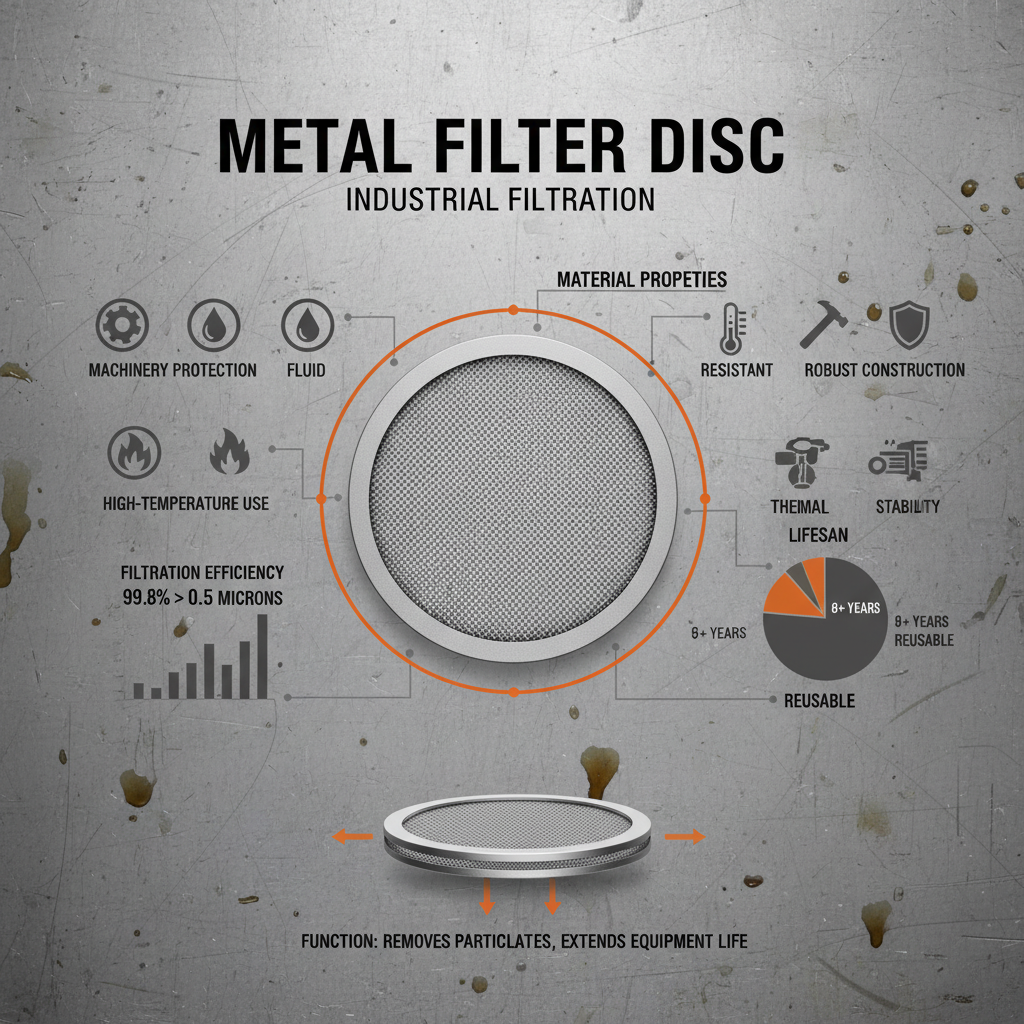
The effectiveness of metal filter discs hinges on several key characteristics. Durability is paramount; constructed from materials like stainless steel, titanium, and nickel alloys, they withstand harsh conditions and repeated use. Precision in pore size control is essential for achieving specific filtration requirements, ensuring consistent and reliable performance.
Chemical Resistance is another critical factor, allowing the discs to operate effectively in corrosive environments without degradation. Thermal Stability ensures that the discs maintain their structural integrity and filtration efficiency at elevated temperatures.
Metal Filter Disc Performance Metrics
Applications of metal filter disc Worldwide
Metal filter discs are employed in a diverse range of applications across various industries. In the pharmaceutical sector, they are used for sterilizing liquids, clarifying APIs (Active Pharmaceutical Ingredients), and removing particulate matter from intravenous solutions. In the food and beverage industry, they play a crucial role in clarifying beer, wine, and fruit juices, ensuring product clarity and quality.
Water treatment facilities utilize metal filter discs for pre-filtration, reverse osmosis systems, and the removal of sediment and contaminants. The chemical processing industry employs them for catalyst recovery, solvent purification, and the separation of immiscible liquids. In post-disaster relief operations, portable water purification systems incorporating metal filter discs provide access to safe drinking water in emergency situations. In remote industrial zones, they offer a reliable filtration solution where maintenance and replacement parts are scarce.
The Advantages and Enduring Value of metal filter disc
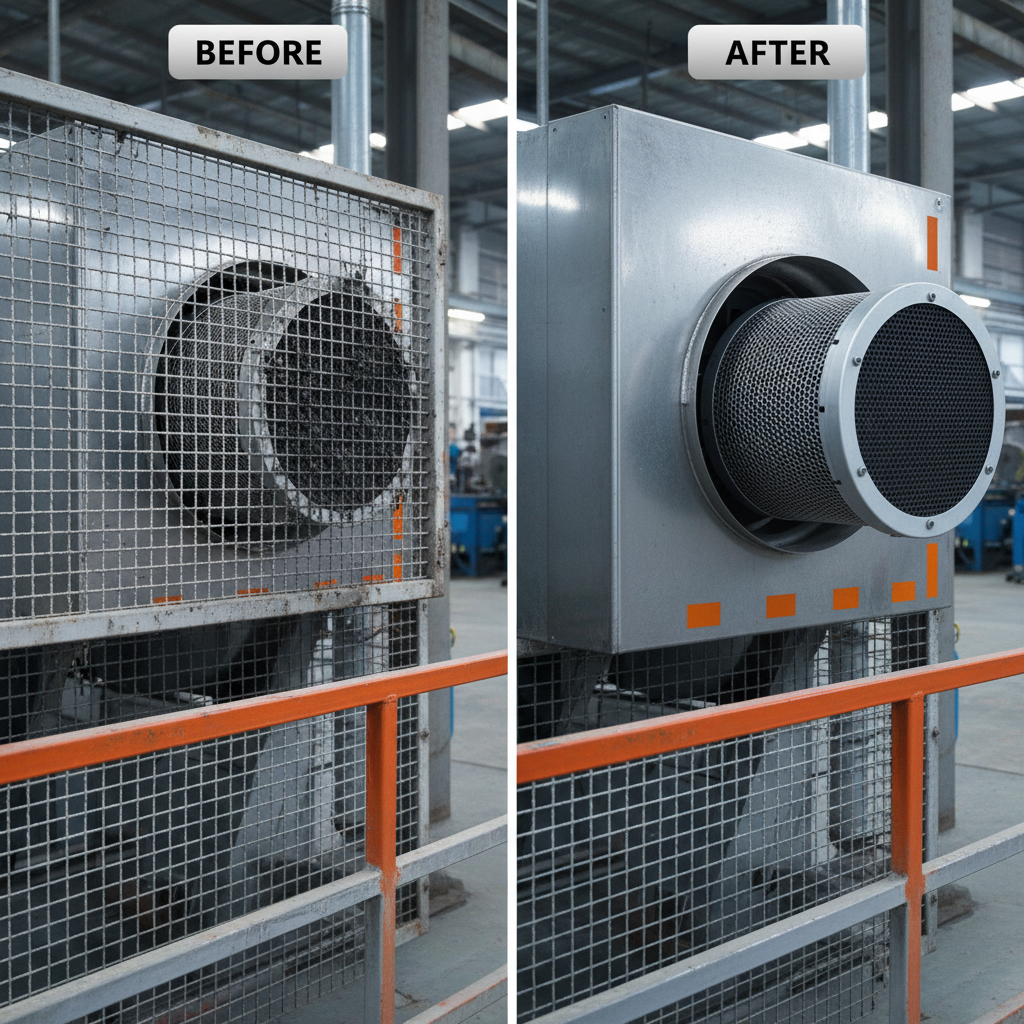
The tangible benefits of employing metal filter discs are significant. Their longevity translates to lower lifecycle costs compared to disposable alternatives. Their reusability supports sustainability initiatives and reduces waste generation. Their high flow rates enhance process efficiency, boosting productivity. The reliability of metal filter disc ensures consistent product quality and minimizes downtime.
Beyond the economic advantages, metal filter discs offer peace of mind. Knowing that your processes are protected by a robust and reliable filtration system fosters trust among stakeholders. The ability to consistently deliver high-quality products and safeguard public health enhances brand reputation. Metal filter discs represent an investment in innovation, safety, and long-term sustainability.
Future Trends in metal filter disc Technology
The future of metal filter disc technology is poised for innovation. Advancements in materials science are leading to the development of new alloys with enhanced corrosion resistance and filtration performance. Microfabrication techniques are enabling the creation of metal filter discs with increasingly smaller pore sizes and more complex geometries.
The integration of digital technologies, such as sensors and data analytics, will allow for real-time monitoring of filter performance and predictive maintenance. Furthermore, the growing focus on sustainability will drive the development of eco-friendly manufacturing processes and the use of recycled materials in metal filter disc production. Automation will improve consistency and speed in the production process.
Summary of Key Trends Influencing Metal Filter Disc Development
| Trend Category |
Description |
Impact on Metal Filter Disc |
Projected Timeline |
| Materials Science |
Development of new alloys with improved properties. |
Enhanced corrosion resistance, increased flow rates, and improved filtration efficiency. |
2-5 years |
| Microfabrication |
Precise manufacturing of increasingly smaller pore sizes. |
Expanded applications in specialized filtration processes. |
3-7 years |
| Digital Integration |
Use of sensors and data analytics for performance monitoring. |
Predictive maintenance, optimized filtration processes, and improved efficiency. |
1-3 years |
| Sustainable Manufacturing |
Use of eco-friendly processes and recycled materials. |
Reduced environmental impact and improved corporate social responsibility. |
Ongoing |
| Automation |
Automated production lines and quality control. |
Reduced production costs, increased consistency, and faster turnaround times. |
2-5 years |
| Nanotechnology |
Incorporation of nanomaterials to enhance filtration properties. |
Enhanced selectivity and removal of even smaller contaminants. |
5-10 years |
FAQS
Metal filter discs are commonly manufactured from stainless steel (304, 316L), titanium, nickel alloys (Hastelloy, Inconel), and occasionally other specialized metals. The choice of material depends on the specific application’s requirements for corrosion resistance, temperature tolerance, and compatibility with the fluid being filtered. Stainless steel is a popular choice due to its balance of cost-effectiveness and performance. Titanium offers superior corrosion resistance but comes at a higher cost.
Determining the optimal pore size involves understanding the size of the particles you need to remove from the fluid. It’s crucial to consider both the average particle size and the distribution. Generally, the pore size should be slightly smaller than the smallest particle you want to retain. Consulting with a filtration specialist can help you select the most suitable pore size based on your specific application and fluid characteristics.
Yes, many metal filter discs are designed for repeated cleaning and reuse. Cleaning methods vary depending on the type of contamination and the material of the disc. Backflushing, ultrasonic cleaning, and chemical cleaning are common techniques. However, aggressive cleaning methods can potentially damage the pores, so it's important to follow the manufacturer's recommendations. Reusability is a key advantage contributing to long-term cost savings.
The lifespan of a metal filter disc depends heavily on the application, the frequency of cleaning, and the type of fluid being filtered. With proper maintenance, a metal filter disc can last for several years, even decades, in less demanding applications. However, in harsh environments or with highly abrasive fluids, the lifespan may be shorter. Regular inspection for wear and tear is crucial.
Metal filter discs offer several advantages over conventional filters. They boast superior durability, resistance to high temperatures and pressures, and excellent chemical compatibility. They are also reusable, reducing waste and long-term costs. Their precise pore sizes and consistent performance make them ideal for critical applications where product purity and reliability are paramount.
Metal filter discs find widespread use in diverse industries. Pharmaceuticals rely on them for sterilization and purification. The food and beverage industry uses them for clarifying liquids. Chemical processing utilizes them for catalyst recovery. Water treatment facilities employ them for pre-filtration and reverse osmosis. Aerospace and automotive industries also have specialized applications for high-performance filtration.
Conclusion
Metal filter discs represent a cornerstone of modern filtration technology, providing reliable, durable, and highly customizable solutions for a broad spectrum of industrial and environmental applications. Their ability to deliver consistent performance under demanding conditions, coupled with their reusability and long lifespan, translates to significant economic and sustainability benefits. Understanding the principles behind their design, the key characteristics that define their effectiveness, and the emerging trends shaping their future is essential for professionals across numerous sectors.
As technology continues to advance, and the demand for clean and purified substances grows, metal filter discs will undoubtedly play an increasingly crucial role. Investing in innovative materials, advanced manufacturing techniques, and digital integration will unlock even greater potential, enabling these components to address the evolving challenges of a rapidly changing world. Visit our website at www.chinaporousfilters.com to learn more.