You know, the whole industry’s going crazy for these plastic porous filters. Seems like everyone’s looking for lighter, more durable options. To be honest, I’ve seen a lot of hype come and go, but this one… it actually feels different. It's not just about replacing metal, it’s about rethinking the whole system. Been spending a lot of time on-site lately, watching how these things perform in the real world, and it’s not always what the engineers predict.
I’ll tell you what, though. One thing I've noticed? Everyone thinks they can just swap out a metal filter for a plastic one, same size, same everything. That's where things get messy. Have you noticed how different plastics react to different chemicals? A slight change in the fluid, and suddenly your “durable” filter is…well, not so durable. It’s the little things.
And the materials… don't even get me started. Polypropylene, PVDF, PEEK… each one has its quirks. Polypropylene, that's your workhorse, cheap, gets the job done, smells faintly of, well, plastic. PVDF is a bit more refined, smoother feel, resistant to a wider range of acids, but it’s more expensive, and the guys on-site always complain about it being a little slick. PEEK… now that’s a premium material. Feels almost ceramic, super strong, but pricey. Handling it, it’s surprisingly lightweight, but you gotta be careful, it scratches easy.
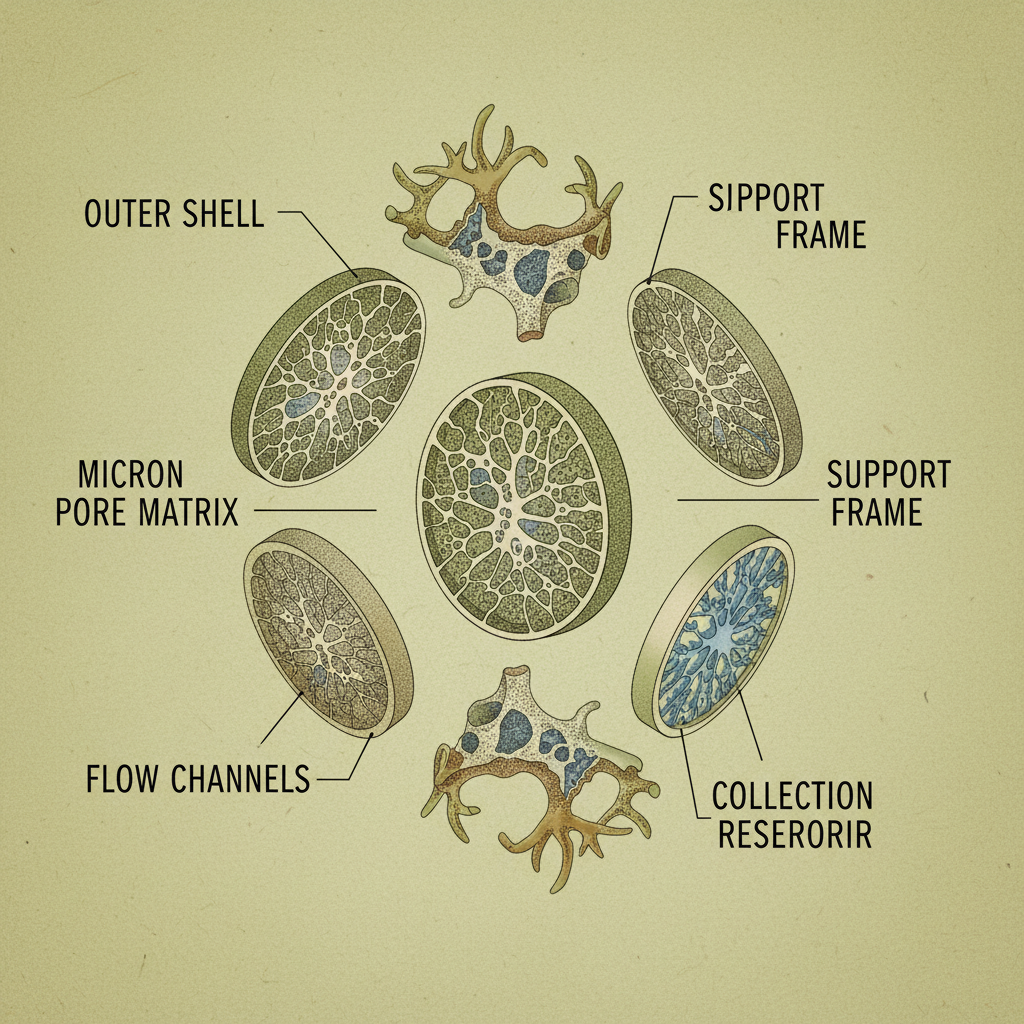
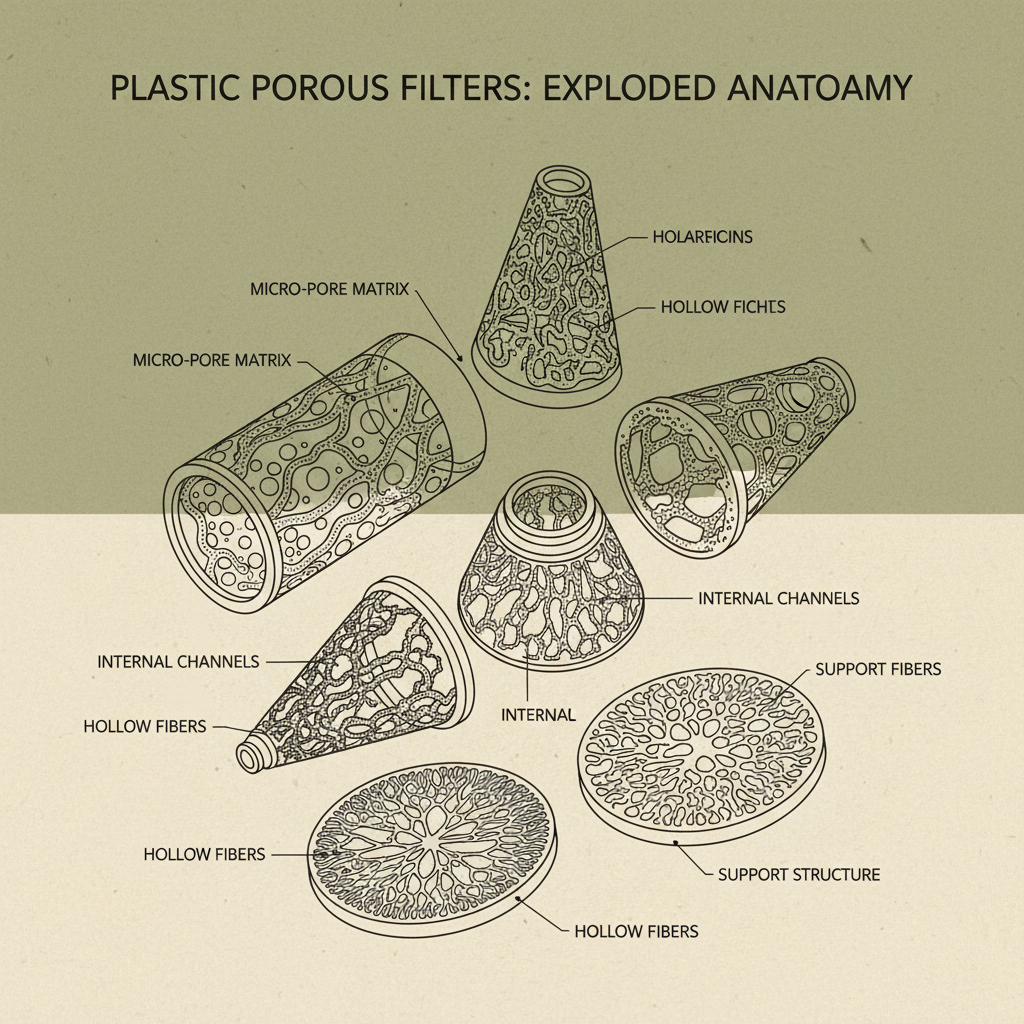
The demand is insane, honestly. Everything from wastewater treatment to food and beverage is looking at plastic porous filters. It’s not just cost – though that’s a big part of it – it’s weight, corrosion resistance, and design flexibility. It allows for much more complex geometries than traditional metal filters. Strangely, a lot of the initial push came from the aerospace industry. They needed lightweight, high-performance filtration, and plastic fit the bill. Now that technology is trickling down to more mainstream applications.
And it's growing fast. According to some reports I read – I forget where, honestly – the market for plastic porous filters is expected to grow by almost 8% annually over the next five years. That’s huge. It’s driven by stricter environmental regulations and a move towards sustainable manufacturing.
When selecting a material, you need to think about chemical compatibility, temperature range, pressure requirements, and cost. Polypropylene is a good all-rounder, but if you’re dealing with harsh chemicals, PVDF or PEEK might be better choices. Don't forget UV resistance if the filter will be exposed to sunlight. It's a balancing act of performance and budget. Really, it is.
Metal filters generally last longer in terms of sheer structural integrity, but they're susceptible to corrosion. Plastic filters, depending on the material, can hold up surprisingly well to corrosive environments. However, they can be prone to creep and fatigue over time, especially under high stress. It depends heavily on the specific application and material, but a well-chosen plastic filter can have a comparable lifespan.
It depends on the application and the type of contamination. Some plastic filters can be backwashed or chemically cleaned and reused multiple times. Others, especially those used in critical applications, are designed for single use. You really need to check the manufacturer's guidelines. Trying to reuse a filter that's meant to be disposable can compromise its performance and potentially damage your system.
Lead times vary significantly depending on the complexity of the design, the material chosen, and the manufacturer's workload. A simple modification to an existing design might take a couple of weeks, while a completely custom filter could take 6-8 weeks or longer. That Shenzhen guy, Mr. Li, learned that the hard way! Material sourcing is often the biggest bottleneck.
Generally, plastic filters are fairly safe to handle, but it's always a good idea to wear gloves and eye protection. Some materials can release static electricity, so be mindful of that, especially in flammable environments. And always follow the manufacturer's safety data sheet (SDS) for specific recommendations.
Pore size is critical. It depends on the size of the particles you need to remove. You'll need to analyze your fluid stream and determine the particle size distribution. There are charts and calculators available online, but it’s best to consult with a filtration specialist to ensure you choose the right pore size. Undersizing will restrict flow, and oversizing won’t remove the contaminants.
So, plastic porous filters. They’re not a magic bullet, but they’re a game-changer in a lot of industries. They’re lighter, more durable in certain applications, and offer greater design flexibility than traditional metal filters. But you have to understand the materials, the limitations, and the real-world conditions. It’s not just about picking a plastic filter off the shelf; it's about engineering a solution.
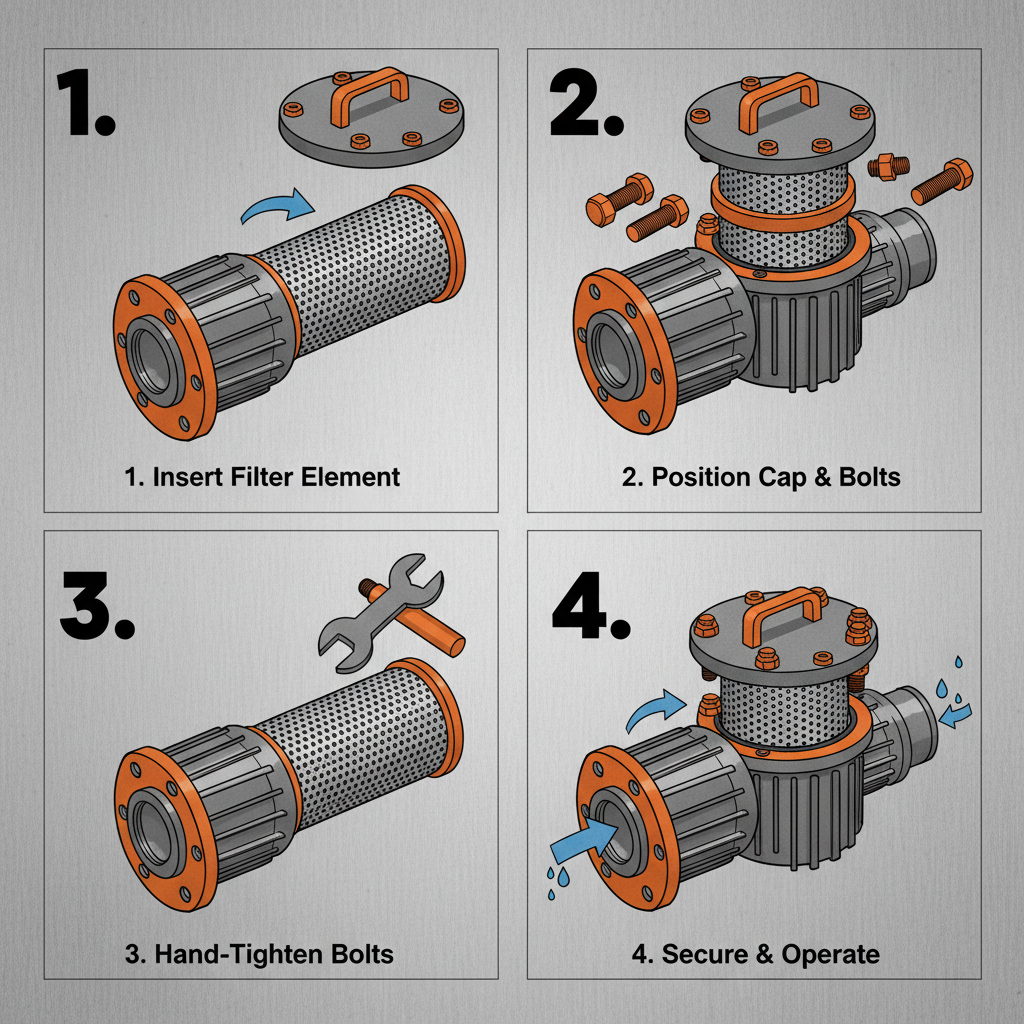
Ultimately, whether this thing works or not, the worker will know the moment he tightens the screw. You can run all the tests you want in the lab, but the proof is in the pudding. And honestly, if the guy on the shop floor is cursing your filter, you’ve got a problem. That’s all there is to it.