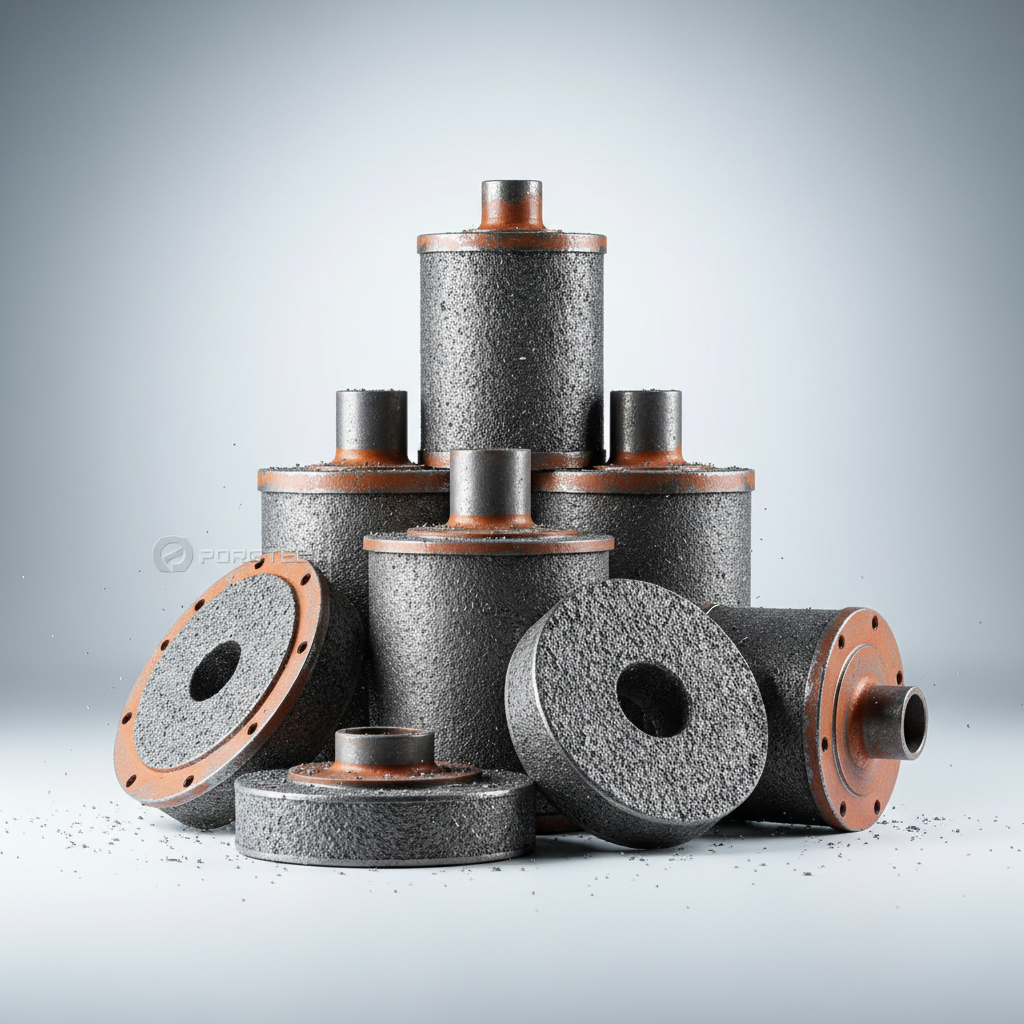
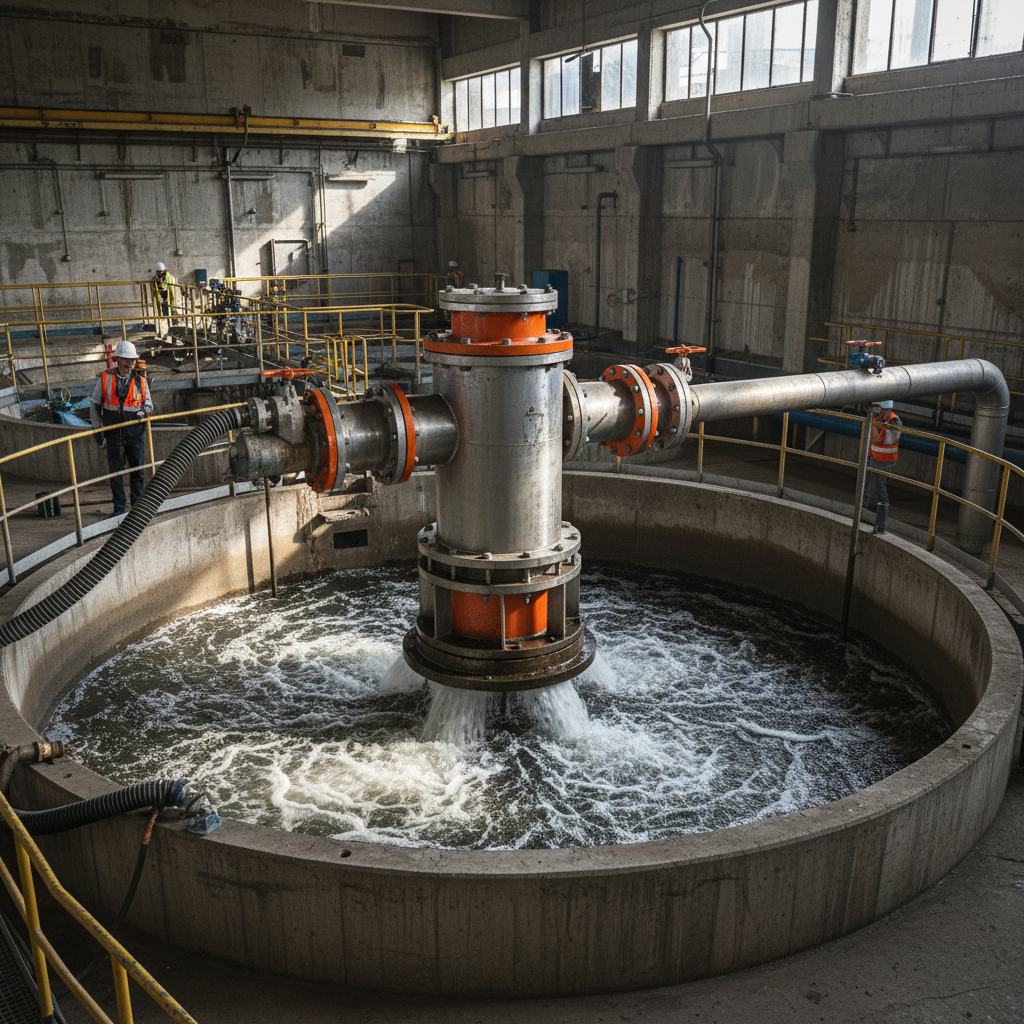
In the demanding landscape of modern industrial filtration, the stainless steel filter disc stands as a cornerstone of precision engineering. These components are meticulously designed to provide exceptional separation efficiency while withstanding the harshest chemical and thermal environments, making them indispensable for sectors ranging from pharmaceutical synthesis to petrochemical refining.
The global shift toward sustainable manufacturing and stringent environmental regulations has heightened the demand for filtration solutions that offer both longevity and reliability. By utilizing high-grade alloys, the stainless steel filter disc ensures that particulate contamination is minimized, thereby protecting downstream equipment and enhancing the purity of the final product.
Understanding the technical nuances of these discs—from micron ratings to sintering methods—allows engineers to optimize their processes for maximum throughput and minimum downtime. As industries evolve, the integration of these durable components becomes a strategic advantage in maintaining operational excellence and compliance with international safety standards.
Global Relevance of Stainless Steel Filter Disc
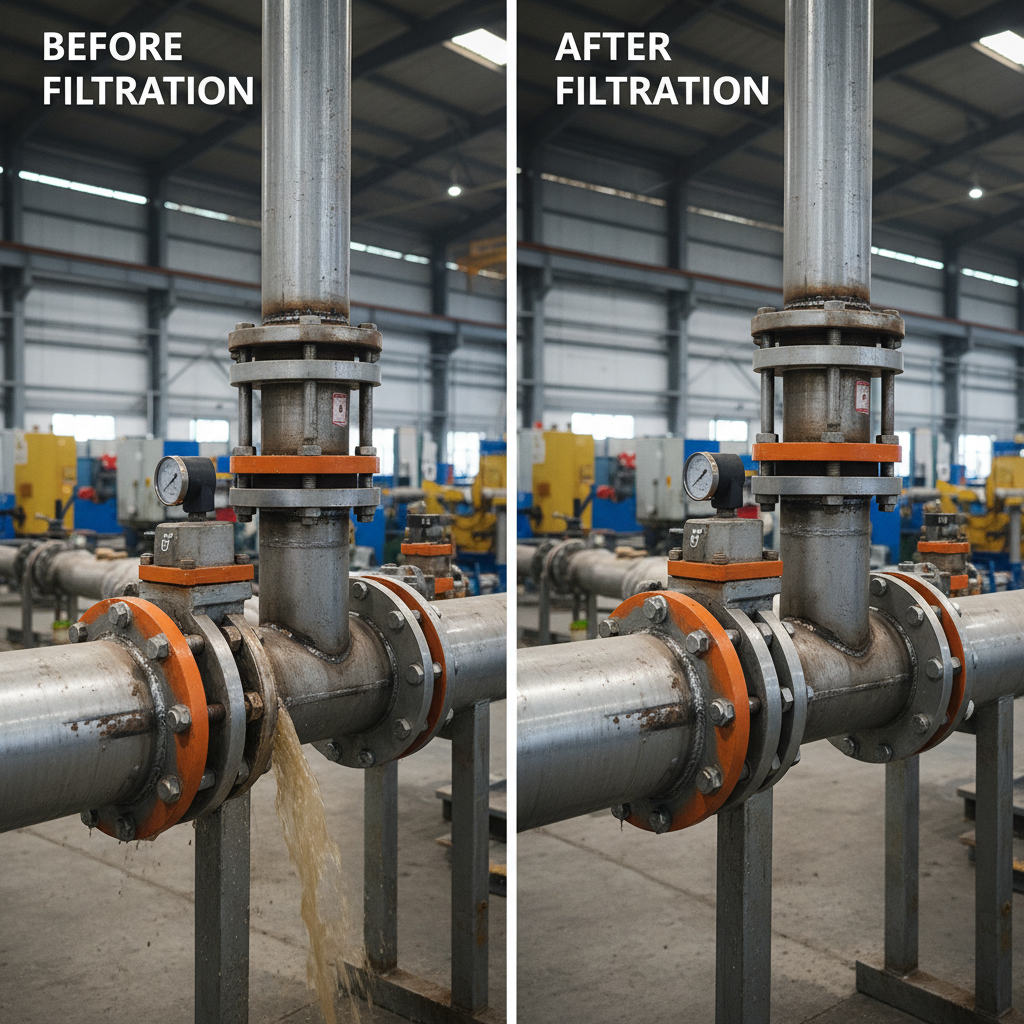
Across the globe, the industrial reliance on a high-performance stainless steel filter disc is driven by the necessity for absolute purity in fluid dynamics. According to ISO standards for filtration, the ability to consistently remove micron-sized contaminants is critical in preventing catastrophic equipment failure in high-pressure systems. In regions like Europe and North America, where environmental laws are rigorous, these discs are essential for reducing hazardous waste by enabling the recovery of catalysts and precious metals.
The primary challenge facing today's manufacturers is the "trade-off" between flow rate and filtration precision. Traditional polymer filters often fail under high temperatures or corrosive chemical exposure, leading to frequent replacements and increased operational costs. The stainless steel filter disc solves this by offering a rigid, chemically inert structure that maintains its geometric integrity even under extreme thermal cycling, ensuring that global supply chains for medical and chemical products remain uninterrupted.
Defining the Stainless Steel Filter Disc
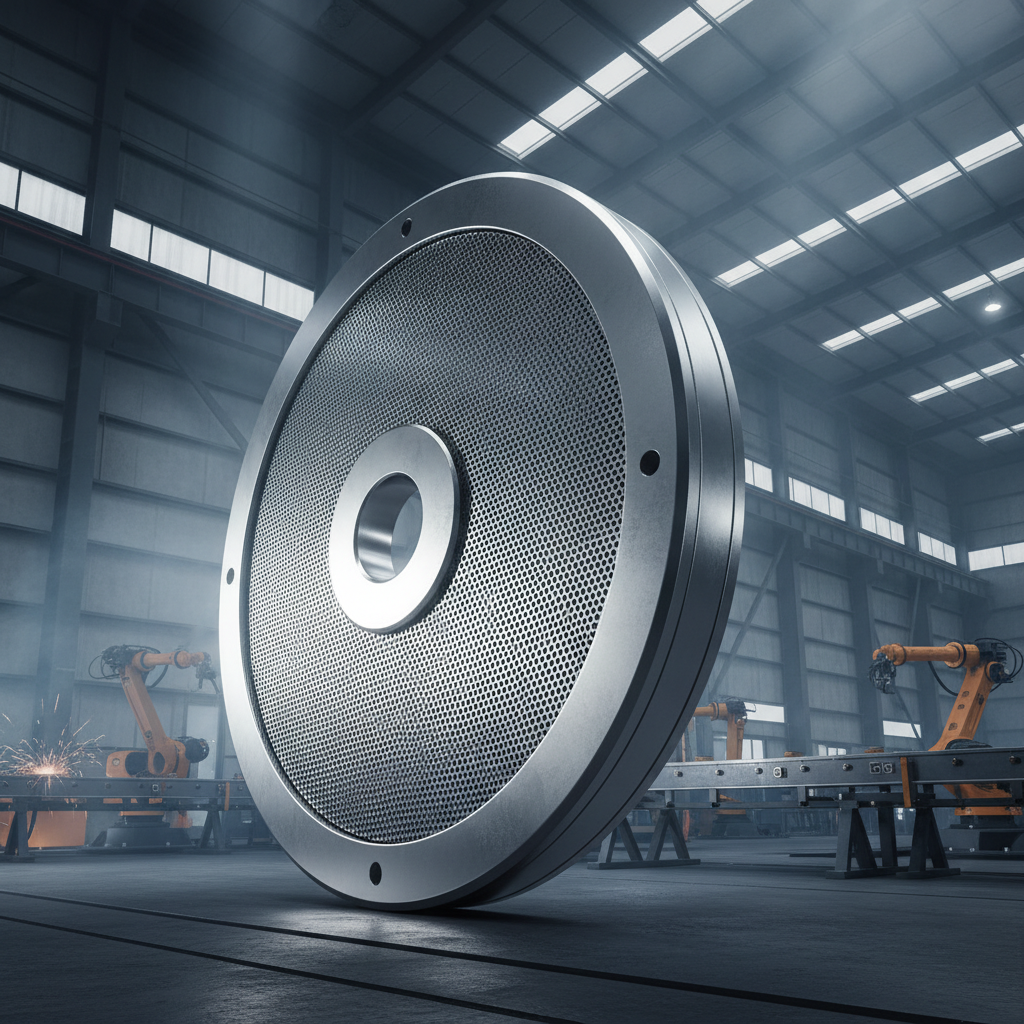
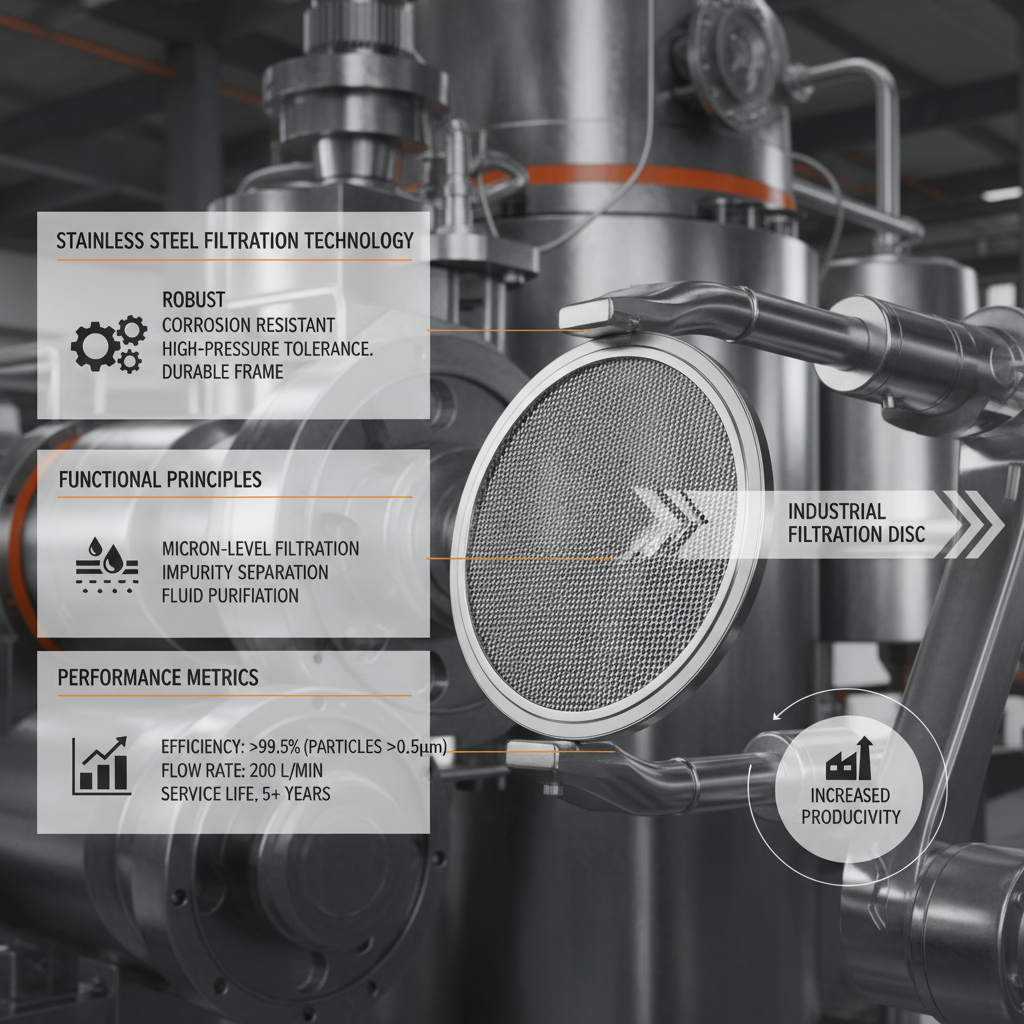
In simple terms, a stainless steel filter disc is a precision-engineered circular component made from sintered metal powder or woven mesh, designed to allow liquids or gases to pass through while trapping solid particles. Unlike disposable filters, these discs are often designed for repeated use, utilizing the inherent strength of chromium-nickel alloys to provide a permanent barrier against contamination.
The connection between these components and modern humanitarian needs is more profound than it first appears. For instance, in the production of sterile pharmaceuticals and vaccines, the absolute removal of metallic or organic impurities is a non-negotiable safety requirement. These filter discs ensure that life-saving medications are free from contaminants, directly impacting public health outcomes on a global scale.
Furthermore, in the context of environmental protection, these discs are used in wastewater treatment and emission control systems. By capturing heavy metals and fine pollutants before they enter the ecosystem, the stainless steel filter disc acts as a critical line of defense in the fight against industrial pollution, aligning commercial productivity with ecological stewardship.
Core Technical Factors of Filtration Performance
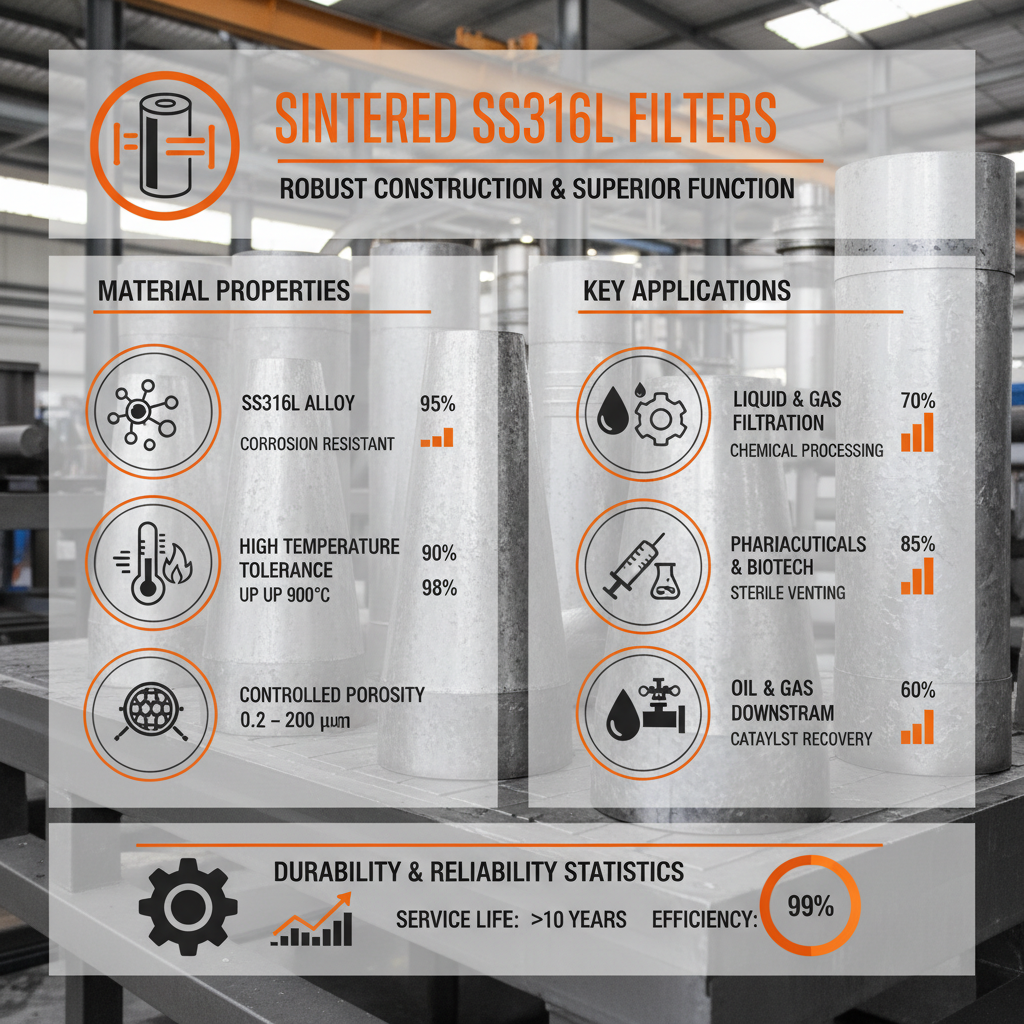
Durability is the foremost attribute of a stainless steel filter disc. The use of 316L or 304 stainless steel provides an exceptional resistance to oxidation and corrosion. This means that in acidic or alkaline environments, the filter does not degrade, preventing the risk of "leak-through" where filter fragments might contaminate the filtrate.
Precision Porosity is what allows the stainless steel filter disc to be customized for specific industry needs. Through advanced sintering processes, manufacturers can control the pore size down to a few microns. This scalability ensures that whether a plant is filtering coarse sediment or microscopic bacteria, the same base material can be tuned to provide the exact level of separation required.
Cost Efficiency over the long term is achieved through the "clean-in-place" (CIP) capability. Because the stainless steel filter disc is mechanically robust, it can be cleaned using high-pressure back-pulsing or chemical soaking without losing its structural integrity. This drastically reduces the consumption of disposable filter cartridges, lowering both the procurement budget and the volume of industrial waste.
Comparative Analysis of Sintering Methods
The performance of a stainless steel filter disc is largely determined by how the metal is bonded. Powder sintering creates a tortuous path that is ideal for depth filtration, whereas mesh sintering provides a more linear flow with lower pressure drops. Choosing the right method depends on whether the goal is absolute particle retention or high-volume throughput.
Engineers must evaluate the mechanical load the disc will face. Sintered powder discs generally offer higher compressive strength, making them suitable for high-pressure hydraulic systems, while woven discs offer superior flexibility for applications where the filter may need to be slightly contoured or fitted into complex housings.
Efficiency Ratings of Stainless Steel Filter Disc Variants
Global Applications and Industrial Use Cases
In the aerospace industry, the stainless steel filter disc is critical for fuel filtration. Given the extreme temperature swings and the necessity for zero-defect fuel purity, these discs prevent microscopic debris from clogging fuel injectors, which is vital for flight safety. Similarly, in the food and beverage sector, they are used to filter syrups and oils, ensuring a sterile process that meets FDA standards without leaching chemicals into the product.
Beyond high-tech hubs, these components are vital in remote industrial zones, such as mining operations in Australia or oil rigs in the North Sea. In these environments, the ability to utilize a durable, washable filter reduces the logistics burden of transporting thousands of disposable filters to remote sites, thereby increasing operational autonomy and reducing the carbon footprint associated with frequent shipping.
Long-Term Value and Sustainability Benefits
The long-term value of investing in a stainless steel filter disc extends far beyond the initial purchase price. By replacing disposable plastic or paper filters with a permanent metal solution, companies realize a significant reduction in "Total Cost of Ownership" (TCO). The logical appeal is clear: lower replacement frequency leads to lower labor costs and less unplanned downtime.
From a sustainability perspective, these filter discs contribute to a circular economy. Stainless steel is 100% recyclable, and the extended lifecycle of a sintered disc means fewer materials end up in landfills. This aligns with global ESG (Environmental, Social, and Governance) goals, allowing corporations to report a tangible reduction in their industrial waste streams.
Emotionally, the reliability of these components builds trust between manufacturers and their end-users. Knowing that a critical filtration stage is backed by the strength of stainless steel provides peace of mind to plant managers and safety officers, ensuring that the integrity of the process—and the safety of the operators—is never compromised.
Future Innovations in Porous Metal Technology
The future of the stainless steel filter disc is being shaped by additive manufacturing (3D printing). By using laser sintering, engineers can now create complex, non-linear pore structures that maximize surface area while minimizing pressure drop. This allows for "smart filters" that can target specific particle shapes or sizes with unprecedented precision.
Furthermore, the integration of nanotechnology is leading to the development of hybrid discs. By coating a stainless steel base with nano-catalysts, the filter disc no longer just removes particles—it can actually treat the fluid as it passes through, neutralizing toxins or breaking down organic pollutants in real-time. This merges filtration and chemical processing into a single, efficient step.
As automation and Industry 4.0 expand, we expect to see "intelligent" filter housings equipped with sensors that monitor the pressure differential across the disc. These systems will automatically trigger cleaning cycles based on actual fouling levels rather than fixed schedules, further optimizing energy use and extending the life of the stainless steel filter disc.
Comparative Analysis of Stainless Steel Filter Disc Materials and Applications
| Material Grade |
Corrosion Resistance |
Typical Pore Size |
Primary Industry |
| SS 304 |
Moderate |
10-100 μm |
Food & Beverage |
| SS 316L |
High |
1-50 μm |
Pharmaceutical |
| Hastelloy |
Extreme |
2-20 μm |
Chemical Processing |
| Titanium |
Exceptional |
0.5-10 μm |
Medical Implants |
| Inconel |
Very High |
5-100 μm |
Aerospace/Turbines |
| Monel |
High (Sea Water) |
10-200 μm |
Marine Engineering |
FAQS
The correct rating depends on the size of the smallest particle you need to remove. If you are filtering for biological purity, you may need a 1-5 micron disc. For general industrial debris, 50-100 microns are common. We recommend analyzing your feedstock with a particle size analyzer to ensure the disc provides the necessary protection without causing excessive pressure drop.
While they are designed for longevity, they are not "indefinite." Over time, "blinding" (deep pore clogging) or chemical pitting can occur. However, with regular back-pulsing, ultrasonic cleaning, or chemical CIP (Clean-In-Place) protocols, these discs can last for years, offering a massive cost advantage over disposable alternatives.
Sintered discs are made by fusing metal powder or fibers together, creating a "depth" filter that traps particles throughout its structure. Woven discs consist of interlaced wires, creating a "surface" filter. Sintered discs generally offer better precision and structural strength under pressure, while woven discs are often more cost-effective for coarse filtration.
Yes, one of the primary advantages of the stainless steel filter disc is its thermal stability. Depending on the grade (e.g., 316L), these discs can handle temperatures far exceeding the limits of polymer filters, making them ideal for steam sterilization and high-heat chemical reactors.
Pressure drop is inversely proportional to pore size. A finer micron rating will increase the resistance to flow. To mitigate this, we recommend increasing the surface area of the disc or using a gradient porosity design, where the disc transitions from coarse to fine pores to prevent surface loading.
Absolutely. Because they are manufactured via sintering or weaving, stainless steel filter discs can be produced to exact specifications. Whether you need a thin wafer for a lab filter or a thick, reinforced disc for heavy industrial machinery, custom dimensions are standard in professional manufacturing.
Conclusion
In summary, the stainless steel filter disc is more than just a component; it is a critical enabler of precision, safety, and sustainability across global industries. From its exceptional durability and customizable porosity to its role in reducing industrial waste and ensuring product purity, the sintered metal disc provides a superior alternative to traditional filtration media.
As we move toward a future defined by Industry 4.0 and green manufacturing, the evolution of porous metal technology will continue to play a pivotal role. For companies looking to optimize their operational efficiency and reduce long-term costs, investing in high-quality stainless steel filtration is a strategic imperative. To explore our full range of precision filtration solutions, visit our website: www.chinaporousfilters.com.