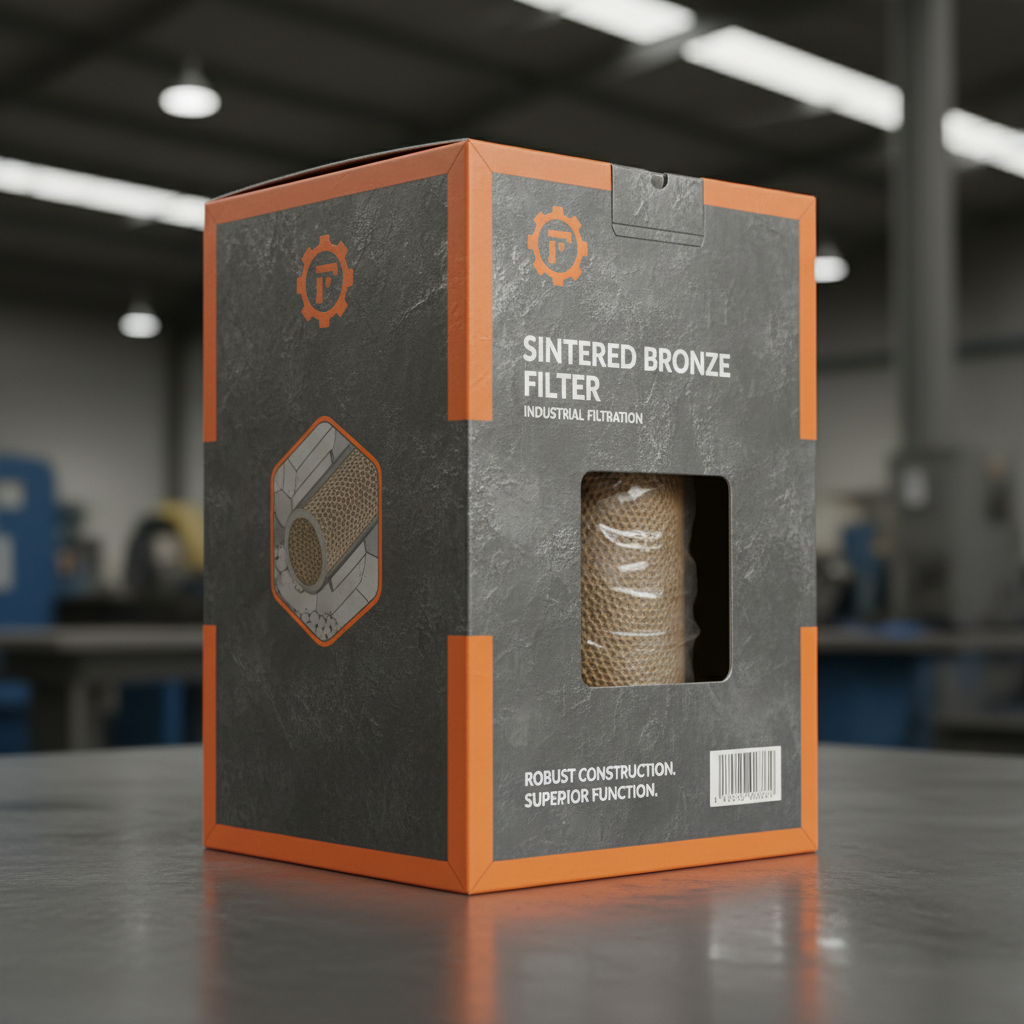
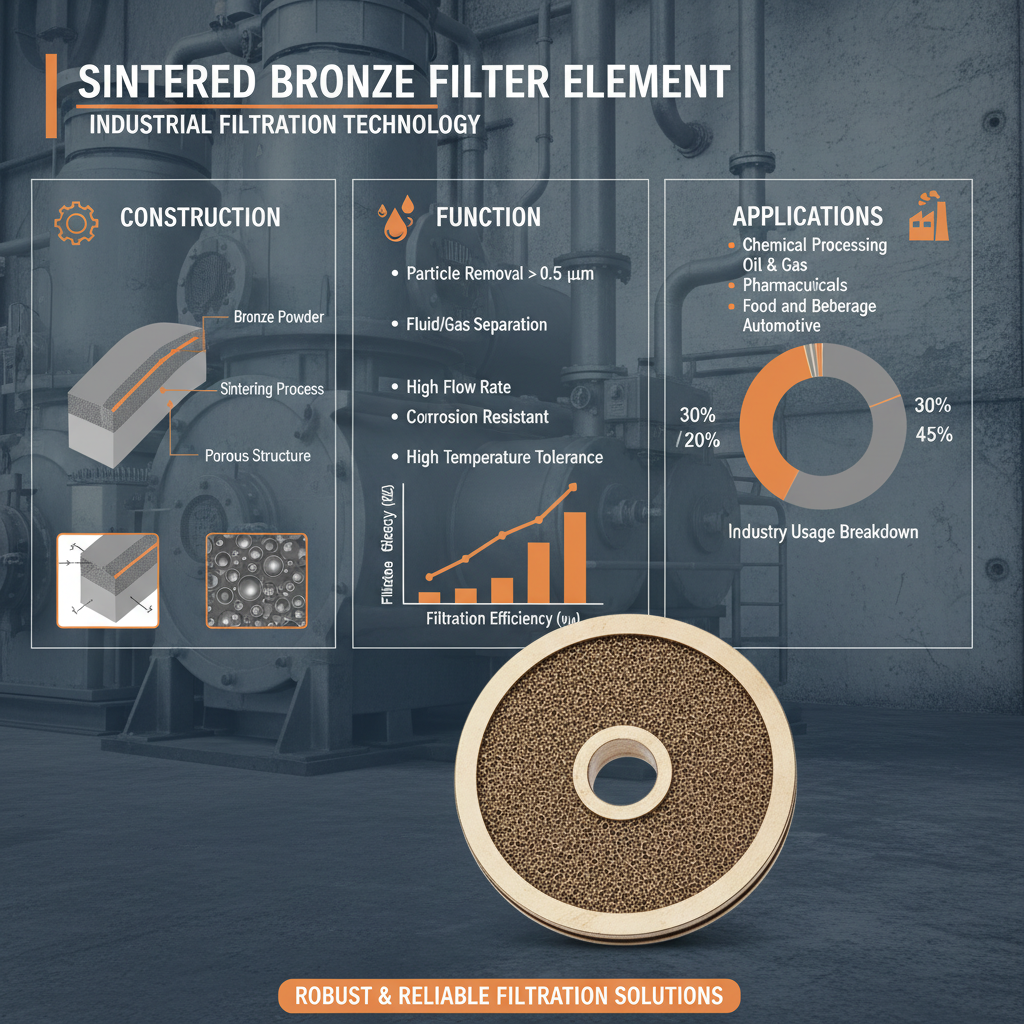
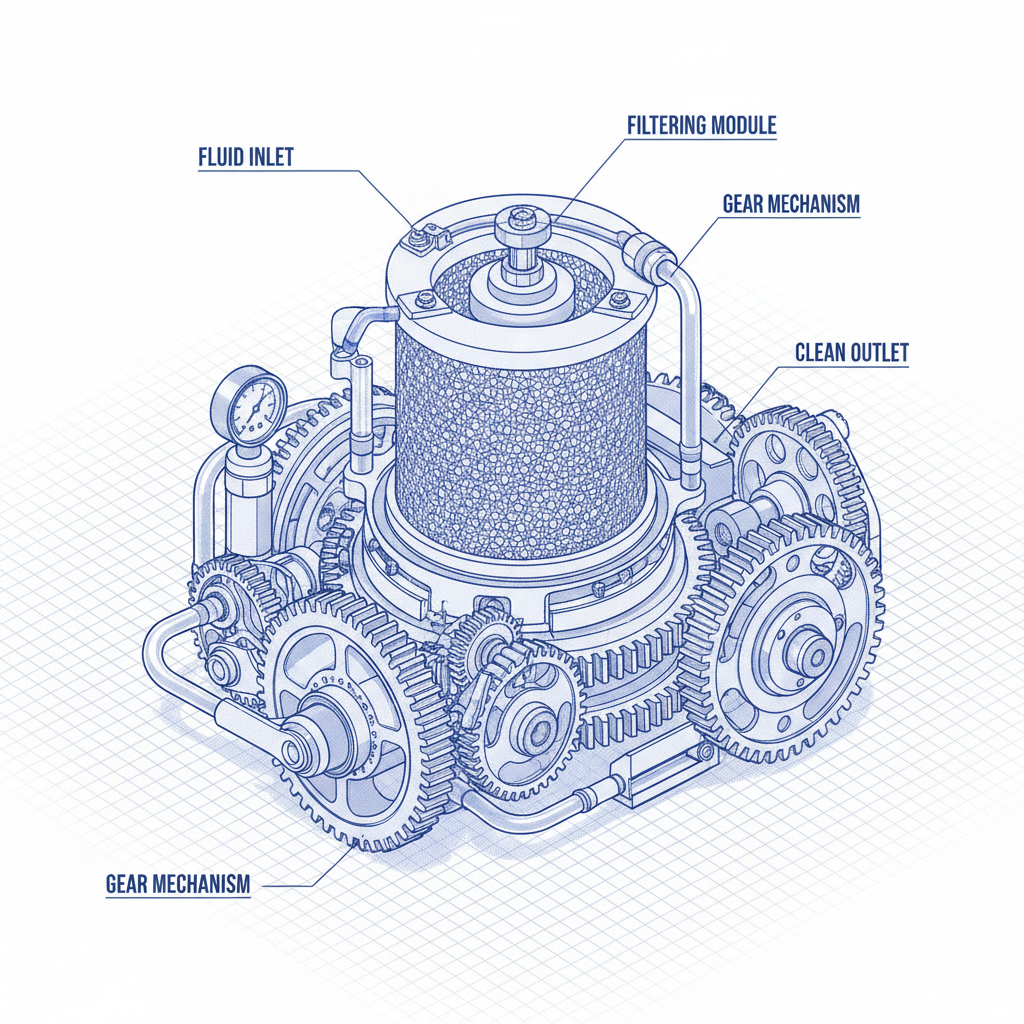
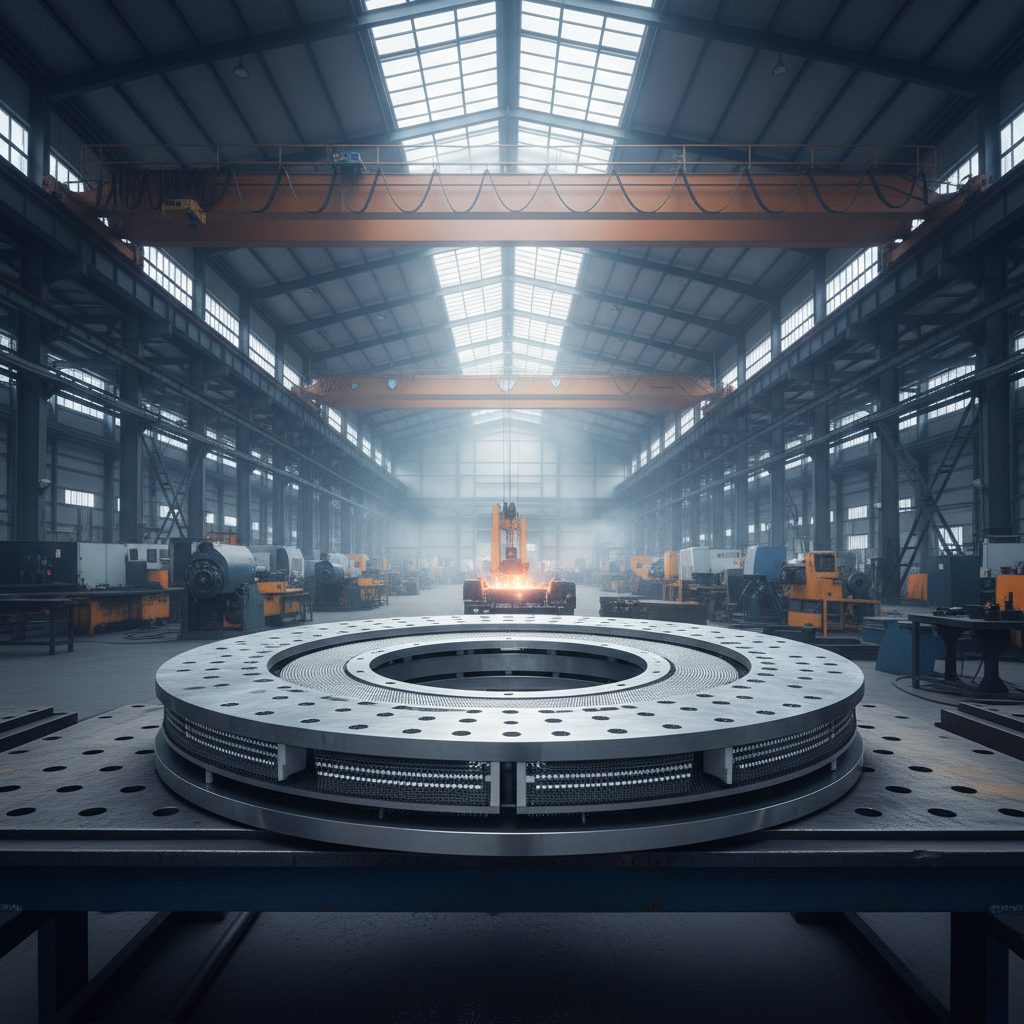
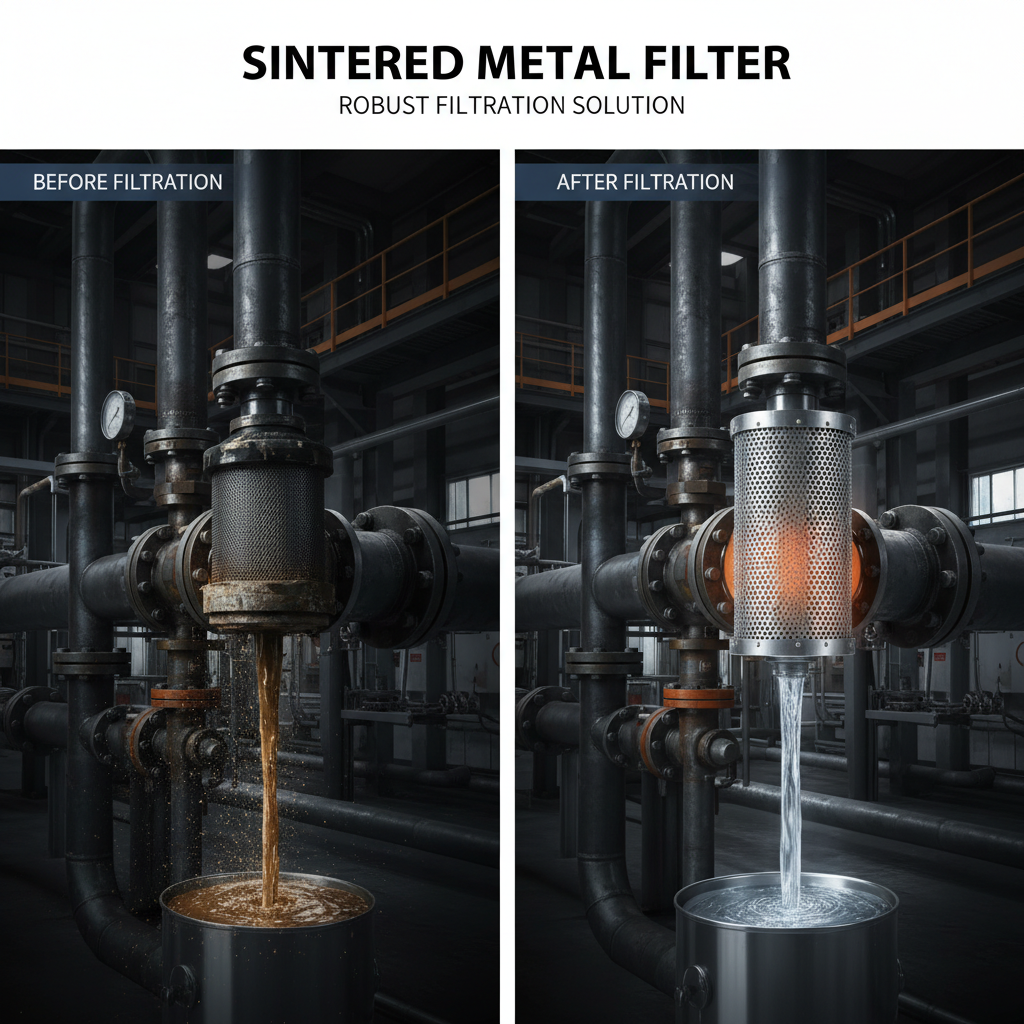
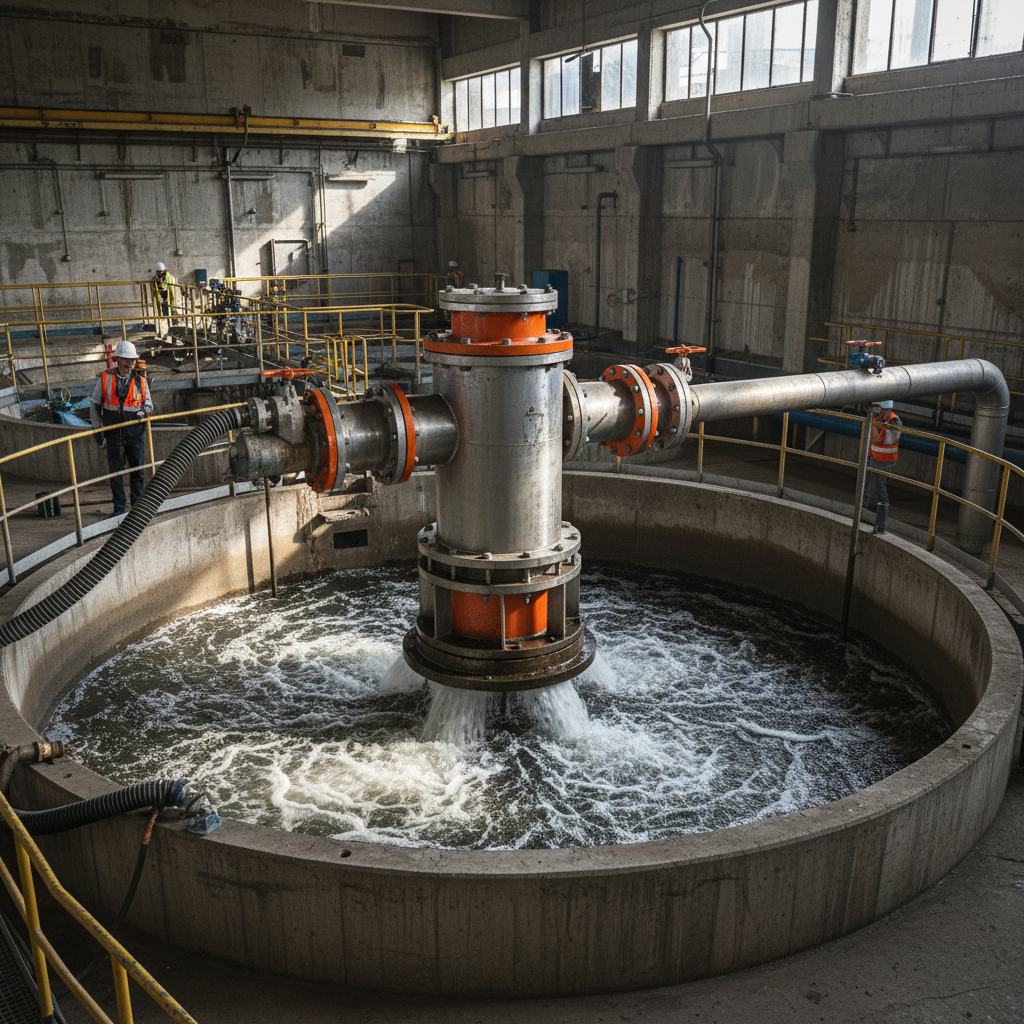
In the demanding world of industrial filtration, the sintered bronze filter element stands as a cornerstone of precision engineering, offering an unparalleled blend of durability and filtration efficiency. These specialized components are essential for removing contaminants from gases and liquids in environments where traditional polymer filters would fail due to extreme heat or corrosive chemicals. By utilizing the sintering process—where bronze powder is fused under heat and pressure—manufacturers create a rigid, porous structure capable of consistent performance over thousands of cycles.
Globally, the shift toward stricter environmental regulations and the drive for higher purity in medical and laboratory settings have amplified the demand for high-performance metal filtration. The sintered bronze filter element addresses these needs by providing a sustainable, washable alternative to disposable filters, thereby reducing industrial waste and operational overhead. Its ability to maintain structural integrity under high pressure makes it indispensable for critical infrastructure, from oil and gas refineries to advanced pharmaceutical labs.
Understanding the nuances of bronze sintering allows engineers to optimize fluid dynamics and ensure the longevity of downstream equipment. Whether it is protecting sensitive valves in a chemical plant or ensuring sterile air in a medical facility, the implementation of a high-quality sintered bronze filter element is not merely a procurement choice, but a strategic decision to enhance system reliability and safety.
The Technical Foundation of Sintered Bronze Filter Elements
At its core, a sintered bronze filter element is manufactured through a process called powder metallurgy. High-purity bronze powder is compacted into a desired shape and then heated in a controlled-atmosphere furnace. This process does not melt the metal entirely but allows the particles to bond at their contact points, creating a complex network of interconnected pores. This ensures a precise micron rating that is uniform across the entire surface of the filter, preventing "leakage" often found in woven mesh filters.
The structural rigidity resulting from this process allows the filter to withstand significant differential pressures without collapsing. Because bronze is naturally resistant to many types of corrosion and possesses excellent thermal conductivity, these elements are ideal for high-temperature gas filtration and hydraulic oil cleaning. The ability to customize the pore size during the sintering phase means that these components can be tailored for everything from coarse particle trapping to fine pharmaceutical purification.
Global Industry Relevance and Standards
In the contemporary industrial landscape, the sintered bronze filter element is critical for maintaining ISO quality standards across multiple sectors. As industries push toward "Zero Defect" manufacturing, the role of precision filtration has shifted from a maintenance task to a core quality control metric. According to global industrial benchmarks, the failure of a single filtration component in a high-pressure system can lead to catastrophic equipment failure, costing companies millions in downtime and lost productivity.
The global adoption of these filters is particularly evident in the transition toward greener energy and cleaner production. In the European Union and North America, strict emissions laws require the capture of microscopic particulates from industrial exhaust. Bronze sintered elements provide the necessary longevity and heat resistance to operate within these exhaust streams, ensuring that particulate matter is captured effectively while maintaining a low pressure drop to conserve energy.
Moreover, the integration of sintered bronze filter element technology into medical and lab environments has revolutionized the purity of reagents and breathable air. By adhering to stringent FDA and pharmaceutical grade standards, these metal filters ensure that no fibers or contaminants leach into the filtered medium, a common risk with plastic-based filters. This reliability is what makes them the gold standard for high-stakes filtration environments worldwide.
Core Performance Drivers of Bronze Filtration
One of the primary drivers of the sintered bronze filter element is its exceptional mechanical durability. Unlike membrane filters that can tear or polymer filters that can degrade under UV exposure, sintered bronze maintains its geometric stability. This ensures that the filtration rating remains constant over the lifetime of the part, providing a predictable safety margin for engineers designing critical systems.
Another essential factor is the "cleanability" of the sintered bronze filter element. Because the bronze structure is rigid and chemically stable, these elements can be cleaned using ultrasonic baths, back-pulsing, or chemical solvents without compromising the pore structure. This capability transforms the filter from a consumable expense into a long-term capital asset, drastically reducing the total cost of ownership.
Finally, the permeability and flow rate of these elements are highly controllable. By adjusting the powder grain size and the compaction pressure, manufacturers can create a sintered bronze filter element that balances high flow rates with high capture efficiency. This versatility allows them to be used in everything from high-volume water treatment to low-flow precision gas sampling.
Comparative Efficiency and Material Analysis
When comparing the sintered bronze filter element to other porous materials, the distinction lies in the balance of strength and porosity. While stainless steel offers higher corrosion resistance in acidic environments, bronze provides superior lubrication properties and is often more cost-effective for general-purpose industrial use. The sintering process ensures that the bronze elements have a more uniform pore distribution than cast porous metals.
From a performance perspective, the efficiency of these elements is measured by their ability to maintain a low pressure drop while maximizing the "dirt-holding capacity." The interconnected nature of the sintered pores allows particles to penetrate deeper into the filter matrix before the surface becomes blinded, extending the interval between cleaning cycles and improving overall system uptime.
Performance Comparison of Sintered Filter Technologies
Diverse Global Applications and Use Cases
The application of the sintered bronze filter element spans across a vast array of industrial sectors. In the automotive and aerospace industries, these filters are used for oil and fuel filtration where the environment is subject to extreme vibration and temperature fluctuations. The rigidity of the bronze ensures that the filter does not deform, which would otherwise lead to unfiltered bypass and potential engine failure.
In the realm of environmental protection, these elements are frequently deployed in wastewater treatment and air pollution control systems. In remote industrial zones, such as mining operations in South America or oil rigs in the North Sea, the sintered bronze filter element is preferred because its long service life reduces the need for frequent replacement shipments to hard-to-reach locations, significantly lowering the logistics cost and environmental footprint.
Long-Term Economic and Environmental Value
From a financial perspective, investing in a sintered bronze filter element represents a shift from OpEx (Operating Expenditure) to CapEx (Capital Expenditure). While the initial cost of a metal sintered filter is higher than a disposable paper or plastic alternative, the ability to clean and reuse the element for several years results in a much lower cost per liter of filtered fluid over the equipment's lifespan.
Beyond the balance sheet, the environmental impact is substantial. The disposal of millions of single-use synthetic filters contributes significantly to landfill waste and microplastic pollution. By utilizing a sintered bronze filter element, companies can drastically reduce their waste stream, aligning their operations with Circular Economy principles and improving their ESG (Environmental, Social, and Governance) ratings.
Furthermore, the reliability of these filters enhances operational safety. In high-pressure hydraulic systems, a burst filter can lead to fluid leaks and hazardous workplace conditions. The inherent strength of sintered bronze provides peace of mind, knowing that the filtration barrier will hold under pressure, thereby protecting both the machinery and the personnel operating it.
Future Trends in Porous Metal Innovation
The future of the sintered bronze filter element is being shaped by advancements in additive manufacturing (3D printing). By combining traditional sintering with 3D printing, engineers can now create "graded porosity" filters. These elements have a coarse outer layer and a fine inner core, allowing them to capture a wider spectrum of particle sizes in a single pass without increasing the pressure drop.
Digital transformation is also playing a role, with the integration of IoT sensors into filter housings. These sensors monitor the pressure differential across the sintered bronze filter element in real-time, allowing for "predictive maintenance." Instead of cleaning filters on a fixed schedule, operators are notified exactly when the element is reaching its capacity, optimizing maintenance windows and preventing unplanned downtime.
As the world moves toward hydrogen energy and carbon capture, new alloys are being experimented with to enhance the bronze base. The goal is to create a sintered bronze filter element that can withstand the unique corrosive properties of liquefied hydrogen or the high-pressure chemical environments of carbon scrubbers, ensuring that porous metal technology remains at the forefront of the green energy transition.
Analysis of Sintered Bronze Filter Element Performance Across Various Industrial Conditions
|
Application Environment
|
Pressure Resistance (1-10)
|
Corrosion Stability (1-10)
|
Maintenance Cycle (Months)
|
| Hydraulic Oil Systems |
9 |
8 |
12-24 |
| Medical Gas Venting |
7 |
10 |
24-36 |
| Chemical Process Lines |
8 |
6 |
6-12 |
| Industrial Exhaust |
6 |
7 |
12-18 |
| Lab Vacuum Systems |
5 |
9 |
18-24 |
| High-Temp Steam |
10 |
7 |
6-12 |
FAQS
Unlike mesh filters, which are woven wires that can have uneven gaps or "leak" particles at the seams, a sintered bronze filter element is created by fusing powder into a solid porous block. This results in a perfectly uniform pore size across the entire surface, offering significantly higher filtration precision and structural strength under high pressure.
Yes, one of the greatest advantages of the sintered bronze filter element is its reusability. Because of the rigidity of the sintered metal, they can be cleaned using back-flushing, ultrasonic cleaning, or specific chemical solvents without damaging the internal pore structure, making them a cost-effective and eco-friendly alternative to disposable filters.
The lifespan varies by application, but in typical industrial hydraulic or gas systems, a well-maintained sintered bronze filter element can last several years. Its longevity depends on the frequency of cleaning and the nature of the contaminants; however, it far exceeds the lifespan of polymer or paper filters.
Bronze is often preferred in applications requiring specific lubrication properties, high thermal conductivity, or where a slightly more cost-effective yet durable solution than stainless steel is needed. It is also highly effective in oil filtration and certain gas venting applications where extreme acidity is not the primary concern.
The micron rating should be based on the size of the smallest particle you need to capture to protect your downstream equipment. For coarse filtration, 10-50 microns are common, while precision lab or medical applications may require 1-5 microns. We recommend analyzing your fluid contaminants to find the optimal balance between capture efficiency and pressure drop.
Absolutely. The sintering process creates a heat-stable structure that can operate at temperatures where plastic or fabric filters would melt or degrade. This makes the sintered bronze filter element ideal for steam lines, exhaust systems, and high-temperature industrial chemical processing.
Conclusion
The sintered bronze filter element represents a pinnacle of industrial filtration, combining the strength of metal with the precision of powder metallurgy. Throughout this analysis, we have seen how its durability, cleanability, and uniform porosity solve critical challenges in sectors ranging from aerospace to environmental protection. By reducing waste and increasing system reliability, these elements provide a clear path toward more sustainable and efficient industrial operations.
As we look toward a future of smarter, greener manufacturing, the evolution of sintered bronze—through 3D printing and IoT integration—will continue to push the boundaries of what is possible in fluid and gas purification. For companies seeking to optimize their operational uptime and reduce their environmental footprint, transitioning to high-performance sintered metal solutions is a strategic imperative. To explore our full range of precision filtration solutions, visit our website: www.chinaporousfilters.com