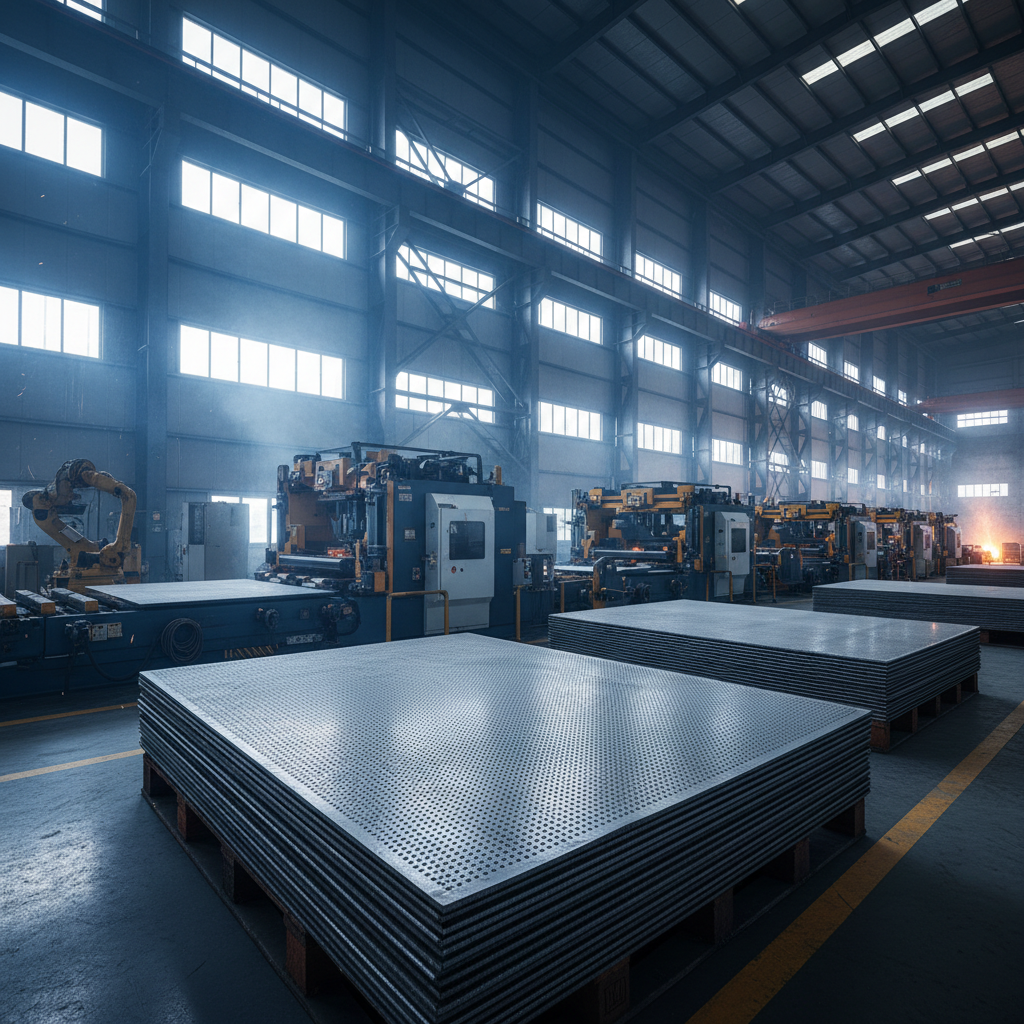
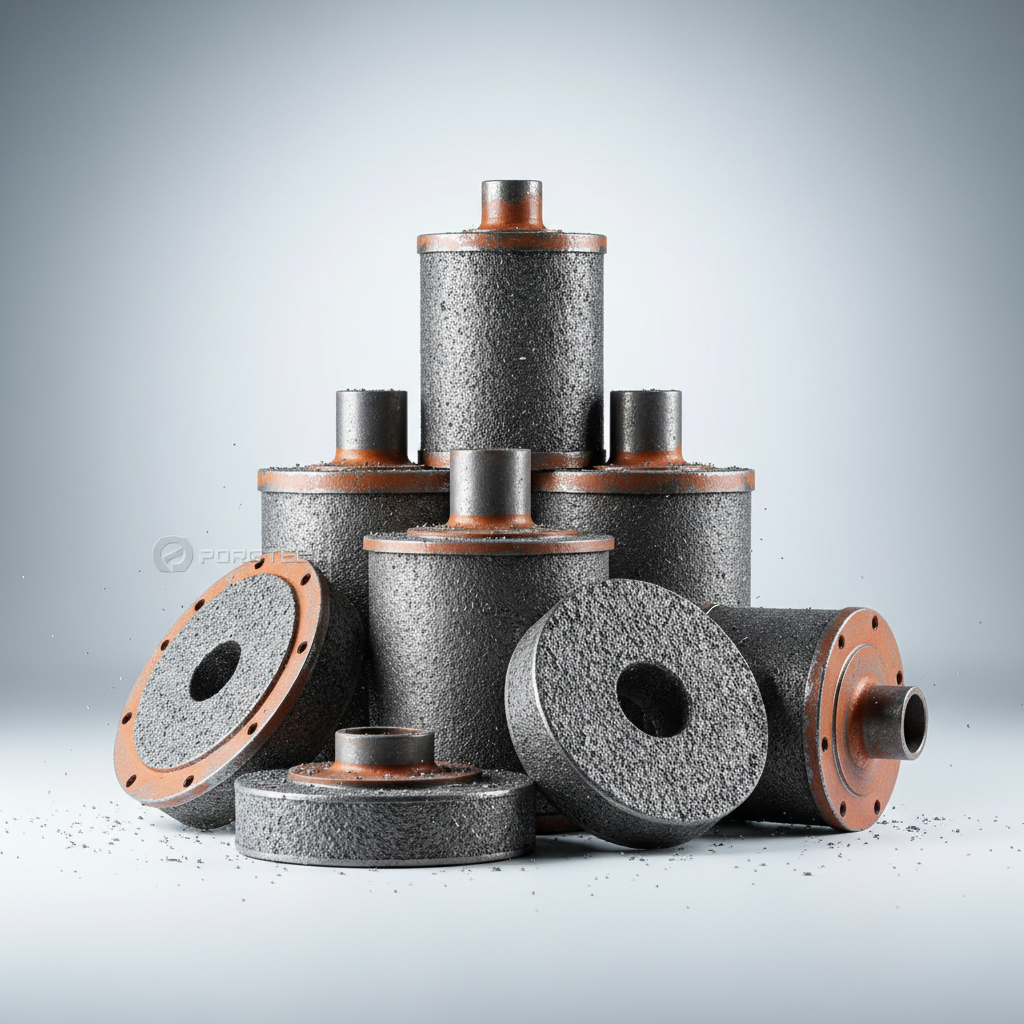
In the demanding landscape of industrial filtration, the sintered filter tube has emerged as a cornerstone for high-precision separation and environmental protection. By utilizing the process of sintering—where metal or ceramic particles are fused under heat and pressure without melting—these components provide an unmatched balance of structural integrity and precise porosity. This technology is critical for industries that cannot compromise on purity or durability, ensuring that contaminants are removed while maintaining a steady flow of critical fluids.
Across the globe, the demand for advanced filtration is surging as environmental regulations tighten and the need for operational efficiency grows. From the pharmaceutical labs requiring sterile environments to heavy industrial plants managing corrosive chemical waste, the adoption of the sintered filter tube allows companies to minimize downtime and maximize the lifespan of their machinery. Its ability to withstand extreme temperatures and pressures makes it an indispensable asset in the transition toward more sustainable manufacturing processes.
Understanding the nuances of these filtration systems is not merely a technical requirement but a strategic advantage. By leveraging the specific material properties of a sintered filter tube, engineers can design systems that are more energy-efficient and less wasteful. This guide explores the technical depth, global applications, and future innovations of these components, providing a comprehensive overview for professionals seeking to optimize their filtration infrastructure.
Global Relevance of Sintered Filter Tube Technology
The global industrial sector is currently facing a dual challenge: the need to increase production output while adhering to stringent ISO and environmental standards regarding emission and waste. In this context, the sintered filter tube plays a pivotal role. By providing high-efficiency particulate removal in aggressive environments, these tubes ensure that industrial effluents are cleaned before release, directly contributing to the UN Sustainable Development Goals for clean water and sanitation.
Statistically, the move toward "Zero Liquid Discharge" (ZLD) policies in Asia and Europe has accelerated the adoption of sintered metal technologies. Unlike disposable filters, a sintered filter tube is designed for longevity and back-cleaning, which drastically reduces the volume of industrial waste generated by the filtration process itself. This shift represents a transition from a linear consumption model to a circular industrial economy.
Technical Definition and Industrial Meaning
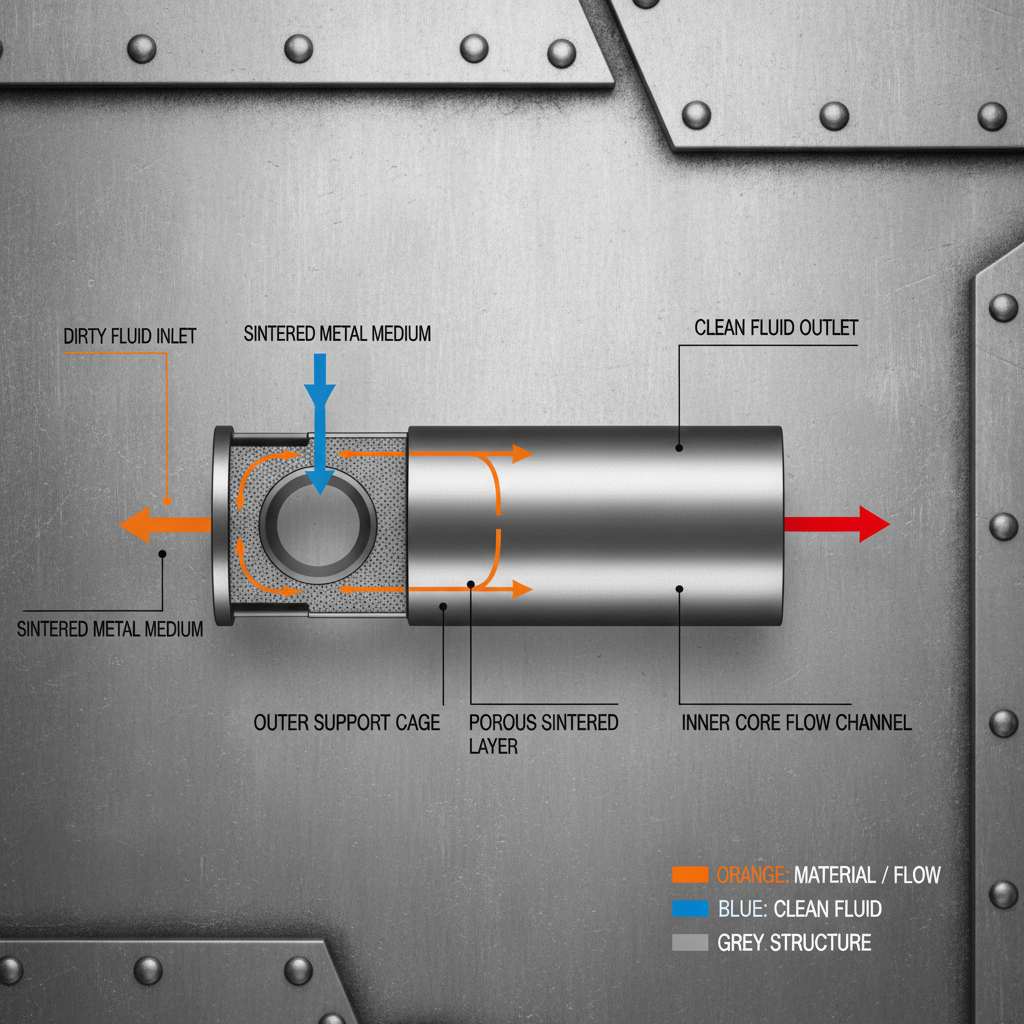
At its core, a sintered filter tube is a cylindrical porous component created by heating compacted powder or fibers until they bond at a molecular level. This process creates a rigid, permeable structure with a controlled pore size, allowing fluids to pass through while blocking solid particles. Unlike woven meshes, which can fray or tear, the sintered structure is monolithic and robust, ensuring consistent filtration ratings across the entire surface area.
In the context of modern industry, this component serves as the primary defense against contamination in high-value fluid streams. Whether it is removing micro-particles from liquefied gases or protecting sensitive medical equipment from particulate matter, the sintered filter tube provides a reliable, semi-permanent solution that integrates seamlessly into automated piping systems.
Beyond the technical specs, the meaning of this technology lies in its versatility. By varying the material—such as using stainless steel, titanium, or nickel—manufacturers can tailor the tube to survive anything from cryogenic temperatures to scorching chemical reactors. This adaptability makes it a fundamental tool for humanitarian efforts in water purification and high-tech advancements in aerospace and biotechnology.
Core Components and Performance Factors
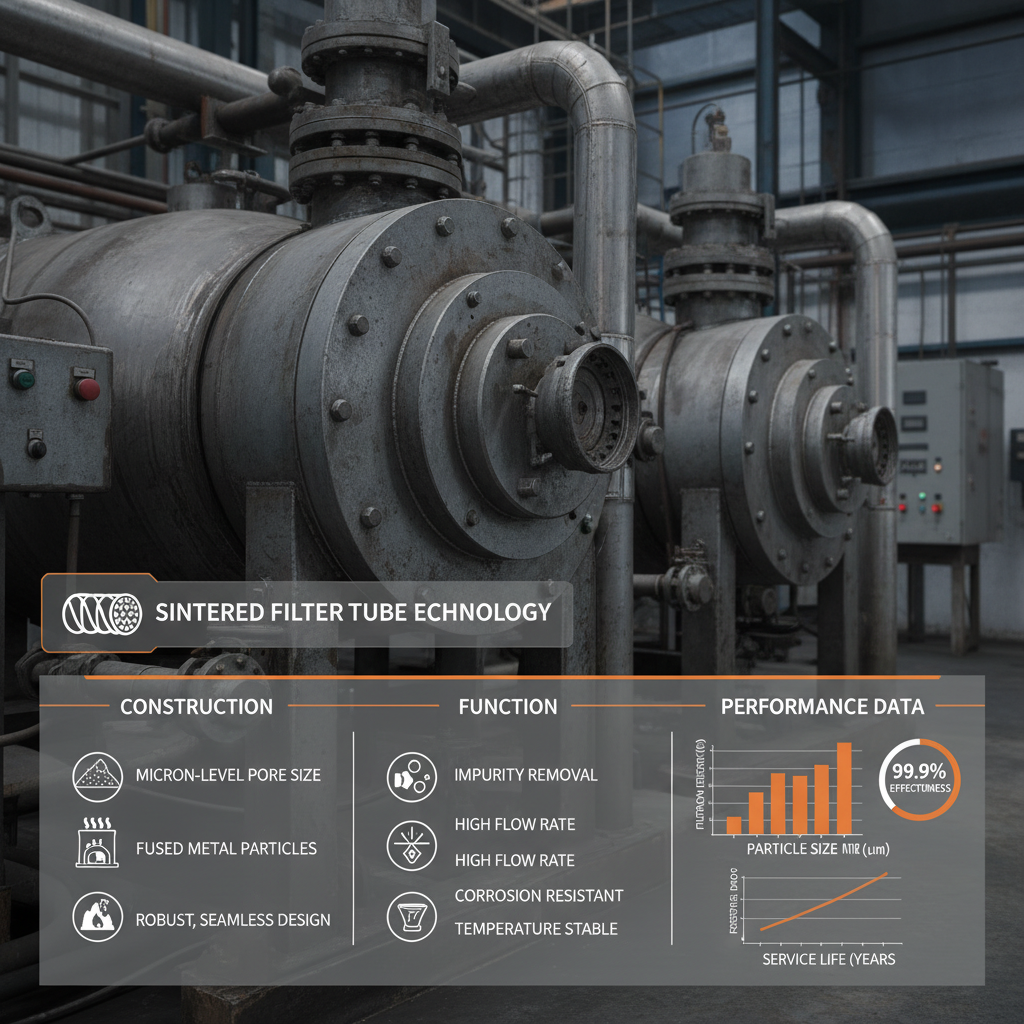
Durability is the primary hallmark of a high-quality sintered filter tube. Because the material is fused rather than glued or woven, it possesses immense mechanical strength. This allows the filter to handle high differential pressures without collapsing, which is essential for high-flow industrial applications where sudden pressure spikes could otherwise lead to catastrophic system failure.
Precision porosity is another critical factor. The sintered filter tube is engineered to a specific micron rating, ensuring that only particles above a certain size are captured. This scalability allows the same basic technology to be used for coarse pre-filtration (10-50 microns) as well as ultra-fine polishing (0.1-2 microns), depending on the powder grain size used during the sintering process.
Finally, chemical compatibility determines the long-term viability of the installation. By selecting specific alloys for the sintered filter tube, such as Hastelloy or Monel, engineers can ensure that the filter does not corrode when exposed to harsh acids or alkalis. This chemical resilience ensures that the filtration process does not introduce metallic contaminants into the product stream, maintaining the highest levels of purity.
Comparative Efficiency of Filtration Methods
When comparing filtration technologies, the sintered filter tube consistently outperforms traditional polymer membranes and woven screens in terms of life-cycle cost and thermal stability. While polymer filters are cheaper upfront, they degrade quickly under heat or chemical stress, leading to frequent replacements and increased operational downtime.
The efficiency of a sintered system is further enhanced by its capability for back-pulsing. By reversing the flow of the fluid, trapped particles are pushed out of the sintered filter tube, restoring its original permeability. This regenerative property makes it far more sustainable than "throw-away" filtration media, especially in large-scale environmental protection projects.
Comparative Performance of Sintered Filter Tube Variants
Global Applications and Use Cases
In real-world industrial zones, the sintered filter tube is widely deployed in the petrochemical industry for the purification of catalysts and the removal of particulate matter from hot gases. In regions like the Middle East and North America, where oil refining is a primary economic driver, these tubes are essential for preventing catalyst poisoning, which can save refineries millions of dollars in operational losses.
Beyond heavy industry, these components are vital in medical and laboratory settings. In the production of sterile pharmaceuticals, a sintered filter tube made of high-grade titanium or stainless steel ensures that the fluid stream is free of microbial contaminants. Similarly, in remote industrial zones where maintenance is difficult, the long lifespan and robustness of sintered filters reduce the need for frequent human intervention, increasing overall safety.
Long-Term Value and Sustainability
The long-term value of investing in a sintered filter tube extends far beyond simple filtration. From a financial perspective, the reduction in replacement costs and the minimization of process downtime create a high Return on Investment (ROI). Companies that switch from disposable cartridges to sintered tubes often see a significant decrease in their annual maintenance budgets within the first two years.
From a sustainability angle, the sintered filter tube aligns with the global movement toward "Green Manufacturing." By utilizing materials that are 100% recyclable and designing components that last for years rather than weeks, industries can drastically lower their carbon footprint. This is not just about efficiency; it is about the ethical responsibility of reducing industrial waste.
Moreover, the reliability of sintered technology builds a foundation of trust in the production chain. When a manufacturer knows that their sintered filter tube will not fail under pressure, they can push the limits of their innovation, exploring higher temperatures and more aggressive chemical reactions that were previously too risky. This trust accelerates the pace of industrial discovery.
Future Trends and Innovation in Sintering
The future of the sintered filter tube is being shaped by additive manufacturing and nanotechnology. 3D printing of metal powders is allowing for the creation of gradient porosity tubes—filters that have larger pores on the outside and smaller pores on the inside. This innovation prevents the "surface cake" effect, where particles clog the outer layer too quickly, thereby extending the time between cleaning cycles.
Digital transformation is also playing a role through the integration of "Smart Filters." By embedding sensors within the housing of a sintered filter tube, operators can now monitor pressure drops in real-time. This allows for predictive maintenance, where the system automatically triggers a back-wash cycle only when necessary, further reducing energy consumption and water waste.
As the world moves toward hydrogen energy, the demand for specialized sintered filter tube components that can handle hydrogen embrittlement is growing. New alloy developments in the field of sintering are focusing on creating materials that are impervious to hydrogen penetration, ensuring that the clean energy transition is supported by robust and safe filtration infrastructure.
Comparison of Sintered Filter Tube Materials and Performance
| Material Type |
Corrosion Resistance |
Max Temperature |
Application Suitability |
| Stainless Steel 316L |
High |
800°C |
General Industrial |
| Titanium |
Exceptional |
600°C |
Medical/Aerospace |
| Nickel Alloy |
Very High |
900°C |
Chemical Processing |
| Zirconium |
Extreme |
500°C |
Nuclear/High Acid |
| Sintered Plastic |
Medium |
150°C |
Water Treatment |
| Hastelloy |
Highest |
1000°C |
Extreme Corrosion |
FAQS
A sintered filter tube is created through a fusion process, meaning it has no seams or weave patterns that can tear or fray. This results in much higher structural integrity, consistent pore size across the entire surface, and the ability to withstand significantly higher pressures and temperatures than standard mesh or fabric filters.
Unlike disposable filters, sintered tubes are designed for long-term use. With regular back-pulsing or chemical cleaning, many can last several years. Replacement is typically only necessary if the material suffers from severe chemical corrosion or mechanical deformation beyond the limits of cleaning.
Yes, the filtration rating is determined by the size of the powder particles used during the sintering process. We can produce tubes ranging from coarse filtration (over 100 microns) to ultra-fine precision filtration (down to 0.1 microns) to meet specific industrial requirements.
Compatibility depends on the material selected. While stainless steel is great for many uses, we offer sintered tubes in Titanium, Nickel, and Hastelloy for environments involving aggressive acids or alkalis, ensuring the filter does not degrade or contaminate the fluid.
The most common method is back-flushing, where fluid is pumped in the reverse direction to eject particles. For more stubborn contaminants, ultrasonic cleaning or chemical CIP (Clean-In-Place) cycles can be used to restore the tube's original flow rate.
Absolutely. Because they are reusable and made from recyclable metals, they eliminate the massive amount of landfill waste generated by single-use plastic cartridges. Their energy efficiency and long lifespan make them a cornerstone of sustainable industrial design.
Conclusion
The sintered filter tube represents a perfect synergy of material science and industrial engineering. By offering unparalleled durability, precision porosity, and chemical resistance, these components solve the most critical challenges in fluid purification and environmental protection. From reducing operational costs through reusability to ensuring absolute purity in medical applications, the value of sintered technology is evident across every high-stakes industry.
Looking forward, as we embrace the era of Industry 4.0 and sustainable energy, the role of advanced filtration will only grow. Investing in high-quality sintered solutions is not just a maintenance decision, but a strategic move toward a cleaner, more efficient future. We encourage engineers and procurement specialists to evaluate their current filtration efficiency and consider the long-term benefits of switching to sintered metal technology. Visit our website for more information: www.chinaporousfilters.com