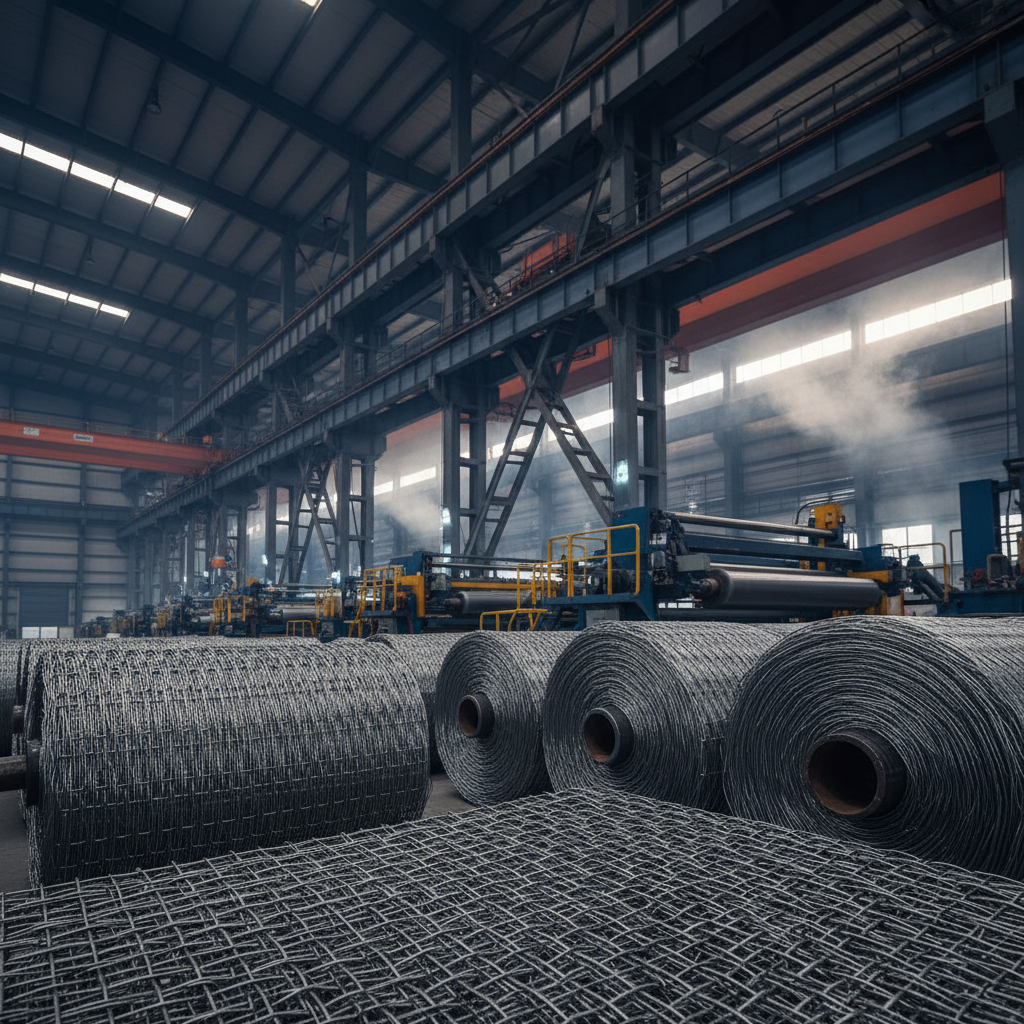
When it comes to high-precision filtration and industrial screening, stainless steel hardware cloth stands as a cornerstone material, blending structural rigidity with precise aperture control. Its ability to withstand extreme temperatures and corrosive environments makes it indispensable in everything from pharmaceutical processing to environmental protection systems. Understanding the nuances of its weave and material grade is the first step in optimizing industrial efficiency.
Across the global manufacturing landscape, the demand for durable, non-reactive screening materials has surged, pushing the boundaries of how we design stainless steel hardware cloth. Whether it is used as a pre-filter in air purification or as a catalyst support in chemical reactors, the material's reliability directly impacts the purity of the end product and the longevity of the machinery.
In an era where sustainability and waste reduction are paramount, the longevity of stainless steel options offers a significant advantage over plastic or galvanized alternatives. By investing in high-quality hardware cloth, industries can reduce their replacement cycles, lower operational costs, and ensure compliance with strict international safety and environmental standards.
Global Industrial Context of Stainless Steel Hardware Cloth
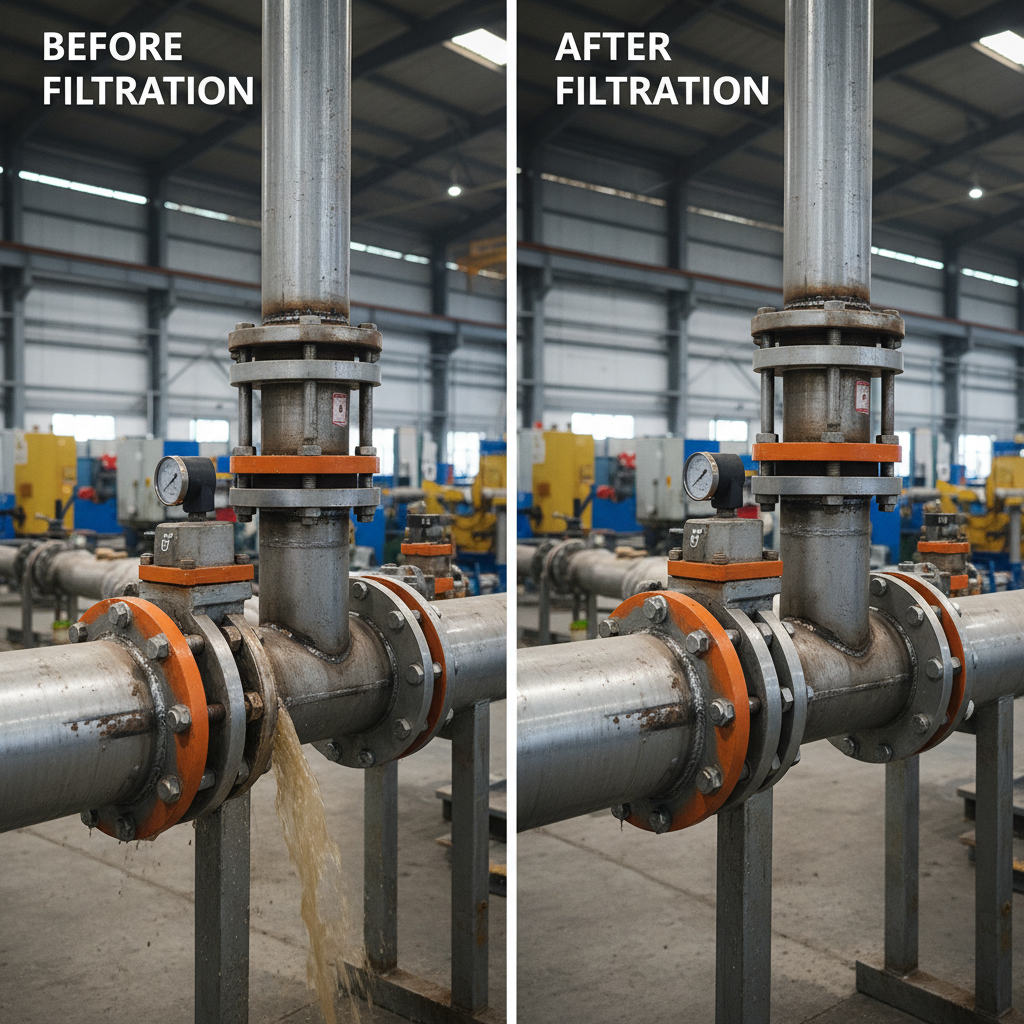
The global industrial sector is currently undergoing a transition toward "zero-leakage" and "high-purity" standards, particularly in environmental protection and medical device manufacturing. According to ISO standards for filtration materials, the precision of a mesh can determine the effectiveness of a pollution control system. stainless steel hardware cloth has become the gold standard for these applications because it provides a predictable, stable barrier that does not degrade under mechanical stress.
However, many industries still struggle with material fatigue and oxidation in saltwater or acidic environments. This challenge has led to an increased reliance on specialized alloys, such as 316L stainless steel, to ensure that the mesh maintains its structural integrity over decades of use. By integrating high-grade hardware cloth into their workflows, companies are not just buying a product but are implementing a risk-mitigation strategy against equipment failure.
Defining Stainless Steel Hardware Cloth in Modern Engineering
In simple terms, stainless steel hardware cloth is a durable, woven or welded wire mesh produced from corrosion-resistant stainless steel. Unlike standard screen wire, hardware cloth is designed for structural applications, meaning it can support weight, resist impact, and maintain a consistent opening size under pressure. It acts as a physical gateway, allowing desired fluids or gases to pass while blocking contaminants or debris.
From an engineering perspective, it is more than just a "fence" for small particles; it is a precision-engineered component. The intersection of the wires—whether plain weave, twill weave, or Dutch weave—dictates the flow rate and filtration efficiency. This makes it critical for humanitarian needs, such as water purification in remote areas, where a reliable, washable stainless steel mesh can prevent waterborne diseases without requiring constant chemical replacements.
Furthermore, the connection between this material and modern industry lies in its versatility. It is used as a substrate for sintered metal filters, a protective guard for delicate sensors, and a separation medium in mining. Its ability to be welded, bent, and cut without losing its inherent properties allows engineers to integrate it into complex machinery with ease.
Key Factors Driving Performance and Durability
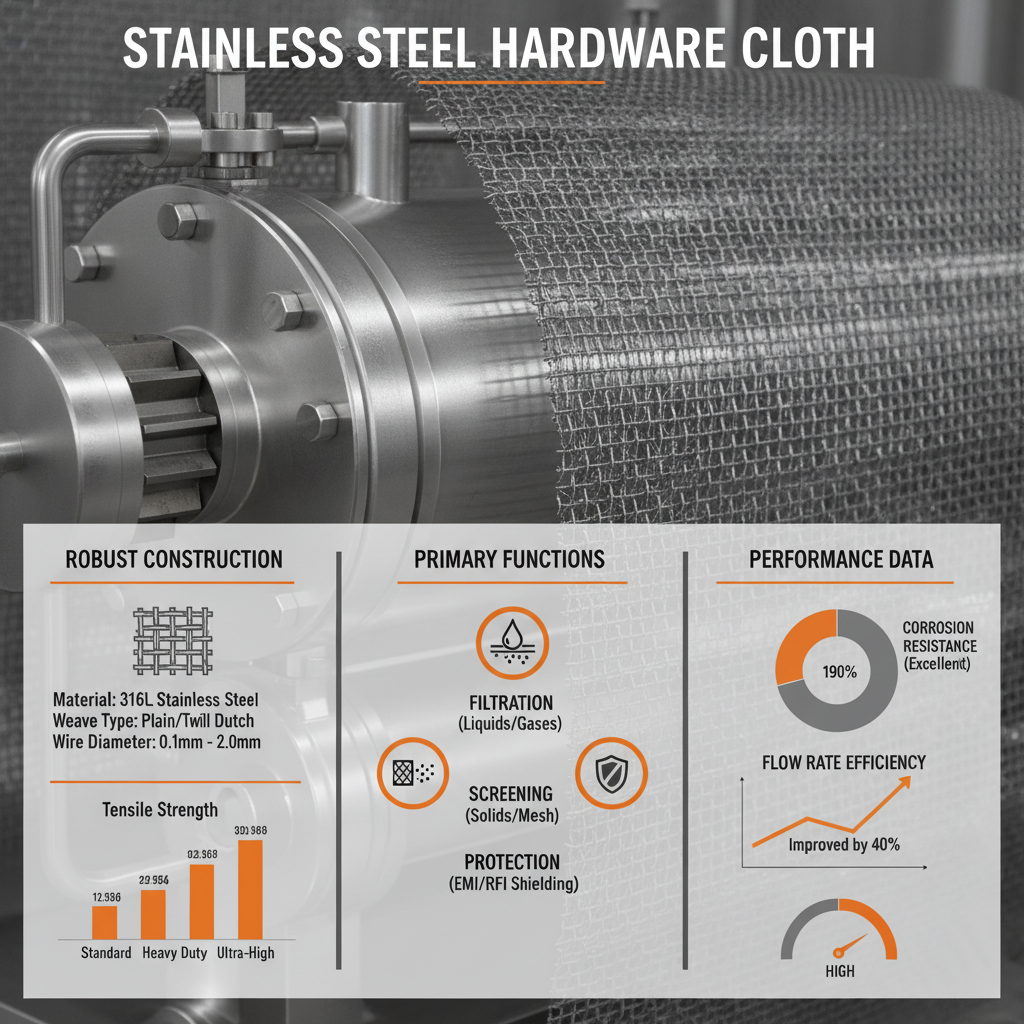
Corrosion resistance is the primary factor that defines the utility of stainless steel hardware cloth. The addition of chromium creates a passive layer of chromium oxide on the surface, which prevents rust and oxidation. This is essential for industries dealing with caustic chemicals or high-humidity environments, ensuring that the mesh does not leach contaminants into the filtered stream.
Tensile strength and structural stability are equally vital. A high-quality stainless steel hardware cloth must resist deformation when subjected to high-pressure flow or physical impact. The precision of the weave ensures that "blow-through" (where particles larger than the mesh size pass through) is minimized, which is a critical safety requirement in medical and laboratory filtration.
Finally, the thermal stability of the material allows it to operate in extremes. Whether it is used in cryogenic cooling systems or high-temperature furnaces, the hardware cloth remains stable. This scalability in temperature tolerance allows a single material type to be deployed across vastly different industrial sectors, from aerospace to waste-water treatment.
Global Applications and Use Case Analysis
The real-world application of stainless steel hardware cloth spans across continents and industries. In North America and Europe, it is widely used in the food and beverage industry to maintain hygiene standards, as the material can be steam-cleaned and sterilized without degrading. In Southeast Asia's rapidly growing electronics sector, these meshes are used as EMI shielding and precision filters for chemical etching processes.
In more challenging contexts, such as post-disaster relief operations, stainless steel mesh is employed in temporary water filtration kits to remove large sediments from floodwaters. Similarly, in remote industrial zones like mining sites in Australia or South America, the rugged nature of the cloth allows it to withstand the abrasive nature of mineral ores while efficiently sorting materials by size.
Efficiency Comparison of Stainless Steel Hardware Cloth Types
Long-Term Value and Sustainability Advantages
The primary long-term value of utilizing stainless steel hardware cloth lies in its lifecycle cost. While the initial investment may be higher than plastic or galvanized steel, the total cost of ownership is significantly lower due to the lack of corrosion and the ability to be cleaned and reused. This circularity reduces the environmental footprint of the industrial process, aligning with global green initiatives.
Beyond the financial logic, there is an element of trust and safety. In medical and laboratory settings, the non-reactive nature of stainless steel ensures that the purity of the sample is not compromised. This reliability provides a sense of security for operators and end-users, knowing that the filtration barrier is chemically inert and structurally sound, thereby reducing the risk of catastrophic failure in high-pressure systems.
Future Trends and Material Innovations
The future of stainless steel hardware cloth is being shaped by the integration of nanotechnology and additive manufacturing. We are seeing the emergence of "smart meshes" that can be coated with nano-catalysts to not only filter particles but actively neutralize pollutants as they pass through. This transformation from a passive barrier to an active treatment component is a game-changer for the environmental protection industry.
Furthermore, the push toward automation is driving the demand for more precise tolerances. Laser-cutting technology is now being paired with traditional weaving to create hybrid hardware cloths with variable aperture sizes across a single sheet. This allows for graded filtration, where larger particles are caught in the outer layers and finer particles in the inner layers, preventing the mesh from clogging prematurely.
Sustainability policies are also forcing a shift toward 100% recyclable alloys. Future iterations of hardware cloth will likely incorporate bio-based coatings to enhance hydrophobicity or oleophobicity, making the meshes easier to clean and reducing the need for harsh chemical detergents in industrial maintenance.
Overcoming Technical Challenges in Implementation
One of the most common challenges when deploying stainless steel hardware cloth is the issue of "blinding" or clogging. When particles are similar in size to the mesh openings, they can become wedged, halting production. The expert solution to this is the implementation of back-pulsing systems or the use of a multi-layered mesh approach, where the pore size decreases gradually.
Another limitation is the potential for mechanical deformation during installation. To overcome this, engineers are increasingly using reinforced frames and precision welding techniques to ensure the cloth remains taut. Proper tensioning is critical; a loose mesh can lead to bypass leakage, which compromises the entire filtration process and may lead to equipment damage downstream.
Finally, selecting the wrong grade of stainless steel can lead to premature failure. For instance, using Grade 304 in a high-chloride environment will result in pitting corrosion. The solution is a rigorous material analysis phase during the design process, ensuring that the alloy chosen (e.g., 316L or Duplex stainless steel) matches the chemical profile of the operational environment.
Comparative Analysis of Stainless Steel Hardware Cloth Grades and Applications
| Material Grade |
Corrosion Resistance |
Primary Use Case |
Durability Score (1-10) |
| SS 304 |
Moderate |
General Purpose Screening |
7 |
| SS 316L |
High |
Marine & Pharmaceutical |
9 |
| SS 310S |
High (Heat) |
Furnace & High-Temp Filters |
8 |
| Duplex 2205 |
Very High |
Chemical Processing Plants |
10 |
| SS 430 |
Low |
Dry Interior Hardware |
5 |
| Alloy 20 |
Extreme |
Sulfuric Acid Filtration |
9 |
FAQS
Hardware cloth is generally heavier and more rigid than standard window or insect mesh. It is designed for structural integrity and industrial-grade filtration, whereas standard mesh is intended for lightweight barriers. Hardware cloth can withstand significant pressure and physical abuse without tearing or warping, making it the ideal choice for machinery and construction.
The choice depends on the environment. Grade 304 is sufficient for general indoor use and mild moisture. If your application involves salt water, chlorides, or pharmaceutical chemicals, Grade 316L is recommended due to its molybdenum content. For extreme temperatures, look for heat-resistant grades like 310S. Always consult a material safety data sheet for your specific chemicals.
Yes, one of the greatest advantages of stainless steel hardware cloth is its reusability. Depending on the contaminant, it can be cleaned via back-washing, ultrasonic cleaning, or high-pressure steam. Because it does not corrode easily, it can undergo repeated cleaning cycles without losing its structural integrity, which significantly lowers the operational cost over time.
Blinding occurs when particles get stuck in the openings of the mesh. This is usually caused by using a mesh size too close to the particle size or by a lack of flow velocity. To prevent this, we recommend using a graded mesh system (multiple layers of increasing fineness) or installing an automated cleaning system that periodically reverses the flow to clear the apertures.
Absolutely. While plastic meshes are cheaper upfront, they degrade over time, releasing microplastics into the environment and requiring frequent replacement. Stainless steel is 100% recyclable and lasts exponentially longer. By reducing the volume of waste sent to landfills and eliminating the leaching of synthetic polymers, stainless steel is the superior choice for sustainable industrial design.
Mesh count refers to the number of openings per linear inch. For example, a 20-mesh cloth has 20 openings in one inch of material. The smaller the mesh number, the larger the holes. When selecting hardware cloth, you must balance the mesh count with the wire diameter to ensure the material has the necessary open area for flow while maintaining the required strength.
Conclusion
In summary, stainless steel hardware cloth is much more than a simple industrial screen; it is a precision tool that ensures purity, safety, and efficiency across a wide array of global industries. From its exceptional corrosion resistance and thermal stability to its role in sustainable manufacturing, this material provides the structural reliability that modern engineering demands. By carefully selecting the right grade and weave, businesses can optimize their filtration processes and significantly reduce their long-term operational expenses.
Looking ahead, the integration of nanotechnology and smarter design will continue to elevate the capabilities of hardware cloth, turning it into an active participant in environmental protection and high-tech filtration. We encourage engineers and procurement specialists to move beyond "standard" options and explore high-performance alloys and custom weaves that can future-proof their operations. For those seeking the highest standards in industrial filtration and mesh solutions, we invite you to explore our professional range. Visit our website: www.chinaporousfilters.com