You know, things are moving fast these days. Everyone’s talking about miniaturization, high integration… Honestly, it's a bit much. Seems like everyone wants to cram more and more into smaller spaces. I was at a factory in Ningbo last month, and they were trying to squeeze a new sensor into an existing housing. It looked like a headache waiting to happen. And the younger engineers, they're all about simulations and theoretical stuff. Which is fine, but it doesn't always translate to the real world, you know?
Have you noticed how everyone is obsessed with exotic materials? Carbon fiber this, titanium alloy that… Don’t get me wrong, they’re good, strong, lightweight. But they’re also expensive and, frankly, a pain to work with. I remember trying to cut carbon fiber on site once – dust everywhere, safety glasses fogging up… a complete mess. Give me good old steel any day. You can feel the quality.
It’s the details that really trip people up, though. Like connector design. Seems simple enough, right? But if you don't get the tolerances right, or the locking mechanism isn't robust enough, you're asking for trouble. I encountered this at a small electronics plant in Dongguan last time. They were using a cheap connector, and it would disconnect with the slightest vibration. The owner was furious, understandably.
Industry Trends and Common Pitfalls
To be honest, everyone’s chasing the same thing: smaller, faster, cheaper. It’s a never-ending cycle. But what I’ve seen is, a lot of times, they sacrifice reliability for those gains. Strangely, people seem to forget that something needs to last. A device can be all flashy and high-tech, but if it breaks down after a month, what’s the point? I saw a company trying to use a new biodegradable plastic for the housing… it smelled like old socks and crumbled in your hand.
And the constant push for wireless… It's convenient, sure, but it adds another layer of complexity. More things to go wrong. More interference. More battery drain. It's not always the answer, you know? Sometimes, a simple, well-designed wired connection is still the best solution.
Materials: What We Actually Use
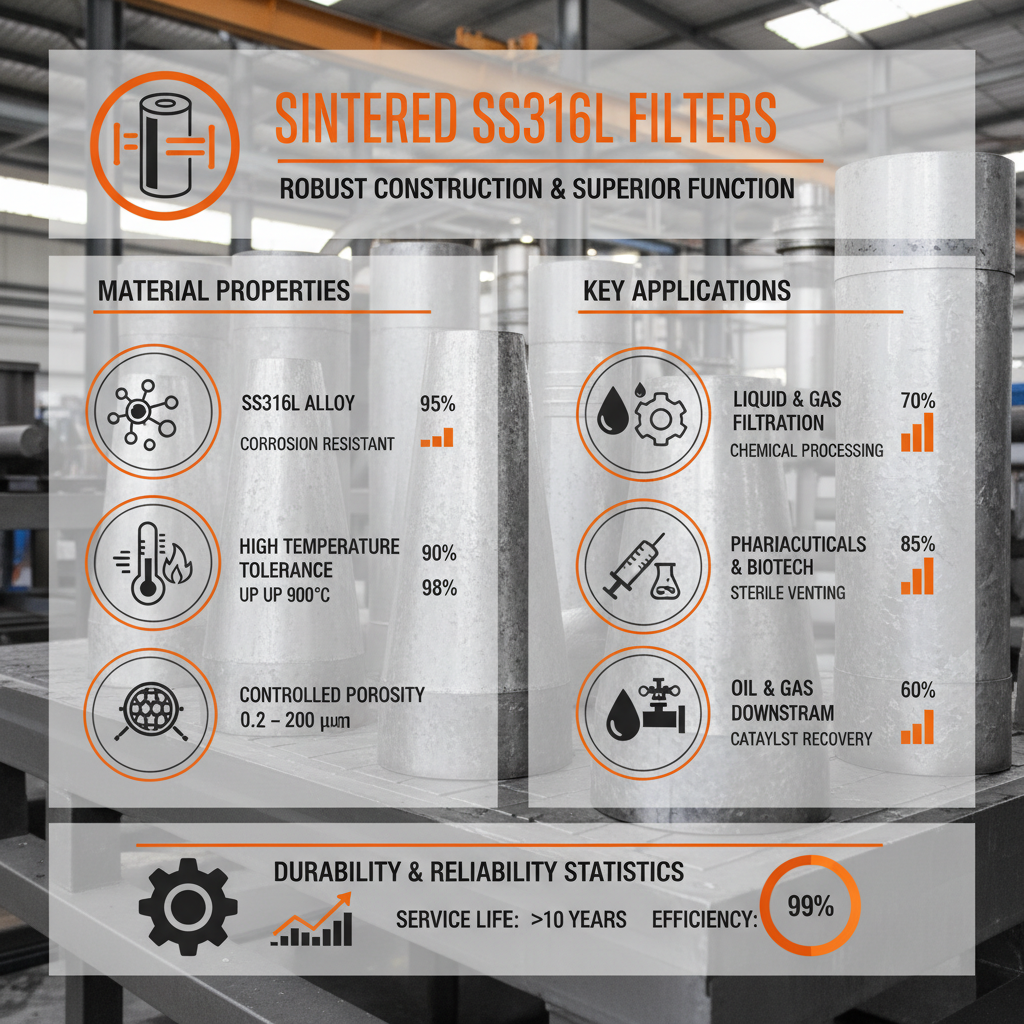
We use a lot of 304 stainless steel, mostly. It’s workhorse material. You can weld it, machine it, bend it… it just holds up. It's got a weight to it, you know? You can feel the quality. Sometimes we use 316 if it needs to be a bit more corrosion resistant. Aluminum’s good for lightweight applications, but it’s softer, so you have to be careful with the design. And the plastics… Oh, the plastics. ABS, polycarbonate, nylon… There are so many options, each with its own quirks. The smell test is surprisingly useful – a bad plastic will stink to high heaven.
Then you get into the more specialized stuff. Ceramics for high-temperature applications, for example. They’re brittle, but they can withstand incredible heat. And silicone… it’s amazing stuff, very versatile. Good for seals, gaskets, anything that needs to be flexible. But it attracts dust like crazy.
Honestly, choosing the right material is 50% engineering and 50% knowing what’s available and what’s going to actually work on the factory floor. You can design a perfect part on a computer, but if you can't manufacture it efficiently, it's useless.
Real-World Testing and Validation
Lab testing is important, don’t get me wrong. But it doesn't tell you everything. I've seen things pass every lab test and then fail spectacularly in the field. You need to put the thing through real-world abuse. Drop tests, vibration tests, temperature cycling… and, crucially, let actual users get their hands on it.
We have a small testing rig in the back of the workshop – basically, a vibrating platform and a couple of pneumatic hammers. It’s not fancy, but it's effective. We can simulate the conditions inside a truck bed, or a factory assembly line. We've also started sending prototypes to some of our key customers for beta testing. That's where you really find the weak spots. I mean, users will find ways to break things you never even imagined.
I always say, if it can survive a week in a typical workshop, it has a good chance of surviving in the real world. The key is to observe how it fails. Is it a mechanical failure? An electrical failure? A software glitch? That tells you where to focus your efforts.
How Users Really Interact with spargers
This is where things get interesting. You design something with a specific use case in mind, but users always find new and unexpected ways to use it. We designed one sparger for a specific cleaning application, and it turned out people were using it to… well, let’s just say it wasn’t intended for that purpose. Anyway, I think it’s good to be open to that kind of feedback.
What I’ve noticed is, most users don’t read the manual. They just pick it up and start fiddling with it. So, it needs to be intuitive and easy to use. And, crucially, it needs to be robust enough to withstand some abuse. I mean, people aren’t always careful, you know?
Advantages, Disadvantages, and Customization
The biggest advantage, for me, is reliability. A well-designed sparger, made with quality materials, will just keep going and going. That’s worth a lot. It also helps that they're fairly simple to maintain.
The downside? Well, they're not exactly glamorous. They're functional, not beautiful. And depending on the application, they can be bulky. But honestly, I think most users care more about performance than aesthetics. We do offer customization, of course. Last year, we had a customer who needed a specific port configuration, so we designed a custom flange for them. It wasn't cheap, but it solved their problem.
spargers Performance Metrics
A Customer Story: The Debacle
Last month, that small boss in Shenzhen who makes smart home devices – a real character, always pushing the boundaries – insisted on changing the interface to . He wanted it to be "future-proof," he said. I tried to warn him. "Look," I said, "your target market isn't exactly tech-savvy. They just want something that works. And adds cost and complexity." But he wouldn't listen.
He got a whole batch of spargers with connectors, and within a week, he was calling me, screaming. Turns out, the connectors were failing left and right. People were bending the pins, breaking the ports… it was a disaster. He ended up having to recall the entire batch and switch back to the old connector. Cost him a fortune, and a lot of headaches.
Later… Forget it, I won't mention it.
The Bottom Line
Ultimately, whether this thing works or not, the worker will know the moment he tightens the screw. You can have all the fancy designs and high-tech materials in the world, but if it doesn't feel solid, if it doesn’t function smoothly, it's going to fail.
So, keep it simple, keep it robust, and listen to the people who actually use it. Because at the end of the day, that’s all that really matters. And don't underestimate the value of a good dose of common sense. It will get you further than any simulation ever could.