Honestly, these days everyone's talking about miniaturization, right? Everything's gotta be smaller, lighter, more efficient. It's a bit tiring, honestly. I was at a factory in Jiangsu last month, and they were trying to cram a whole filtration system into a space the size of my hand. Said it was for some new electric car battery thing. I mean, good for them, but you start pushing things that small and you inevitably run into trouble. Especially with something like hastelloy porous filters. It's not just about making tiny holes, it’s about making reliable tiny holes.
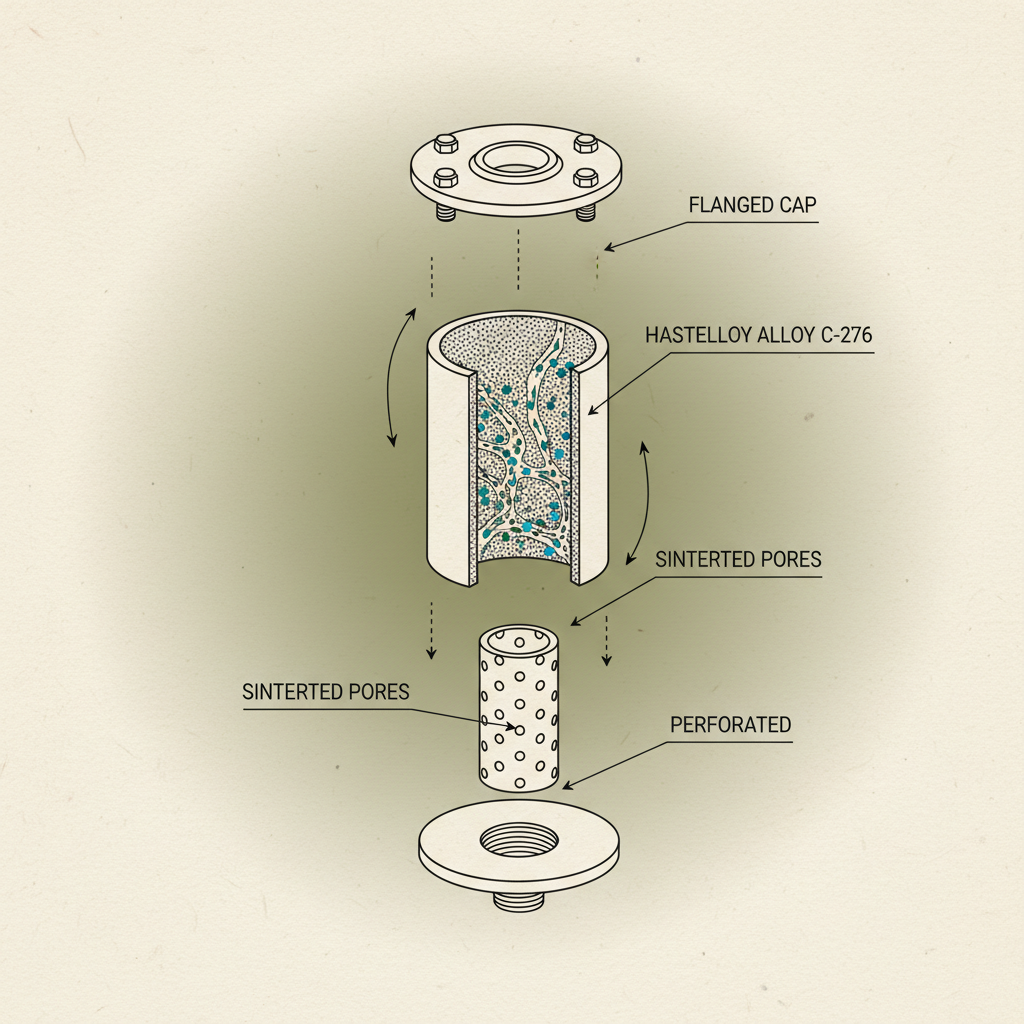
Have you noticed how engineers love to overcomplicate things? They'll design a filter with ten different layers, thinking it'll improve performance, and then the thing clogs up after a week. Simple is often better. I’ve seen it time and time again. The core material though…that’s where it gets interesting. We use a lot of different hastelloy alloys, depending on what they're filtering. C-276 is a workhorse, handles pretty much anything corrosive you throw at it. Feels… heavy. Like quality, you know? But then there's B-3, which is lighter, more manageable, but you gotta be careful with chlorides. Smells a little metallic when you’re cutting it, which is always a bit off-putting.
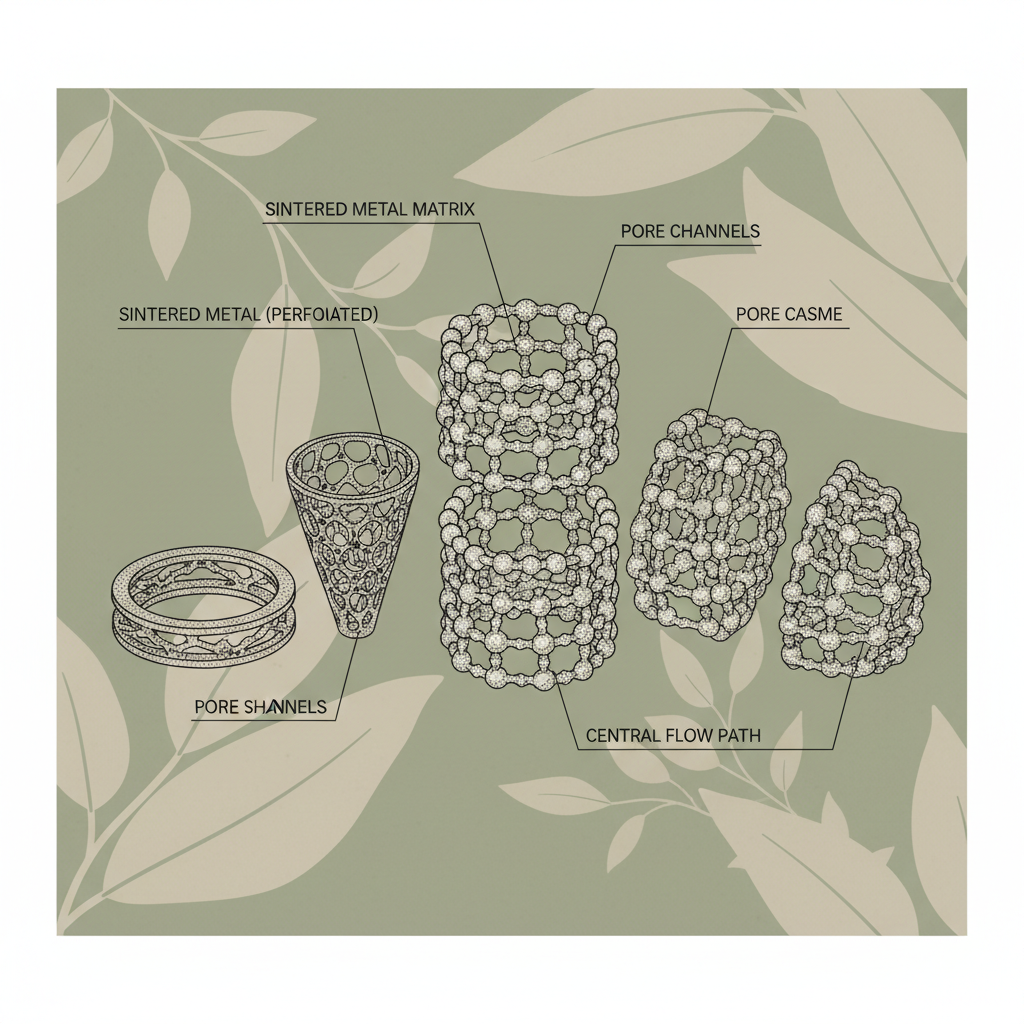
And it’s not just about the alloy. It's how the pores are formed. Sintering, etching, additive manufacturing… each one has its quirks. We’ve had issues with sintering leaving residual stress, making the filters brittle. Etching can leave burrs that interfere with flow. Additive, well, that's still kinda new. It shows promise, but it's expensive and scaling it up is a headache. The whole process has to be carefully controlled, from powder size to temperature ramping. It's a lot more than just “make a hole”.
Industry Trends and Design Pitfalls
Strangely enough, a lot of designers don't actually go to the sites where these things are used. They sit in their offices and design based on simulations. Simulations are great, don't get me wrong, but they don't account for real-world grime, vibrations, or the fact that someone's gonna drop a wrench on it. The trend towards smaller pore sizes is also a bit worrying. It increases filtration efficiency, sure, but it also makes the filters more prone to fouling. And nobody wants to be cleaning filters all day.
You have to think about maintenance. Is it easy to clean? Can it be backwashed? What happens when it does clog? These are the questions you gotta ask. I encountered this at a petrochemical plant in Tianjin last time. They'd installed these fancy new microfiltration systems, but hadn’t thought about how to access the filters for cleaning. Ended up having to shut down the entire line just to replace them. A total mess.
Material Properties and Handling
The feel of the hastelloy is important, honestly. A good piece of C-276 should have a certain weight, a solidity. Cheap stuff feels… flimsy. It tells you a lot about the manufacturing process. We do a lot of saltwater tests, obviously. But we also do things like drop tests. Just drop the filter from a reasonable height onto concrete. Sounds brutal, but it tells you a lot about its toughness. We also have a guy who just… squeezes it. Like, he’ll grab it with his bare hands and try to bend it. Sounds crazy, but it gives you a good sense of its ductility.
And the surface finish matters. A rough surface will trap particles and reduce flow rate. We use optical microscopes to check for imperfections. And we do a lot of pressure testing. Not just at the maximum operating pressure, but also at fluctuating pressures. You gotta simulate real-world conditions. I've seen filters fail because of fatigue, even though they were rated for the pressure.
Interestingly, users often underestimate the importance of proper pre-filtration. If you're filtering something with a lot of particulate matter, you need a coarse filter upstream to remove the big stuff. Otherwise, you'll clog up your hastelloy filter in no time. It’s like trying to drink a milkshake through a coffee straw. Doesn't work.
Manufacturing Processes and Challenges
To be honest, sintering is a black art. Get the temperature wrong by a few degrees and you’ll end up with a porous mess. And controlling the pore size distribution is incredibly difficult. You want a uniform distribution, but you always get some variation. We’ve experimented with different sintering atmospheres, different powder compositions, different heating rates… it's a constant process of optimization.
Etching is cleaner, but it's also more expensive and generates a lot of hazardous waste. We have to be careful about disposing of the etchant properly. And then there's additive manufacturing. It’s amazing technology, but it's still not quite ready for prime time. The layer adhesion can be a problem, and the surface finish isn't always ideal. Anyway, I think the biggest challenge is scalability. We can make a few filters at a time, but scaling up to mass production is a whole different ballgame.
Real-World Testing and Application
We don't just rely on lab tests. We send filters to our customers and have them test them in their actual applications. A chemical plant, an oil refinery, a pharmaceutical factory… wherever they’re going to be used. We ask them to track things like pressure drop, flow rate, and filtration efficiency. And we ask them to report back on any problems they encounter.
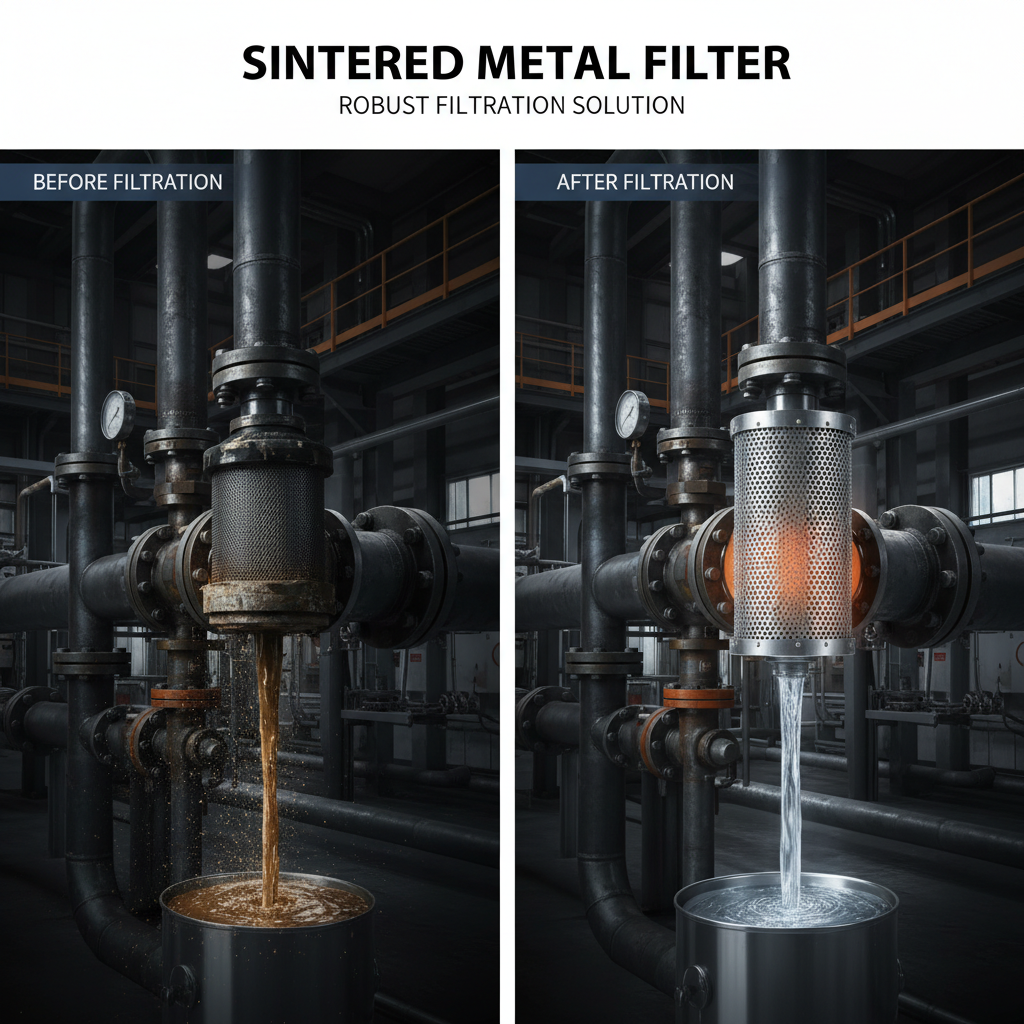
I’ve seen hastelloy porous filters used in everything from hydrogen purification to wastewater treatment. They’re particularly good for corrosive environments, obviously. But they’re also used in aerospace applications, where weight is a critical factor. The key is to choose the right alloy and the right pore size for the specific application. And to make sure the filter is properly supported. A poorly supported filter will collapse under pressure.
Hastelloy Porous Filter Performance by Application
Advantages, Disadvantages, and Customization
The biggest advantage, obviously, is corrosion resistance. You can throw pretty much any chemical at a hastelloy filter and it won't flinch. They're also very durable, they can withstand high temperatures and pressures. But they’re expensive. Significantly more expensive than stainless steel or other materials. And they can be difficult to machine.
We do a lot of customization. A customer in Germany wanted a filter with a specific pore size gradient, finer on one side than the other. It was a pain to manufacture, but we managed it. Another customer needed a filter with a special coating to prevent fouling. We worked with a materials scientist to develop a custom coating. We can also modify the filter's geometry, add fittings, or even integrate sensors. Basically, if you can dream it, we can probably build it.
Customer Story: Shenzhen Smart Home Boss
Last month, that small boss in Shenzhen who makes smart home devices insisted on changing the interface to , you know, for the gas sensors. Said it was “the future”. We warned him it would require a complete redesign of the filter housing, but he wouldn’t listen. He wanted everything to be as compact as possible. We made the change, delivered the filters, and a week later he called us furious. Turns out the connector was too fragile and kept breaking off. He had to recall the entire batch. A costly mistake. Lesson learned: sometimes, sticking with the tried and true is the best approach.
Performance Metrics and Comparative Analysis
We track a lot of data, obviously. Pressure drop is a big one. Lower is better. We also measure flow rate, filtration efficiency, and lifespan. And we compare our filters to competing products. We’ve found that our hastelloy filters generally outperform stainless steel filters in corrosive environments, but they're not always superior to ceramic filters in terms of mechanical strength.
We’ve also been looking at the impact of different manufacturing processes on filter performance. Sintered filters tend to have a higher pore density, but they're also more prone to cracking. Etched filters have a more uniform pore size distribution, but they're more expensive to produce. Additive manufacturing offers the greatest design flexibility, but it's still limited by material properties.
Here's a rough comparison, drawn up on a napkin, mind you, just to give you an idea:
Hastelloy Porous Filter Performance Comparison
| Manufacturing Process |
Corrosion Resistance (1-10) |
Mechanical Strength (1-10) |
Cost (1-10, 1=Low) |
| Sintering |
9 |
6 |
5 |
| Etching |
8 |
7 |
8 |
| Additive Manufacturing |
9 |
5 |
10 |
| Stainless Steel (Comparison) |
5 |
8 |
3 |
| Ceramic (Comparison) |
6 |
9 |
7 |
| Titanium (Comparison) |
7 |
7 |
6 |
FAQS
That's a tough one, honestly. It depends on the specific alloy, the concentration of the corrosive agent, the temperature, and the flow rate. But generally, you can expect a well-maintained hastelloy filter to last anywhere from 2 to 5 years in a highly corrosive environment. We’ve seen some last longer, but it's not guaranteed. Regular inspection and cleaning are crucial. Neglect it, and it'll fail prematurely.
Absolutely. Hastelloy alloys are known for their excellent high-temperature strength and oxidation resistance. They can handle temperatures up to 1000°C (1832°F) depending on the specific alloy. But again, you have to consider the environment. If you’re dealing with both high temperature and a corrosive atmosphere, you need to choose the right alloy and ensure proper fabrication. Creep can be an issue at very high temperatures.
That's a common question. It depends on the size of the particles you're trying to remove. You need to balance filtration efficiency with flow rate. Smaller pores will capture smaller particles, but they'll also restrict flow. We usually recommend starting with a larger pore size and then gradually reducing it until you achieve the desired level of filtration. A particle size analysis of your fluid is a good starting point.
Most hastelloy porous filters can be cleaned and reused, but it depends on the nature of the contaminants. For relatively benign contaminants, you can often backwash the filter with a solvent or compressed air. For more stubborn contaminants, you may need to use a chemical cleaning agent. However, aggressive cleaning can damage the filter, so it's important to follow the manufacturer's recommendations.
Lead times vary depending on the complexity of the design and our current workload. A simple modification to an existing design might take a few weeks. A completely custom design could take several months. We need time for material procurement, fabrication, and quality control. It’s best to get in touch with us early in your project to discuss your requirements.
Hastelloy is significantly more expensive than stainless steel, typically 3 to 5 times the cost. This is due to the higher cost of the raw materials and the more complex manufacturing processes involved. However, the superior corrosion resistance and durability of hastelloy can often justify the higher upfront cost, especially in demanding applications where a failure would be catastrophic.
Conclusion
Ultimately, hastelloy porous filters are a specialized solution for challenging filtration applications. They offer exceptional corrosion resistance, high-temperature performance, and durability, but they come at a cost. The key is to carefully consider your specific requirements and choose the right alloy, pore size, and manufacturing process. Don’t overcomplicate things.
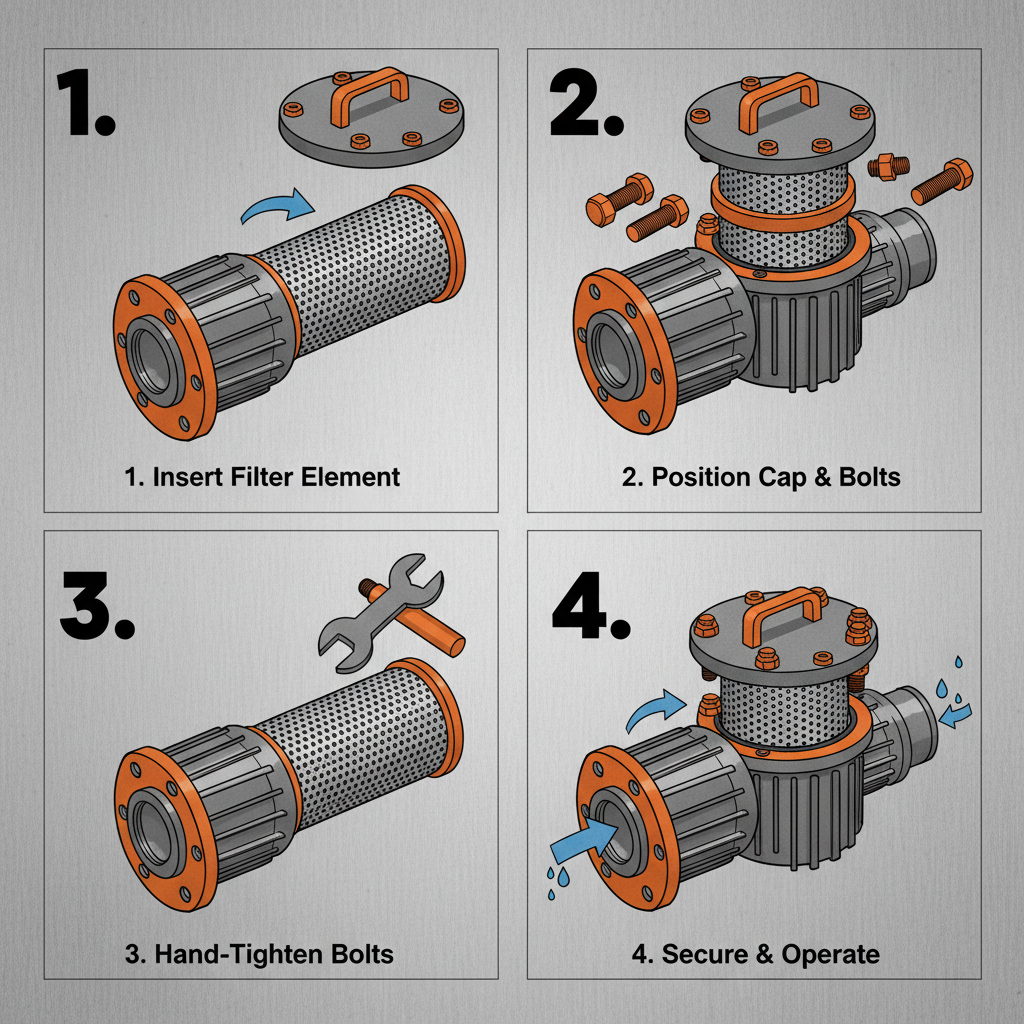
And remember, no matter how much we talk about specs and performance, whether this thing works or not, the worker will know the moment he tightens the screw. That's the real test. If you need a filter that can stand up to the harshest conditions, and you're willing to pay for it, hastelloy is a good bet. Visit our website at www.chinaporousfilters.com to learn more.