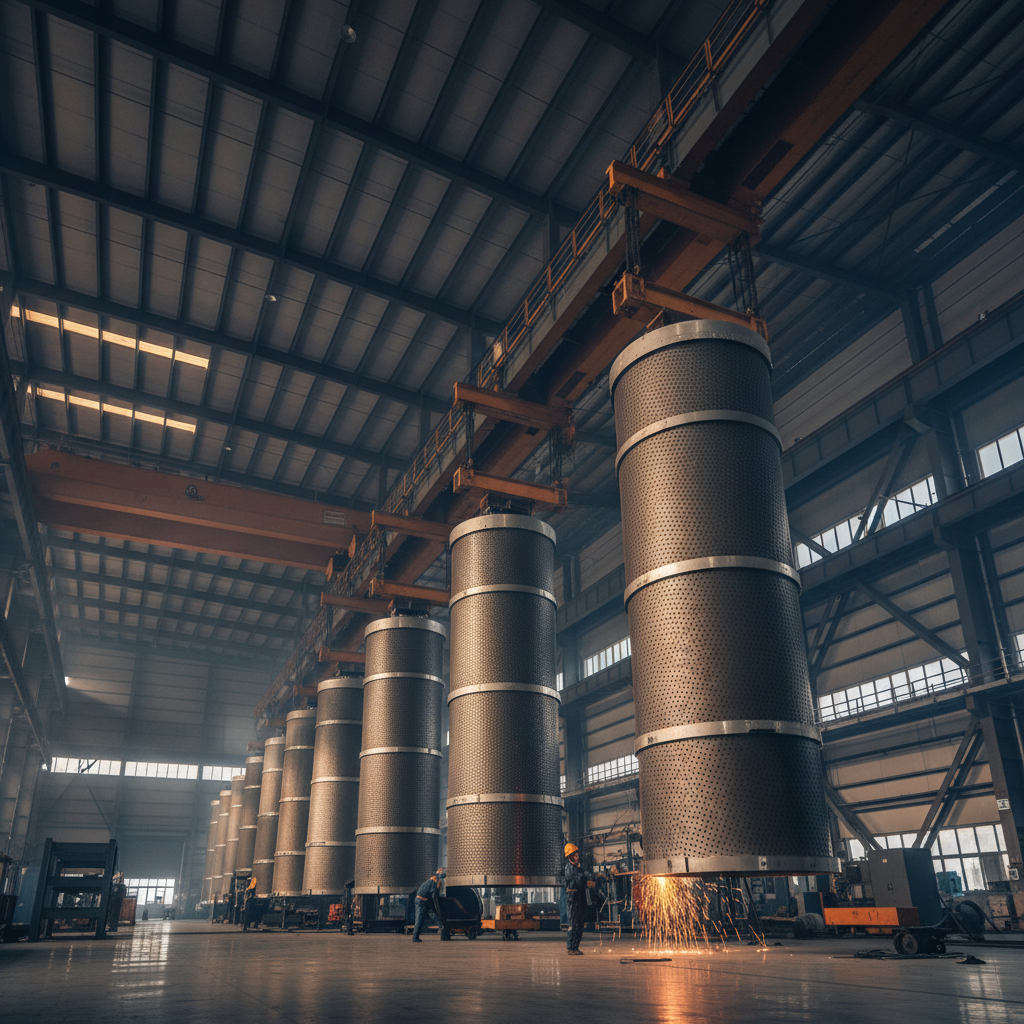
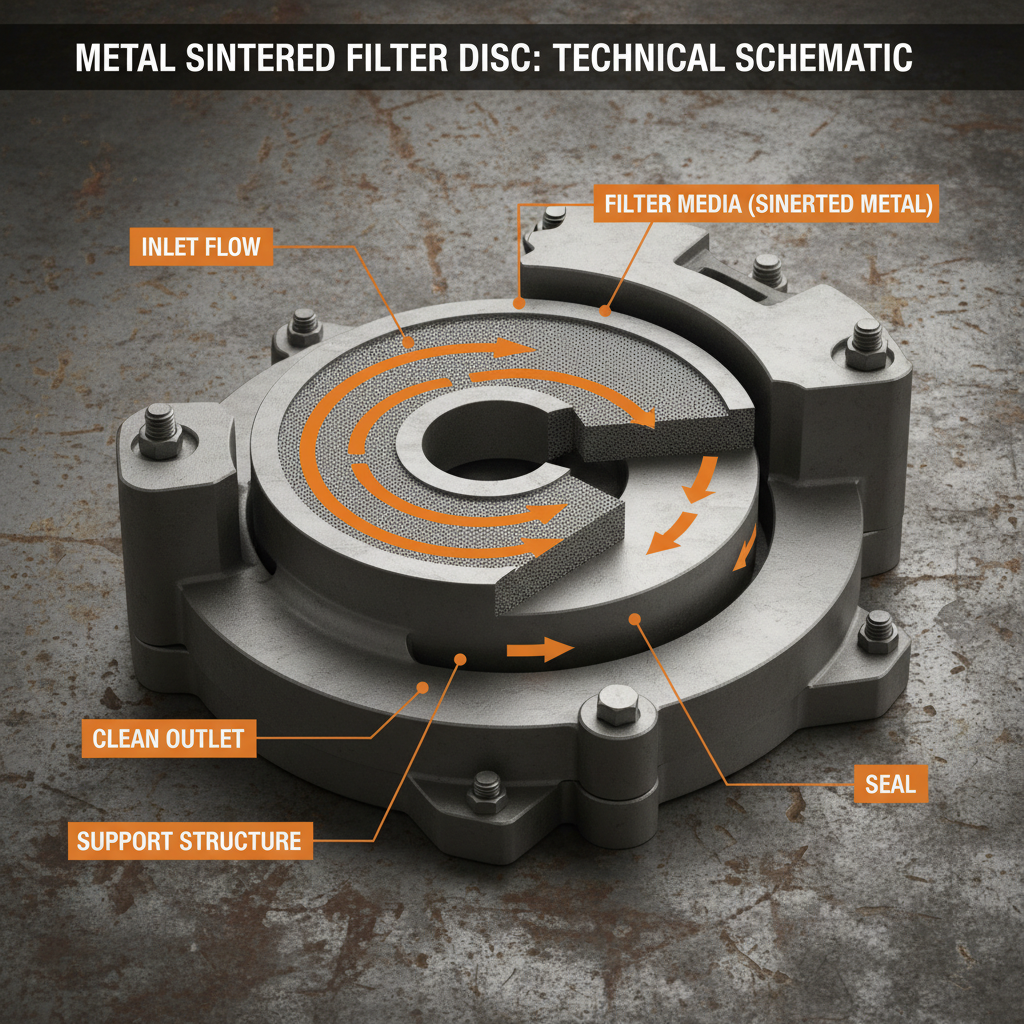
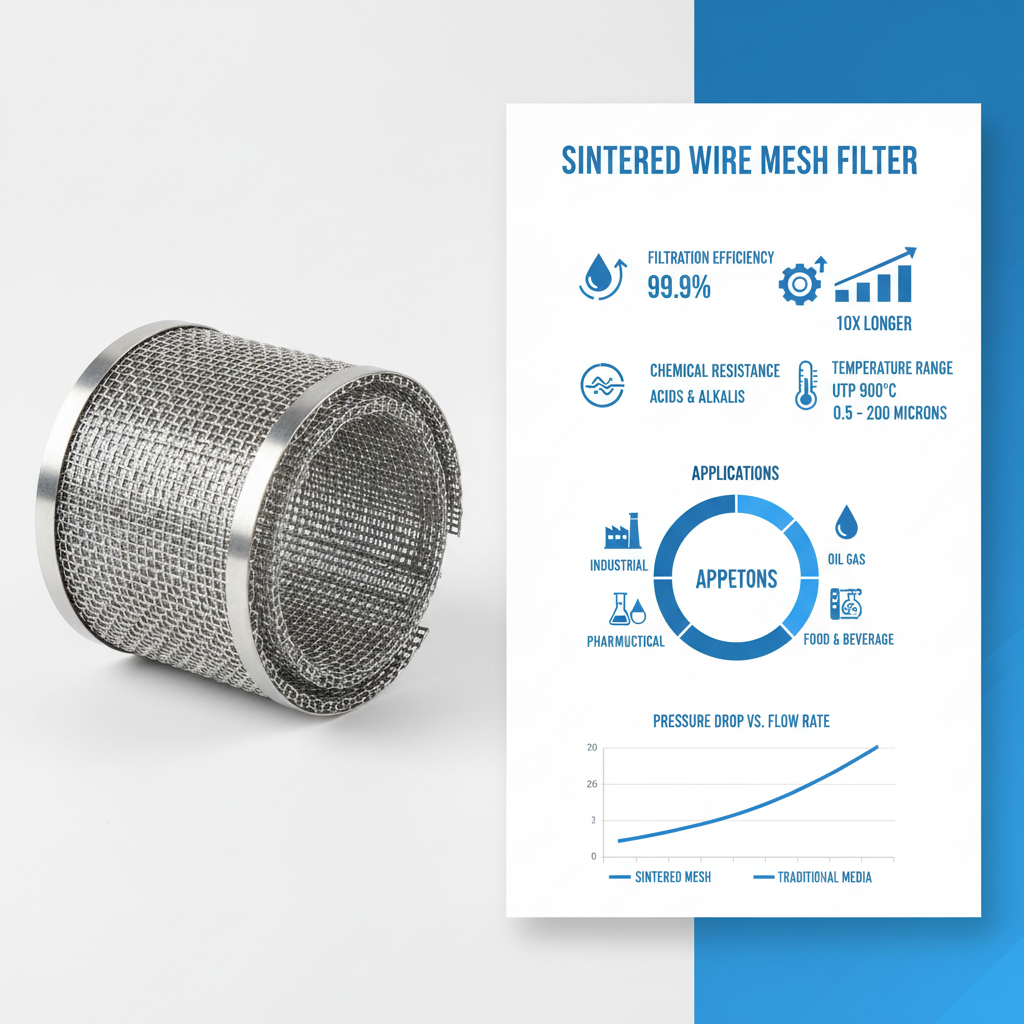
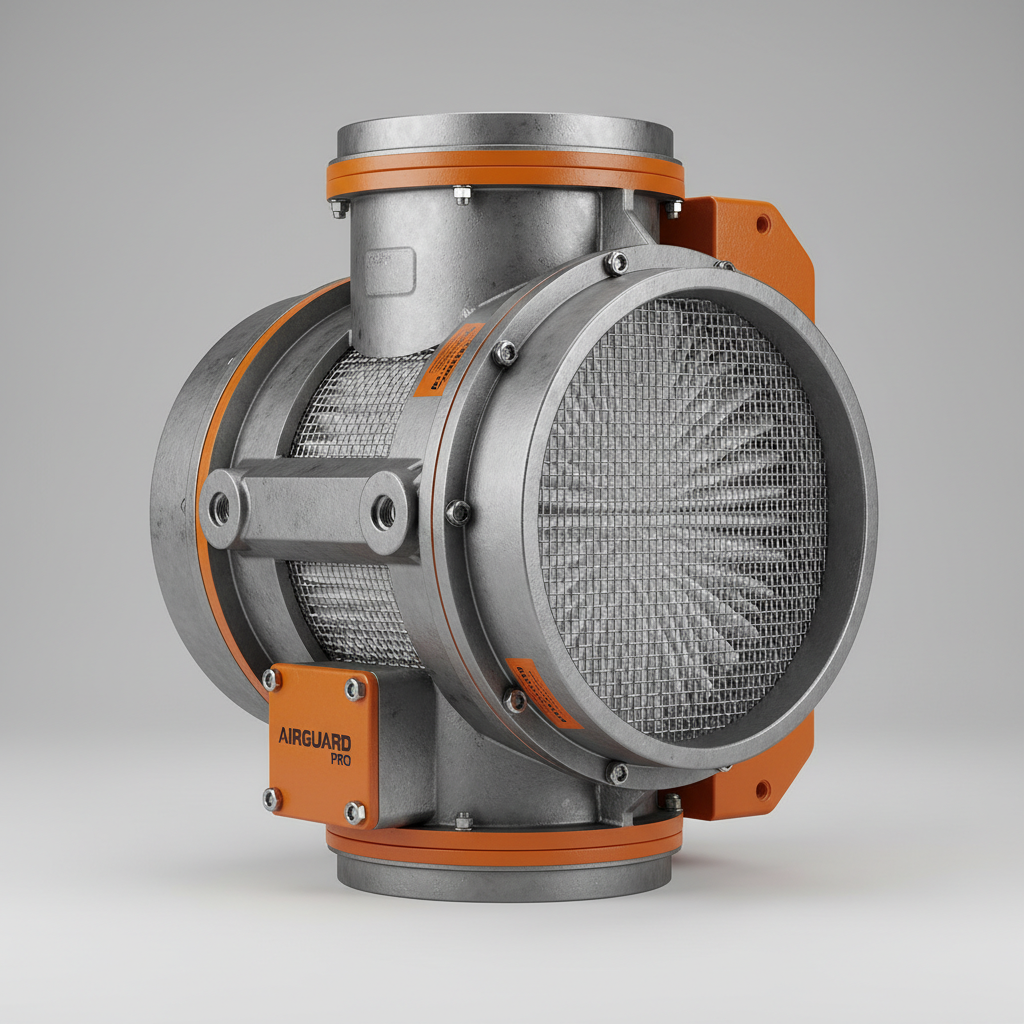
To be honest, things have been crazy busy lately. Everyone's talking about Industry 4.0, smart factories, and all that jazz. But down on the ground, where the real work happens, it’s still about finding reliable materials that won’t fall apart after a week. Titanium porous filters...they’ve been gaining traction, slowly but surely. It’s not a flash-in-the-pan thing, more like a quiet revolution. Have you noticed how everyone’s obsessed with efficiency? These filters fit right into that, helping with everything from separating solids to gas filtration.
It's a bit strange, though. You see so many designs that look good on paper, but completely fall apart when you actually try to build them. I encountered this at a factory in Zhejiang province last time; they’d designed a filter housing that was beautiful, all curved lines and polished stainless steel. But it was a nightmare to manufacture, and the titanium porous filter itself didn’t quite fit right. Always remember, simplicity is key. Don’t overcomplicate things.
The filters themselves… they’re not like working with plastic or even regular metal. The titanium feels…different. Almost warm to the touch, even when it’s cold. And there’s this faint metallic smell when you’re handling it, not unpleasant, just…distinct. We usually get them in sheets, and the guys on the line are really careful cutting them – you don't want to damage the porous structure, obviously. We mainly use grade 2 titanium for the porous part, it’s a good balance of strength and cost, though for highly corrosive environments, we’ve switched to grade 5. It costs a pretty penny, but it lasts.
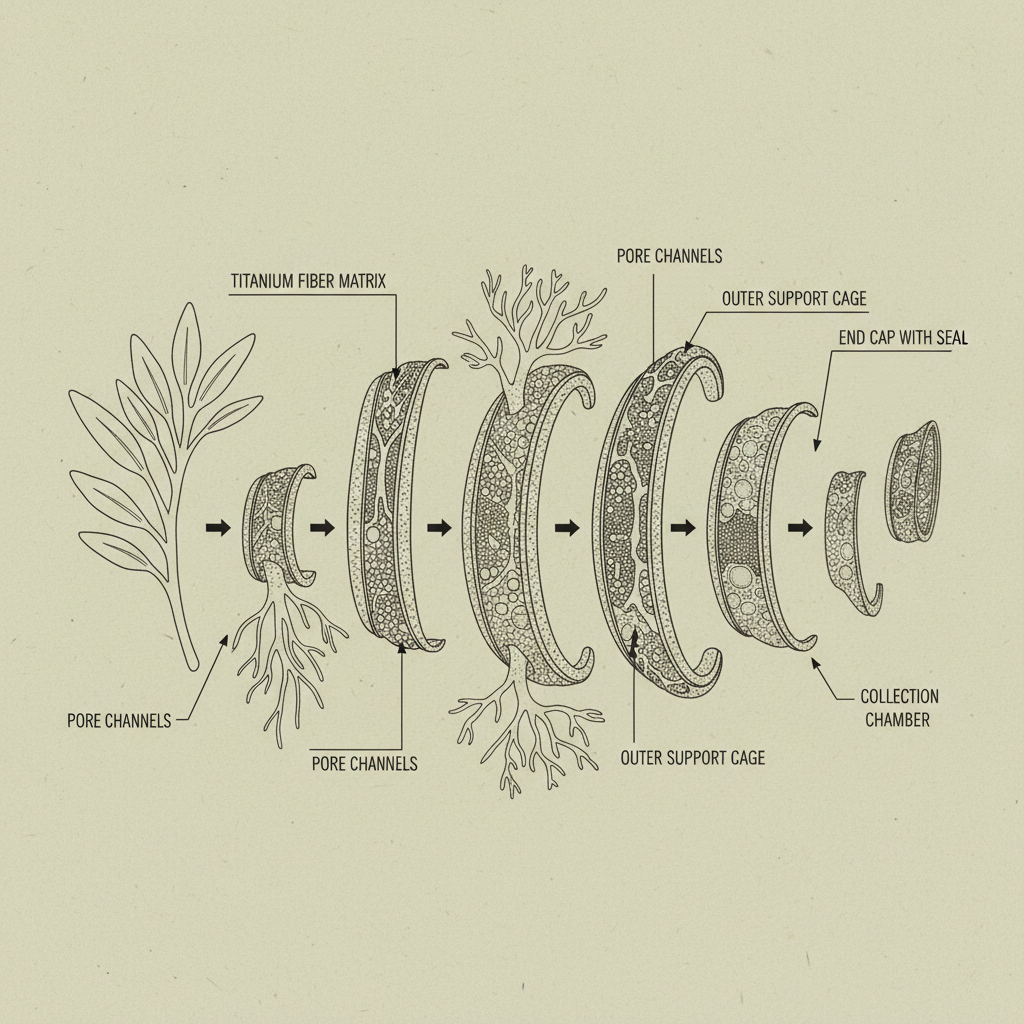
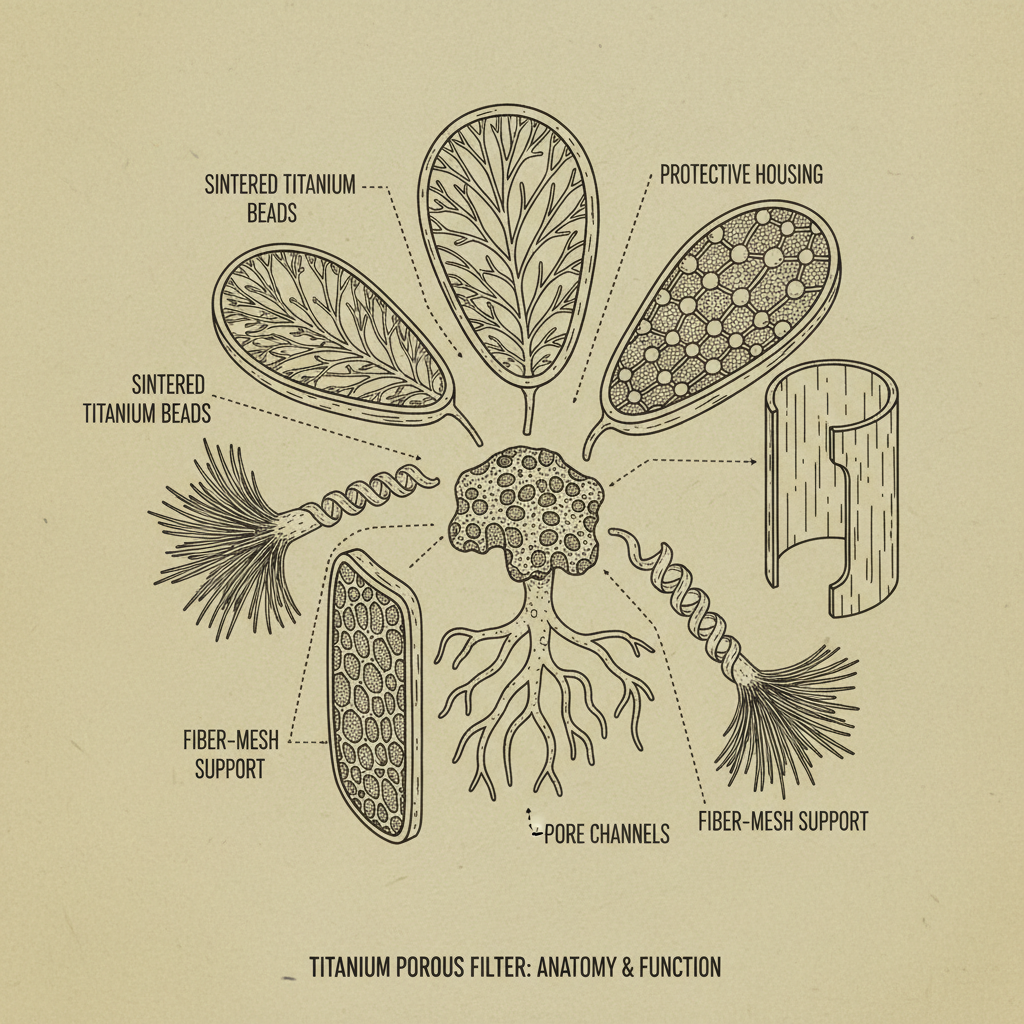
Anyway, I think the demand is driven by the need for more efficient separation processes. Whether it’s filtering out particles in the pharmaceutical industry, cleaning up exhaust gases, or even just improving the lifespan of industrial machinery, these filters are proving their worth. They're popping up everywhere - water treatment, chemical processing, even aerospace. It's not just about fancy tech, either. A lot of these companies are looking for long-term cost savings, and titanium porous filters, despite the initial investment, often deliver.
The global market is projected to grow significantly in the next few years. I saw a report from ISO last month projecting a 7% annual growth rate through 2028. It’s a fairly niche market still, but the potential is huge, especially in developing economies where industrialization is ramping up.
Lead times can vary significantly depending on the complexity of the customization and our current workload. Generally, for standard modifications, expect around 4-6 weeks. For highly specialized designs requiring new tooling or materials, it could take 8-12 weeks or longer. We always provide a detailed timeline upfront, and we’re transparent about any potential delays.
Determining the right pore size depends on the size of the particles you need to remove. We recommend starting with a sample of your fluid and performing a particle size analysis. Based on the results, we can recommend a pore size that will achieve the desired filtration efficiency. We also offer testing services to validate the performance of the filter in your specific application.
Titanium is highly corrosion-resistant, but it's not immune to all chemicals. It performs exceptionally well with most acids, alkalis, and saltwater. However, it can be susceptible to attack by certain concentrated acids and chlorine compounds. We recommend consulting a corrosion resistance chart or contacting us directly to verify compatibility with your specific fluid.
Cleaning depends on the type of fouling. Generally, a backflush with water or a mild detergent solution is sufficient. Avoid using abrasive cleaners or harsh chemicals, as they can damage the porous structure. For stubborn fouling, ultrasonic cleaning may be necessary. Regular inspection is crucial to identify any signs of damage or clogging.
Titanium porous filters are typically more expensive upfront than stainless steel filters. However, their superior durability, corrosion resistance, and longer lifespan often result in lower total cost of ownership over time. Stainless steel filters may require more frequent replacement, leading to higher maintenance costs and downtime.
We offer titanium porous filters with various certifications, including ISO 9001 for quality management and material certificates confirming the titanium grade and composition. Depending on the application, we can also provide filters certified to meet specific industry standards, such as those required for pharmaceutical or food processing.
So, titanium porous filters. They’re not a magic bullet, and they’re definitely not the cheapest option. But they offer a unique combination of performance, durability, and corrosion resistance that makes them ideal for a wide range of applications. They're becoming increasingly important in industries where reliability and efficiency are paramount.
Ultimately, whether this thing works or not, the worker will know the moment he tightens the screw. If it feels solid, if it seals properly, if it does the job – then it's a good filter. And that's all that really matters. For more information, or to discuss your specific needs, visit our website: chinaporousfilters.com.