Sintered titanium cylinder filters represent a crucial advancement in filtration technology, impacting diverse industries from aerospace and chemical processing to medical device manufacturing and water purification. These filters are not merely components; they are enabling technologies that address critical needs for purity, efficiency, and durability in increasingly demanding applications. Understanding their properties and potential is essential for engineers, researchers, and professionals seeking optimal filtration solutions in a global landscape grappling with resource scarcity and stringent quality control standards.
The increasing demand for high-performance filtration is driven by a global focus on sustainability, public health, and technological innovation. Industries are continually seeking ways to minimize waste, improve product quality, and comply with increasingly strict environmental regulations. Sintered titanium cylinder filters directly address these challenges by offering superior filtration efficiency, extended service life, and resistance to harsh operating conditions, positioning them as a cornerstone of modern industrial processes.
The significance of sintered titanium cylinder filters extends beyond individual applications. They contribute to broader societal goals such as providing access to clean water, enhancing medical treatments, and reducing environmental pollution. As technological advancements continue, these filters will undoubtedly play an even greater role in shaping a more sustainable and technologically advanced future, making their comprehensive understanding paramount for a wide range of stakeholders.
The Core Principles of Sintered Titanium Cylinder Filters
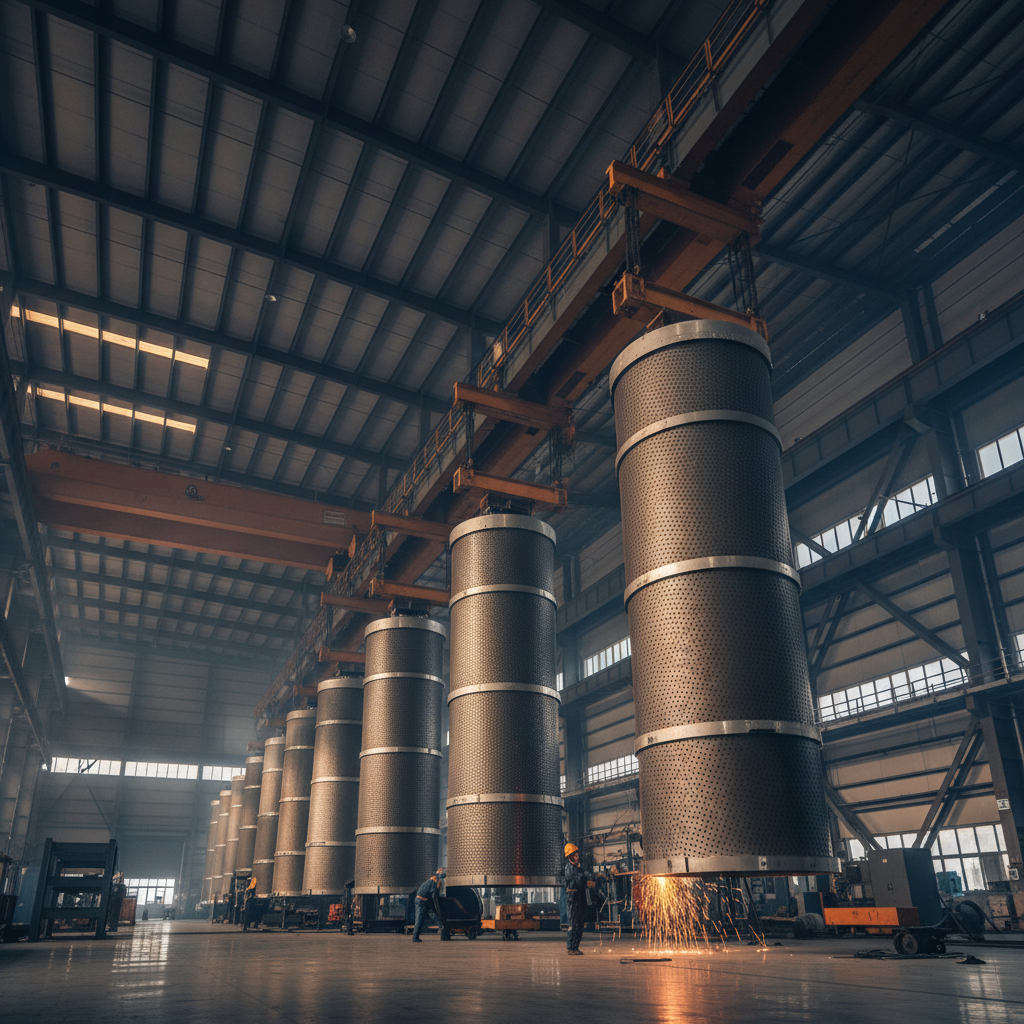
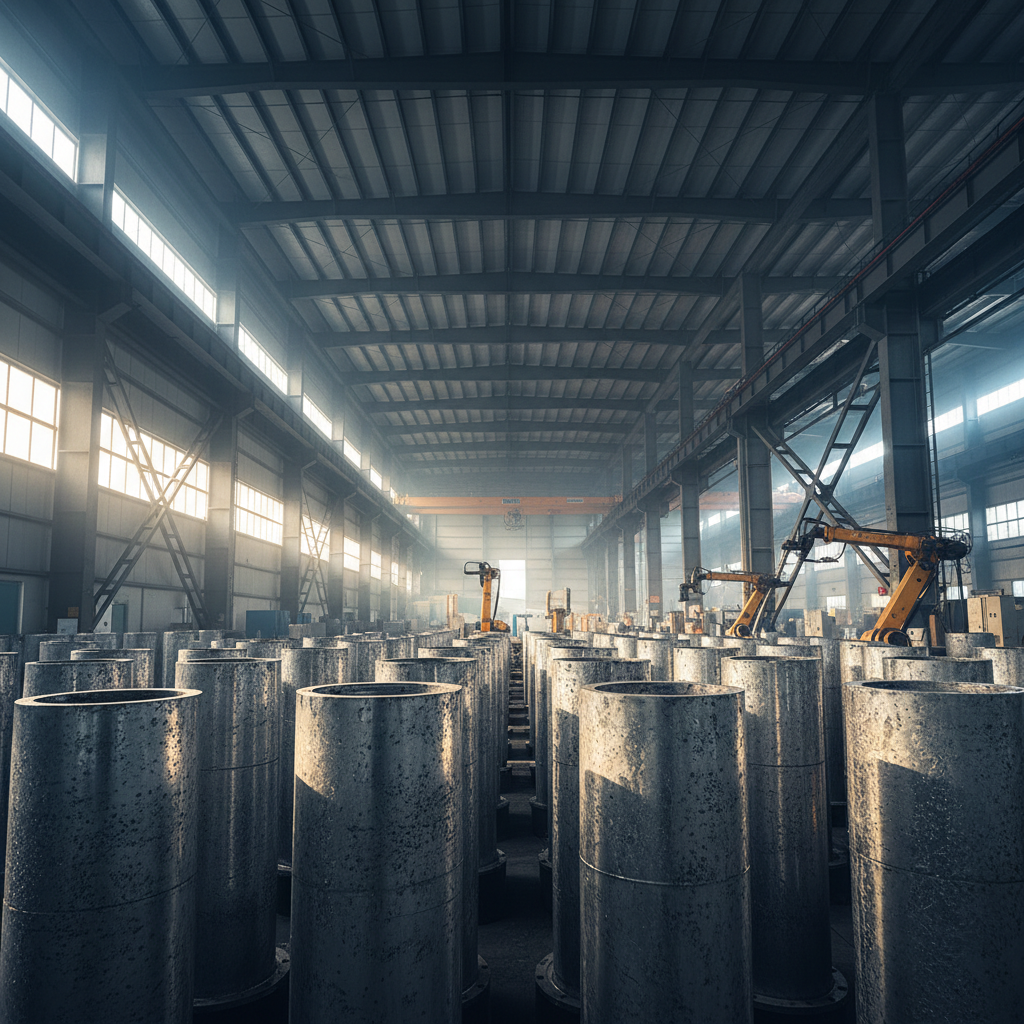
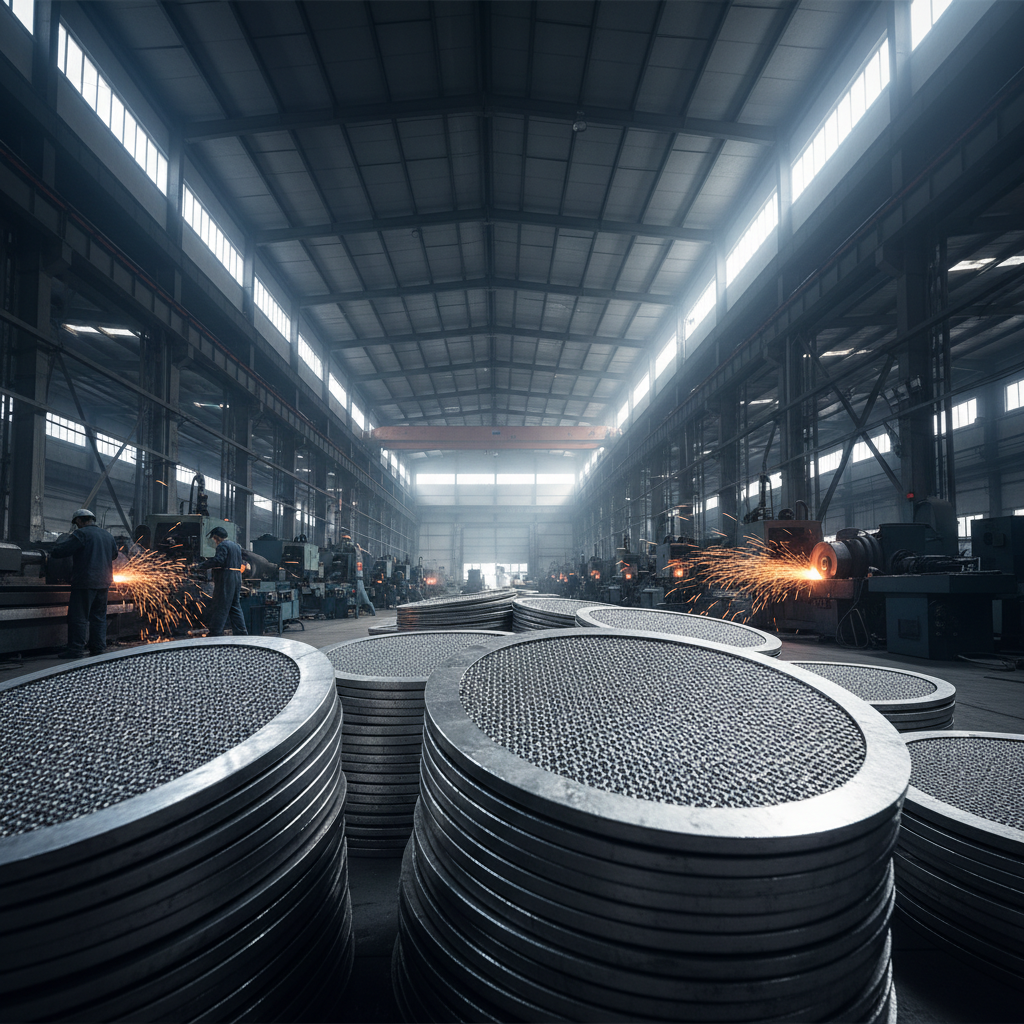
The foundation of sintered titanium cylinder filters lies in a unique manufacturing process. Titanium powder is carefully compacted into a cylindrical shape, then heated to a high temperature – below the melting point – in a vacuum or inert atmosphere. This sintering process fuses the particles together, creating a porous structure with interconnected pathways. The resulting filter exhibits exceptional strength, corrosion resistance, and permeability.
The pore size distribution within these filters is precisely controlled during the sintering process, enabling customization for specific filtration requirements. This control allows for the removal of particles ranging from macroscopic debris to microscopic contaminants, making them suitable for a vast array of applications requiring high levels of purity and precise separation. sintered titanium cylinder filters are known for their high precision and customized solutions.
Global Relevance and Industry Impact
Sintered titanium cylinder filters are globally relevant due to the universal need for clean fluids and gases across various industries. According to the World Health Organization, billions of people lack access to safe drinking water, driving demand for advanced filtration technologies. Furthermore, the ISO standards for air quality and pharmaceutical manufacturing necessitate high-efficiency filtration, propelling the adoption of these filters in developed nations. The global filtration market is estimated to reach \$150 billion by 2027, demonstrating the substantial and growing demand for solutions like sintered titanium filters.
The impact on industries is transformative. In pharmaceuticals, they ensure the sterility of drug products. In aerospace, they protect critical engine components from damaging particles. In the chemical industry, they facilitate the separation of valuable compounds. The demand for high-performance filters is directly linked to the growing complexity of industrial processes and the increasing need for product quality control, making sintered titanium cylinder filters indispensable.
A key challenge addressed by these filters is the increasing scarcity of resources and the need for efficient separation processes. Traditional filtration methods often struggle to meet the demands of modern applications. Sintered titanium offers a robust and reusable solution, minimizing waste and reducing the overall environmental footprint of industrial operations. They are becoming essential for companies striving for sustainability and operational efficiency.
Defining Sintered Titanium Cylinder Filters
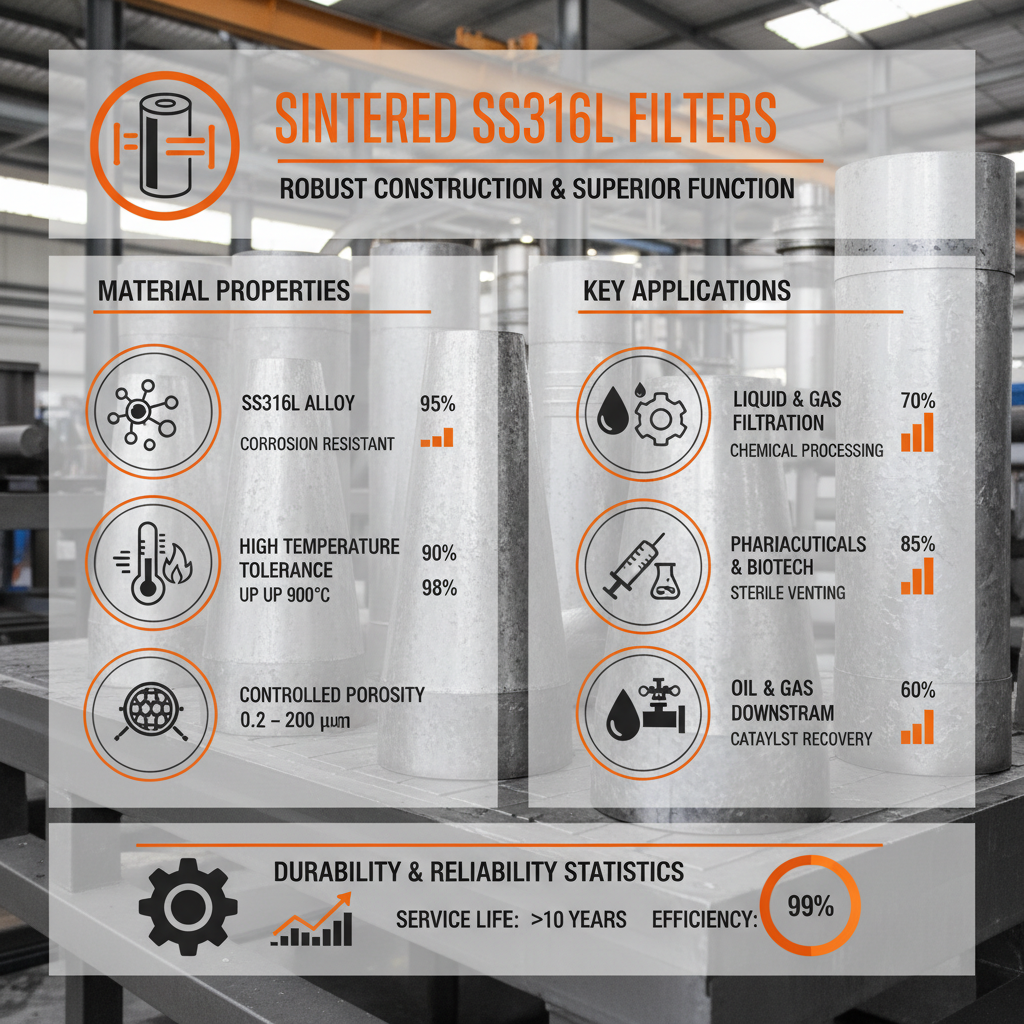
Sintered titanium cylinder filters are porous filtration media constructed from titanium powder that has been compacted and heated to create a solid, interconnected network of pores. Unlike woven or membrane filters, sintered titanium filters possess a uniform pore size distribution and excellent mechanical strength. This robust construction allows them to withstand high pressures, temperatures, and corrosive environments.
The connection to modern industry stems from the increasing need for highly reliable and efficient filtration in critical applications. From purifying hydraulic fluids in heavy machinery to sterilizing air in operating rooms, these filters play a vital role in ensuring process integrity and product quality. The ability to customize pore size and filter geometry makes them adaptable to a wide range of industrial processes and unique application requirements.
Furthermore, these filters address a growing humanitarian need for access to clean water. Sintered titanium’s corrosion resistance and biocompatibility make it ideal for water purification systems in remote or disaster-stricken areas. Their durability and low maintenance requirements make them a cost-effective solution for long-term clean water provision, positively impacting public health and well-being.
Key Performance Characteristics
The exceptional durability of sintered titanium cylinder filters is a defining feature. Titanium's inherent resistance to corrosion, wear, and fatigue ensures a long service life, even in harsh operating conditions. This reduces the frequency of filter replacements, lowering maintenance costs and minimizing downtime. This feature is crucial in industries where continuous operation is paramount.
The scalability of these filters allows for customization in size, shape, and pore size to meet specific application needs. They can be manufactured in various geometries, including cylinders, discs, and tubes, making them adaptable to diverse filtration systems. The precise control over pore size distribution ensures optimal filtration performance for a wide range of particle sizes.
Comparison of Filtration Efficiency Across Different Sintered Titanium Cylinder Filters Methods
Diverse Applications Across Industries
In the aerospace industry, sintered titanium cylinder filters are used in hydraulic systems and fuel filtration to protect sensitive components from contaminants, ensuring reliable performance in extreme environments. Within the pharmaceutical sector, they are crucial for sterilizing air and liquids, guaranteeing the purity and safety of drug products. This is vital for complying with stringent regulatory standards.
The chemical processing industry leverages these filters for the separation of catalysts, purification of solvents, and removal of particulate matter from process streams. Their resistance to corrosive chemicals and high temperatures makes them ideal for these challenging applications. Furthermore, in the food and beverage industry, they are employed for clarifying liquids and removing unwanted particles, enhancing product quality and safety.
Advantages and Long-Term Value Proposition
The cost-effectiveness of sintered titanium cylinder filters extends beyond their initial purchase price. Their long service life and reduced maintenance requirements translate into significant savings over time. While the upfront cost may be higher than some alternative filtration solutions, the total cost of ownership is often lower due to their durability and reusability.
From a sustainability perspective, sintered titanium filters contribute to a circular economy by reducing waste and minimizing the need for frequent replacements. The biocompatibility of titanium also enhances their appeal, making them suitable for applications where environmental impact is a major concern. This commitment to sustainability aligns with the growing global emphasis on responsible manufacturing practices.
Future Trends and Innovations in Filtration
The future of sintered titanium cylinder filters is intertwined with advancements in materials science and manufacturing technology. Ongoing research focuses on developing new titanium alloys with enhanced properties, such as improved corrosion resistance and higher strength-to-weight ratios. These advancements will enable the creation of even more durable and efficient filters.
Digital transformation and automation are also playing a key role. Smart filters equipped with sensors and data analytics capabilities will provide real-time monitoring of filter performance, allowing for predictive maintenance and optimized operation. Integration with the Industrial Internet of Things (IIoT) will further enhance efficiency and reduce downtime. This will lead to increased trust in the filters to deliver optimal performance.
The integration of nanotechnology offers promising avenues for tailoring pore size and surface properties, creating filters with unprecedented selectivity and efficiency. This will open up new possibilities for applications in areas such as biomedical engineering, environmental remediation, and advanced materials processing.
FAQS
The lifespan of a sintered titanium cylinder filter in a chemical processing plant varies depending on the specific application, the corrosiveness of the chemicals, and the operating pressure and temperature. However, due to titanium’s exceptional corrosion resistance and robust construction, these filters typically last 5-10 years, significantly longer than filters made from other materials like stainless steel. Regular backwashing and cleaning can further extend their lifespan.
Yes, sintered titanium cylinder filters are exceptionally well-suited for high-temperature applications. Titanium maintains its strength and corrosion resistance at temperatures up to 600°C (1112°F), making them ideal for processes like hot gas filtration, exhaust gas treatment, and high-temperature chemical reactions. They are often used in aerospace and power generation industries for these reasons.
Determining the appropriate pore size requires a thorough understanding of the particles or contaminants you need to remove. Generally, the pore size should be slightly smaller than the size of the particles you want to filter out. It’s recommended to consult with a filtration specialist or utilize particle size analysis to accurately assess your needs. sintered titanium cylinder filters offers guidance on pore size selection based on application requirements.
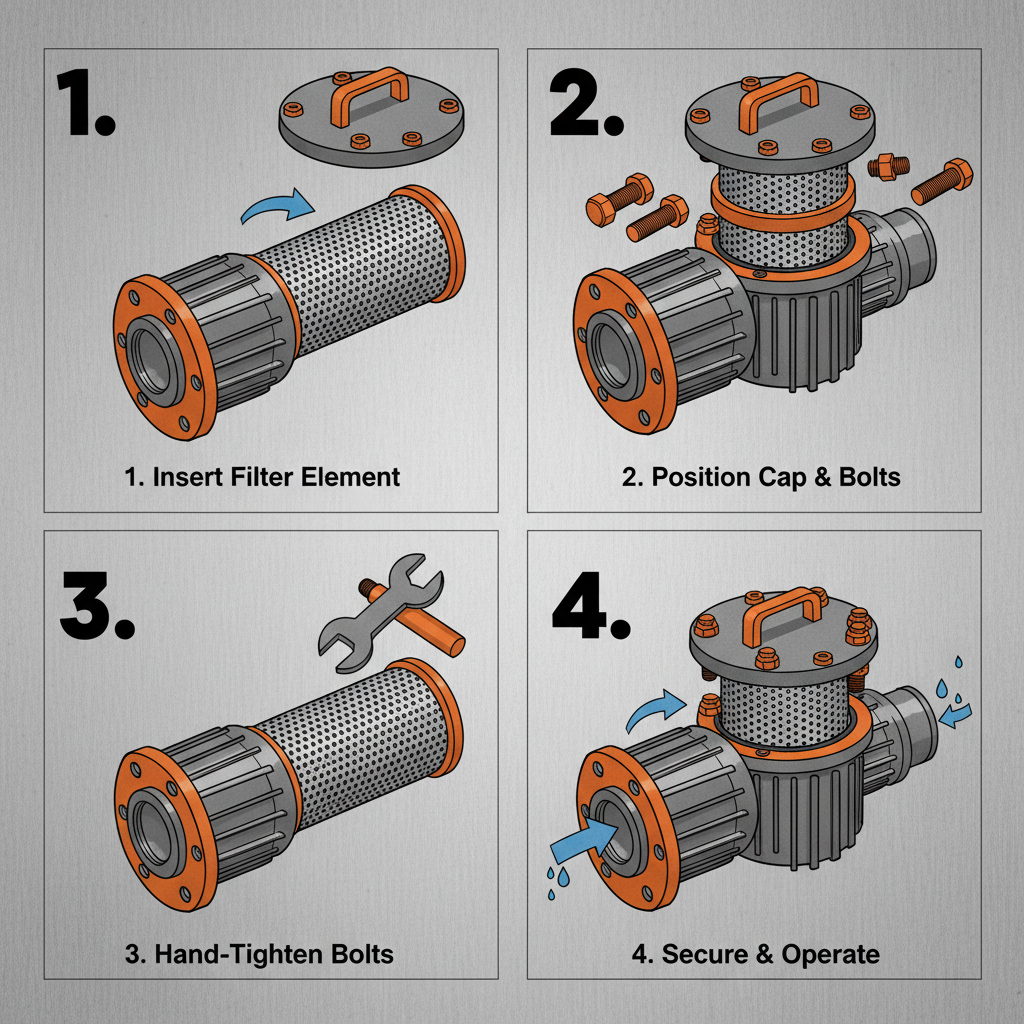
Sintered titanium cylinder filters can be cleaned using various methods, including backwashing with compressed air or liquids, ultrasonic cleaning, and chemical cleaning. The specific cleaning procedure depends on the type of contaminants and the filter’s application. Avoid abrasive cleaners that could damage the porous structure. Regular cleaning maintains optimal flow rates and filtration efficiency.
Absolutely. Sintered titanium cylinder filters are highly customizable. Manufacturers can produce filters in various shapes, including cylinders, discs, tubes, and even complex geometries, to fit specific equipment and application requirements. Customization options also include pore size, permeability, and surface treatments to optimize performance.
Yes, there are several environmental benefits. Their long lifespan reduces the frequency of replacements, minimizing waste. Titanium is a biocompatible and recyclable material. Furthermore, their efficient filtration capabilities can help reduce pollution and conserve resources by optimizing processes and preventing the release of harmful substances. The durability of sintered titanium cylinder filters contribute to sustainability.
Conclusion
Sintered titanium cylinder filters stand as a testament to innovative materials science and engineering, offering unparalleled performance, durability, and adaptability across a wide range of industries. Their ability to address critical challenges related to filtration, purity, and sustainability positions them as essential components in modern industrial processes and humanitarian efforts. By understanding their core principles and advantages, professionals can leverage their potential to improve efficiency, reduce costs, and contribute to a more sustainable future.
Looking ahead, continued advancements in materials science, nanotechnology, and digital integration will further enhance the capabilities of these filters. Investing in research and development, alongside collaborative efforts between manufacturers and end-users, is crucial for unlocking their full potential. Embracing these innovations will solidify the role of sintered titanium cylinder filters as a cornerstone of filtration technology for years to come. Visit our website: www.chinaporousfilters.com