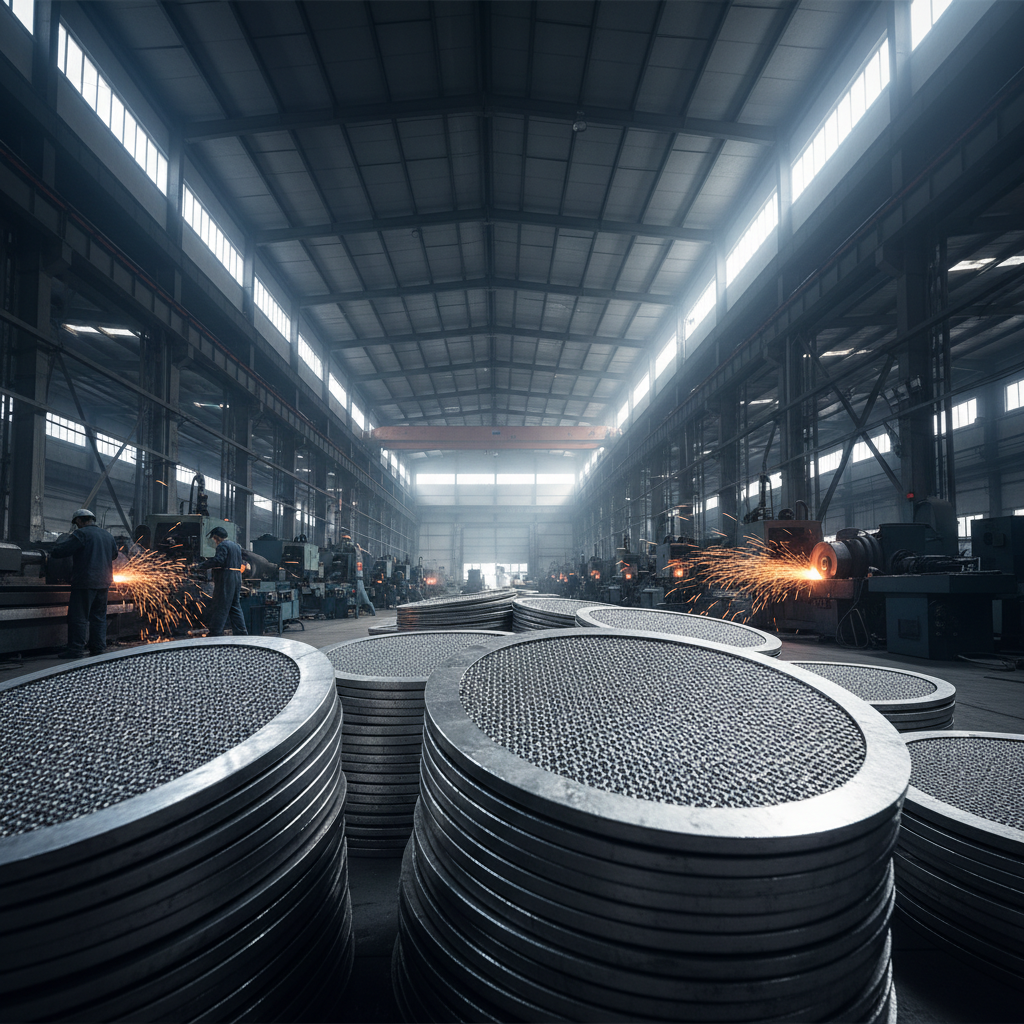
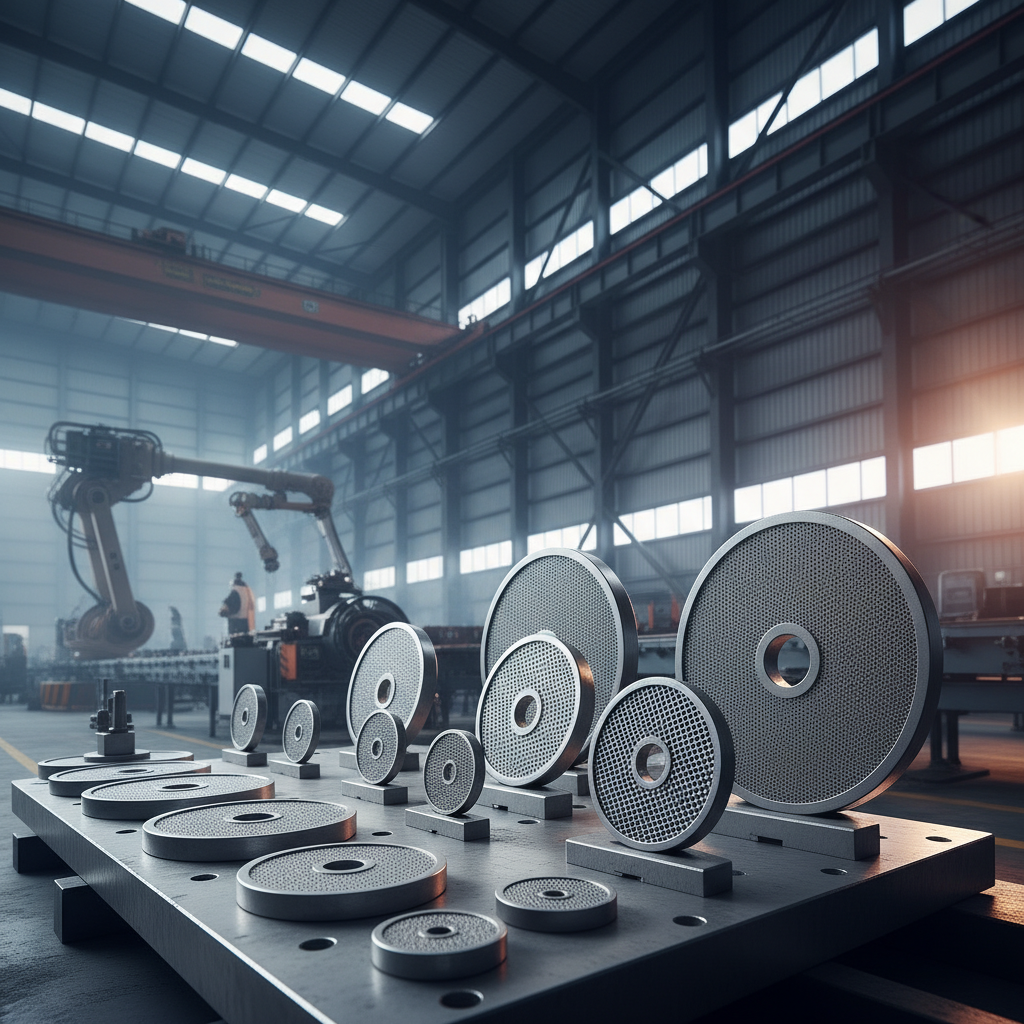
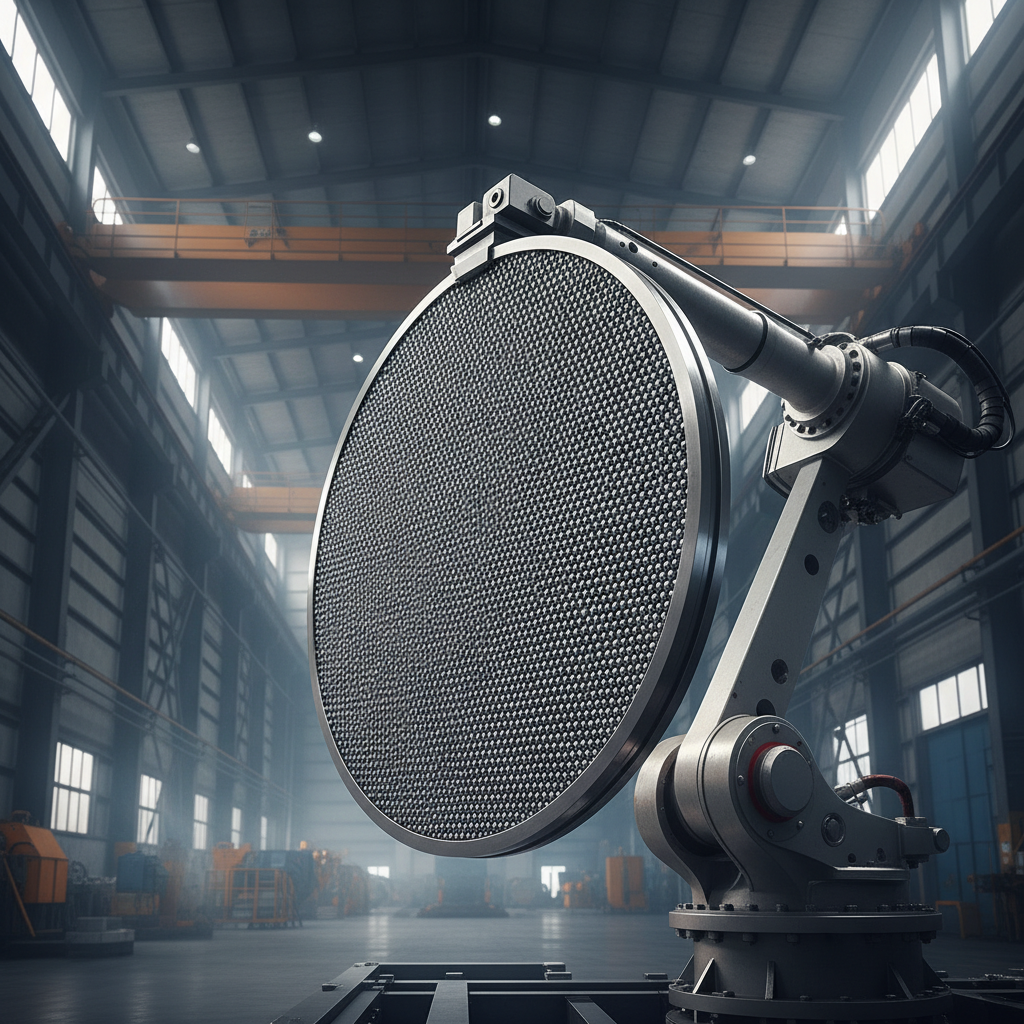
Sintered ss316l filter discs represent a critical component in a wide range of industrial and scientific applications, offering exceptional filtration capabilities and durability. Their unique manufacturing process—where metal powders are compressed and heated to create a porous structure—results in filters capable of withstanding high pressures, temperatures, and corrosive environments. Understanding the properties and applications of these discs is paramount for optimizing processes and ensuring product quality across numerous sectors.
The global demand for high-performance filtration solutions is steadily increasing, driven by stringent regulations related to air and water quality, coupled with the growth of industries like pharmaceuticals, food and beverage, and chemical processing. Sintered ss316l filter discs directly address this need, offering a robust and reliable alternative to traditional filter materials. The ongoing need for efficient separation technologies will continue to propel innovation and expand the use of these specialized filters.
The benefits extend beyond industrial processes. In critical applications such as medical device manufacturing and aerospace, the consistent and reliable performance of sintered ss316l filter discs is essential for safety and efficacy. The precise control over pore size and permeability allows for customized filtration solutions, tailored to specific application requirements.
Introduction to Sintered SS316L Filter Discs
Sintered ss316l filter discs aren’t simply filters; they are engineered solutions designed for demanding environments. The 316L stainless steel grade offers exceptional resistance to corrosion, making these discs ideal for applications involving aggressive chemicals or high-salinity conditions. This inherent durability extends the lifespan of the filter, reducing maintenance costs and downtime.
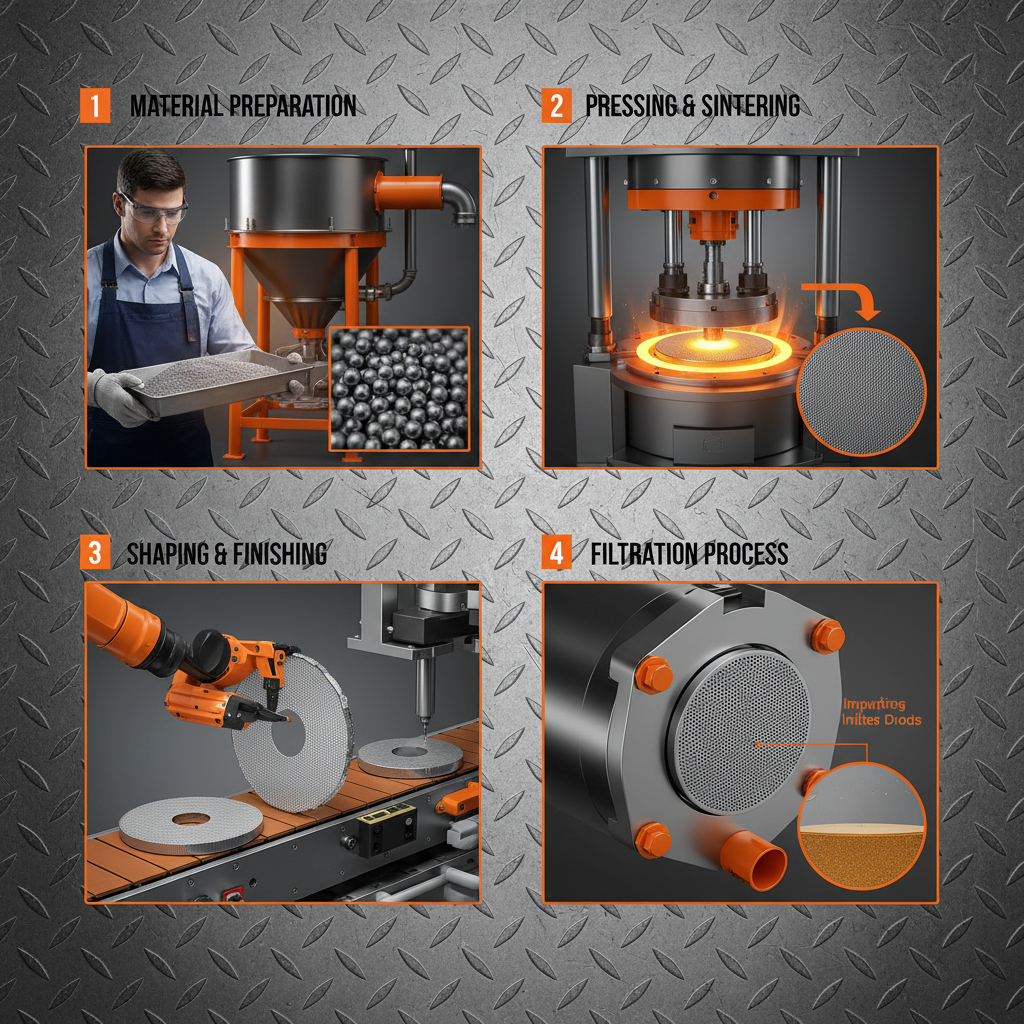
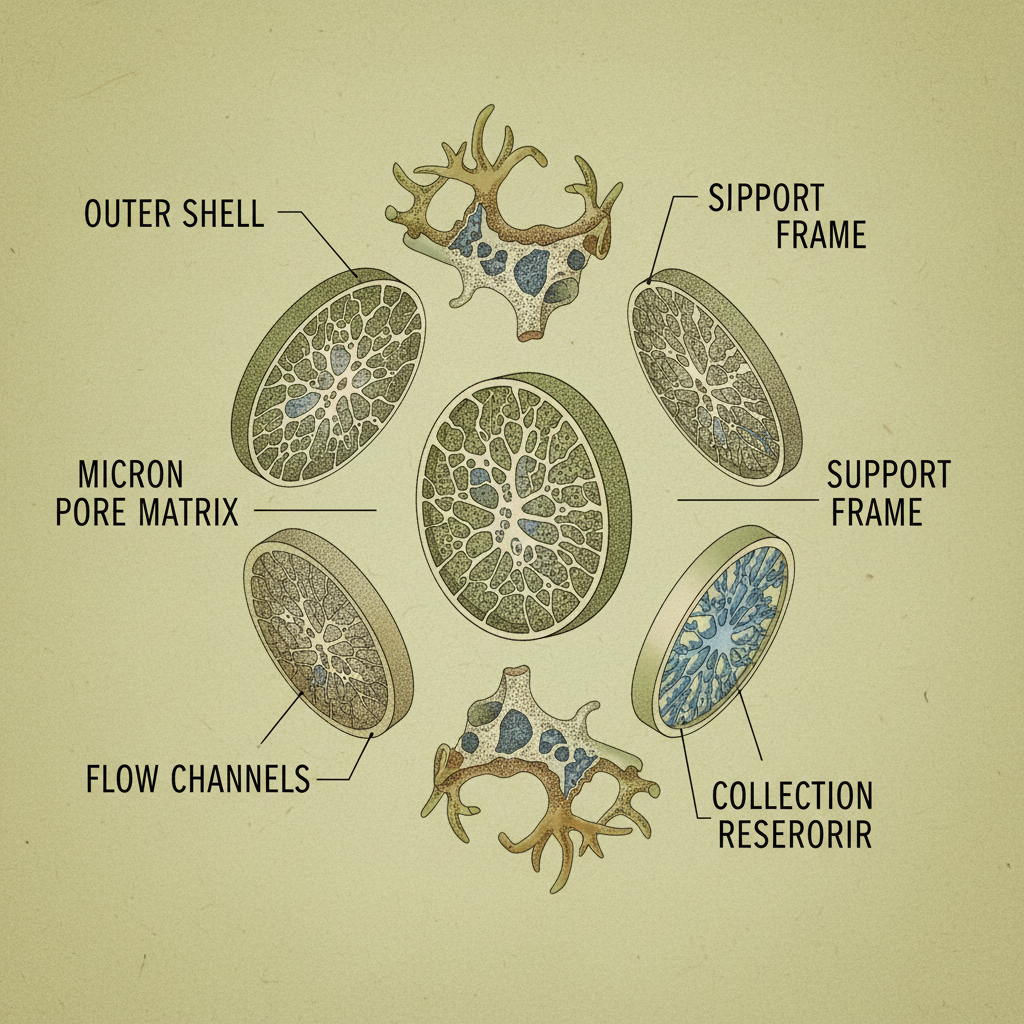
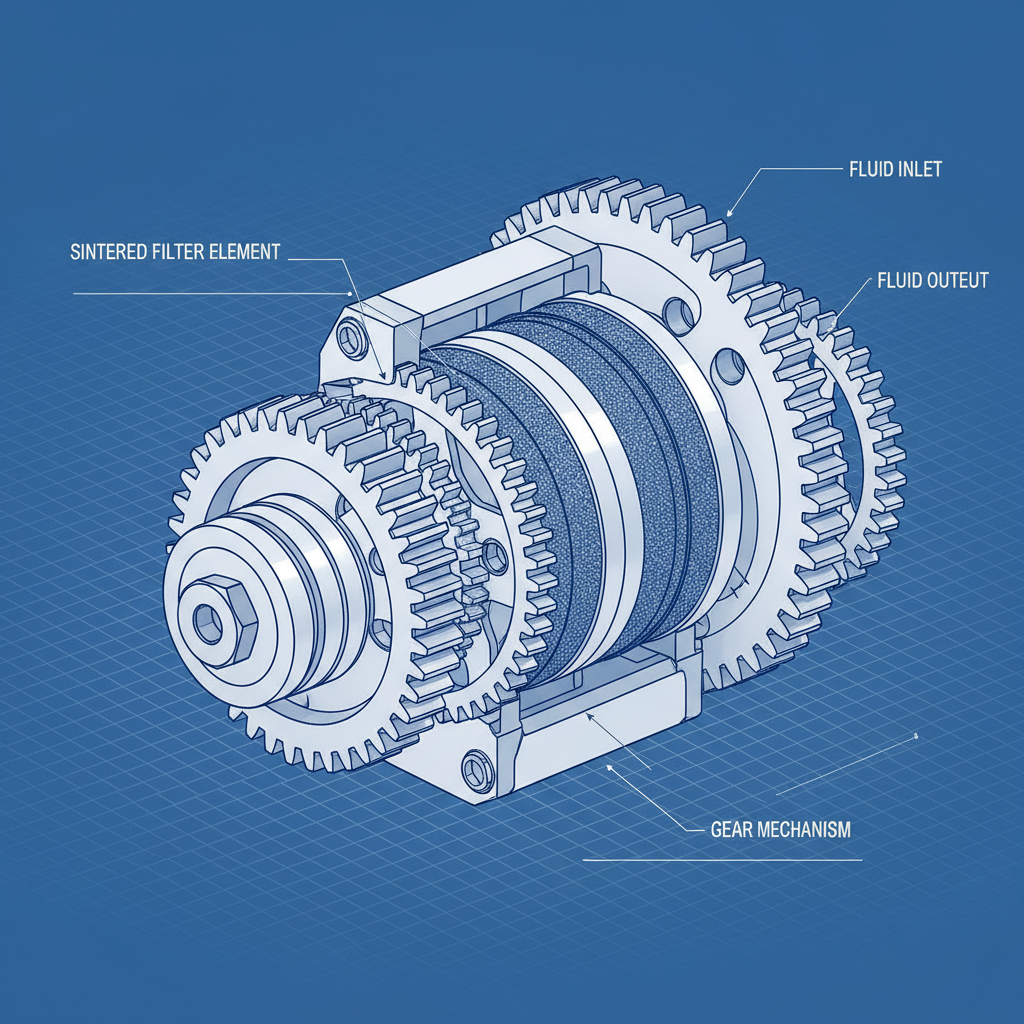
The manufacturing process involves compacting fine 316L stainless steel powder into the desired shape and then heating it to a temperature below the melting point. This process fuses the particles together, creating a strong, porous structure with controlled pore sizes. The resulting filter media offers a superior combination of strength, permeability, and chemical resistance compared to traditional woven wire mesh or polymeric filters.
Global Relevance and Industry Context
The need for effective filtration solutions is a global challenge, impacting diverse industries ranging from pharmaceuticals and food processing to oil and gas and water treatment. According to a report by the Global Water Intelligence, the global water and wastewater treatment market is projected to reach $373.8 billion by 2028, demonstrating the growing demand for advanced filtration technologies. Sintered ss316l filter discs play a crucial role in meeting this demand.
Increasingly stringent environmental regulations worldwide are driving the adoption of more efficient and reliable filtration systems. Organizations like the ISO and EPA are setting higher standards for water and air quality, compelling industries to invest in technologies that can consistently meet these standards. Sintered ss316l filter discs offer a cost-effective and sustainable solution for achieving compliance.
Furthermore, geopolitical factors and resource scarcity are contributing to the need for robust and long-lasting filtration solutions. In regions facing water stress, for example, efficient water purification systems are essential for public health and economic stability. Sintered ss316l filter discs can provide reliable filtration in these challenging environments.
Defining Sintered SS316L Filter Discs
Sintered ss316l filter discs are porous filtration media created from 316L stainless steel powder. Unlike traditional filters made from woven wire or fabrics, sintered filters are created by bonding metal particles together using heat and pressure. This process results in a filter with a highly uniform pore structure and exceptional mechanical strength.
The “sintered” aspect is crucial. It’s not simply a compressed powder; the high-temperature process creates metallurgical bonding between the particles. This bonding gives the filter its rigidity and resistance to deformation, even under high differential pressures. The 316L grade of stainless steel is specifically chosen for its excellent corrosion resistance, particularly in chloride-rich environments.
Their connection to modern industry and humanitarian needs lies in their ability to precisely and reliably separate solids from liquids or gases. This capability is vital in processes such as pharmaceutical manufacturing (sterilization), beverage production (clarification), and water purification (removing contaminants), improving the quality of products and protecting public health.
Key Factors and Core Components
Several key factors contribute to the superior performance of sintered ss316l filter discs. One crucial aspect is Durability. The 316L stainless steel construction provides exceptional resistance to corrosion, high temperatures, and pressure differentials, ensuring a long service life and reducing the need for frequent replacements.
Another important factor is Pore Size Control. The sintering process allows for precise control over the size and distribution of pores, enabling the filter to remove particles of a specific size range with high efficiency. This is critical for applications requiring stringent purity standards.
sintered ss316l filter discs Performance Metrics
Global Applications & Use Cases
Sintered ss316l filter discs find diverse applications across numerous industries globally. In the pharmaceutical sector, they are widely used for sterile filtration of liquids and gases, ensuring the purity and safety of drug products. The high level of contamination control is crucial in this highly regulated industry.
Within the food and beverage industry, these discs are used for clarifying juices, wines, and beers, removing unwanted particles and improving product clarity. In post-disaster relief operations, portable water purification systems utilizing sintered ss316l filter discs can provide access to safe drinking water in areas where infrastructure has been damaged.
Advantages & Long-Term Value
The tangible benefits of using sintered ss316l filter discs include reduced operating costs due to their long lifespan and minimal maintenance requirements. The inherent strength and corrosion resistance translate to lower replacement frequency, saving money in the long run. Furthermore, their superior filtration efficiency minimizes product loss and waste.
Beyond cost savings, the sustainability aspect is significant. The durability of these discs contributes to reduced waste generation, aligning with circular economy principles. From a safety perspective, they provide reliable and consistent performance, minimizing the risk of contamination and ensuring product quality. This fosters trust and confidence among end-users.
Future Trends & Innovations
Ongoing research and development are focused on enhancing the performance and functionality of sintered ss316l filter discs. Innovations include incorporating nanomaterials to create filters with even smaller pore sizes and higher filtration efficiency. Another trend is the integration of sensors and monitoring systems to provide real-time data on filter performance and predict maintenance needs.
The increasing demand for sustainable solutions is driving the development of more eco-friendly manufacturing processes for sintered filters. Digital transformation and automation are also playing a role, enabling more precise control over the sintering process and improving product quality. The confluence of these technologies promises to unlock even greater potential for sintered ss316l filter discs in the years to come.
FAQS
The lifespan of a sintered ss316l filter disc depends on the application and the characteristics of the fluid being filtered. However, due to the durability of 316L stainless steel and the robust sintering process, these discs typically last significantly longer than traditional filter media, often exceeding several years with proper maintenance and cleaning. Regular backwashing and inspection are key to maximizing their service life.
Yes, sintered ss316l filter discs are exceptionally well-suited for high-temperature applications. 316L stainless steel maintains its strength and corrosion resistance at elevated temperatures, often up to 800°C (1472°F) depending on the specific design and application. This makes them ideal for processes such as hot gas filtration or steam sterilization.
Yes, many sintered ss316l filter discs are designed to be cleaned and reused, offering significant cost savings. Backwashing with a compatible solvent is a common cleaning method. Autoclaving or chemical sterilization can also be used depending on the application. However, it's important to follow the manufacturer’s recommendations to avoid damaging the filter media.
Sintered ss316l filter discs are available in a wide range of pore sizes, typically from 0.2 microns to 100 microns. The precise pore size is determined during the sintering process and can be customized to meet specific filtration requirements. Finer pore sizes are used for removing smaller particles, while larger pore sizes are suitable for applications requiring higher flow rates.
While the initial cost of sintered ss316l filter discs may be higher than some traditional filter media, their long lifespan, reduced maintenance requirements, and superior performance often result in a lower total cost of ownership. The durability and reusability of these discs contribute to significant long-term savings.
Sintered ss316l filter discs may not be ideal for applications involving extremely abrasive fluids or highly viscous materials, as these can lead to clogging or damage to the filter media. Additionally, they are not recommended for use with fluids that are chemically incompatible with 316L stainless steel. Careful consideration of the application’s characteristics is essential.
Conclusion
In conclusion, sintered ss316l filter discs represent a significant advancement in filtration technology, offering a robust, reliable, and sustainable solution for a wide range of industrial and scientific applications. Their exceptional durability, precise pore size control, and resistance to harsh environments make them a compelling choice for demanding filtration challenges. The inherent benefits translate into lower operating costs, improved product quality, and enhanced safety.
Looking ahead, continued innovation in materials science and manufacturing techniques will further enhance the performance and versatility of these filters. Adopting these technologies is not merely an upgrade; it's an investment in long-term efficiency, sustainability, and resilience. For further information or to explore customized solutions, visit our website at www.chinaporousfilters.com.