Sintered ss316l cylinder filters represent a crucial component in a diverse array of industrial applications, from pharmaceutical production to aerospace engineering. These filters are renowned for their exceptional durability, chemical resistance, and precise pore size control, making them indispensable for processes demanding high purity and reliability. Understanding their properties and applications is vital for optimizing performance and ensuring product integrity across numerous sectors.
The global demand for high-performance filtration solutions is steadily increasing, driven by stricter regulatory standards and the growing need for contaminant removal in critical processes. Sintered ss316l cylinder filters, with their unique combination of properties, are well-positioned to meet this demand. They offer a cost-effective and long-lasting solution, reducing downtime and maintenance costs compared to alternative filtration methods.
Furthermore, the inherent versatility of sintered ss316l allows for customization in terms of pore size, dimensions, and configurations, catering to specific application requirements. This adaptability, coupled with the material’s biocompatibility, expands the utility of these filters into the medical and food & beverage industries, furthering their relevance in a world increasingly focused on safety and quality.
Introduction to Sintered SS316L Cylinder Filters
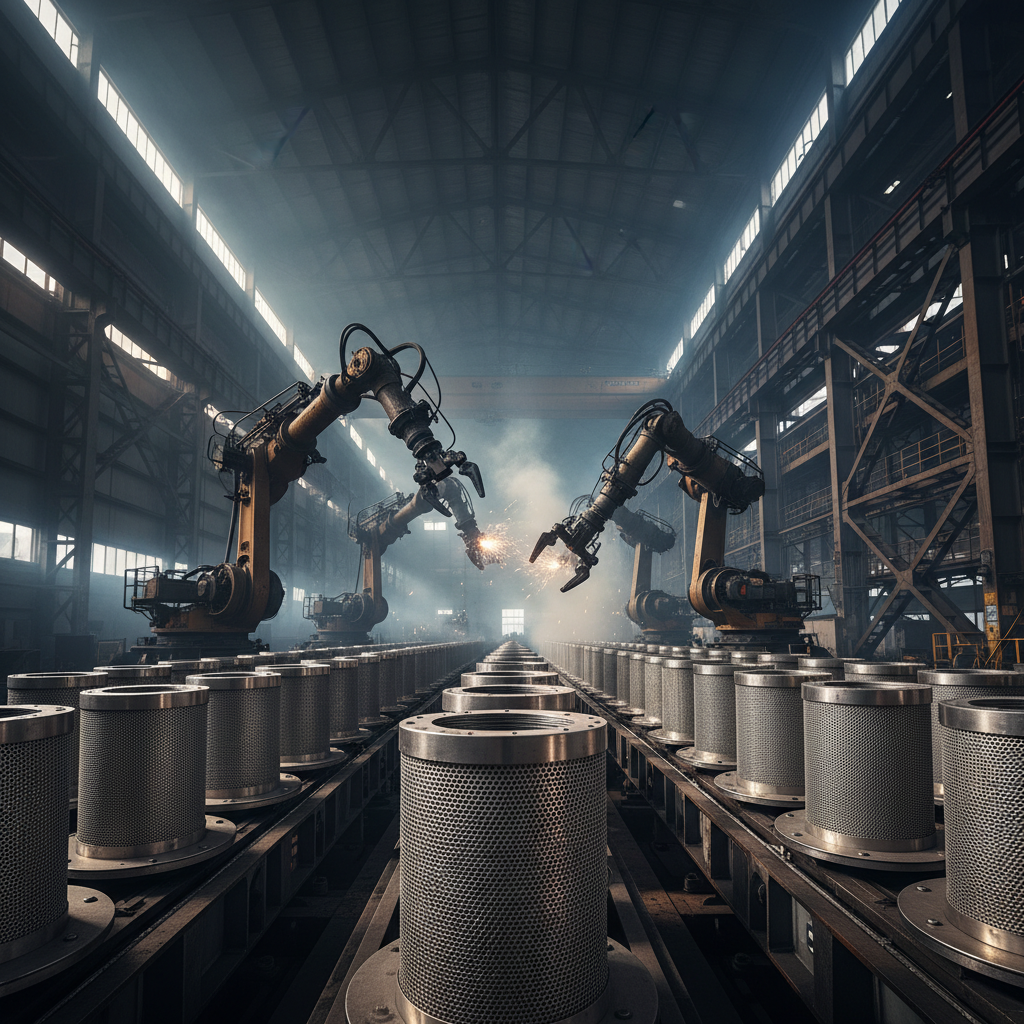
Sintered ss316l cylinder filters are constructed from stainless steel 316L powder, which undergoes a process of compaction and high-temperature sintering. This process creates a robust, porous structure with interconnected pores that offer excellent filtration capabilities. The resulting material boasts exceptional strength, corrosion resistance, and thermal stability, making it ideal for challenging environments. sintered ss316l cylinder filters are a practical solution for many applications.
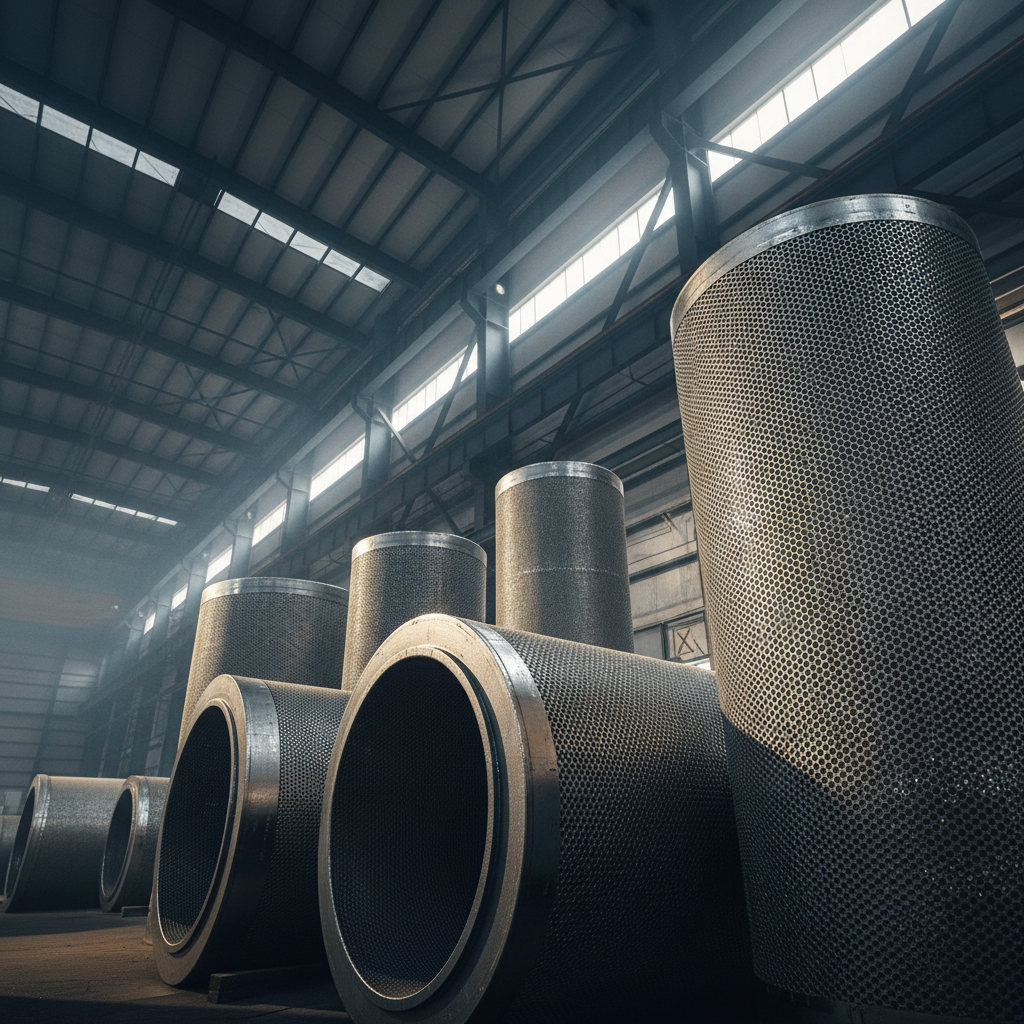
These filters excel at removing particulate matter, ensuring fluid clarity, and maintaining process integrity. Their cylindrical shape allows for easy integration into existing systems and offers a high surface area for efficient filtration. From demanding industrial processes to critical life science applications, sintered ss316l cylinder filters deliver consistent and reliable performance.
Global Relevance and Industry Context
The global filtration market is a multi-billion dollar industry, projected to reach substantial growth in the coming years. This growth is fueled by increased industrialization, stricter environmental regulations, and the rising demand for clean water and air. Sintered ss316l cylinder filters play a significant role in numerous sectors, including pharmaceuticals, chemicals, food and beverage, oil and gas, and aerospace. According to reports by organizations like the UN and the World Bank, access to clean water and efficient industrial processes are critical for sustainable development.
The demand for high-performance filtration solutions is particularly acute in emerging economies experiencing rapid industrial growth. These regions often lack the infrastructure for traditional water treatment and require robust, reliable filtration technologies. Sintered ss316l cylinder filters offer a durable and cost-effective solution, addressing a critical need for clean and safe process fluids.
A significant challenge within the filtration industry is balancing filtration efficiency with flow rate and pressure drop. Traditional filtration methods can often result in reduced flow or require frequent filter changes, leading to increased downtime and operational costs. Sintered ss316l cylinder filters provide a superior alternative by offering a high surface area and controlled pore size distribution, maximizing filtration efficiency while minimizing pressure drop.
Defining Sintered SS316L Cylinder Filters
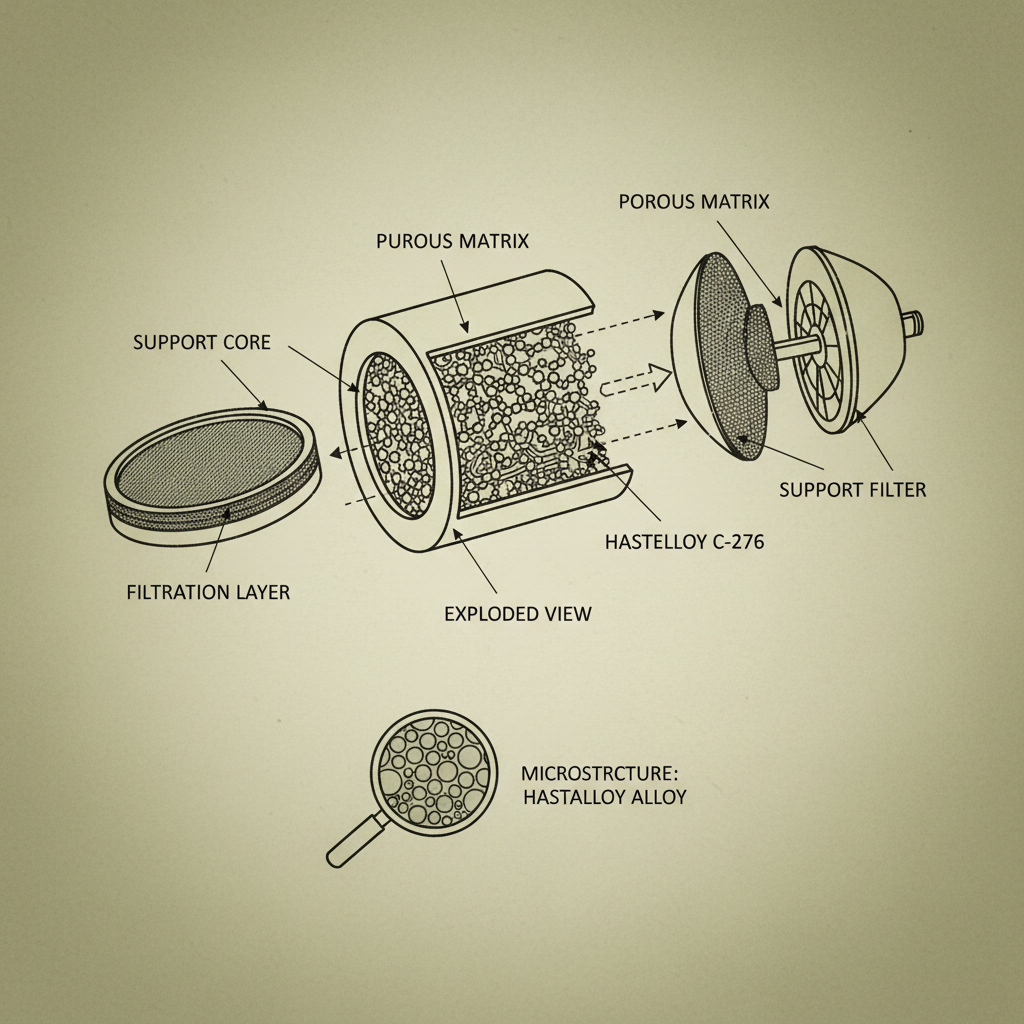
Sintered ss316l cylinder filters are porous filtration devices crafted from 316L stainless steel powder. The manufacturing process involves compressing the powder into the desired cylindrical shape, followed by heating it to a temperature below the melting point of the metal. This process, known as sintering, fuses the particles together, creating a solid structure with interconnected pores. These pores determine the filter’s permeability and its ability to trap unwanted particles.
The 316L stainless steel alloy is chosen for its exceptional corrosion resistance, even in harsh chemical environments. Its biocompatibility also makes it suitable for applications in the medical and pharmaceutical industries. Unlike woven mesh filters, sintered filters offer a more uniform pore distribution and a higher mechanical strength, making them less prone to tearing or deformation. This ensures consistent filtration performance and a longer service life.
The connection to modern industry and humanitarian needs is direct. In industrial processes, they safeguard equipment, maintain product quality, and ensure operational efficiency. In humanitarian contexts, these filters can be used in water purification systems, providing access to safe drinking water in disaster relief efforts and developing countries. The ability to tailor pore size and dimensions makes them adaptable to a wide range of filtration challenges, contributing to both technological advancement and societal well-being.
Key Factors Influencing Performance
Several key factors contribute to the superior performance of sintered ss316l cylinder filters. Firstly, Durability is paramount; the 316L stainless steel construction provides exceptional resistance to corrosion, high temperatures, and mechanical stress, ensuring a long operational lifespan. Secondly, Pore Size Control allows for precise filtration, removing particles of a specific size with high efficiency.
Furthermore, Permeability is a critical aspect, dictating the flow rate through the filter. A well-designed sintered filter offers a balance between high filtration efficiency and minimal pressure drop. Thermal Stability enables these filters to operate effectively in extreme temperature conditions, broadening their application scope. Finally, Chemical Compatibility ensures the filter remains unaffected by the fluids being filtered, maintaining its integrity and performance.
Filtration Efficiency Comparison by Sintered SS316L Method
Global Applications and Use Cases
Sintered ss316l cylinder filters are integral to diverse applications across the globe. In the pharmaceutical industry, they ensure the sterility of injectable fluids and maintain the purity of APIs (Active Pharmaceutical Ingredients). The food and beverage sector relies on these filters for clarifying liquids like beer, wine, and fruit juices, safeguarding product quality and extending shelf life.
The chemical industry utilizes these filters for removing catalysts, protecting sensitive equipment, and ensuring the purity of chemical products. In remote industrial zones, where access to maintenance and replacement parts may be limited, the durability of sintered ss316l cylinder filters provides a significant advantage. Furthermore, in post-disaster relief operations, portable water purification systems employing these filters can provide access to safe drinking water in emergency situations.
Advantages and Long-Term Value
The advantages of using sintered ss316l cylinder filters extend beyond their immediate filtration capabilities. Their long lifespan translates to reduced maintenance costs and less frequent replacements, contributing to overall cost efficiency. The material's inherent corrosion resistance ensures reliable performance in harsh environments, minimizing the risk of system failures and downtime.
From a sustainability perspective, the durability and reusability of these filters contribute to reduced waste and a smaller environmental footprint. They also enhance product safety and quality, fostering trust with consumers. Moreover, the precision engineering and reliable performance of sintered ss316l cylinder filters represent a commitment to innovation and technological advancement within the industries they serve.
Future Trends and Innovations
The future of sintered ss316l cylinder filters is closely tied to ongoing advancements in materials science and manufacturing technologies. Researchers are exploring new sintering techniques to achieve even finer pore size control and improved filter performance. The integration of nanotechnology, such as coating the filters with antimicrobial materials, is also being investigated to enhance their functionality and broaden their applications.
The growing emphasis on sustainability is driving demand for filters with extended lifespans and reduced environmental impact. Innovations in filter cleaning and regeneration technologies will further enhance their reusability and minimize waste. Furthermore, the increasing adoption of digital monitoring and automation systems will enable predictive maintenance and optimize filter performance in real-time.
The convergence of filtration technologies with green energy initiatives, such as hydrogen production and carbon capture, presents exciting new opportunities for sintered ss316l cylinder filters. These filters can play a critical role in ensuring the purity of hydrogen fuel and effectively removing contaminants from carbon capture streams, contributing to a cleaner and more sustainable future.
Summary of Challenges and Potential Solutions for Sintered SS316L Cylinder Filters
| Challenge |
Impact on Performance |
Potential Solution |
Implementation Complexity (1-10) |
| Filter Fouling |
Reduced Flow Rate & Efficiency |
Automated Backwashing Systems |
6 |
| High Initial Cost |
Barrier to Adoption for SMEs |
Long-Term Cost Analysis & Value Proposition |
4 |
| Pore Size Limitations |
Inability to Filter Ultra-Fine Particles |
Integration with Membrane Filtration Systems |
7 |
| Pressure Drop |
Energy Consumption & System Efficiency |
Optimized Pore Structure & Flow Path Design |
5 |
| Material Degradation |
Reduced Lifespan in Harsh Chemicals |
Coating with Inert Materials (e.g., Titanium Nitride) |
8 |
| Lack of Standardization |
Difficulty in Comparing & Selecting Filters |
Industry-Wide Collaboration for Performance Standards |
9 |
FAQS
Sintered ss316l cylinder filters offer significant advantages in terms of durability, chemical resistance, and pore size control. Unlike traditional woven mesh filters, they boast a more uniform pore structure, leading to more consistent filtration. Their robust construction allows them to withstand high pressures and temperatures, making them ideal for demanding applications. Furthermore, the 316L stainless steel material ensures excellent corrosion resistance and biocompatibility.
Selecting the correct pore size is crucial for optimal performance. Begin by identifying the size of the particles you need to remove. Consider the fluid viscosity and flow rate requirements of your system. A smaller pore size will offer finer filtration but may also increase pressure drop. Consulting with a filtration specialist can help you determine the ideal pore size based on your unique needs. sintered ss316l cylinder filters can be customized.
Yes, many sintered ss316l cylinder filters can be cleaned and reused, extending their service life and reducing costs. The cleaning method depends on the nature of the contaminants. Common methods include backwashing, ultrasonic cleaning, and chemical cleaning. However, it's essential to follow the manufacturer's recommendations to avoid damaging the filter's structure. Regular cleaning ensures optimal performance and prevents premature clogging.
The lifespan of a sintered ss316l cylinder filter varies depending on the application, the nature of the contaminants, and the frequency of cleaning. However, under normal operating conditions, these filters can last for several years. Factors like extreme temperatures, corrosive chemicals, and high differential pressures can shorten the lifespan. Regular inspection and maintenance can help maximize the filter's operational life.
Yes, the 316L stainless steel material is considered food-grade and biocompatible, making these filters suitable for use in the food and beverage industry. They are commonly used for clarifying liquids, removing particulate matter, and ensuring product purity. However, it's essential to select filters that meet relevant industry standards and regulations, such as NSF International certification.
While the initial cost of sintered ss316l cylinder filters may be higher than some alternative filtration methods, their long lifespan, reduced maintenance requirements, and superior performance often result in lower total cost of ownership. The durability and reliability of these filters minimize downtime and prevent costly system failures. A thorough cost-benefit analysis should be conducted to assess the long-term value.
Conclusion
Sintered ss316l cylinder filters stand out as a critical component across a vast spectrum of industries, offering unparalleled durability, precise filtration, and exceptional chemical resistance. Their versatility, coupled with advancements in manufacturing and materials science, ensures their continued relevance in addressing evolving filtration challenges. From safeguarding product quality to enabling sustainable practices, these filters deliver significant long-term value.
Looking ahead, the integration of these filters with emerging technologies, such as digital monitoring and nanotechnology, promises to further enhance their performance and broaden their applications. Investing in sintered ss316l cylinder filters isn’t simply procuring a filtration solution; it’s embracing a commitment to reliability, efficiency, and innovation. To learn more about how these filters can benefit your specific application, visit our website: www.chinaporousfilters.com