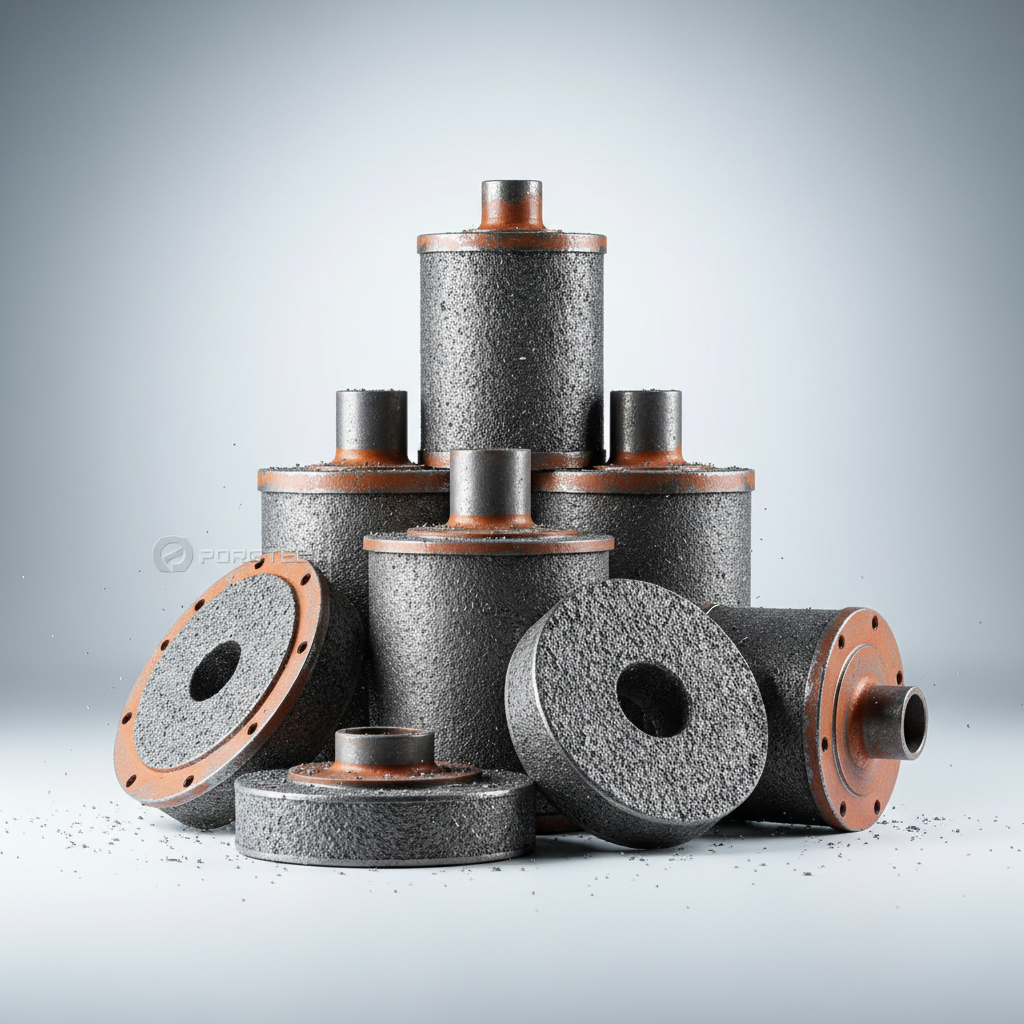
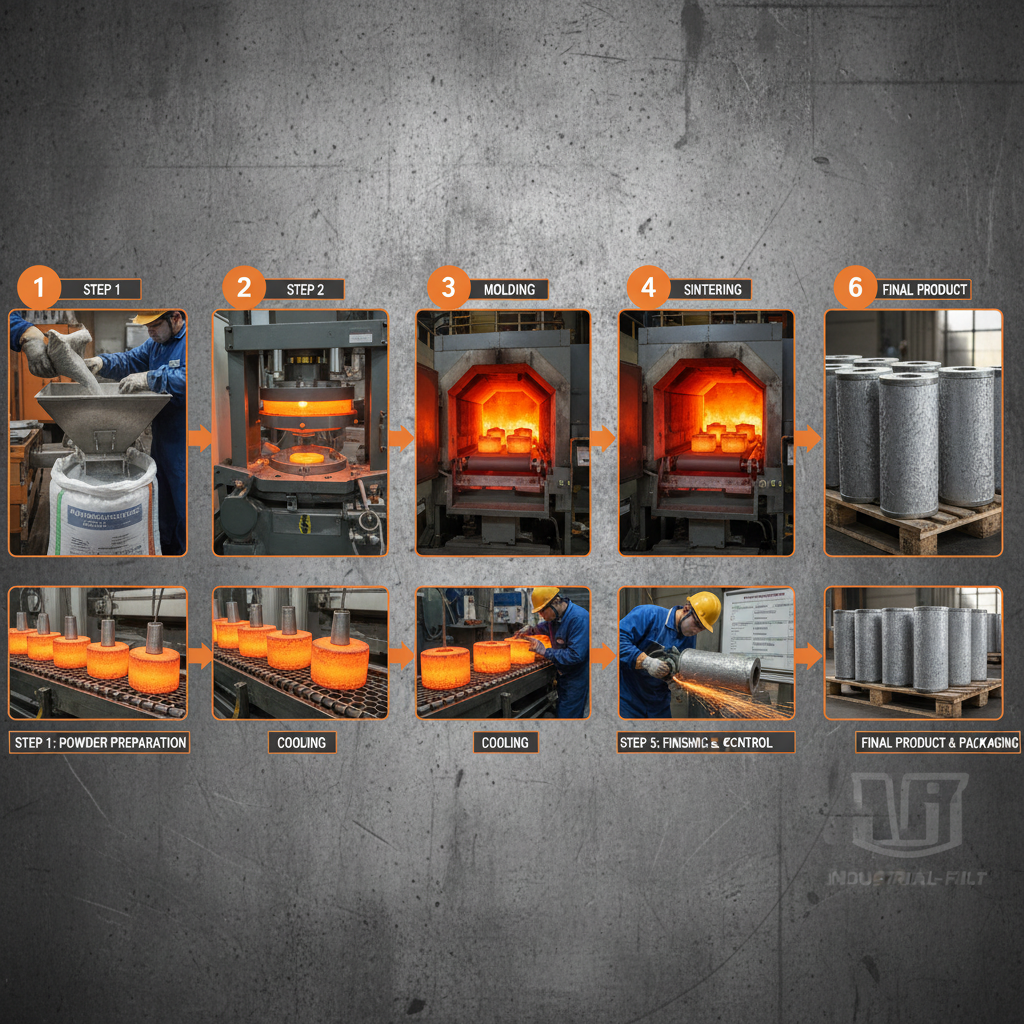
Venting filters are essential components in a wide array of industrial and environmental applications, playing a crucial role in maintaining air quality and protecting sensitive equipment. These filters are designed to safely release pressure buildup within closed systems, preventing damage and ensuring operational efficiency. The global demand for effective venting solutions is constantly increasing, driven by stricter environmental regulations and the growing complexity of modern processes. Understanding the principles and applications of venting filter technology is therefore paramount for engineers, environmental professionals, and anyone involved in the design, operation, and maintenance of closed systems.
The importance of venting filter extends beyond mere equipment protection. In many industries, the containment of harmful substances necessitates robust venting systems to prevent the release of pollutants into the atmosphere. A well-designed venting filter not only mitigates environmental risks but also safeguards worker health and safety. The escalating focus on sustainability and responsible industrial practices further underscores the critical role of these filters in minimizing environmental impact and promoting long-term operational viability.
Furthermore, advancements in material science and filter design are continually improving the performance and reliability of venting filter. Innovations in filtration media, housing materials, and sealing technologies are resulting in filters that are more efficient, durable, and resistant to harsh operating conditions. This evolution is crucial for meeting the increasingly stringent demands of modern industrial environments and ensuring the effective and sustainable operation of critical systems.
The Core Principles of Venting Filter
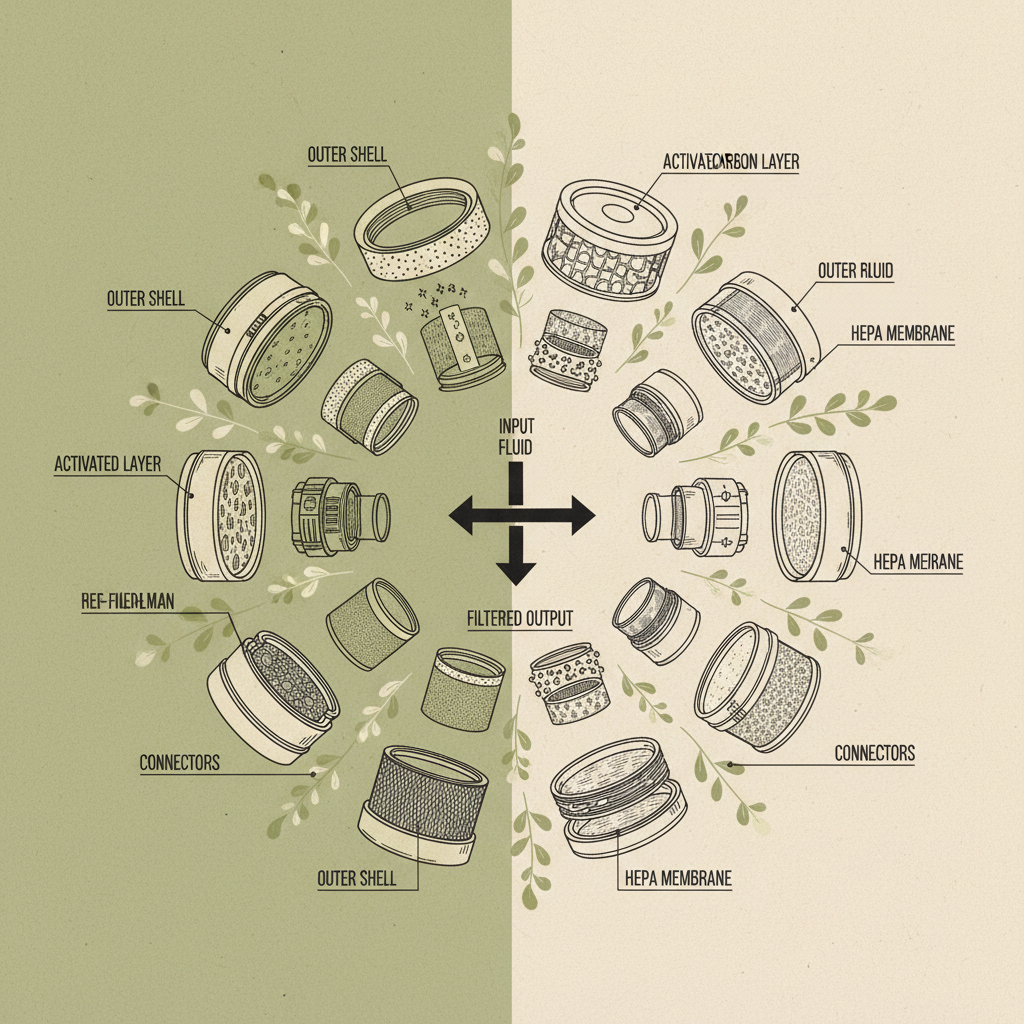
At its core, a venting filter operates on the principles of pressure equalization and contaminant removal. Closed systems, such as tanks, vessels, and enclosures, often experience pressure fluctuations due to temperature changes, chemical reactions, or filling/emptying cycles. A venting filter provides a controlled pathway for air to enter or exit the system, preventing overpressure or vacuum conditions. Simultaneously, the filter media effectively captures particulate matter, moisture, and other contaminants, protecting the contents of the system and the surrounding environment.
The effectiveness of a venting filter hinges on several key factors, including the pore size of the filter media, the flow rate capacity, and the chemical compatibility of the materials. Choosing the appropriate venting filter for a specific application requires a careful consideration of these factors to ensure optimal performance and long-term reliability. A poorly selected filter can lead to system inefficiencies, equipment damage, or even environmental hazards.
Global Relevance and Industry Context
The need for reliable venting filter is a global concern, impacting industries ranging from petrochemicals and pharmaceuticals to food and beverage processing. The United Nations Environment Programme (UNEP) estimates that industrial emissions contribute significantly to air pollution worldwide, highlighting the importance of effective emission control technologies. Venting filter play a crucial role in minimizing these emissions by capturing harmful pollutants before they are released into the atmosphere.
Increasingly stringent environmental regulations, such as those imposed by the European Union's REACH program and the United States Environmental Protection Agency (EPA), are driving demand for advanced venting solutions. Companies are facing mounting pressure to demonstrate compliance with these regulations and to adopt sustainable practices. A robust venting filter strategy is therefore becoming an essential component of environmental management systems.
Furthermore, the growth of industries in developing economies is contributing to the global demand for venting filter. As these economies expand, so too does the need for infrastructure and industrial processes that require effective venting solutions. The efficient and reliable operation of these processes depends heavily on the quality and performance of the venting filter employed.
Defining Venting Filter Technology
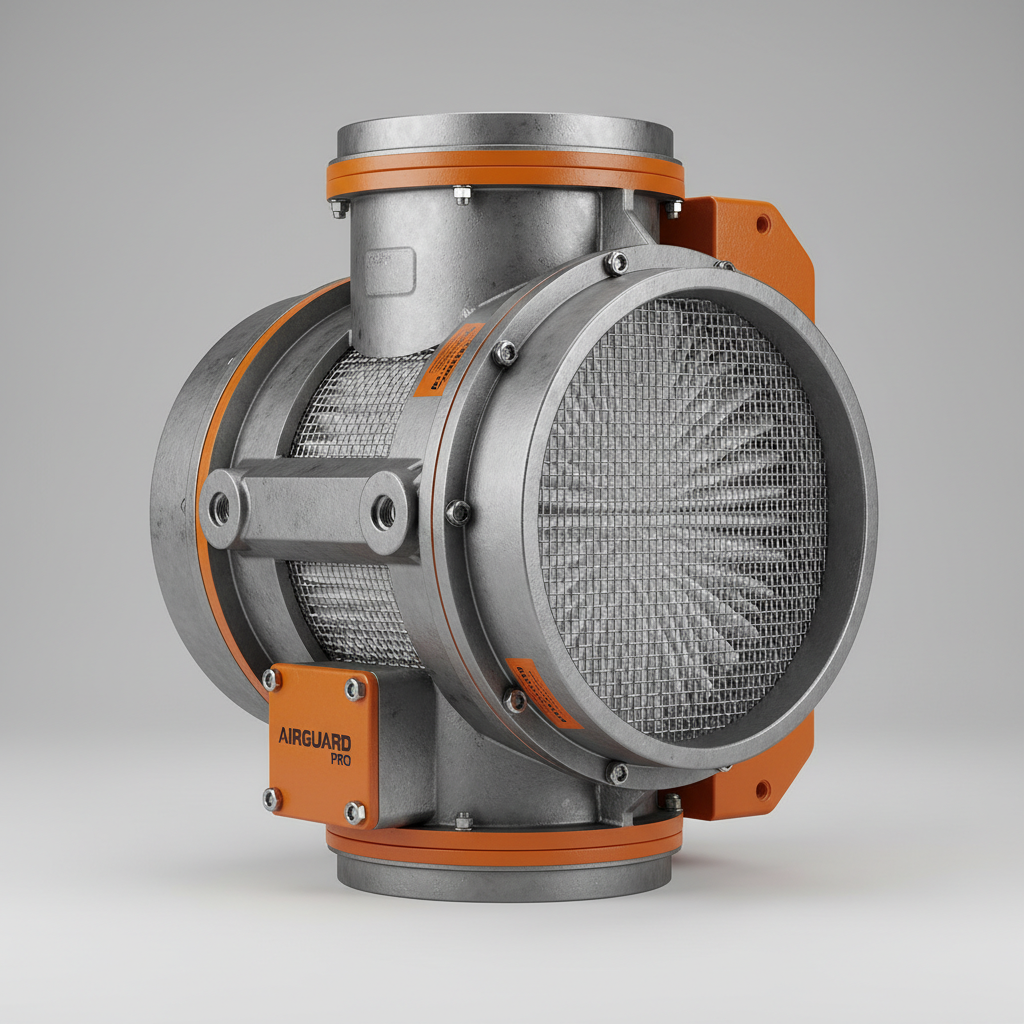
A venting filter is a device designed to allow the controlled release of air from a closed system while simultaneously preventing the ingress of contaminants. It’s a critical safety and operational component in countless industrial processes. The term “venting filter” encompasses a broad range of designs and materials, tailored to specific applications and operating conditions. Essentially, it bridges the need for pressure equalization with the demand for purity and containment.
The connection to modern industry is strong. From pharmaceutical manufacturing, where sterile venting is paramount, to petrochemical plants needing to manage volatile organic compounds (VOCs), venting filter are integral. Humanitarian needs are also addressed: clean water systems often utilize venting filters to prevent contamination during storage and distribution. Their evolution reflects a commitment to both operational efficiency and responsible environmental stewardship.
The core function extends beyond simple pressure relief. A venting filter can mitigate the risks associated with fire or explosion by safely releasing flammable vapors, protecting personnel and facilities. Modern venting filters often incorporate advanced features such as pressure/vacuum relief valves and monitoring systems for enhanced safety and performance.
Key Performance Characteristics
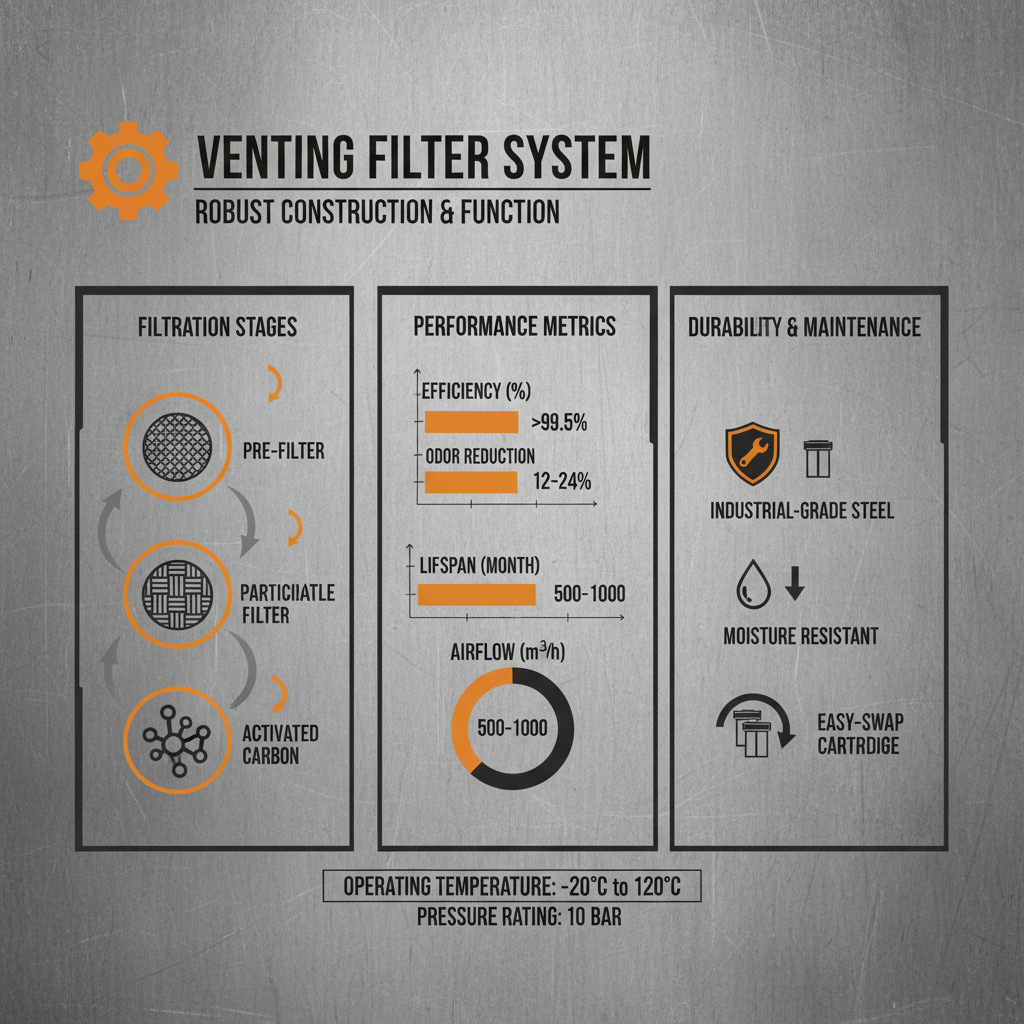
The efficiency of a venting filter is a multifaceted attribute, encompassing several critical characteristics. Filtration Efficiency refers to the filter’s ability to remove contaminants from the air stream, typically measured in terms of particulate matter capture rate. Flow Rate Capacity dictates the volume of air the filter can handle without significant pressure drop, a crucial factor for maintaining system performance.
Another key characteristic is Chemical Compatibility, ensuring that the filter materials are resistant to the substances they are exposed to, preventing degradation and maintaining integrity. Durability describes the filter’s lifespan and resistance to wear and tear, affecting maintenance schedules and overall cost of ownership. Finally, Pressure Relief Capacity is paramount in situations where rapid pressure changes can occur, protecting the system from damage.
Venting Filter Performance Comparison
Applications Across Diverse Sectors
Venting filter find application in a remarkable range of sectors. In the pharmaceutical industry, they are indispensable for maintaining sterile environments during drug manufacturing processes, preventing contamination of sensitive products. In the chemical processing sector, they are critical for managing volatile organic compounds (VOCs) and ensuring safe handling of hazardous materials.
The food and beverage industry utilizes venting filter to protect product integrity and prevent spoilage. From fermentation tanks to storage vessels, these filters maintain hygienic conditions and ensure product quality. Furthermore, in the oil and gas industry, venting filter play a vital role in controlling emissions and preventing the release of harmful substances during refining and transportation.
Even in seemingly unrelated fields like wastewater treatment, venting filter are employed to manage odors and prevent the release of harmful gases. In post-disaster relief operations, portable venting filters can be used to purify air and provide safe breathing environments for emergency responders and affected populations.
The Advantages of Implementing Venting Filter
Implementing a well-designed venting filter system offers a multitude of tangible benefits. Reduced equipment downtime is a significant advantage, as proper venting prevents pressure buildup that can damage sensitive components. This translates to lower maintenance costs and increased operational efficiency. The minimized risk of environmental contamination further contributes to cost savings by avoiding potential fines and remediation expenses.
Beyond cost considerations, venting filter enhance workplace safety by reducing the exposure of personnel to hazardous substances. This fosters a more positive and productive work environment, improving employee morale and retention. Moreover, adopting advanced venting solutions demonstrates a commitment to sustainability, enhancing a company's reputation and attracting environmentally conscious customers.
Future Trends and Innovations in Venting Filter
The field of venting filter is undergoing rapid innovation, driven by the need for more efficient, sustainable, and intelligent solutions. The development of new filter media, such as nanofiber membranes and activated carbon composites, is enhancing filtration efficiency and extending filter life. Smart venting filter, equipped with sensors and data analytics capabilities, are emerging, providing real-time monitoring of pressure, flow rate, and filter performance.
The integration of venting filter with digital control systems and predictive maintenance algorithms is further optimizing performance and minimizing downtime. Furthermore, the increasing adoption of green chemistry principles is leading to the development of venting filter that utilize environmentally friendly materials and processes. These advancements are paving the way for a future where venting filter play an even more crucial role in protecting both human health and the environment.
Challenges and Solutions
Despite the numerous advantages of venting filter, certain challenges remain in their widespread adoption. One key obstacle is the selection of the appropriate filter for a specific application, requiring a thorough understanding of the process conditions and potential contaminants. Another challenge is the cost of advanced venting filter, which can be prohibitive for some smaller organizations.
To address these challenges, manufacturers are focusing on developing more versatile and cost-effective venting filter solutions. Providing comprehensive technical support and training to assist customers in selecting the right filter is also crucial. The implementation of standardized testing protocols and performance certifications can further enhance confidence in the quality and reliability of venting filter.
Moreover, promoting collaborative research and development efforts between industry, academia, and government agencies can accelerate the pace of innovation and lead to the development of even more advanced and sustainable venting filter technologies.
Summary of Common Venting Filter Challenges and Solutions
| Challenge |
Impact on Performance |
Potential Solution |
Implementation Cost (Scale 1-10) |
| Incorrect Filter Selection |
Reduced efficiency, premature failure |
Detailed application analysis, expert consultation |
3 |
| High Initial Cost |
Limited adoption, budget constraints |
Lifecycle cost analysis, value proposition demonstration |
6 |
| Filter Clogging |
Reduced flow rate, increased pressure drop |
Pre-filtration, regular maintenance schedules |
2 |
| Lack of Monitoring |
Unforeseen failures, potential hazards |
Integrated sensor systems, remote monitoring |
7 |
| Material Incompatibility |
Filter degradation, chemical release |
Careful material selection, chemical resistance testing |
4 |
| Limited Standardization |
Difficult comparisons, inconsistent performance |
Industry-wide standardization efforts, performance certification |
5 |
FAQS
Utilizing a venting filter in a closed system offers numerous benefits, primarily ensuring pressure equalization to prevent damage from overpressure or vacuum. Beyond that, these filters protect the system’s contents and the environment by capturing particulate matter, moisture, and other contaminants. This translates to improved operational efficiency, reduced downtime, and enhanced safety for personnel, making it a critical component in many industrial applications.
The frequency of replacement or maintenance for venting filter depends heavily on the specific application and operating conditions. Factors like contaminant load, flow rate, and exposure to harsh chemicals all influence filter life. Generally, regular visual inspections are recommended to check for clogging or damage. A preventative maintenance schedule, based on manufacturer’s guidelines and system monitoring, is crucial for optimal performance and to avoid unplanned downtime.
Venting filter are constructed from a variety of materials depending on the application’s requirements. Common filter media include synthetic fibers, glass fiber, and activated carbon, chosen for their filtration efficiency and chemical compatibility. Housing materials often include stainless steel, polypropylene, and other durable plastics, selected for their resistance to corrosion and mechanical stress. The appropriate material selection is crucial for long-term performance and reliability.
Selecting the correct venting filter requires a thorough assessment of several factors. Consider the type and concentration of contaminants, the operating pressure and temperature, the flow rate requirements, and the chemical compatibility of the materials. Consulting with a venting filter specialist can provide valuable guidance and ensure that you choose a filter that meets your specific needs and maximizes performance.
Yes, venting filter specifically designed for hazardous environments are available. These filters often incorporate features such as explosion-proof enclosures, flame arrestors, and specialized filtration media to prevent the release of flammable or toxic substances. These filters are rigorously tested and certified to meet stringent safety standards, ensuring safe operation in potentially dangerous environments.
While both vents and venting filter allow air to enter or exit a system, the key difference lies in filtration. A simple vent provides only pressure equalization, while a venting filter combines pressure equalization with contaminant removal. This prevents the ingress of particles, moisture, and other harmful substances, protecting the system and the environment. Venting filters are essential in applications where maintaining purity and preventing contamination are critical.
Conclusion
In summary, venting filter are critical components in countless industrial processes, playing a vital role in maintaining air quality, protecting equipment, and ensuring operational safety. Their functionality extends beyond simple pressure equalization, encompassing contaminant removal, hazardous material control, and environmental protection. The advancements in material science and digital technologies are continuously improving the performance and reliability of venting filter, making them increasingly indispensable in modern industries.
Looking ahead, the continued innovation in venting filter technology, coupled with a growing emphasis on sustainability and responsible industrial practices, will drive further adoption and integration of these solutions. We encourage you to explore the range of venting filter available at ChinaPorousFilters.com to discover how our expertise can help optimize your processes and ensure a safer, more efficient, and environmentally responsible operation.