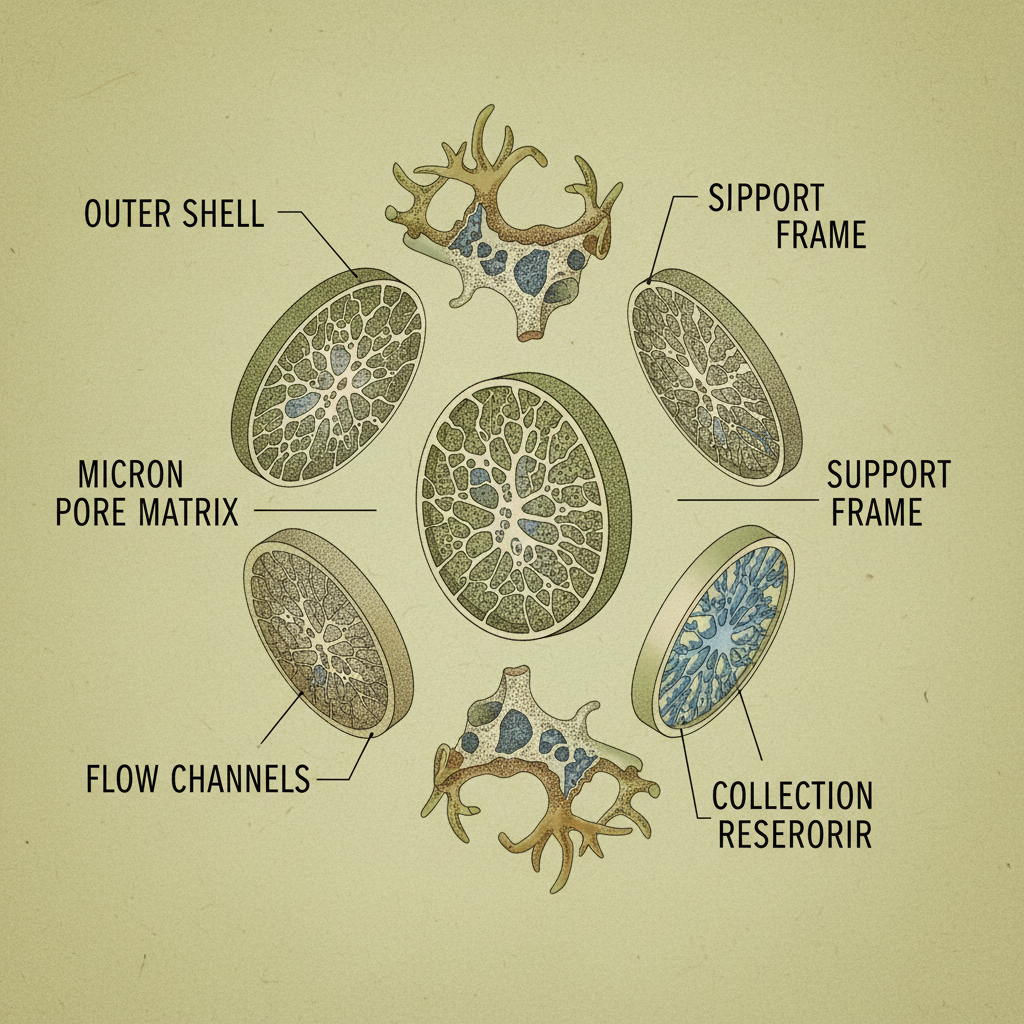
Sintered titanium filter sheets represent a significant advancement in filtration technology, finding increasingly critical applications across diverse industries. Their unique properties – high strength, excellent corrosion resistance, and precise pore size control – address growing global demands for efficient and reliable separation processes. Understanding these sheets is vital for engineers, researchers, and decision-makers seeking innovative solutions in areas ranging from pharmaceutical production to aerospace engineering.
The demand for high-performance filtration solutions is driven by increasingly stringent regulatory standards and the need for greater process efficiency. Sintered titanium filter sheets offer a compelling alternative to traditional filtration materials like woven fabrics or plastic membranes, particularly in environments where durability and purity are paramount. This has spurred significant growth in the market, with applications expanding into new territories and technologies.
From purifying vital medicines to ensuring the cleanliness of critical industrial processes, sintered titanium filter sheets play a crucial, often unseen, role in modern life. Their ability to deliver consistently high performance and withstand harsh conditions makes them a foundational component in many essential systems.
Introduction to Sintered Titanium Filter Sheets
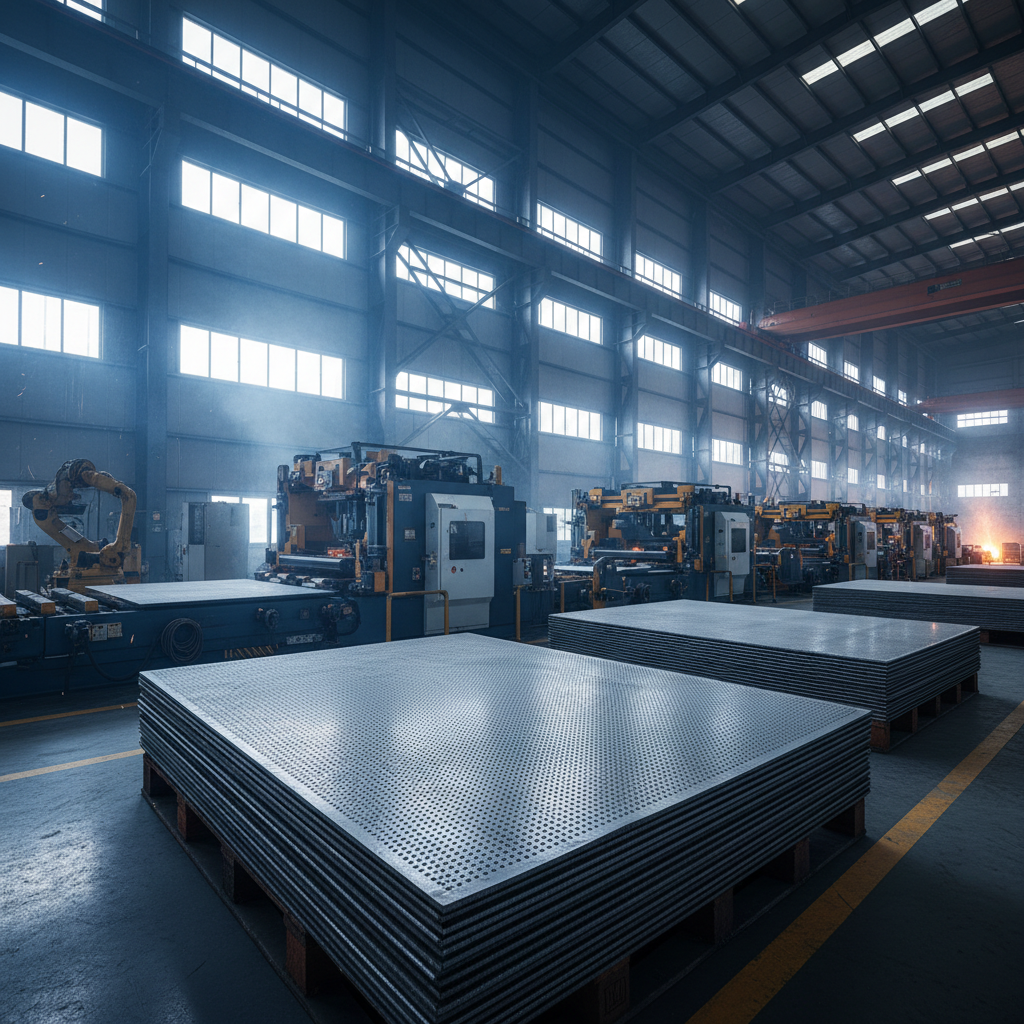
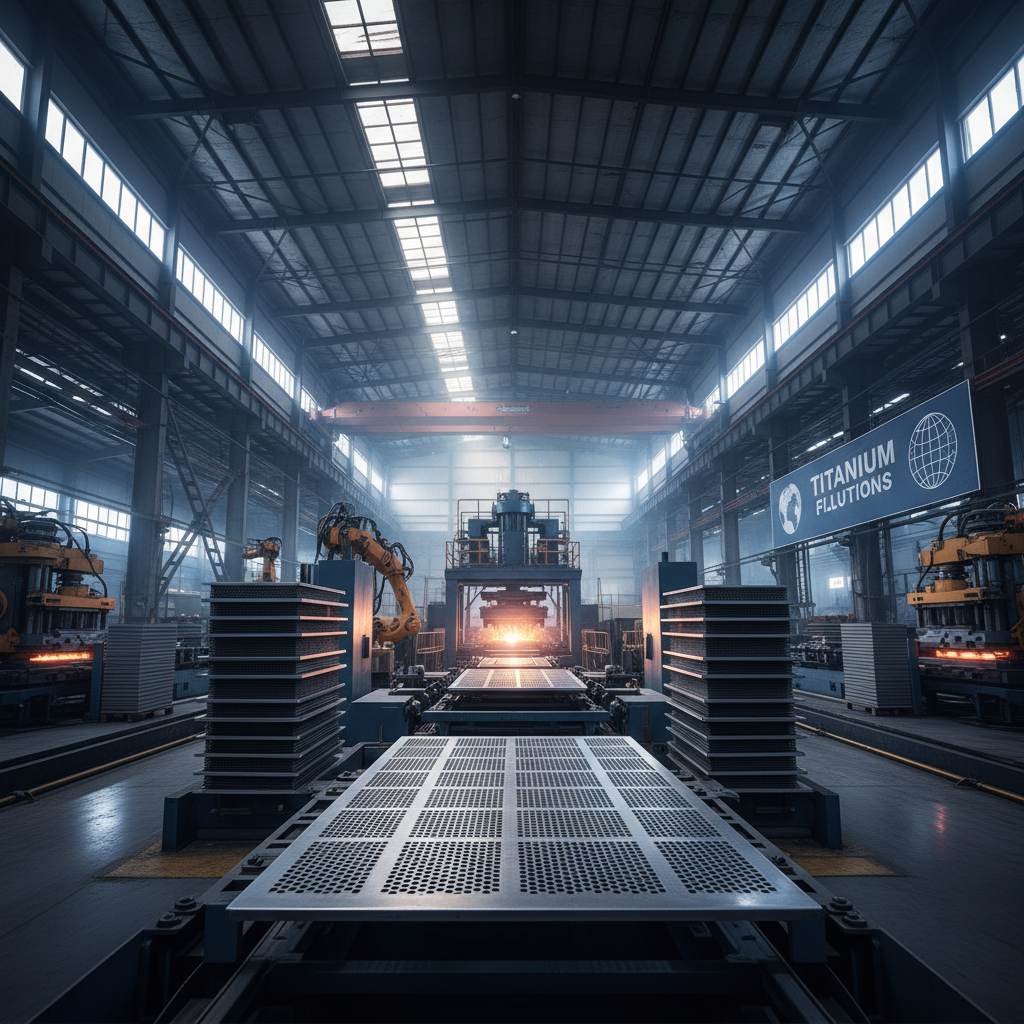
Sintered titanium filter sheets are engineered materials created through a powder metallurgy process, resulting in a highly porous structure with exceptional mechanical strength and chemical resistance. This manufacturing method allows for precise control over pore size, permeability, and overall sheet characteristics, making them ideal for demanding filtration applications.
These sheets are not simply filters; they are precision-engineered components that can significantly enhance process efficiency and product quality. Their durability minimizes downtime and replacement costs, while their superior filtration capabilities contribute to increased yield and reduced waste. Exploring their capabilities is crucial for optimizing filtration systems across various industries.
Global Relevance and Industry Challenges
The global filtration market is a multi-billion dollar industry, driven by increasing demands for clean water, air purification, and sterile manufacturing processes. According to a report by Grand View Research, the global filtration market size was valued at USD 16.45 billion in 2022 and is expected to grow at a compound annual growth rate (CAGR) of 6.8% from 2023 to 2030. Sintered titanium filter sheets are positioned to capitalize on this growth as industries seek more robust and effective filtration solutions.
A significant challenge across many industries is the need to reduce environmental impact and comply with increasingly strict regulations. Traditional filtration methods often rely on disposable materials, generating substantial waste. Sintered titanium filter sheets offer a reusable and durable alternative, aligning with sustainability goals and reducing long-term costs. sintered titanium filter sheets are increasingly seen as a key part of the solution.
Furthermore, the rise of advanced manufacturing processes in sectors like pharmaceuticals and aerospace requires filtration systems that can withstand extreme conditions and maintain the highest levels of purity. Sintered titanium filter sheets excel in these environments, providing the reliability and performance necessary for critical applications.
Defining Sintered Titanium Filter Sheets
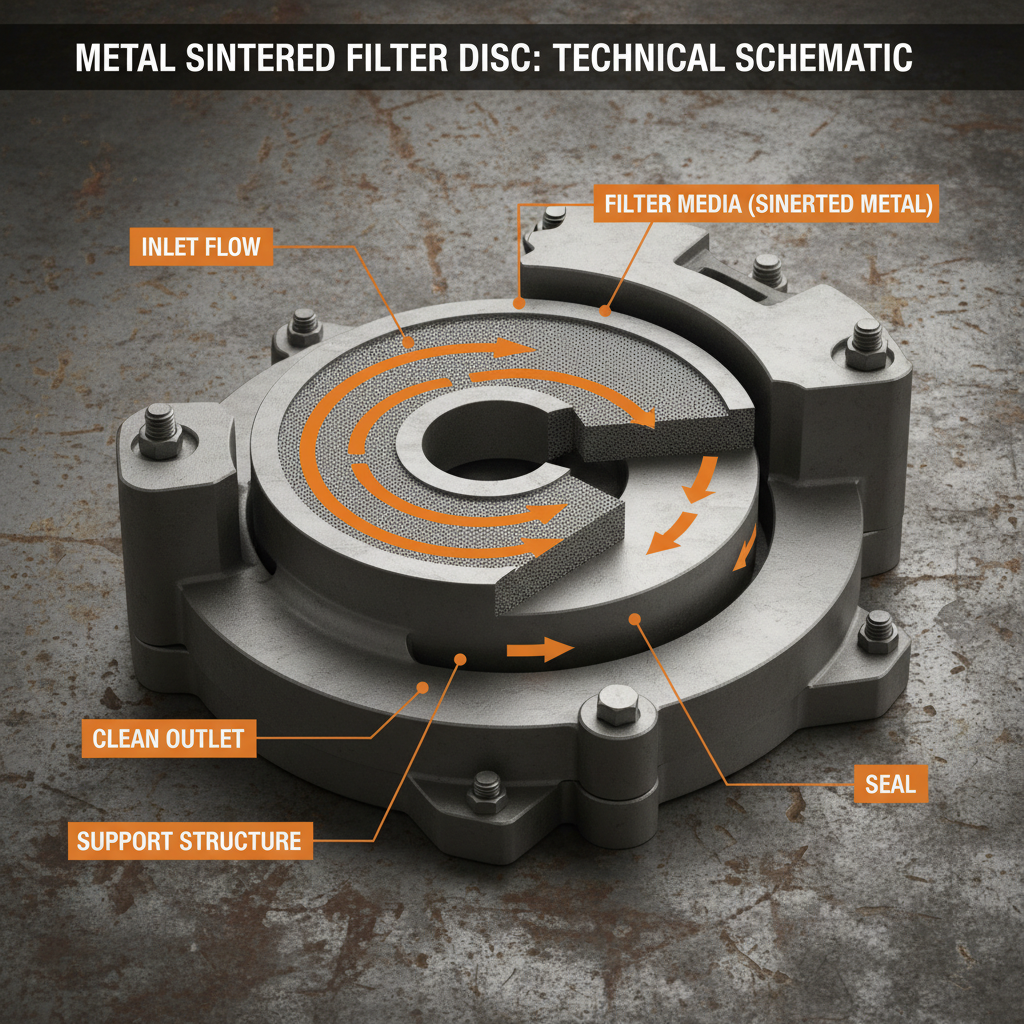
Sintered titanium filter sheets are created by compacting titanium powder into a desired shape and then heating it to a temperature below its melting point. This process, known as sintering, fuses the powder particles together, creating a solid material with interconnected pores. The size and distribution of these pores determine the filter's permeability and filtration efficiency.
Unlike woven filters or polymeric membranes, sintered titanium filter sheets offer a truly isotropic structure – meaning their properties are uniform in all directions. This eliminates directional flow limitations and allows for even distribution of fluids, improving filtration performance and preventing clogging. This also contributes to a longer operational lifespan.
The resulting material exhibits a unique combination of properties: high strength-to-weight ratio, exceptional corrosion resistance, biocompatibility, and the ability to withstand high temperatures and pressures. These characteristics make sintered titanium filter sheets suitable for a wide range of applications where conventional filtration materials fall short, connecting them directly to modern industrial and humanitarian needs.
Key Characteristics of Sintered Titanium Filter Sheets
The superior performance of sintered titanium filter sheets stems from a combination of key characteristics. These sheets boast exceptional durability, capable of withstanding repeated cleaning cycles and harsh operating conditions without significant degradation in performance. Their resistance to corrosion ensures long-term reliability even in aggressive chemical environments.
Precise pore size control is another defining feature. Manufacturers can tailor the pore size distribution to meet specific filtration requirements, enabling separation of particles down to the sub-micron level. This level of control is critical in applications like pharmaceutical manufacturing and microelectronics.
Comparative Filtration Efficiency of Sintered Titanium Filter Sheets
Diverse Applications Across Industries
The applications of sintered titanium filter sheets are remarkably diverse. In the pharmaceutical industry, they are used for sterilizing liquids and gases, ensuring the purity of drug products. In the aerospace sector, they are employed in hydraulic systems and fuel filtration to protect critical components from contamination.
Chemical processing plants utilize these sheets to separate catalysts from reaction mixtures, maximizing efficiency and reducing waste. They are also found in food and beverage processing, providing reliable filtration for liquids and powders. sintered titanium filter sheets are increasingly becoming a standard in these sectors.
Benefits and Long-Term Value Proposition
The advantages of using sintered titanium filter sheets extend beyond their technical performance. Their exceptional durability translates into reduced maintenance costs and prolonged service life, offering significant economic benefits over traditional filtration materials. The reusability of these sheets contributes to sustainability efforts by minimizing waste generation.
From a reliability standpoint, sintered titanium filter sheets offer unparalleled performance. Their ability to withstand harsh conditions and maintain consistent filtration efficiency provides peace of mind in critical applications where failure is not an option. This reliability builds trust and strengthens brand reputation.
Future Trends and Innovations in Filtration
The future of filtration is focused on developing more efficient, sustainable, and intelligent solutions. Nanotechnology is playing an increasingly important role, with researchers exploring the use of nano-coatings to enhance the performance of sintered titanium filter sheets. The integration of sensors and data analytics will enable real-time monitoring of filter performance, optimizing maintenance schedules and preventing costly downtime.
The growing demand for clean energy is driving innovation in fuel cell technology, where sintered titanium filter sheets are used as gas diffusion layers. Advancements in additive manufacturing (3D printing) are also opening up new possibilities for creating complex filter geometries and customized solutions. These developments promise to further expand the applications of sintered titanium filter sheets in the years to come.
Furthermore, the push towards circular economy principles is accelerating the adoption of reusable and recyclable filtration materials like sintered titanium, solidifying its position as a key technology for a sustainable future.
FAQS
The lifespan of sintered titanium filter sheets varies depending on the application, fluid composition, and cleaning frequency. However, they generally offer a significantly longer service life than traditional filters, often lasting for several years with proper maintenance. Regular backwashing and cleaning can extend their operational life considerably, reducing replacement costs and downtime.
Yes, sintered titanium filter sheets excel in high-temperature environments. Titanium maintains its strength and corrosion resistance at elevated temperatures, making these sheets ideal for applications involving hot gases or liquids. They can typically withstand temperatures up to 600°C (1112°F) without significant degradation in performance.
The initial cost of sintered titanium filter sheets is typically higher than that of disposable filters or some polymeric membranes. However, their exceptional durability and reusability result in lower total cost of ownership over the long term. Reduced maintenance requirements, prolonged service life, and minimized waste disposal costs contribute to significant savings.
Absolutely. One of the key advantages of sintered titanium filter sheets is the ability to precisely control pore size during the manufacturing process. Manufacturers can tailor the pore size distribution to meet specific filtration needs, enabling separation of particles down to the sub-micron level. Customization options include pore size, thickness, and overall sheet dimensions.
Sintered titanium filter sheets can be effectively cleaned using a variety of methods, including backwashing with water or solvents, ultrasonic cleaning, and chemical cleaning. The specific cleaning method will depend on the nature of the contaminants. Avoid abrasive cleaning agents that could damage the filter surface.
Yes, titanium is a biocompatible material, making sintered titanium filter sheets suitable for applications in the medical and pharmaceutical industries. They are non-toxic and do not leach harmful substances into the filtered fluids. This biocompatibility is a critical advantage in applications where purity and safety are paramount.
Conclusion
Sintered titanium filter sheets represent a cutting-edge filtration technology offering a unique combination of durability, efficiency, and versatility. Their ability to withstand harsh conditions, maintain precise pore size control, and deliver consistent performance makes them an indispensable component in a wide range of industries, from pharmaceuticals and aerospace to chemical processing and food and beverage. Investing in these sheets translates into long-term cost savings, enhanced process reliability, and a commitment to sustainability.
As technology continues to advance and environmental concerns grow, the demand for high-performance, sustainable filtration solutions will only increase. Sintered titanium filter sheets are poised to play a central role in meeting these challenges, driving innovation and shaping the future of filtration. Explore the possibilities and discover how these advanced materials can optimize your processes and improve your bottom line. Visit our website to learn more: www.chinaporousfilters.com