Porous filters represent a cornerstone of modern filtration technologies, impacting a wide spectrum of industries and addressing critical global challenges related to water purification, air quality, and industrial processing. Their unique ability to separate substances based on size and permeability makes them indispensable in applications ranging from everyday household filters to complex industrial systems. Understanding the principles and advancements in porous filters is crucial for developing sustainable and efficient solutions for a growing world population.
The increasing demand for clean water, coupled with stringent environmental regulations, drives the need for more effective and cost-efficient filtration methods. Porous filters provide a versatile solution, adapting to diverse needs through variations in material, pore size, and structural design. The global market for filtration technologies is experiencing significant growth, fueled by rising awareness of health and environmental concerns, and porous filters are positioned at the forefront of this expansion.
From ensuring safe drinking water in developing nations to optimizing industrial processes for reduced waste and increased efficiency, the impact of porous filters is far-reaching. This makes a comprehensive understanding of their characteristics, applications, and future trends essential for engineers, scientists, policymakers, and anyone concerned with resource management and sustainability.
Introduction to Porous Filters
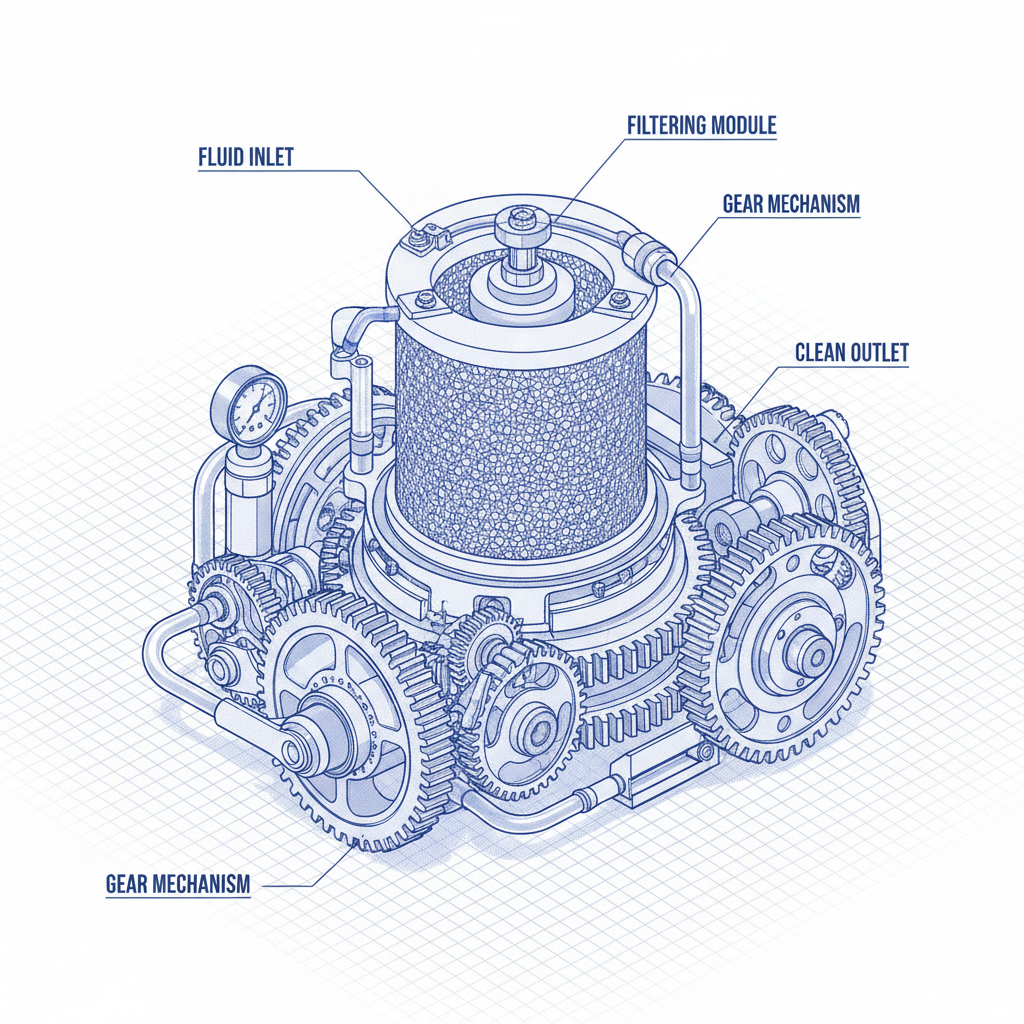
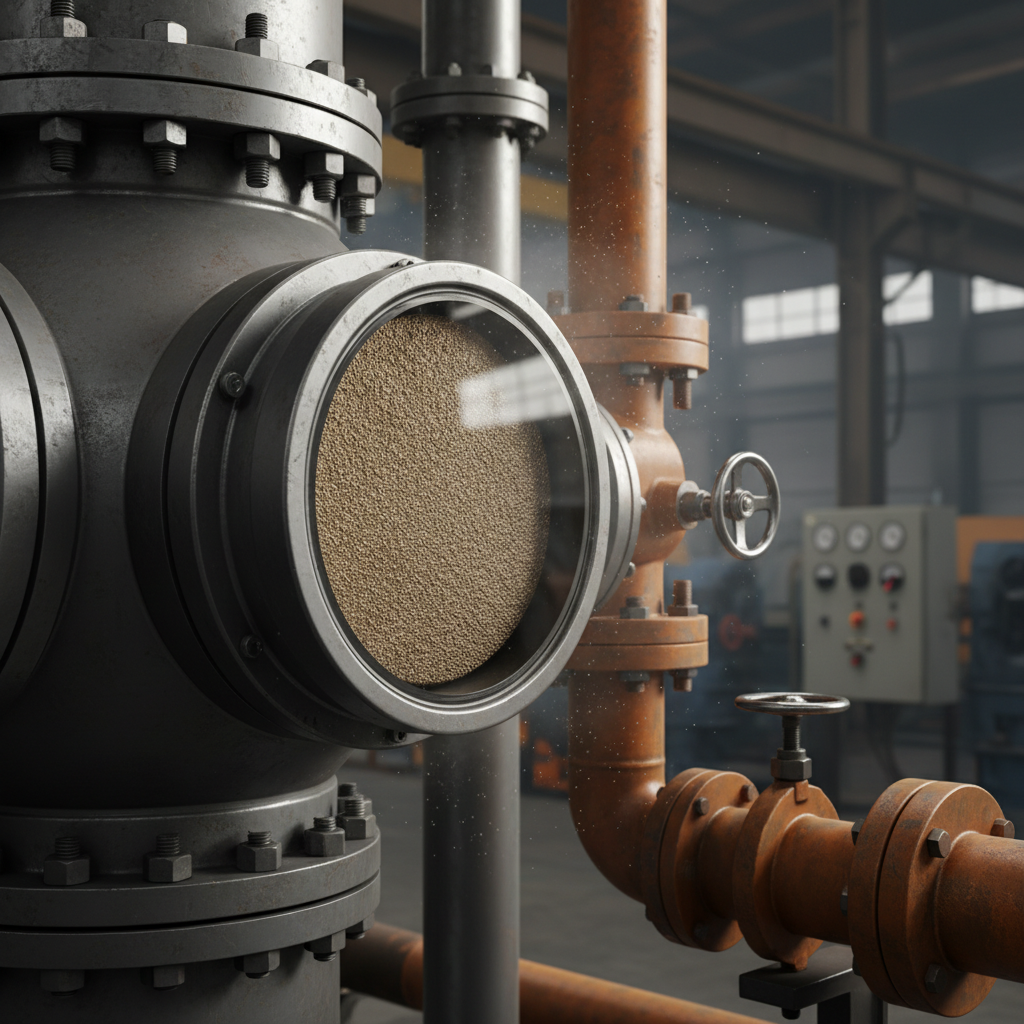
Porous filters are engineered materials with interconnected voids, or pores, that allow fluids or gases to pass through while retaining solid particles or specific components. They are integral to countless processes, ensuring purity, separation, and safety in various applications. The design and composition of porous filters are tailored to meet specific performance requirements, leading to a diverse range of filter types.
Their significance extends beyond simple purification. Porous filters play a crucial role in enabling advanced technologies, such as fuel cells, biomedical implants, and sensors. Continuous innovation in materials science and manufacturing techniques is driving the development of more efficient, durable, and specialized porous filters to address emerging challenges and opportunities.
Defining Porous Filters
At its most fundamental, a porous filter is a material containing interconnected voids, known as pores. These pores are carefully engineered to selectively allow the passage of certain substances while blocking others. The size and structure of these pores dictate the filter’s selectivity – larger pores allow larger particles to pass through, while smaller pores provide a higher degree of filtration. This fundamental principle underpins the diverse applications of porous filters.
Porous filters aren't limited to simply removing unwanted particles. They can also be designed to selectively absorb or react with specific substances, making them essential for chemical separation, catalysis, and drug delivery systems. Their ability to function as both physical barriers and reactive media makes them exceptionally versatile in modern industry and research.
The connection to modern humanitarian needs is especially apparent in providing access to clean drinking water and addressing air pollution. Effective porous filters are a critical component in water purification systems, offering a sustainable solution for communities lacking access to safe water sources.
Core Components & Characteristics
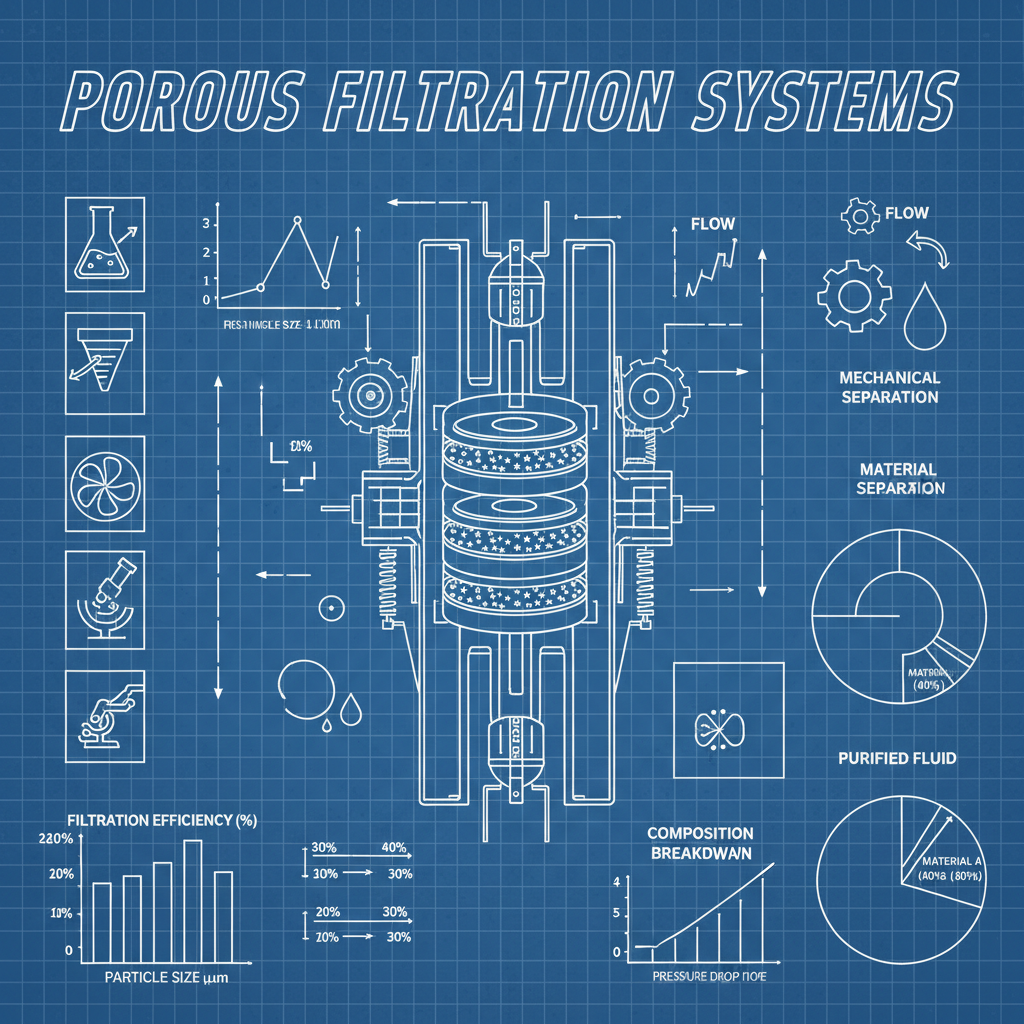
The effectiveness of a porous filter is determined by several key characteristics. Pore size distribution is paramount, influencing the filter's ability to separate particles of varying sizes. Material composition plays a vital role, as different materials offer varying levels of chemical resistance, temperature tolerance, and mechanical strength. The overall porosity, which defines the volume of void space within the material, affects flow rate and filtration capacity.
Another crucial aspect is the filter’s permeability, which measures how easily fluids can flow through the material. High permeability is desirable for applications requiring high flow rates, while low permeability is preferable for applications demanding fine filtration. Structural integrity, ensuring the filter can withstand pressure and maintain its shape during operation, is also paramount. Careful consideration of these characteristics ensures optimal performance for the intended application of porous filters.
Finally, the surface chemistry of the filter material can be modified to enhance its selectivity or reactivity. For example, surface coatings can be applied to repel certain substances or promote adhesion of specific molecules. These modifications significantly broaden the range of applications for porous filters and enhance their overall functionality.
Key Factors Affecting Performance
Several factors significantly influence the performance of porous filters. Pressure drop across the filter affects flow rate and efficiency. Higher pressure drops indicate greater resistance to flow, potentially reducing filtration capacity. Temperature can impact material properties and pore size, affecting selectivity. Chemical compatibility is crucial, ensuring the filter material doesn’t degrade or react with the substances being filtered.
The concentration of contaminants also plays a role. High contaminant loads can lead to filter clogging and reduced performance, necessitating regular cleaning or replacement. Finally, the flow rate itself can influence filtration efficiency, with excessively high flow rates potentially reducing contact time and allowing particles to pass through.
Comparative Analysis of Porous Filter Methods
Applications Across Industries
The versatility of porous filters makes them indispensable across a wide range of industries. In the pharmaceutical industry, they’re used for sterile filtration, ensuring the purity of injectable drugs and other critical medications. The food and beverage industry relies on them for clarification, sterilization, and removing unwanted flavors or odors.
In the automotive industry, they are used in air intake systems to protect engines from dust and debris and in fuel filtration to prevent contaminants from reaching sensitive engine components. In the chemical processing industry, they enable separation of mixtures, purification of products, and recovery of valuable materials. Even in everyday life, porous filters are present in water pitchers, vacuum cleaners, and air purifiers.
Advantages and Long-Term Value
The advantages of utilizing porous filters are numerous and far-reaching. Cost-effectiveness is a key benefit, especially when considering their longevity and reduced maintenance requirements. Sustainability is enhanced through reduced waste generation and energy consumption compared to alternative separation technologies. Social impact is significant, particularly in providing access to clean water and improving public health.
Reliability is paramount, ensuring consistent performance and minimizing downtime in critical processes. Beyond the practical benefits, porous filters foster a sense of safety and trust, knowing that products and processes are protected from contaminants. Their continued innovation drives technological advancement and strengthens industrial competitiveness.
Future Trends and Innovations
The future of porous filters is marked by exciting innovations. The development of novel materials, such as graphene and carbon nanotubes, promises filters with enhanced strength, selectivity, and permeability. Integration with digital technologies, including sensors and data analytics, will enable real-time monitoring and optimization of filter performance.
Furthermore, advancements in 3D printing are revolutionizing filter design and manufacturing, allowing for the creation of customized filters tailored to specific applications. The growing emphasis on sustainability is driving research into biodegradable and recyclable filter materials, minimizing environmental impact. These trends are poised to transform the filtration landscape and unlock new possibilities for porous filters.
Focus on green energy applications like fuel cell technology and advanced battery systems will boost demand, and automation in manufacturing will drive down costs and improve consistency.
FAQS
Common materials include polymers (polypropylene, PTFE), metals (stainless steel, titanium), ceramics (alumina, zirconia), and glass. The choice depends on the application’s temperature, chemical compatibility, and required pore size. Specialty materials like activated carbon are used for adsorption, while graphene offers exceptional strength and selectivity. Porous filters are available in diverse material compositions.
Determining the appropriate pore size is crucial for effective filtration. Consider the size of the particles you need to remove. It’s generally recommended to choose a pore size slightly smaller than the target particle size to ensure efficient capture. Analyzing particle size distribution and understanding the fluid's viscosity are also important factors. Consult with a filtration specialist for optimal recommendations.
The lifespan varies significantly based on the filter material, the contaminants being removed, and the operating conditions. Regular monitoring of pressure drop and flow rate can indicate filter clogging. Some filters are cleanable and reusable, extending their lifespan, while others require replacement. Proper maintenance and adherence to manufacturer's guidelines are essential for maximizing filter life.
Cleaning methods depend on the filter material and the nature of the contaminants. Backwashing, using air or liquid, can remove loosely bound particles. Chemical cleaning with appropriate solvents can dissolve or detach more stubborn contaminants. Some filters can be autoclaved for sterilization. Always consult the manufacturer’s instructions before attempting to clean or regenerate a porous filter.
Porous filters are widely used in water purification for removing sediment, bacteria, viruses, and other contaminants. They are integral components of point-of-use filters (pitchers, faucet filters), whole-house filters, and industrial water treatment systems. Membrane filtration techniques, such as microfiltration, ultrafiltration, nanofiltration, and reverse osmosis, all rely on porous filters to achieve varying levels of purification.
The environmental impact of porous filters depends on the materials used and the disposal methods. Increasingly, manufacturers are developing biodegradable and recyclable filter materials to minimize waste. Proper disposal practices, following local regulations, are essential. The benefits of using porous filters to provide clean water and reduce pollution often outweigh their environmental footprint.
Conclusion
In conclusion, porous filters represent a vital technology with a broad and growing range of applications. Their ability to selectively separate substances, combined with their adaptability and cost-effectiveness, makes them indispensable across diverse industries, from healthcare and food processing to environmental protection and energy production. The continued advancement of materials science and manufacturing techniques promises even more efficient, durable, and sustainable porous filters in the future.
Looking ahead, investment in research and development is crucial for unlocking the full potential of porous filters. Exploring new materials, optimizing filter designs, and integrating digital technologies will pave the way for innovative solutions to global challenges related to water scarcity, pollution, and resource management. Visit our website at www.chinaporousfilters.com to learn more about our products and services.