Honestly, these stainless steel porous filters… they’re getting a lot of attention lately. Seems everyone’s looking for better filtration, cleaner processes, and stuff that just… lasts. Been seeing a huge push for them, especially in biopharma and even some of the newer battery tech plants. It’s a good sign, really. Means people are finally realizing you can't cheap out on the critical stuff.
And you know what’s weird? A lot of designers still get tripped up on the pore size distribution. They spec it all neat and tidy on paper, but then they don’t account for the manufacturing tolerances. You end up with a filter that’s either letting too much through or clogging up after five minutes. I encountered that at a food processing factory last time, real headache.
The material itself, 316L stainless, is pretty standard. Feels… solid, you know? Not like those cheap aluminum things that bend if you look at them wrong. Smell? Well, stainless doesn’t really smell. But you can tell a good grade by the finish – should be smooth, no pitting. Handling it, though… gotta wear gloves, always. Don’t want to contaminate the pores before it even gets to the customer.
Global Relevance and Emerging Trends
Look, the whole world's getting tighter on environmental stuff, right? And stricter on quality. That means filtration is huge. The UN’s talking about water scarcity, the World Bank is pushing for sustainable manufacturing… it all boils down to needing better ways to separate things. And stainless steel porous filters are a big part of that.
Have you noticed how many new battery factories are popping up? They need incredibly pure electrolytes. And that requires some serious filtration. It's not just big industry either; even small-scale craft breweries are using them now to get a consistent product. It’s a trickle-up effect, I think.
Defining Stainless Steel Porous Filters
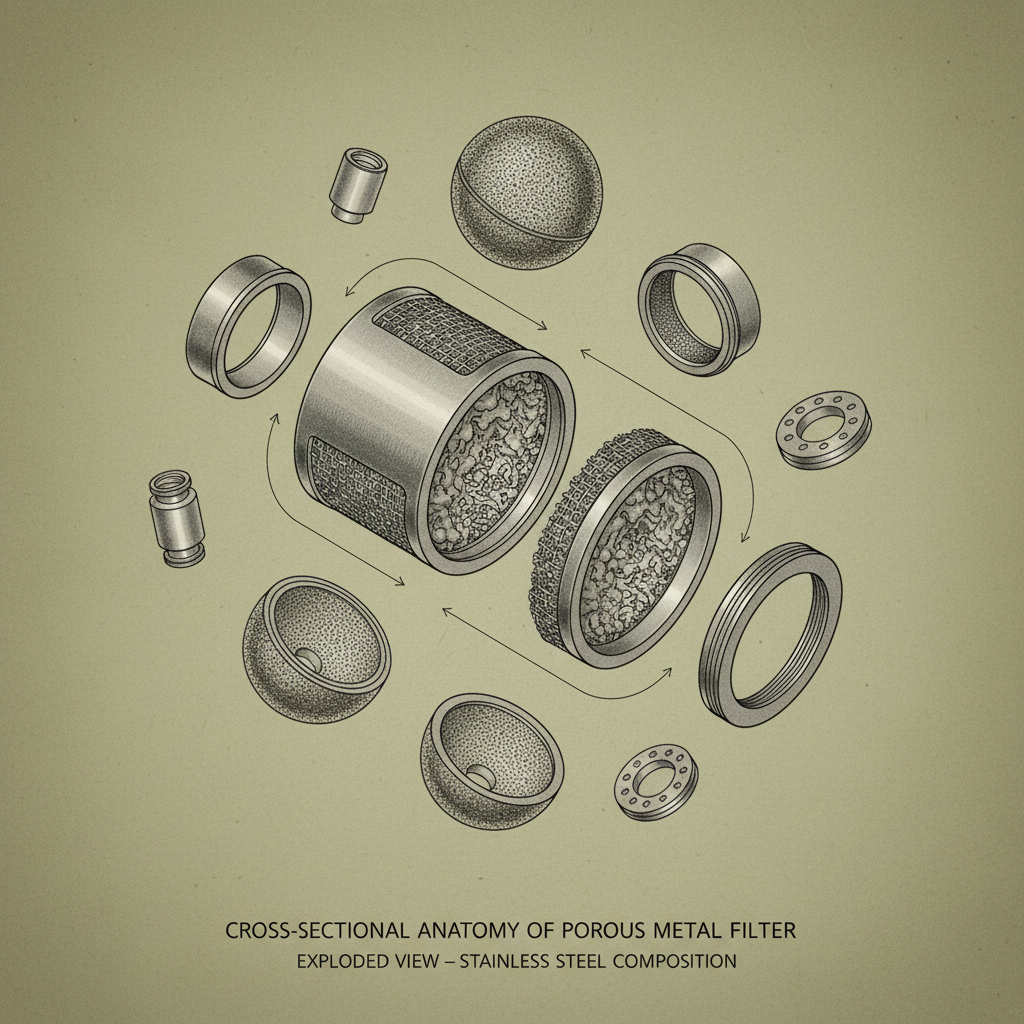
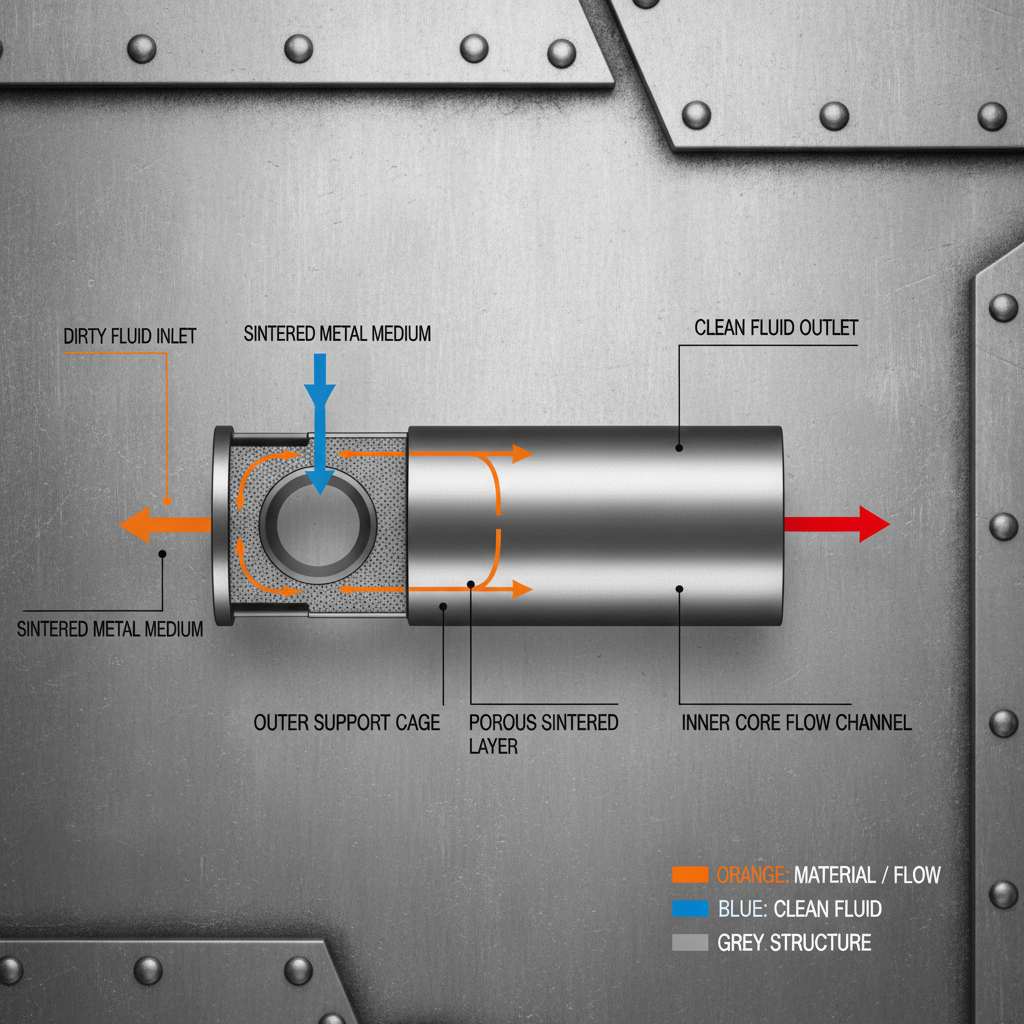
Basically, they're stainless steel sheets with tiny little holes punched through them. Sounds simple, doesn't it? But the devil's in the details. It’s not like drilling holes with a regular drill bit. We’re talking about precisely controlled pore sizes, distribution, and interconnectivity. It’s all about maximizing flow rate while maintaining the desired level of filtration.
They're essential in modern industry, honestly. Without them, you wouldn’t have clean drinking water in many places, you wouldn’t have the pharmaceuticals you rely on, and a whole lot of manufacturing processes would just grind to a halt. And it's not just about industry either – these things are crucial for humanitarian efforts too. Like setting up portable water purification systems in disaster areas.
Strangely enough, they're actually borrowing tech from the semiconductor industry now, using etching techniques to create really fine pores. It’s kinda wild to see those worlds colliding.
Key Factors Influencing Performance
First, you’ve got the material grade. 316L is the go-to for corrosion resistance, but sometimes you need something more exotic, like a titanium alloy, for really harsh environments.
Then there’s the pore size, obviously. And it’s not just a single number, it’s a distribution. A narrow distribution is ideal, but it’s harder (and more expensive) to achieve. Then you’ve got the thickness of the filter, the overall surface area, and the way the pores are interconnected. All of these things affect the flow rate and the filtration efficiency.
Finally, the manufacturing process itself is key. Laser drilling, etching, sintering… they all produce different results. And you’ve gotta make sure the filter is properly cleaned and passivated after manufacturing to remove any residual contaminants.
Applications Across Diverse Industries
I mean, where aren’t they used? Oil and gas, obviously, for separating solids from liquids. Pharmaceuticals, for sterilizing fluids. Food and beverage, for clarifying juices and beers. Chemical processing, for removing impurities.
And it’s expanding. I’ve seen them used in fuel cells, in medical implants, even in some pretty cutting-edge aerospace applications. It’s all about finding ways to separate things efficiently and reliably.
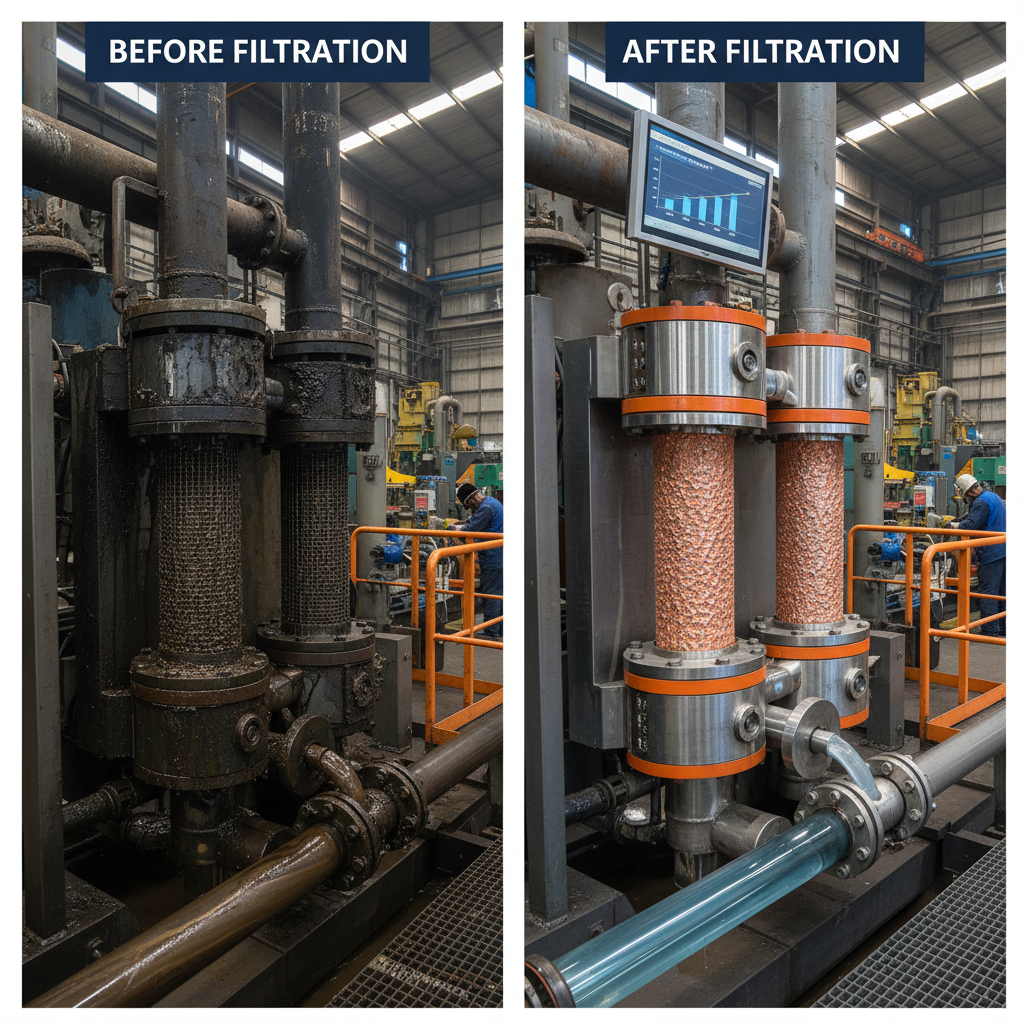
I was at a wastewater treatment plant in California last year, and they were using these massive stainless steel filters to remove microplastics from the effluent. It was impressive, honestly. The scale of it, the sheer volume of water they were processing. Anyway, I think it showed the potential of this tech.
Stainless Steel Porous Filters Application Breakdown
Advantages and Long-Term Value Proposition
Durability is a big one. They don't corrode, they don't degrade easily, and they can withstand high temperatures and pressures. That translates to lower maintenance costs and a longer lifespan.
They're also relatively easy to clean and sanitize, which is critical for applications like pharmaceuticals and food processing. And they can be customized to meet specific needs, which we'll get to later. It’s a good investment, really. You pay a bit more upfront, but you save in the long run.
Future Innovations and Technological Advancements
I’m seeing a lot of research into additive manufacturing – 3D printing – of porous stainless steel. That would allow for even more complex geometries and customized designs. Also, there's work being done on combining stainless steel with other materials, like ceramics, to create filters with even better performance.
And the push for sustainability is driving innovation too. People are looking for ways to recycle and reuse these filters, or to develop more environmentally friendly manufacturing processes. It’s a good direction, honestly.
Challenges and Practical Solutions
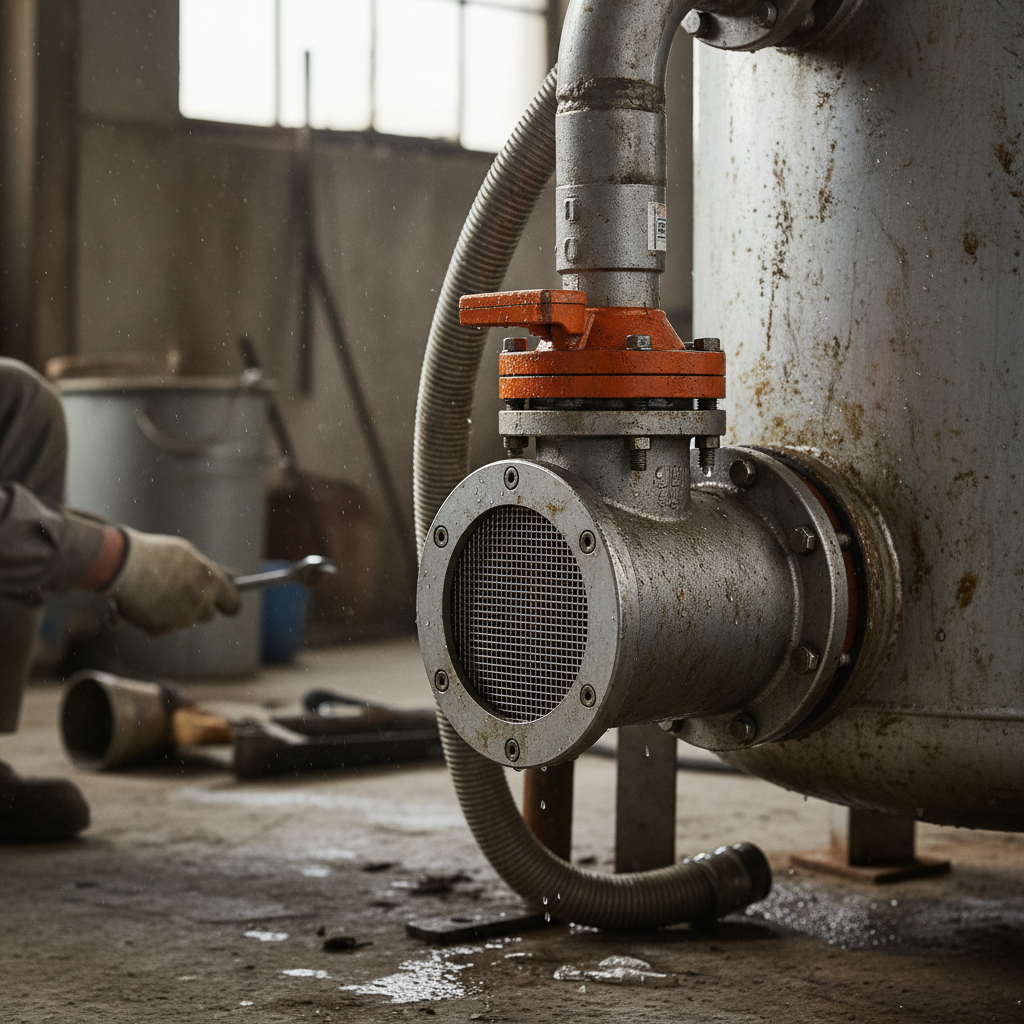
Clogging is always a problem. Especially with viscous fluids or fluids containing a lot of solids. The solution? Pre-filtration. Use a coarser filter upstream to remove the larger particles before they reach the stainless steel filter.
Another issue is cost. High-precision stainless steel filters can be expensive. But you can often optimize the design to reduce material usage without sacrificing performance. Also, consider the total cost of ownership – the long-term savings from reduced maintenance and downtime can often outweigh the initial investment.
And, honestly, sometimes it just comes down to communication. Engineers need to talk to the guys on the shop floor, and vice versa. You need to understand what's happening in the real world to design a filter that actually works.
Common Stainless Steel Porous Filter Issues and Mitigation Strategies
| Issue |
Root Cause |
Severity (1-10) |
Mitigation Strategy |
| Clogging |
High particulate load in feed stream |
8 |
Implement pre-filtration stage |
| Corrosion |
Incompatible fluid chemistry |
7 |
Select appropriate stainless steel grade (e.g., 316L) |
| Low Flow Rate |
Small pore size or restricted surface area |
6 |
Optimize pore size and increase filter surface area |
| Differential Pressure Drop |
Filter becoming blocked or restricted |
9 |
Monitor pressure and implement cleaning/replacement schedule |
| Manufacturing Defects |
Poor quality control during production |
5 |
Source from reputable manufacturer with strict QA processes |
| Pore Size Distribution Variance |
Inconsistent manufacturing process |
4 |
Specify tight tolerances and request certification |
FAQS
It really depends on the specific chemical and the operating conditions, but generally, you're looking at anywhere from 6 months to 2 years. A lot of it comes down to regular cleaning and maintenance. If you let it get clogged or corroded, it’ll fail much sooner. We always recommend a preventative maintenance schedule based on the fluid being processed. The biggest killer is usually buildup of solids or scaling from the process fluid.
Yes, some can, but it’s not always the best approach. Backwashing can dislodge particles, but it can also damage the filter media, especially if the pores are very small. We generally recommend chemical cleaning or ultrasonic cleaning for more thorough removal of contaminants. The key is to use a cleaning agent that won’t corrode the stainless steel. I saw a guy try to use hydrochloric acid once… that didn’t end well.
Sintered filters are made by fusing together small stainless steel particles, which creates a more isotropic pore structure and higher strength. Woven filters are made from stainless steel wire mesh, which is cheaper but less durable and has a more anisotropic pore structure. So, sintered is better for high pressure and temperature applications, while woven is good for less demanding applications. It’s a trade-off between cost and performance.
There are several methods. Bubble point testing is common, where you measure the pressure required to force air through the filter. Also, mercury porosimetry can give you a more detailed pore size distribution. But honestly, the best way is to just test it with the actual fluid you’re going to be filtering. That's what I always do – a real-world test gives you the most accurate results.
Absolutely. Highly corrosive fluids, like concentrated acids or bases, can damage the stainless steel over time. Also, fluids containing certain types of particles, like large fibers or abrasive materials, can clog the filter quickly. You need to carefully consider the fluid compatibility and the particle characteristics before selecting a filter. We always recommend doing a compatibility test first.
It depends on the complexity of the design and our current workload. A simple modification to an existing design might take a few weeks, but a completely custom design could take several months. The prototyping phase, especially, can take time. We've had some projects get delayed because the customer kept changing the specs. It’s always best to plan ahead and provide us with clear specifications from the start.
Conclusion
Ultimately, stainless steel porous filters are more than just bits of metal with holes in them. They’re a critical component in countless industries, impacting everything from water quality to pharmaceutical production. They represent a balance of durability, performance, and customization that's hard to beat.
But here’s the thing: whether this thing works or not, the worker will know the moment he tightens the screw. It's not about the fancy specs or the lab tests; it's about whether it holds up in the real world, under real conditions, day after day. And that's what we strive for – to deliver filters that work, reliably, every single time.