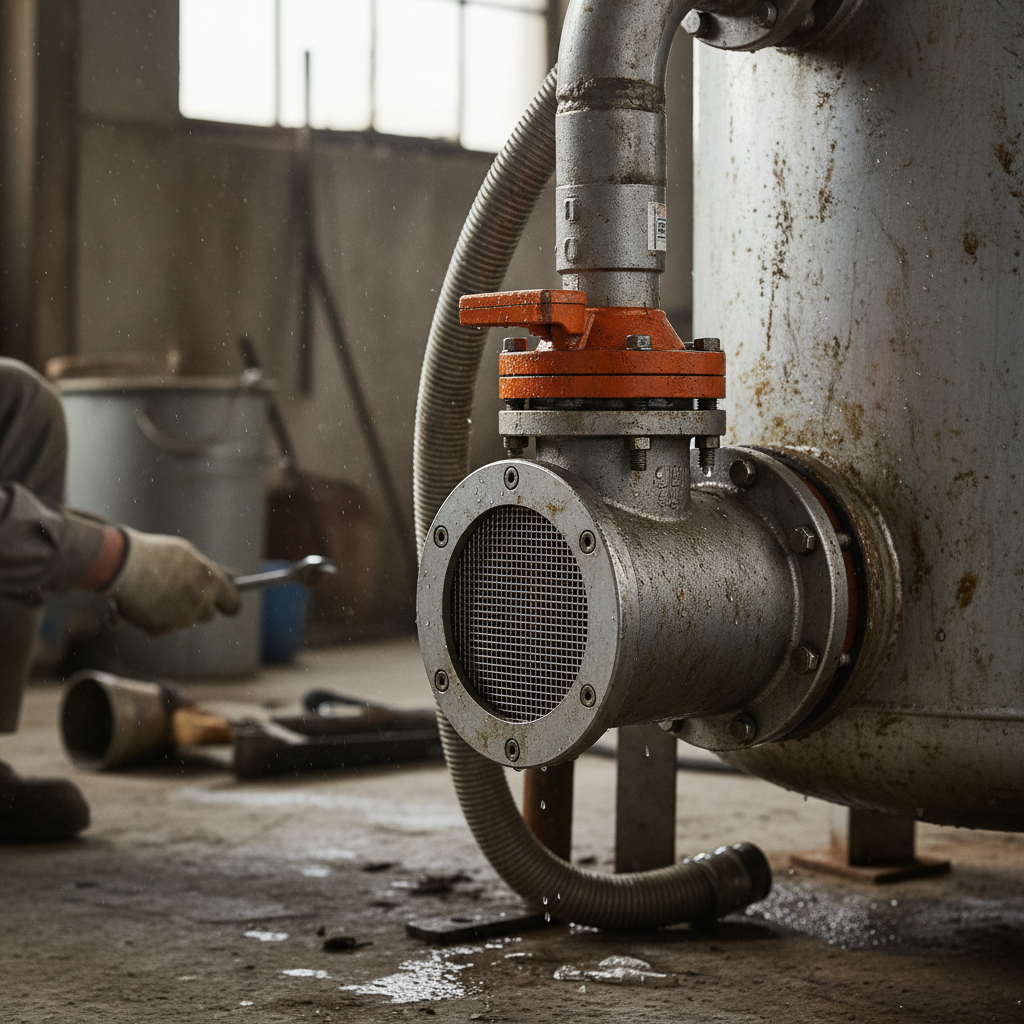
The implementation of effective drainage systems is paramount across a multitude of sectors globally, and a crucial component of many of these systems is the often-overlooked drainage bag vent. These vents play a vital role in maintaining optimal pressure, preventing structural damage, and ensuring the safe and efficient operation of containment and collection systems. Understanding the nuances of drainage bag vents is no longer confined to specialized engineering fields; it impacts public health, environmental sustainability, and even disaster relief efforts worldwide.
Globally, the demand for reliable drainage solutions is escalating, driven by rapid urbanization, increasing industrial activity, and the growing awareness of environmental concerns. From managing wastewater in densely populated cities to controlling effluent in remote mining operations, the need for efficient and safe drainage is undeniable. The drainage bag vent, often a small but significant component, directly addresses the challenges of pressure build-up and potential containment failure, making it a critical element in sustainable infrastructure.
The rising frequency of extreme weather events further amplifies the importance of robust drainage infrastructure. Flooding, resulting from inadequate drainage, causes billions of dollars in damage annually and poses a significant threat to human life. A properly functioning drainage bag vent contributes to the overall stability and resilience of drainage systems, mitigating these risks and safeguarding communities.
The Core Principles of Drainage Bag Vent Design
The fundamental principle behind effective drainage bag vent design is to equalize pressure within the containment system. Without a vent, accumulating gases or vacuum conditions can compromise the integrity of the bag and the surrounding infrastructure. This necessitates careful calculation of vent size, placement, and flow characteristics to match the anticipated drainage rate and potential gas production.
A key consideration is the type of material being drained. Different substances release varying amounts of gases, requiring a vent system tailored to the specific application. Factors like temperature, humidity, and ambient pressure also play significant roles in determining the optimal vent configuration. Proper design minimizes the risk of leaks, spills, and environmental contamination.
Global Regulatory Standards for Drainage Bag Vents
The use of drainage bag vents is increasingly governed by international and regional regulations aimed at protecting human health and the environment. Organizations like the ISO (International Organization for Standardization) and EPA (Environmental Protection Agency) set standards for vent performance, material safety, and emission control. Compliance with these standards is essential for ensuring responsible waste management and preventing pollution.
Specific regulations vary depending on the industry and geographical location. For example, the handling of hazardous waste requires more stringent vent specifications than the drainage of non-toxic fluids. Companies operating globally must navigate a complex web of regulations, often requiring customized vent solutions to meet local requirements. Regular inspection and maintenance are also crucial for maintaining compliance.
Failure to adhere to these standards can result in hefty fines, legal penalties, and reputational damage. Proactive compliance through the use of certified drainage bag vents and diligent monitoring practices is therefore a vital component of responsible business operations.
Material Composition and its Impact on Vent Performance
The material used in the construction of a drainage bag vent significantly influences its durability, chemical resistance, and overall performance. Common materials include polypropylene, polyethylene, PTFE (Teflon), and various engineered plastics. The selection process should consider the specific fluid being drained and the operating environment.
For example, PTFE is highly resistant to corrosive chemicals and is often preferred for handling aggressive waste streams. Polypropylene offers a good balance of cost and performance for less demanding applications. The material's permeability also plays a role – a breathable material can facilitate gas exchange, while a non-permeable material provides a tighter seal against leaks and odors.
Furthermore, the material's resistance to UV degradation and temperature extremes is critical for outdoor applications. Choosing a material that can withstand the specific environmental conditions extends the vent's lifespan and reduces the need for frequent replacements.
The Correlation Between Vent Flow Rate and Bag Capacity
There’s a direct correlation between the flow rate of a drainage bag vent and the capacity of the bag it serves. An undersized vent will create a pressure differential, potentially causing the bag to rupture or leak. Conversely, an oversized vent might allow excessive gas release or reduced filtration efficiency.
Accurately calculating the required vent flow rate involves considering the drainage rate, the volume of gases produced, and the desired pressure relief level. Manufacturers often provide flow rate charts and sizing guidelines to assist in selecting the appropriate vent for a specific application.
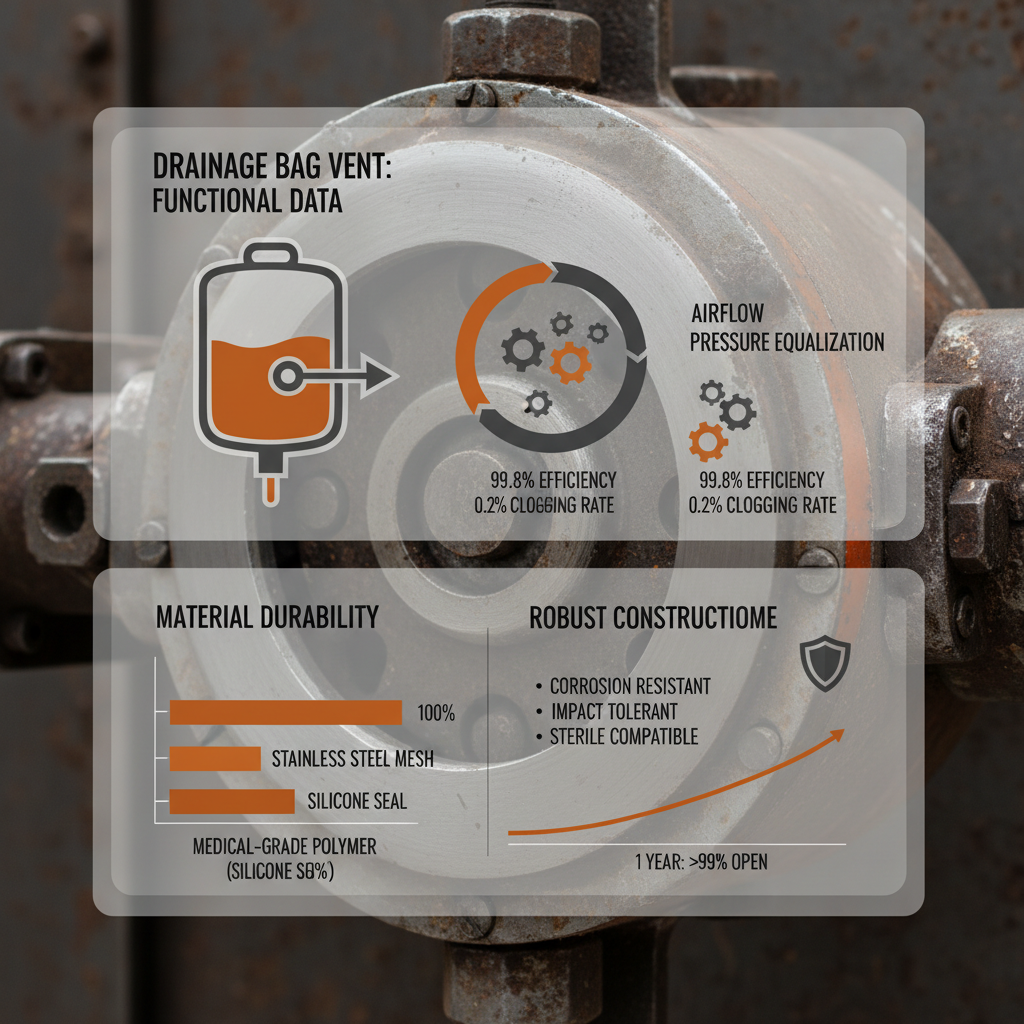
Drainage Bag Vent Performance Comparison
Real-World Applications: Industry-Specific Examples
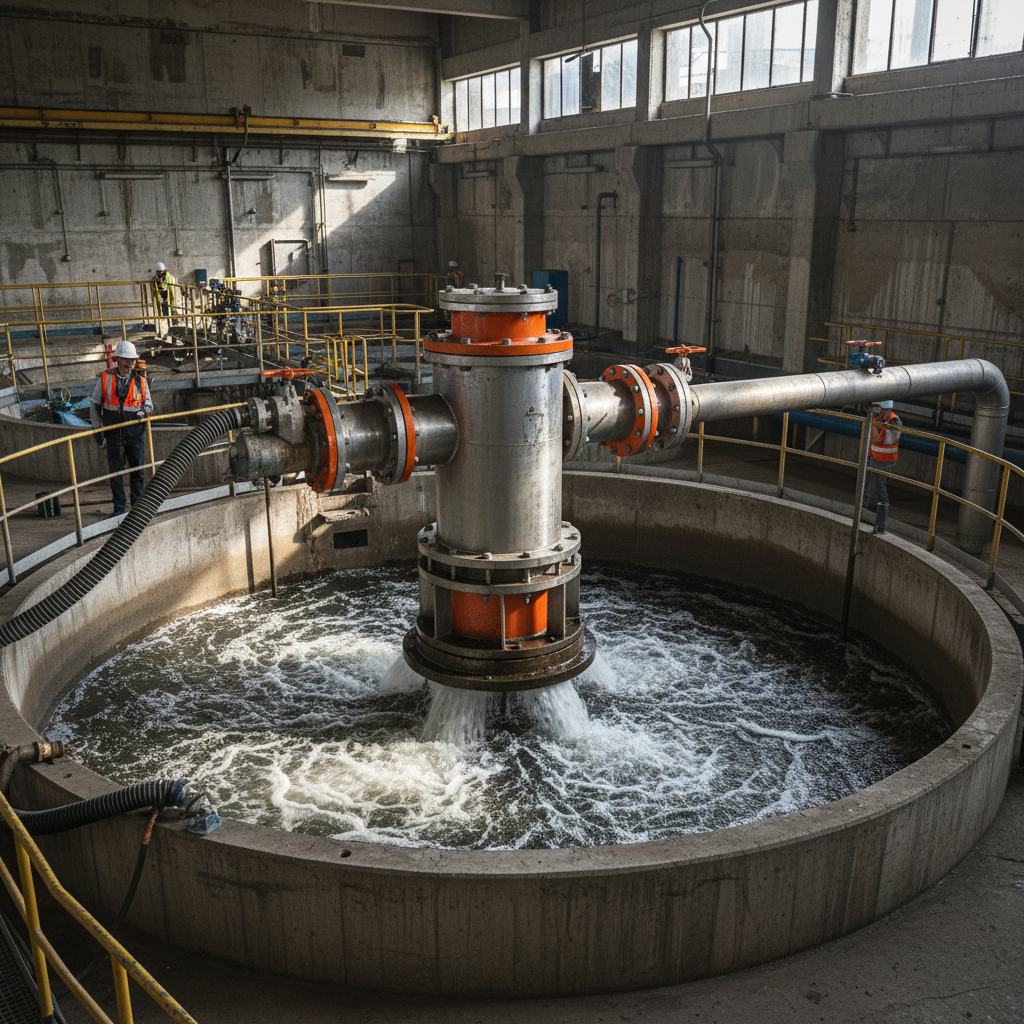
The applications of drainage bag vents are diverse, spanning numerous industries. In the wastewater treatment sector, they are essential for managing biogas produced during anaerobic digestion. In the chemical processing industry, they safeguard against pressure build-up during reactor operations.
In post-disaster relief operations, portable drainage systems equipped with vents are crucial for managing contaminated water and preventing the spread of disease. Even in smaller-scale applications like medical waste disposal, effective venting is critical for maintaining hygiene and safety.
Long-Term Cost Savings and Environmental Benefits
Investing in high-quality drainage bag vents yields significant long-term cost savings. Reduced bag failures translate into fewer replacements and lower maintenance expenses. Furthermore, preventing leaks and spills minimizes environmental cleanup costs and potential legal liabilities.
Environmentally, proper venting reduces the release of harmful gases into the atmosphere, contributing to cleaner air quality. By preventing system failures, vents also minimize the risk of soil and water contamination. This aligns with growing sustainability initiatives and demonstrates a commitment to responsible environmental stewardship.
The enhanced safety and reliability provided by effective vents also reduce the risk of accidents and worker exposure to hazardous substances, leading to a healthier and more productive workforce.
Future Innovations and Emerging Technologies in Vent Design
The future of drainage bag vent technology is focused on increased efficiency, smart monitoring, and sustainable materials. Researchers are exploring the use of advanced membrane materials with enhanced permeability and selectivity, allowing for more precise control of gas release.
The integration of sensors and IoT (Internet of Things) technology is enabling real-time monitoring of vent performance, providing early warnings of potential failures and optimizing system operation. Furthermore, the development of biodegradable and bio-based vent materials is addressing growing concerns about plastic waste and environmental impact.
Automated vent control systems, responsive to real-time pressure and gas composition data, are also on the horizon, promising even greater efficiency and safety in drainage operations.
Summary of Key Vent Design Challenges and Potential Solutions
| Challenge |
Impact on Drainage Bag Vent Performance |
Potential Solution |
Implementation Cost (Scale 1-10) |
| Corrosion from Aggressive Fluids |
Reduced vent lifespan, potential leaks |
Utilize corrosion-resistant materials (PTFE, specialized polymers) |
7 |
| Clogging due to Particulate Matter |
Reduced flow rate, pressure build-up |
Implement pre-filtration systems, self-cleaning vent designs |
6 |
| Temperature Fluctuations |
Material degradation, altered flow characteristics |
Select temperature-stable materials, incorporate thermal insulation |
5 |
| Inaccurate Flow Rate Sizing |
Pressure imbalances, bag failure |
Utilize precise flow rate calculation models, consult with experts |
4 |
| Lack of Real-Time Monitoring |
Delayed detection of issues, potential for catastrophic failure |
Integrate sensors and IoT technology for continuous monitoring |
8 |
| Material Sustainability Concerns |
Environmental impact, waste disposal issues |
Explore biodegradable and bio-based materials |
7 |
FAQS
A drainage bag vent prevents pressure build-up or vacuum formation within the drainage bag, safeguarding against rupture, leaks, and potential environmental contamination. It ensures consistent and safe operation of the drainage system, maintaining structural integrity and preventing dangerous gas releases. Proper venting also extends the lifespan of the drainage bag itself, reducing replacement costs and downtime.
Regular inspection, ideally every 3-6 months, is crucial. Check for any signs of clogging, corrosion, or physical damage. Cleaning or replacing the vent as needed ensures optimal performance. Maintenance schedules should be tailored to the specific application and the environment in which the vent operates. Log these inspections for compliance and tracking.
The vent size is determined by several factors, including the drainage rate, the volume of gases produced by the contained material, the bag capacity, and ambient pressure. Accurate calculations, often provided by manufacturers, are essential to prevent under-venting (leading to pressure build-up) or over-venting (reducing efficiency). Consult flow rate charts and professional guidance for optimal sizing.
Yes, material selection is critical. For corrosive substances, PTFE or chemically resistant polymers are ideal. For high-temperature applications, materials with high thermal stability are required. Consider the permeability of the material – breathable materials are suited for gas exchange, while non-permeable materials offer a tighter seal. The specific properties of the fluid being drained dictate the appropriate vent material.
By preventing leaks and spills, a properly functioning drainage bag vent minimizes environmental contamination. Reducing the frequency of bag replacements lowers plastic waste. Utilizing vents made from sustainable materials further enhances environmental responsibility. Effective venting also contributes to safer waste management practices, protecting ecosystems and human health.
An improperly sized or malfunctioning vent can lead to a range of problems, including bag rupture, leaks, release of hazardous gases, and system failure. This can result in environmental contamination, safety hazards, legal penalties, and costly downtime. Regular inspection and maintenance are vital to prevent these consequences and ensure reliable operation.
Conclusion
In conclusion, the drainage bag vent is a deceptively simple yet critically important component of modern drainage systems. From ensuring safe waste management to protecting the environment and enhancing operational efficiency, its role is undeniable. Understanding the core principles of vent design, material selection, and regulatory compliance is essential for organizations across diverse industries.
Looking ahead, continued innovation in vent technology – including smart monitoring systems, sustainable materials, and automated controls – promises even greater performance, reliability, and environmental responsibility. Investing in high-quality vents and prioritizing proactive maintenance is not merely a matter of cost savings; it’s a commitment to safety, sustainability, and long-term operational excellence. For optimal drainage solutions, visit our website: www.chinaporousfilters.com