Porous filter discs. Sounds simple, right? But spend a day on a construction site, wrestling with dust, dealing with water contamination, trying to keep things running smoothly, and you quickly realize how vital seemingly small components can be. These aren't just lab curiosities; they’re the workhorses keeping crucial systems online, whether it’s air filtration in a concrete plant, water purification on a remote job site, or even managing fluids in heavy machinery. It’s about uptime, efficiency, and frankly, keeping people safe and healthy. You quickly learn to appreciate anything that minimizes headaches and keeps the project moving forward.
I’ve seen firsthand the problems that arise from inadequate filtration - equipment failures, delays due to contaminated water, and increased health risks for the crew. Traditional filtration methods can be bulky, slow, and require constant maintenance. That’s where porous filter discs really shine. They offer a compact, reliable solution that's becoming increasingly essential in modern construction and industrial processes. They've evolved from niche applications to being a standard component on many of my projects, and for good reason.
What really gets my attention isn’t the fancy materials science, but the practical benefits. Anything that reduces downtime and boosts productivity is worth investigating. And porous filter discs deliver on both fronts. They're also proving their worth in areas where logistics are tough, because they are lightweight and can be easily stocked. I've seen them make a real difference, especially on projects where time is money and resources are limited.
The Core Value Proposition of porous filter discs
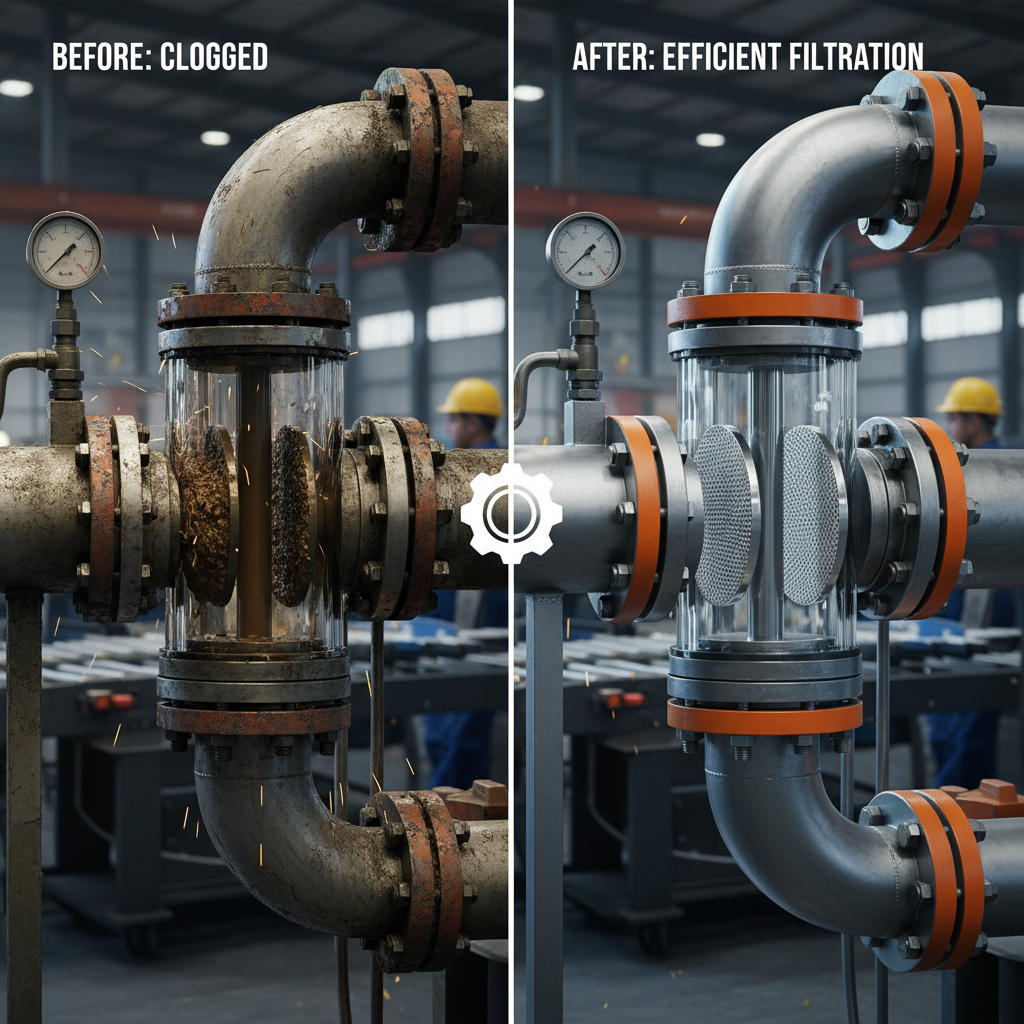
Look, a filter is a filter, right? Not necessarily. The real value of porous filter discs is in their versatility and efficiency. They can be tailored to handle a huge range of particle sizes and fluid types. From removing microscopic contaminants in hydraulic systems to filtering out larger debris in water purification, they offer a level of precision that older technologies often struggle to match. I’ve seen them reduce maintenance cycles significantly – less downtime, less hassle.
What also matters is their form factor. You’re dealing with confined spaces on a job site, complex machinery, and limited installation areas. Porous filter discs can be manufactured in various shapes and sizes, making them adaptable to a wider range of applications compared to bulky cartridge filters or traditional media beds. That’s a big win in the field where space is always at a premium.
Global Significance and Industry Adoption
The need for clean fluids and air isn't just a "nice to have" – it’s a global imperative. The UN Sustainable Development Goals specifically target access to clean water and sanitation, and industrial processes worldwide need to minimize environmental impact. porous filter discs are playing an increasing role in addressing these challenges. I've seen their use expand rapidly in regions with limited infrastructure, providing cost-effective solutions for water purification and air filtration.
Industry adoption is growing across the board. The automotive sector is using them in fuel filtration systems, the pharmaceutical industry demands ultra-pure filtration for drug manufacturing, and the food and beverage industry relies on them to maintain product quality. The ISO standards for water quality and air purification are becoming more stringent, driving demand for higher-performance filtration technologies.
Honestly, you see these things showing up everywhere. It’s not just about big corporations either. Smaller businesses and local municipalities are realizing the benefits, too, especially as the cost of these discs comes down and their lifespan increases with newer materials.
Defining porous filter discs: From Material Science to Practical Application
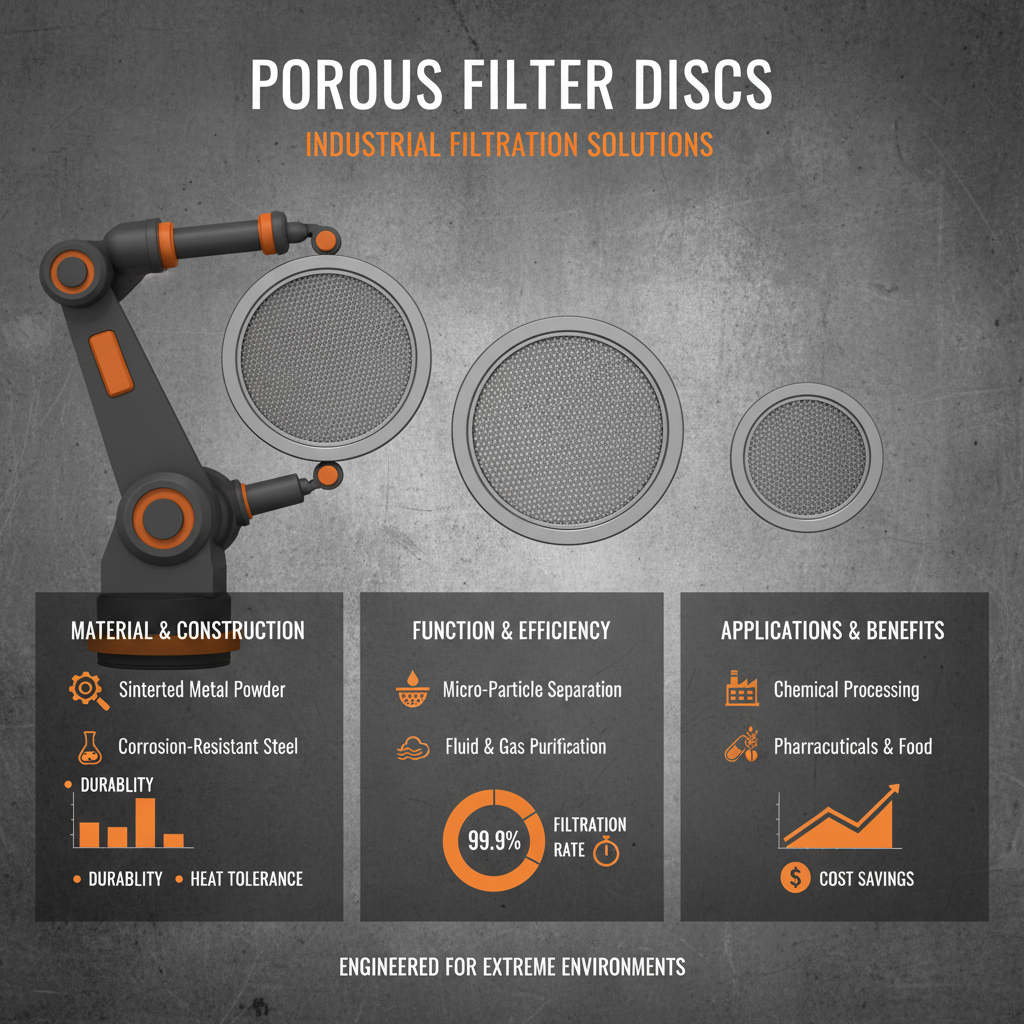
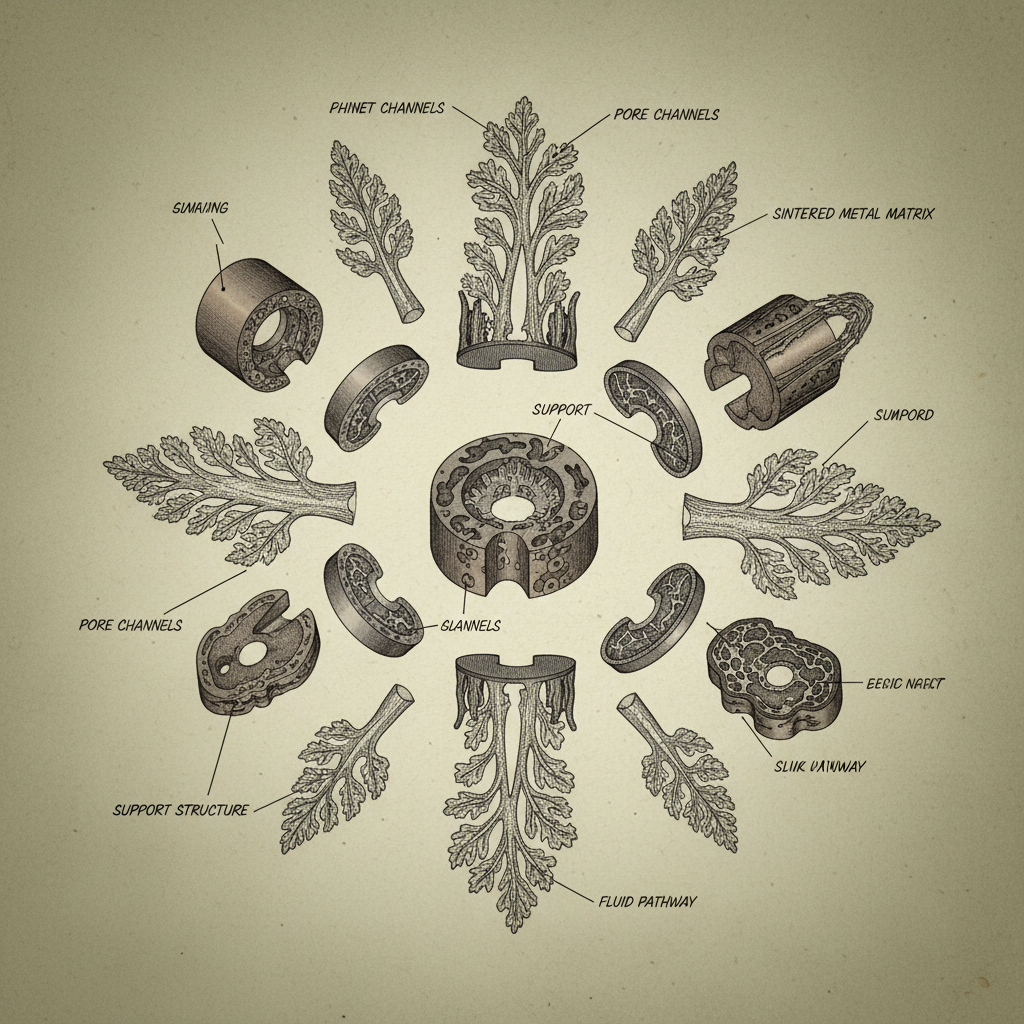
Okay, let’s get a little technical, but I’ll keep it practical. Porous filter discs are essentially thin, disc-shaped filters made from materials with interconnected pores. These pores act as a physical barrier, trapping contaminants while allowing the desired fluid or gas to pass through. The key is the pore size distribution – that's what determines what gets filtered out.
Materials range from sintered metals – incredibly durable and resistant to high temperatures – to polymeric materials like PTFE or polypropylene, which offer excellent chemical resistance. Ceramic discs are also common, particularly in applications requiring high precision and thermal stability. The choice of material depends entirely on the specific application and the type of contaminants being removed. The recent advances in nanomaterials are also opening up new possibilities for creating discs with even finer pore sizes and enhanced filtration efficiency.
But it's not just the material. The manufacturing process – sintering, molding, or etching – also influences the disc's performance characteristics. I've seen discs with different pore geometries offering varying levels of flow rate and contaminant capture. It's about finding the right balance between filtration efficiency, pressure drop, and overall lifespan.
Key Performance Indicators for porous filter discs
When I'm evaluating filters, I don't care about theoretical specs. I want to know how they perform in the real world. That means looking at a few key indicators. Filtration efficiency is obviously critical – what percentage of contaminants are being removed? But flow rate is just as important. A highly efficient filter that severely restricts flow is useless.
Pressure drop is another key metric. High pressure drop increases energy consumption and can damage equipment. Durability and lifespan are also critical. How long will the disc last before it needs to be replaced? And finally, cost-effectiveness. The cheapest option isn't always the best if it means frequent replacements or reduced performance.
Porous Filter Disc Performance Comparison
Real-World Applications Across Diverse Sectors
I've used porous filter discs in everything from large-scale water treatment plants to individual hydraulic systems on excavators. In remote areas where clean water is scarce, they're being incorporated into portable water purification units, providing a lifeline for communities. I've also seen them used in dust collection systems in woodworking shops, improving air quality and worker safety.
The oil and gas industry relies heavily on them for filtration in drilling fluids and refining processes. The aerospace industry uses them in fuel filtration systems to ensure engine reliability. And increasingly, they’re finding applications in the medical field, in devices like blood filters and diagnostic equipment. It's a really versatile technology.
Long-Term Benefits and Value Creation
The long-term benefits go beyond just reducing downtime and maintenance costs. Using reliable filtration like these discs protects your equipment. Protecting equipment means less capital expenditure over time, and increased operational efficiency. It’s about building a sustainable operation.
There's also the aspect of environmental responsibility. Proper filtration minimizes waste, reduces the release of harmful pollutants, and contributes to a cleaner, healthier environment. That's becoming increasingly important from a regulatory standpoint and also for building a positive brand image.
Ultimately, it’s about peace of mind. Knowing that your systems are protected and running efficiently allows you to focus on what matters most – getting the job done safely and on time.
Future Trends and Emerging Innovations
We’re seeing a lot of exciting developments in the world of porous filter discs. Researchers are exploring new materials, like graphene and carbon nanotubes, to create discs with even higher filtration efficiency and durability. Additive manufacturing, or 3D printing, is also opening up new possibilities for creating customized discs with complex pore structures.
The integration of sensor technology is another promising trend. Smart discs that can monitor their own performance and alert you when they need to be replaced will revolutionize maintenance practices. And with the increasing focus on sustainability, we’re likely to see more emphasis on developing biodegradable and recyclable filter materials.
The future of filtration is looking bright, and porous filter discs are poised to play a central role in it. The need for cleaner processes and resource efficiency is only going to increase, and this technology is perfectly positioned to meet those demands.
Analysis of Factors Influencing porous filter discs Performance
| Material Type |
Pore Size (Microns) |
Flow Rate (Liters/Minute) |
Application Suitability |
| Sintered Stainless Steel |
20-50 |
60 |
High-Temperature Fluids, Chemical Processing |
| Polypropylene |
5-10 |
45 |
Water Filtration, Chemical Filtration |
| PTFE |
0.2-1 |
30 |
Aggressive Chemical Environments, Pharmaceutical Applications |
| Ceramic (Alumina) |
1-5 |
50 |
High-Pressure Filtration, Gas Filtration |
| Nickel |
10-30 |
70 |
Corrosive Fluids, Hydraulic Systems |
| Titanium |
2-8 |
55 |
Biocompatible Applications, High-Performance Filtration |
FAQS
From my experience, porous filter discs offer several key advantages. They provide a greater surface area for filtration in a smaller footprint, meaning higher flow rates and longer lifespans. They’re also much more versatile in terms of customization – you can tailor the pore size and material to suit very specific applications. Traditional cartridges often lack this level of precision and adaptability.
Determining the correct pore size depends on the size of the contaminants you need to remove. A good starting point is to analyze your fluid or air stream to identify the particle distribution. If you’re unsure, it's always best to start with a slightly larger pore size and then gradually decrease it until you achieve the desired level of filtration. Remember, smaller pore sizes can significantly reduce flow rate.
It depends on the chemical. Materials like PTFE and certain ceramics are highly resistant to a wide range of aggressive chemicals. However, materials like stainless steel can corrode in certain environments. It’s critical to check the chemical compatibility of the filter material before using it in a harsh application. Consulting the material data sheet is essential.
The replacement frequency depends on several factors, including the contaminant load, the flow rate, and the material of the disc. Regularly monitoring the pressure drop across the filter is a good indicator of when it needs to be replaced. A significant increase in pressure drop suggests the pores are becoming clogged. Regular inspections are key.
Some porous filter discs can be cleaned and reused, but it depends on the type of contaminant and the material of the disc. Certain cleaning methods, like backflushing or ultrasonic cleaning, can remove surface contaminants. However, it's important to note that cleaning may not restore the disc to its original performance. Single-use discs are often recommended for critical applications.
In a well-maintained hydraulic system, a porous filter disc can last anywhere from 6 to 12 months, depending on the severity of the operating conditions and the quality of the hydraulic fluid. It's crucial to regularly monitor the fluid condition and replace the disc proactively to prevent damage to hydraulic components. A clogged filter can lead to expensive repairs.
Conclusion
Porous filter discs are more than just a component; they're a critical enabler of efficiency, reliability, and sustainability across a wide range of industries. From improving air and water quality to protecting sensitive equipment and reducing environmental impact, these unassuming discs play a vital role in modern operations. Understanding their capabilities and limitations is essential for anyone involved in process engineering, maintenance, or procurement.
The ongoing innovations in materials science and manufacturing techniques promise to further enhance the performance and versatility of these filters. Investing in high-quality porous filter discs isn’t just about solving immediate problems – it’s about building a more resilient, efficient, and sustainable future. If you're looking for reliable filtration solutions, I highly recommend exploring the options available at porous filter discs.