The Quiet Revolution of the Sintered Metal Sparger: Why It Matters Globally
If you've never heard of a sintered metal sparger, don't worry — it’s one of those behind-the-scenes heroes that quietly supports critical industries worldwide. Essentially, this device helps introduce gases into liquids or slurries in a controlled, efficient way. From wastewater treatment to fermentation, and even in the energy sector, knowing how these devices function can shed light on improved industrial efficiencies and environmental benefits. Plus, given growing global concerns over resource optimization and pollution control, understanding such technology feels... timely, to say the least.
Understanding the Global Context of Sintered Metal Spargers
Worldwide, industries consume energy and water at massive scales. According to the United Nations, over 80% of the world's wastewater is released untreated — a shocking statistic that calls for smarter filtration and aeration solutions. This is where the sintered metal sparger finds its niche. By promoting efficient gas dispersion, these spargers ensure better chemical reactions, improved purification, and lower emissions in processes that are absolutely vital for sustainable development. Yet, many companies still face challenges in deploying reliable, durable spargers that won’t clog or degrade under harsh conditions.
It’s fascinating how such a simple device can ripple impact across global sustainability goals.
What Exactly Is a Sintered Metal Sparger?
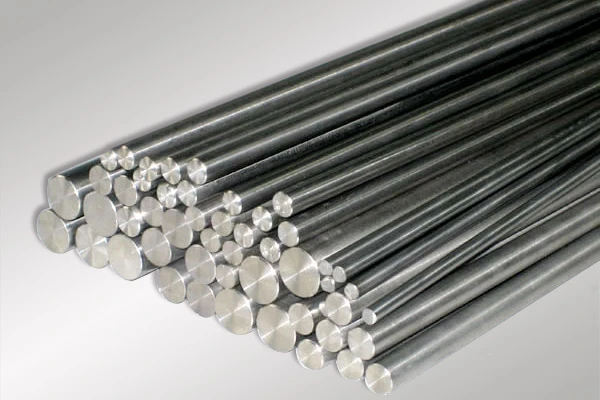
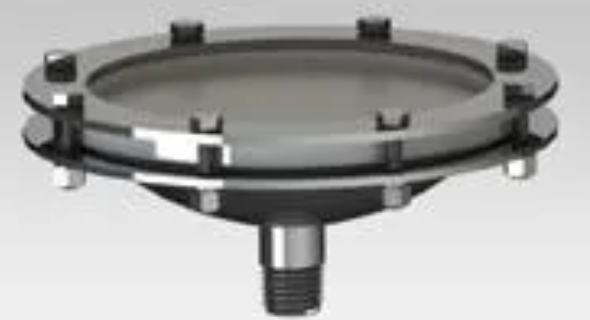
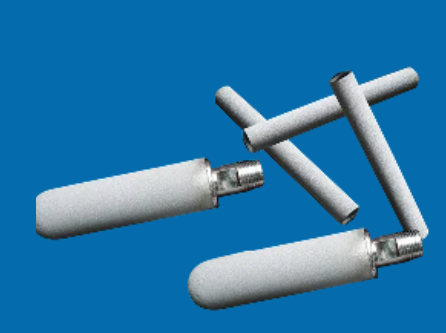
In plain terms, a sintered metal sparger is a porous metal element created by compacting and heating metal powders without melting them, resulting in a solid yet permeable structure. This porosity allows gas to bubble evenly through liquids, enhancing processes like aerobic digestion, dechlorination, or fermentation. Think of it as an ultra-tough, metal “bubble diffuser” that lasts far longer than plastic or ceramic alternatives. In humanitarian relief efforts — say, setting up clean water stations post-disaster — these spargers help oxygenate water rapidly, fostering microbial cleanup and making water safer.
Mini takeaway:
- Sintered metal spargers leverage innovative metal powders to deliver reliable gas diffusion.
- They blend durability with precision, making them essential across various industrial and humanitarian scenarios.
Core Features That Make Sintered Metal Sparger Stand Out
1. Durability
Unlike plastics that degrade over time or ceramics that chip easily, sintered metal spargers resist corrosion, high temperatures, and physical wear. Industrial wastewater often contains harsh chemicals, so longevity is non-negotiable here.
2. Scalability
Whether it’s a small bio-reactor or a large municipal treatment tank, spargers can be custom-made in various sizes and shapes. This flexibility means engineers can design processes with precision rather than adapting awkward parts.
3. Cost Efficiency
Initially, sintered spargers may come at a premium compared to simple diffusers, but their extended service life and low maintenance costs offset this — saving companies both downtime and recurring expenses.
4. Consistent Gas Distribution
The micro-porosity formed during sintering ensures uniform bubbles, improving oxygen transfer rates and reducing energy used in stirring or pumping.
5. Easy Integration
They’re designed to seamlessly fit existing pipe systems or custom setups without complex retrofitting — an essential factor for plants with limited downtime windows.
Global Use Cases & Industry Applications
It’s not just engineers at wastewater plants who swear by sintered metal spargers. Here’s a quick tour:
- Asia – Industrial Dye Manufacturing: Maintaining precise aeration in chemical baths produces more consistent hues with fewer pollutants.
- Europe – Brewery and Fermentation: Brewers benefit from controlled oxygen delivery to yeast cultures, enhancing flavor profiles.
- North America – Oil & Gas Sector: Spargers aid in gas injection for enhanced oil recovery and refining processes.
- Remote & Disaster Zones: NGOs use sparged bioreactors to treat contaminated water onsite, reducing health risks.
Mini takeaway:
Their ubiquity across continents and sectors is a strong proof point: sintered metal spargers are versatile, reliable, and essential.
What Benefits Can You Expect from a Sintered Metal Sparger?
- Economic Sustainability: Extended equipment life means fewer replacements, less waste, and better ROI.
- Environmental Impact: Uniform gas diffusion reduces energy consumption and enhances treatment effectiveness.
- Social Good: In humanitarian contexts, clean water technologies enable dignity, health, and community resilience.
- Process Control: Operators gain finer control over gas/liquid reactions — a major win in quality-sensitive industries.
Frankly, the feeling you get when a plant runs smoothly thanks to dependable spargers is akin to clockwork – comforting yet crucial.
Product Specifications at a Glance
| Specification | Typical Range | Notes |
|---|---|---|
| Material | Stainless Steel 316L, Bronze, Hastelloy | Corrosion resistant options |
| Pore Size | 5 µm – 50 µm | Controls bubble size and uniformity |
| Operating Temp. | -50°C to 600°C | Wide industrial applicability |
| Max Pressure | Up to 10 bar | Suitable for most liquid/gas systems |
| Dimensions | Customizable (from 10mm to 2000mm length) | Tailored to fit existing infrastructure |
Vendor Comparison: Who’s Leading the Sintered Metal Sparger Market?
| Vendor | Material Options | Customization | Price Range | Typical Lead Time |
|---|---|---|---|---|
| China Porous Filters | 316L Stainless, Bronze, Hastelloy | High: multiple sizes & pore precision | $$$ | 4-6 weeks |
| Vendor B (Europe) | 316L Stainless | Moderate: standard sizes only | $$$$ | 5-7 weeks |
| Vendor C (USA) | Bronze, Carbon Steel | Low: limited customization | $$ | 3-4 weeks |
The Future of Sintered Metal Spargers: What’s Next?
The evolution is unmistakable. With industries embracing greener technologies and automation, sintered metal spargers are also evolving. New composite materials combining metal with ceramics or polymers are on the rise — aiming to marry strength with even finer pore control.
More digital process monitoring, linked via IoT sensors, is not far off either. We might soon see spargers that self-optimize bubble size and distribution based on real-time feedback — which frankly sounds like something straight out of a sci-fi movie.
Plus, environmental policies pushing lower emissions will continue driving demand for ultra-efficient gas dispersion — a space where sintered spargers fit perfectly.
Tackling Challenges with Sintered Metal Spargers
No tech is perfect, and these spargers do face hurdles. Fouling/clogging from sediments can degrade performance, which often means scheduled cleanings or system redesign. High upfront costs deter smaller operations. But clever engineering — like back-flushing systems or modular sparger arrays — helps overcome these limitations.
Material innovations also promise to reduce clogging by tweaking surface energy or pore morphology.
Frequently Asked Questions About Sintered Metal Spargers
1. What industries benefit most from sintered metal spargers?
Industries ranging from wastewater treatment, pharmaceuticals, food & beverage fermentation, chemical processing, to oil & gas rely heavily on sintered spargers for efficient gas diffusion. Their durability and precision make them indispensable where gas-liquid interactions need consistency and long-term reliability.
2. How long can a sintered metal sparger last in harsh industrial environments?
With proper maintenance, spargers made from stainless steel 316L or Hastelloy can last 5 to 10 years or more. Resistance to corrosion and mechanical wear extends lifespan beyond plastics or ceramics, reducing downtime and replacement frequency.
3. Are sintered metal spargers customizable for unique applications?
Absolutely. Most manufacturers offer a wide range of sizes, shapes, and pore sizes tailored to specific liquid viscosities or gas flow requirements. Custom solutions help optimize performance in demanding or unusual setups.
4. How do NGOs deploy sintered metal spargers in disaster relief efforts?
NGOs use sparger-equipped bioreactors and filtration units to speed up water purification onsite, improving microbial oxygenation and accelerating contaminant breakdown. Their easy integration and low maintenance are crucial for remote or resource-limited areas.
5. Can I integrate a sintered metal sparger into my existing plant without major upgrades?
Most spargers are designed to retrofit easily into current piping or tank systems, requiring only minimal modifications. This helps plants upgrade aeration performance without significant downtime or capital investment.
Wrapping It Up: Why Embracing Sintered Metal Spargers Makes Sense
In the big, sometimes overwhelming picture of industrial innovation and sustainable development, sintered metal spargers quietly stand out — a simple yet ingenious technology enhancing process efficiency, environmental impact, and reliability. Whether you’re an engineer seeking better system performance or a humanitarian working towards clean water, the benefits are real and compelling.
If you want to dig deeper or discuss customized solutions, visiting China Porous Filters might just be your next best step.
References
Post Time: Dec . 01, 2025 12:50