In the intricate world of industrial fluid processing and gas-liquid mass transfer, the efficiency of dissolution and reaction processes is paramount. At the heart of many such operations lie critical components known as Spargers, devices designed to introduce gases into liquids in a controlled and effective manner. Among the diverse types available, Air Spargers are frequently employed for aeration and oxidation, while the robust construction of Stainless Steel Spargers makes them a preferred choice for demanding environments. These components are far from simple pipes; they are engineered systems that dictate the success of everything from pharmaceutical fermentation to wastewater treatment. This article delves into the core aspects of spargers, highlighting their types, applications, and the engineering excellence behind their manufacture.
Understanding the Fundamental Role of Spargers in Industrial Processes
A sparger acts as the critical interface between a gas stream and a liquid medium. Its primary function is to break down the incoming gas into a multitude of fine, uniform bubbles, thereby maximizing the surface area for contact. This enhanced interfacial area is crucial for efficient mass transfer, whether the goal is to dissolve oxygen into a bioreactor for cell culture, strip volatile compounds from wastewater, or facilitate a chemical reaction. The performance of a sparger directly impacts process efficiency, energy consumption, and final product quality. Key performance metrics include bubble size distribution, gas handling capacity, and resistance to fouling and corrosion. Without a properly designed sparger, processes can suffer from poor yields, extended cycle times, and increased operational costs.
The Distinct Advantages of Utilizing Air Spargers for Aeration
Air Spargers are specifically designed for applications where ambient or compressed air is the primary gas being introduced. They are the workhorses of biological and environmental systems. Their advantages are most evident in:
- Wastewater Treatment Plants:For the aeration tanks where microorganisms require oxygen to break down organic pollutants.
- Aquaculture:To maintain dissolved oxygen levels in water, ensuring a healthy environment for fish and other aquatic life.
- Food and Beverage Production:In processes like fermentation for beer, wine, and certain food products.
The design of an effective Air Spargers focuses on creating a fine bubble dispersion, which offers a higher oxygen transfer efficiency (OTE) compared to coarse bubble alternatives. This translates to significant energy savings, as less power is required for compressors to achieve the same level of dissolution.
Why Stainless Steel Spargers Are Chosen for Demanding Applications
When process conditions involve high temperatures, high pressures, corrosive media, or stringent hygienic requirements, the material of construction becomes as important as the design. This is where Stainless Steel Spargers excel. The inherent properties of stainless steel, particularly grades like 316 and 316L, make these spargers exceptionally durable and versatile. The key reasons for selecting Stainless Steel Spargers include:
- Corrosion Resistance:Withstands attack from a wide range of chemicals, brines, and cleaning agents.
- High-Temperature and Pressure Tolerance:Maintains structural integrity and performance in aggressive process environments.
- Ease of Sterilization:Can withstand repeated steam-in-place (SIP) and clean-in-place (CIP) cycles, making them ideal for pharmaceutical and biotech industries.
- Mechanical Strength:Resists damage from physical stress and offers a long operational lifespan.
Exploring the Diverse Product Range: Plate, Spherical, and Anti-Blocking Designs
Innovation in sparger design has led to the development of various configurations to meet specific process challenges. At our company, we specialize in engineering high-performance spargers using advanced metal sintered porous materials. Our core product lines include:
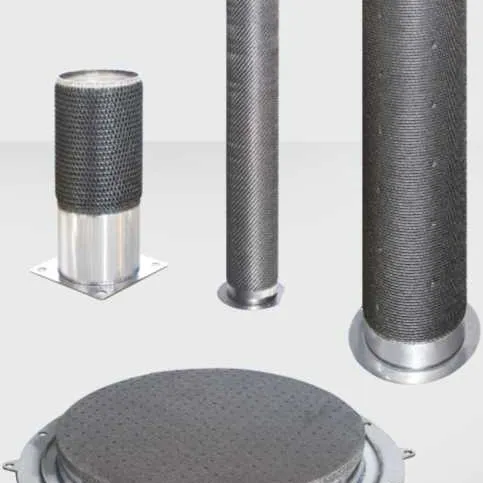
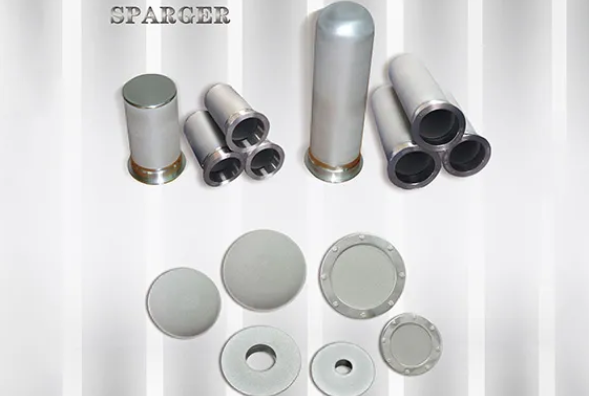
- Plate TypeSpargers: These provide a large, flat surface for gas dispersion, ideal for creating a uniform bubble curtain across the bottom of a tank or reactor. They are excellent for large-scale aeration and mixing.
- Spherical Type Spargers:Offering a three-dimensional dispersion pattern, spherical spargers are perfect for applications requiring omnidirectional gas distribution, such as in stirred-tank reactors where they work in tandem with impellers.
- Anti-Blocking Spargers:Specifically engineered to handle liquids with suspended solids or a tendency to form precipitates. The unique porous structure and design minimize the risk of pore clogging, ensuring consistent long-term performance with reduced maintenance.
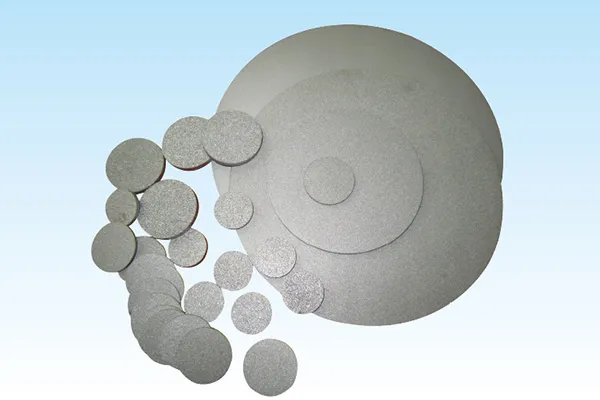
It is a point of pride that our Plate type, spherical type and anti-blocking spargers are the products designed by our company, the spargers are made of metal (Titanium and stainless steel) sintered porous materials and stainless steel frames. This commitment to material science and custom design ensures that we can provide a robust solution for virtually any industrial application.
FAQS about answering Your Common Questions About Spargers
What are the primary factors to consider when selecting the right Spargers for my application
The selection process should be based on the gas and liquid properties (e.g., corrosiveness, viscosity, presence of solids), process conditions (temperature and pressure), required bubble size, and the desired gas flow rate. Our technical team can guide you through this evaluation.
In what scenarios are Air Spargers the most cost-effective solution
Air Spargers are most cost-effective in large-volume aeration applications like municipal wastewater treatment, aquaculture, and industrial oxidation ponds where the goal is efficient oxygen dissolution using ambient air without the need for expensive specialty gases.
How does the durability of Stainless Steel Spargers compare to other materials like PTFE or PVC
Stainless Steel Spargers offer superior mechanical strength and temperature resistance compared to polymer-based options. While PTFE is highly chemically inert, it lacks the structural rigidity of stainless steel. For high-pressure or high-temperature duties, stainless steel is unequivocally more durable and reliable.
Can custom-designed Stainless Steel Spargers be manufactured for non-standard reactor geometries
Absolutely. A key strength of our enterprise is our engineering capability. We routinely design and fabricate custom Stainless Steel Spargers to fit unique vessel shapes, specific port sizes, and to meet unusual process layout requirements, ensuring optimal performance.
What maintenance procedures are recommended for long-term operation of Spargers
Regular maintenance typically involves visual inspection and cleaning. For fouling services, a back-pulsing with gas or a chemical cleaning cycle (e.g., with acid or caustic) is often effective. The robust construction of our spargers, especially the anti-blocking models, is designed to minimize maintenance frequency and complexity.
As a specialized manufacturer with deep expertise in porous metal technology, our company is built on a foundation of precision engineering and a client-centric approach. We pride ourselves not just on the products we create, but on the solutions we provide and the partnerships we build. Our dedicated R&D team continuously works to push the boundaries of sparger performance, ensuring our clients always have access to cutting-edge technology. We invite you to experience the difference that true engineering excellence can make for your operations. Contact us today to discuss your specific needs and discover how our sparger solutions can enhance your process efficiency, reliability, and bottom line. Let us be your trusted partner in innovation.
Post Time: Dec . 12, 2025 19:05