Inside the Nickel Felt Boom: What Buyers Should Know
If you’re scouting industrial media for aggressive chemistries or hydrogen-era hardware, the pure nickel fiber felt disc has probably crossed your desk. To be honest, demand has spiked—fuel cells, electrolyzers, and corrosion-prone loops keep nudging engineers away from stainless and toward high‑nickel solutions. Below is the view from the shop floor and the lab, not just the brochure.
Materials, grades, and where this product comes from
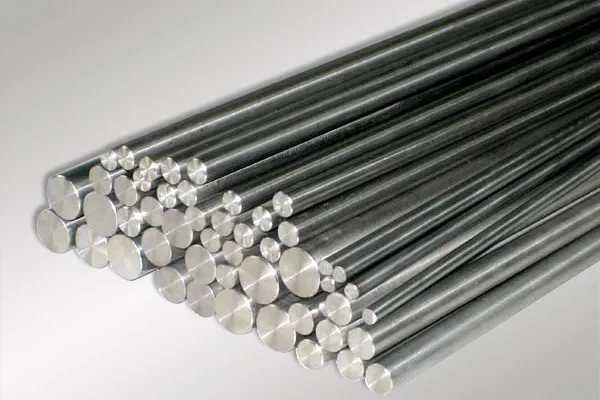
Base metallurgy matters. The supplier behind this piece runs Titanium & Nickel & Zirconium programs out of Rm. C-1301, Hyde Park Plaza, No. 66 Yuhua W. Road, Shijiazhuang, 050056 China. Nickel grades often selected: N02200/N02201; compatible alloy families in the ecosystem include N04400, N06600/N06601, N08800; and for sister lines you’ll see titanium Gr1–Gr5 and beyond, plus zirconium R60700/R60702/R60705. It’s a broad bench, which—surprisingly—helps when projects need hybrid stacks or mixed-material manifolds.
How a pure nickel fiber felt disc is made (process flow)
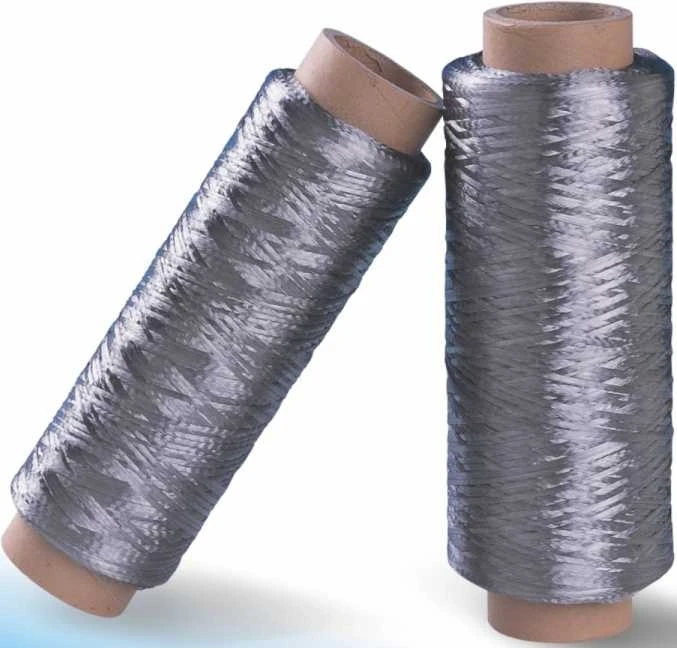
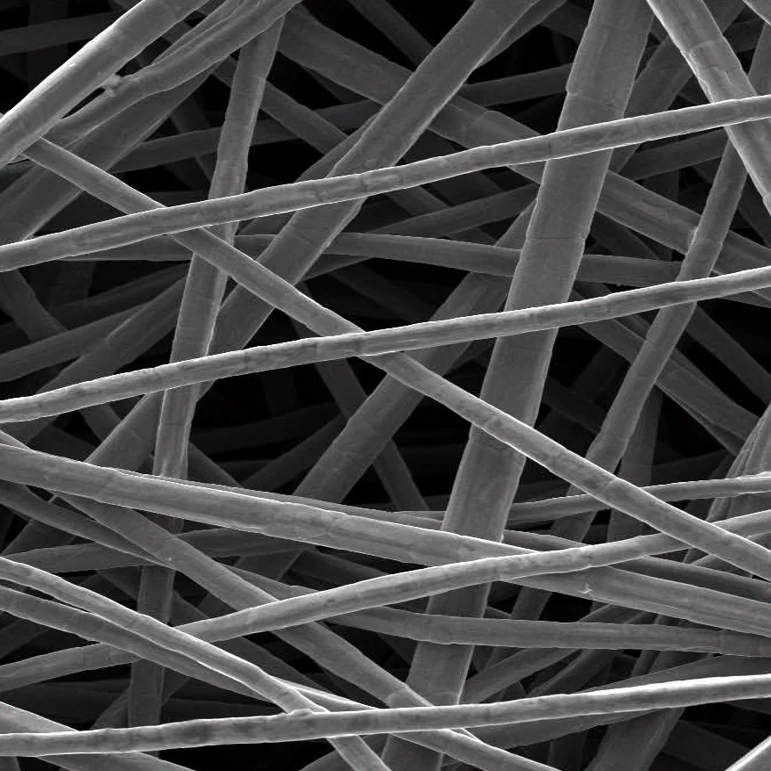
- Fiberization: high-purity nickel wire is bundle-drawn and chopped into fibers (around 8–25 µm).
- Web forming: random lay-up to target areal density and porosity.
- Sintering: hydrogen or vacuum sinter ≈ 800–1100°C for neck growth and strength; optional roll densification.
- Disc conversion: precision punching/laser, edge conditioning, stress-relief anneal.
- Cleaning & passivation: solvent/ultra‑sonic, dry hydrogen bake to minimize oxide load.
- QC: bubble-point and mean pore size (ASTM F316 / ISO 4003), thickness, compressibility, air permeability, corrosion screening (ASTM G31).
Why engineers pick pure nickel fiber felt disc
Corrosion resistance in caustic and chloride-bearing streams; stable conductivity for current collection; and a forgiving, compressible 3D pore network. Many customers say they get more even gas diffusion and fewer pressure spikes compared with woven meshes. Service life? In real-world use, ≈ 2,000–8,000 h in electrolyzer diffusers (duty and water quality swing this a lot), and much longer in mild filtration.
Typical specifications (indicative)
| Parameter | Spec (≈, real-world may vary) |
|---|---|
| Material | Nickel N02200/N02201 (≥99.5% Ni) |
| Fiber diameter | 8–25 µm |
| Thickness | 0.5–3.0 mm |
| Porosity | 65–85% |
| Pore size (F316/ISO 4003) | 5–40 µm |
| Air permeability | ≈ 200–1000 L/m²·s @ 200 Pa |
| Disc OD | 10–300 mm (custom) |
| Operating temp | up to 600°C (dry, non-oxidizing) |
| Standards baseline | ASTM B162 (material), ASTM F316/ISO 4003 (porosity tests) |
Applications and what we’re hearing from the field
- Hydrogen: PEM electrolyzer gas diffusion layers and water management pads; PEMFC current collectors.
- Chemicals: caustic filtration, chlor-alkali mist pads, catalyst supports.
- Batteries: conductive spacers and vent equalization in Li‑ion packs.
- Thermal: burner mufflers, high-temp damping where meshes collapse.
Feedback? “Less clogging” pops up a lot, and—actually—maintenance teams like how the discs survive back-flushing without unraveling.
Vendor landscape (quick comparison)
| Vendor Type | Strengths | Watch-outs |
|---|---|---|
| Local trader | Fast quotes, small MOQs | Traceability gaps; mixed batches |
| General sinter shop | Broad metals portfolio, decent pricing | Loose pore-size control at |
| Specialist (Shijiazhuang origin) | Tight F316 data, hydrogen-sinter know‑how, Ni/Ti/Zr stack integration | Lead time during surge demand |
Customization, QA, and test data
Customization usually hits three levers: porosity window (via fiber size and sinter profile), compressibility (roll densification), and geometry (OD/ID, chamfers). Typical in-house data points: bubble point 0.05–0.35 MPa depending on grade; ΔP at 1 m/s air ≈ 0.5–2.5 kPa per mm thickness; corrosion mass-loss per ASTM G31 in 5% NaCl at 25°C is low for N02201 versus stainless. Certifications asked by OEMs: ISO 9001 for QMS and material certs referencing ASTM B162/B164; some projects require RoHS and REACH statements.
Mini case notes
- PEM pilot (EU): swapped mesh for pure nickel fiber felt disc GDL; voltage drop trimmed ≈ 8–12 mV at same current density.
- Li‑ion pack builder (APAC): discs as equalization spacers; improved vent uniformity and easier QA sampling.
- Chlor-alkali retrofit (NA): nickel felt demister pads cut salt carryover; cleaning interval moved from weekly to monthly.
References
- ASTM F316 – Standard Test Methods for Pore Size Characteristics of Membrane Filters by Bubble Point and Mean Flow Pore Test. https://www.astm.org/f0316
- ISO 4003 – Metallic and other inorganic coatings — Determination of pore size by the bubble test. https://www.iso.org/standard/11777.html
- ASTM B162 – Nickel Plate, Sheet, and Strip (UNS N02200/N02201). https://www.astm.org/b0162
- ASTM G31 – Laboratory Immersion Corrosion Testing of Metals. https://www.astm.org/g0031
- ASTM B551 – Zirconium and Zirconium Alloy Sheet, Strip, and Plate; ASTM B265 – Titanium and Titanium Alloy Strip, Sheet, and Plate. https://www.astm.org
Post Time: Oct . 19, 2025 17:35