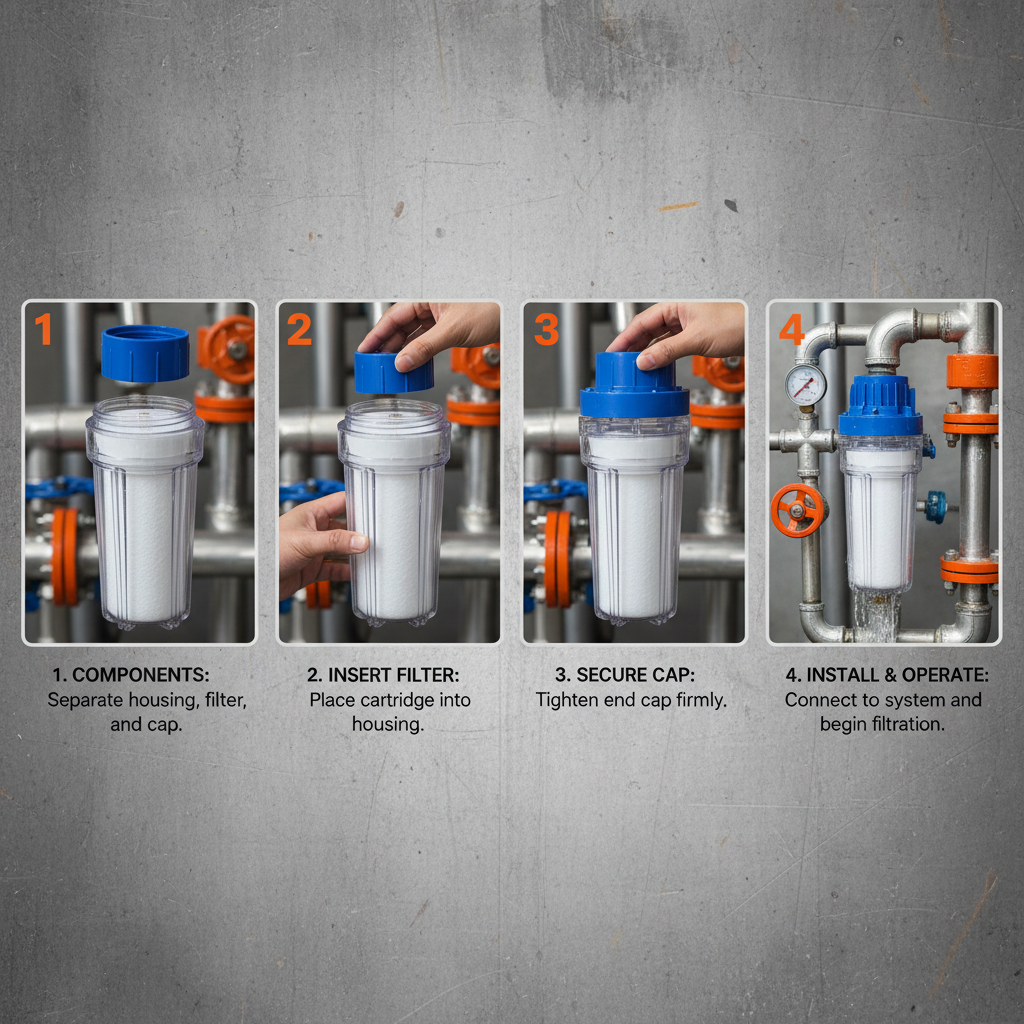
Porous Sintered Filter is a key solution in the industry, specifically within filtration and fluid handling sectors. This article explores how https://www.chinaporousfilters.com supports professionals with durable, high-performance products, and explains why this product is an ideal choice for businesses in these sectors.
Table of Contents
- Porous Sintered Filter Overview
- Benefits & Use Cases of Porous Sintered Filter
- Cost, Maintenance & User Experience
- Sustainability & Market Trends
Porous Sintered Filter Overview
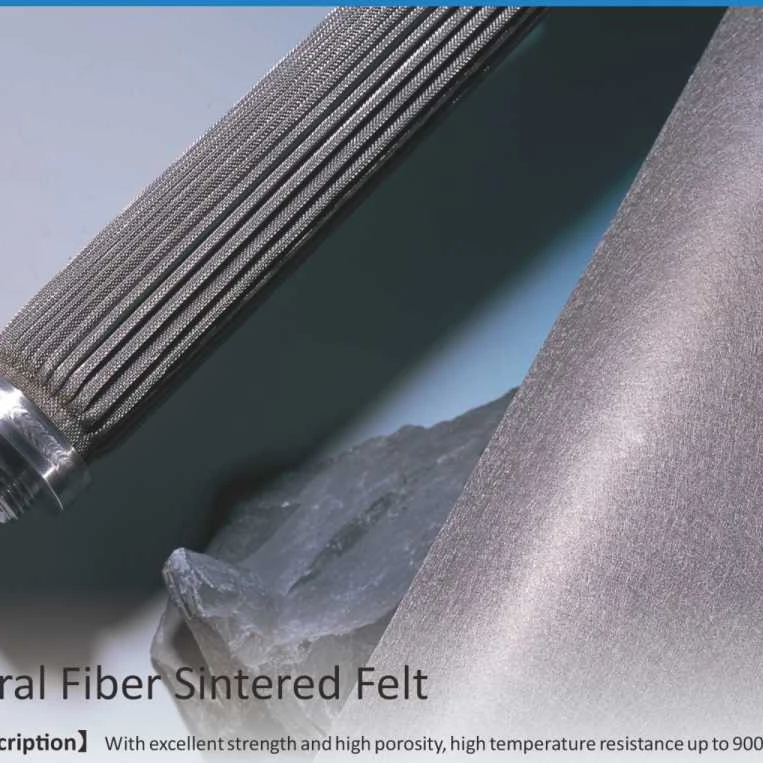
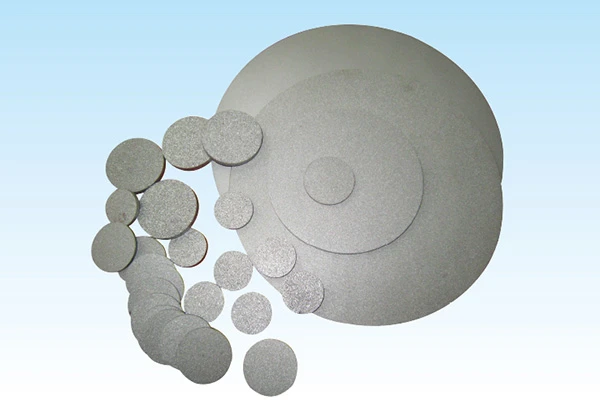
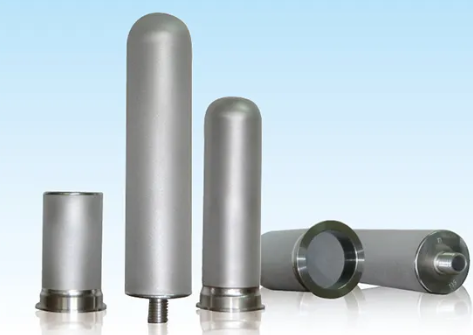
The porous sintered filter is, fundamentally, a filter made by compacting and sintering fine metal powders—often stainless steel—into a rigid structure with controlled porosity. It manages to balance strength with precise filtration capabilities, which is something I find quite innovative. You see, the micro-porous network lets fluids or gases pass through while trapping particulates, making it invaluable for clean and safe operations in industries like chemical processing, oil and gas, and even pharmaceuticals.
Technically, these filters are custom-tailored for pore size, material composition, and shape depending on operational needs. For instance, you might see pore sizes ranging from 0.5 microns up to 50 microns and materials that stand corrosion, high pressure, and extreme temperatures. One of the classic case studies is in hydraulic systems, where equipment longevity and fluid purity hinge heavily on efficient filtration—the porous sintered filter gives engineers peace of mind here.
| Specification | Details |
|---|---|
| Material | Stainless Steel 316L, Bronze, Iron |
| Pore Size | 0.5 - 50 microns |
| Porosity | 30% - 50% |
| Max Pressure | Up to 30 MPa |
| Temperature Range | -100°C to 600°C |
Benefits & Use Cases of Porous Sintered Filter
Honestly, what draws most decision makers to porous sintered filters is their unmatched durability combined with consistent filtration performance. Industries dealing with harsh fluids—like petrochemical refining or food & beverage processing—need filters that don’t just block contaminants but resist corrosion and thermal shock. This makes porous sintered filters from China Porous Filters particularly reliable, as they are manufactured to exacting standards with full traceability.
Especially in hydraulic and pneumatic systems, the fine control over pore sizes reduces clogging and extends service intervals. Plus, since these filters can be cleaned and reused, many companies enjoy a reduced total cost of ownership. Oddly enough, one of their competitive advantages is versatility: whether it’s air filtration, smoke filtration, or liquid purification, they adapt well, and custom shapes and sizes are readily available — which you know, is kind of a big deal in complex machinery setups.
Cost, Maintenance & User Experience
When considering the total cost of ownership, porous sintered filters often come out ahead. Their longevity—often measured in years rather than months—means fewer replacements and less downtime. Many engineers I've talked to emphasize that while the initial investment might be higher compared to fabric or paper filters, the ROI is substantial due to lower maintenance and improved system reliability.
User feedback from sectors like pharmaceuticals illustrates notable satisfaction with how easily these filters can be cleaned and inspected. The robust metal body won’t degrade or shed particles, so contamination risks decline significantly. Plus, many clients report that the consistent performance leads to better process control, which, frankly, means less guesswork and smoother compliance with regulatory standards.
Sustainability & Market Trends
There’s a growing focus on sustainability in filtration, and porous sintered filters fit well into this narrative. Their reusable nature helps companies minimize waste compared to disposable filter media. Moreover, tightening environmental regulations around process emissions and effluents are pushing businesses to adopt higher-grade filtration technology—and porous sintered filters fit that bill.
Looking at market trends, Asia-Pacific production hubs, especially China, are expanding their manufacturing capabilities with state-of-the-art sintering technologies. This means better product consistency and competitive pricing for global buyers. Industry forecasts suggest increasing demand, especially from sectors like automotive and microelectronics, where ultra-fine filtration is non-negotiable for quality assurance.
| Vendor | Material Options | Customization | Lead Time | Pricing |
|---|---|---|---|---|
| China Porous Filters | Stainless Steel, Bronze, Iron | High (Shapes & Sizes) | 2–4 weeks | Competitive |
| Vendor A (Western) | Mostly Stainless Steel | Moderate | 3–6 weeks | Premium |
| Vendor B (Local Asia) | Iron, Bronze | Low | 1–3 weeks | Budget |
Frequently Asked Questions about Porous Sintered Filter
- What is Porous Sintered Filter and how does it work?
- A porous sintered filter is created by heating powdered metal below its melting point until particles fuse. This creates a porous, solid structure that filters fluids or gases by physically blocking particles while allowing flow through the tiny channels formed by its pores.
- What are the main benefits of using Porous Sintered Filter in industrial applications?
- The key benefits include high durability, resistance to corrosion and temperature, precise pore size control, ease of cleaning, and a longer lifecycle compared to disposable filters, resulting in cost savings and improved reliability.
- How does Porous Sintered Filter compare to traditional alternatives?
- Compared to traditional fabric or paper filters, sintered filters last longer, tolerate harsh chemicals and high temperatures, and are often reusable, making them more environmentally friendly and economically beneficial over time.
- What industries can benefit most from Porous Sintered Filter implementation?
- Industries such as chemical processing, pharmaceuticals, food and beverage, petrochemicals, automotive, and electronics manufacturing benefit greatly, leveraging the filters for precise and reliable fluid and air filtration.
Conclusion on Porous Sintered Filter from China
In sum, the porous sintered filter stands out as a smart investment for industries craving high quality, reliability, and cost efficiency in filtration solutions. China Porous Filters brings to the table a blend of advanced manufacturing, rigorous quality control, and custom solutions that fit demanding industrial needs. For any B2B decision maker weighing options, it’s worth a closer look.
- Recap the value of Porous Sintered Filter.
- - Visit our website: https://www.chinaporousfilters.com
Overall, the balance of performance, durability, and sustainability makes porous sintered filters a reliable backbone in industry filtration systems today.
References:
1. “Industrial Filtration Technology Guide,” Filtration News, 2023.
2. “Sintered Metal Filters: Applications & Benefits,” Materials Today, 2022.
3. China Porous Filters Product Documentation, 2024.
Post Time: Dec . 31, 2025 01:50