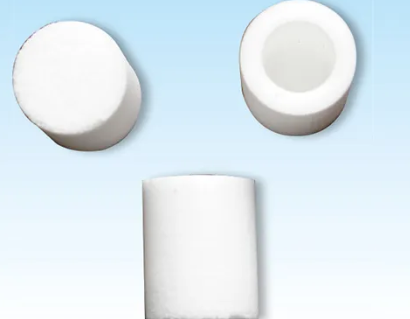
The Ultimate Guide to Choosing the Right Plastic Filter for Industrial Use
In the modern industrial landscape, maintaining the purity of fluids and gases is critical for operational efficiency and product quality. A high-quality plastic filter serves as the first line of defense against contaminants, ensuring that machinery runs smoothly and outputs meet stringent standards. From chemical processing to water treatment, the versatility of polymer-based filtration allows for precision and durability. In this guide, we will explore the technical nuances, material advantages, and selection criteria to help you optimize your filtration system for maximum performance.
Why Choose a Plastic Filter Over Metal Alternatives?
When deciding between materials, the plastic filter often outperforms metal in environments where corrosion is a primary concern. Plastics such as Polypropylene (PP), PTFE, and PVDF offer exceptional chemical resistance, meaning they won't rust or degrade when exposed to aggressive acids or bases. Additionally, polymer filters are typically lighter and more cost-effective to manufacture in complex shapes. This flexibility allows for customized pore structures that can target specific particle sizes with extreme accuracy. For many跨境贸易 (cross-border trade) partners, the reduced shipping weight and high durability of plastic components make them the preferred choice for global supply chains.
Pro Tip: If your application involves high-temperature steam or extreme pressure, always verify the thermal deformation point of the specific plastic polymer to avoid filter collapse.
Comparing Common Materials for your Plastic Filter
Not all plastics are created equal. Depending on the viscosity of the fluid and the chemical composition of the filtrate, you must choose a material that balances flow rate with filtration efficiency. For instance, PTFE is renowned for its hydrophobic properties and extreme chemical inertness, whereas Polypropylene is the gold standard for general-purpose water and oil filtration due to its balance of cost and performance. By utilizing a professional plastic filter solution, industries can significantly reduce downtime caused by filter clogging or material failure.
Applications of the Plastic Filter in Diverse Industries
The adaptability of a plastic filter allows it to be integrated into a vast array of systems. In the food and beverage industry, these filters remove particulates from syrups and oils without leaching metallic contaminants. In the pharmaceutical sector, sterile-grade plastic filters ensure that injectable drugs are free of microbial presence. Moreover, the automotive industry utilizes polymer filtration for fuel and air intake systems to protect sensitive engine components. The key to success lies in matching the pore size and material grade to the specific requirements of the fluid being processed.
Optimizing Plastic Filter Performance and Maintenance
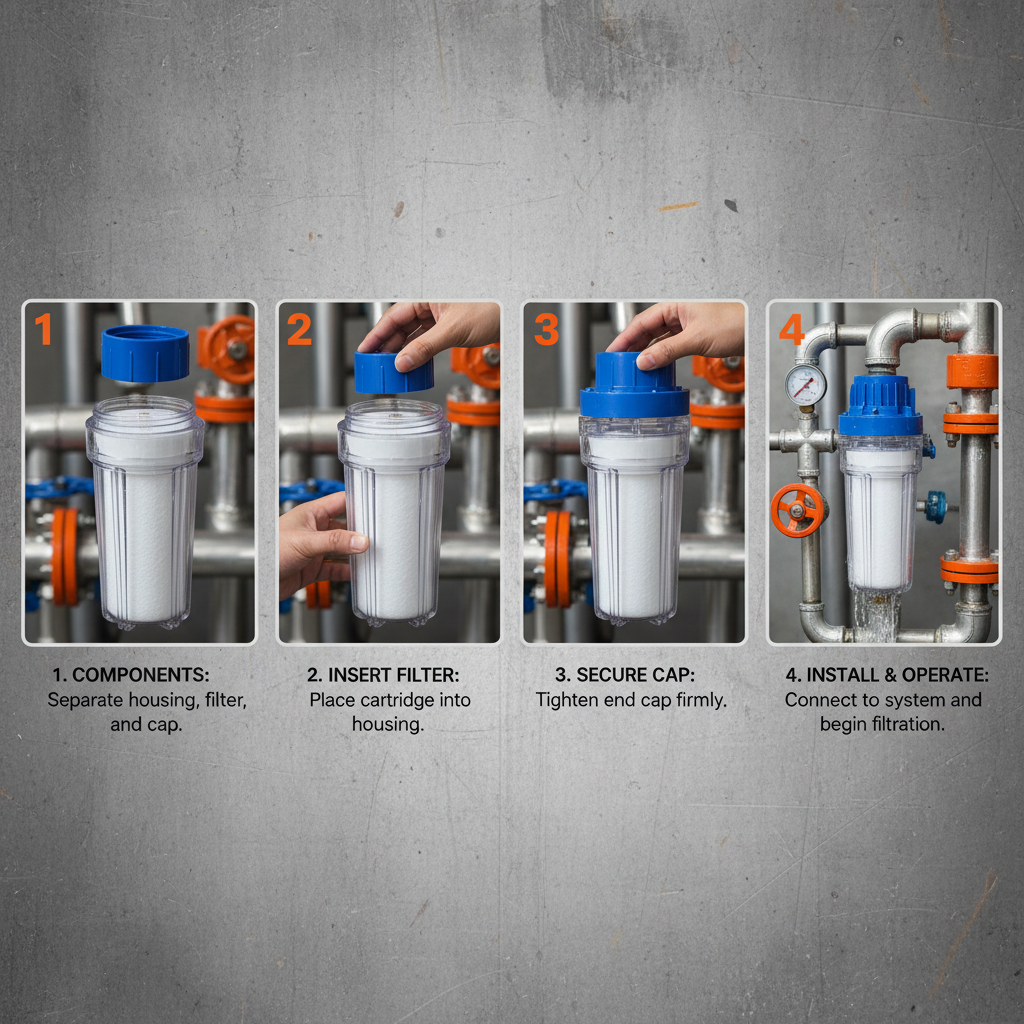
To maximize the lifespan of your plastic filter, a structured maintenance schedule is essential. Monitoring the pressure differential ($\Delta P$) across the filter is the most effective way to determine when a filter is clogged. When the pressure drop exceeds a predefined threshold, it indicates that the filter medium is saturated. Many modern systems now incorporate automatic backwashing or flushing cycles to extend the service interval, reducing waste and lowering operational costs. Proper installation, ensuring no bypass leaks, is equally critical to maintaining product purity.
Technical Specifications for High-Precision Plastic Filters
Understanding the technical data sheet is vital for engineers when specifying a filter. Parameters such as bubble point, permeability, and compression strength dictate how the filter will behave under real-world loads. High-precision filters often feature a sintered structure, which provides a more rigid framework than melt-blown options, allowing for higher pressure tolerances. Below is a representative specification table for our industrial-grade porous plastic series:
Sustainability and the Future of Filtration
As global regulations on waste increase, the shift toward sustainable filtration is accelerating. Modern plastic filter designs are focusing on "circularity"—creating filter elements that can be cleaned and reused multiple times rather than being disposed of after a single cycle. Furthermore, the development of bio-based polymers is reducing the carbon footprint associated with the production of filtration media. By investing in high-efficiency, long-life filters, companies can reduce their environmental impact while maintaining peak operational efficiency.
Conclusion: Elevating Your Process with Quality Filtration
Selecting the right plastic filter is more than just a purchasing decision; it is a strategic move to protect your equipment and ensure the purity of your final product. Whether you prioritize chemical resistance, precision pore size, or cost-efficiency, polymer filters offer a versatile and reliable solution. By understanding your material needs and maintaining your systems diligently, you can achieve an optimal balance of flow and filtration. Trust in professional engineering to keep your industrial processes clean and efficient.
Frequently Asked Questions (FAQs)
How do I determine the correct pore size for my plastic filter?
Determining the correct pore size requires an analysis of the particles you intend to remove. A general rule of thumb is to choose a pore size that is approximately 1/3 to 1/10 the size of the largest particle you want to capture. If the goal is absolute filtration (removing 99.9% of particles), a smaller, more precise pore size is necessary. However, keep in mind that smaller pores increase the pressure drop across the filter, which may require a more powerful pump. We recommend conducting a sample test with your specific fluid to find the ideal balance between filtration efficiency and flow rate.
Can plastic filters be cleaned and reused?
Yes, many industrial plastic filters, especially those made from sintered polymers or PTFE, are designed for reuse. Cleaning methods include back-flushing (reversing the flow of the fluid), ultrasonic cleaning, or chemical soaking to dissolve trapped contaminants. However, the ability to reuse a filter depends on the nature of the debris; "sticky" or deformable particles may permanently embed themselves in the matrix, making cleaning ineffective. Always check the manufacturer's guidelines to ensure that the cleaning agent used does not degrade the plastic material of the filter.
What is the difference between nominal and absolute ratings in plastic filters?
A "nominal" rating indicates that the filter can remove a large percentage (typically 60-90%) of particles of a certain size, but some will still pass through. It is generally used for pre-filtration to protect downstream equipment. An "absolute" rating means the filter is guaranteed to capture virtually all particles (usually 99.9% or higher) of the rated size. Absolute filters are critical for high-purity applications, such as pharmaceutical production or electronics manufacturing. For more detailed specifications, visit our official website.
How does temperature affect the performance of a plastic filter?
Temperature significantly impacts the structural integrity and the filtration characteristics of polymers. As temperature increases, most plastics soften, which can lead to "pore expansion" or, in extreme cases, the complete collapse of the filter structure under pressure. For example, Polypropylene is excellent up to 120°C, but beyond that, it loses its mechanical strength. PTFE, however, can withstand temperatures up to 260°C. It is essential to match the material's thermal limits with your process temperature to avoid contamination caused by filter failure or deformed pore geometries.
Post Time: Apr . 16, 2026 02:45