Porous Metal Sintered Disc Filter: A Practical Overview
Having spent over a decade in the industrial equipment sector, I’ve seen a lot of filtration solutions come and go. But one category that consistently stands out is the porous metal sintered disc filter. It’s a fascinating piece of tech that’s deceptively simple yet incredibly effective, especially when you’re dealing with harsh environments or demanding processes.
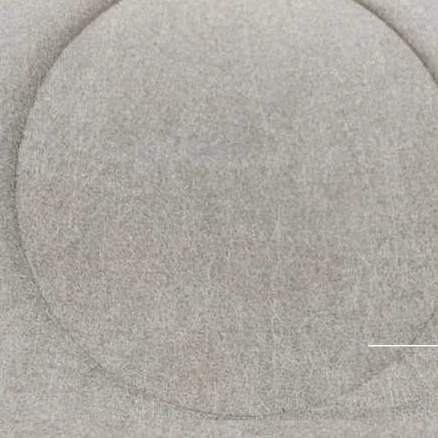
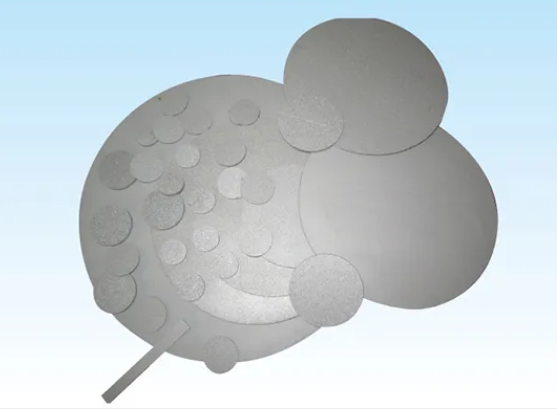
If you haven’t had a chance to work closely with sintered metal filters, here’s the gist: these filters are made by fusing together fine metal powders under heat and pressure, creating a rigid, porous structure. The result? A filter element that’s both mechanically strong and chemically resistant — qualities that plastic or fabric filters just can’t match.
In real terms, this means you get a filter that holds up to high temperatures, aggressive chemicals, and constant backflushing without deteriorating. I once recommended a sintered stainless steel disc to a client running a chemical plant where the fluid temperature often spiked well past 400°F. Conventional filters didn’t last a day. This one? Still going strong after 18 months of near-continuous use.
The design often involves multi-layered sintered discs for graded filtration ratings, which helps trap particles of varying sizes. It’s like having a gauntlet for contaminants, successively filtering larger particles first before catching the smaller, more insidious ones. Engineers often find this layering approach ideal because it prolongs service life and reduces pressure drop.
| Parameter | Details |
|---|---|
| Material | Stainless Steel 304 / 316L, Inconel, or Hastelloy |
| Porosity Range | 5 - 60 microns |
| Operating Temperature | Up to 650°C (1200°F) |
| Max Operating Pressure | 150 bar (2175 psi) |
| Typical Dimensions | Diameter: 25-150 mm, Thickness: 2-15 mm |
| Customization | Available for shapes, grades, sintering layers |
One thing I noticed over the years is that not all vendors handle these filters equally well. It’s tempting to just pick the cheapest option, but frankly, when you’re dealing with critical process filters, longevity and quality count. A few suppliers cut corners on powder purity or sintering control, which leads to inconsistent pore sizes or mechanical weakness. Not ideal if you want reliability.
| Aspect | China Porous Filters | Vendor B | Vendor C |
|---|---|---|---|
| Material Quality | High purity SS 316L/Inconel | Standard SS304 | Mixed batches, inconsistent |
| Porosity Consistency | ±2 microns tolerance | ±5 microns tolerance | ±10 microns tolerance |
| Customization Options | Wide: shapes, layers, sizes | Limited | Minimal |
| Lead Time | 2-3 weeks | 4-6 weeks | Variable |
| Pricing | Competitive | Mid-range | Low but compromises on quality |
Oddly enough, clients who opt for China Porous Filters often comment on how the precise porosity tuning and robust construction save them headaches later — less downtime, fewer replacements. I suppose that kind of value is what engineers really want, even if it doesn’t grab headlines.
In terms of testing, reputable vendors typically perform bubble point tests and air flow rate measurements, ensuring the filters match their specified pore ratings. This step might sound trivial but is crucial — I can’t tell you how many times a poorly tested filter caused a plant shutdown due to unexpected contaminant bypass.
All in all, if you need something that’s durable, cleanable, and reliable in tough industrial settings (think petrochemical, pharmaceuticals, food & beverage), these sintered disc filters are hard to beat. You get a blend of mechanical resilience and filtration precision that’s frankly hard to find elsewhere.
So next time you’re evaluating filtration options, maybe give porous metal sintered disc filters a closer look. Often it’s the quiet, unassuming components like these that hold the entire process together.
— From the trenches, with respect for the small details that keep big industries running.
References
- Metal Filtration Technology Association, “Sintered Metal Filters Fundamentals,” 2023.
- Industry Insider Reports, “Comparative Analysis of Porous Metal Filter Vendors,” 2022.
- Process Engineering Journal, “High-temperature Filtration Solutions,” Vol 19, 2021.
Post Time: Jan . 02, 2026 10:10