Understanding Dust Filters: A Comprehensive Guide
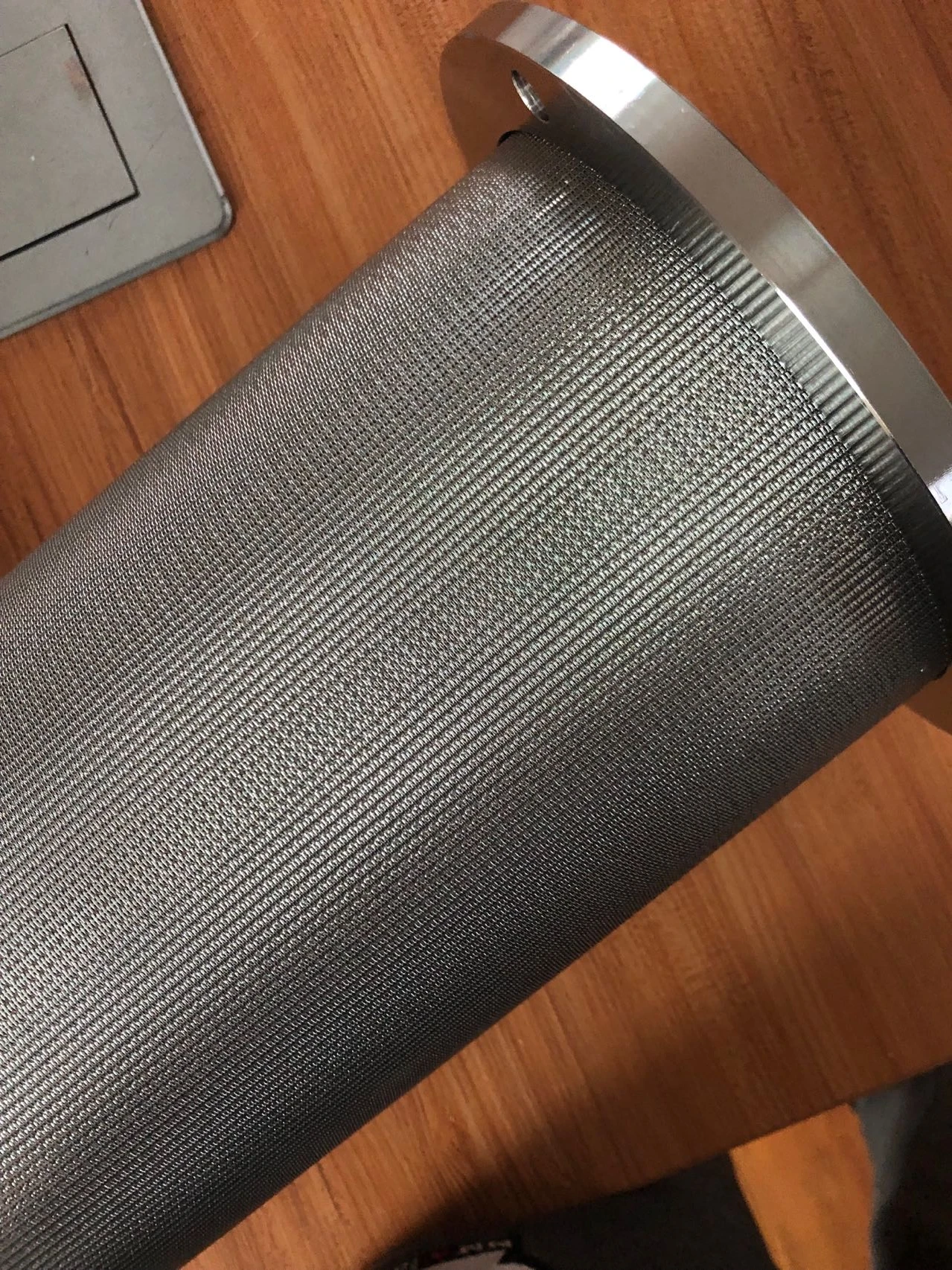
Dust filters are essential components in a wide array of industrial and commercial applications, safeguarding equipment, improving air quality, and protecting human health. From HVAC systems to manufacturing processes, effective dust filtration is paramount. This article delves into the world of dust filters, exploring their types, applications, and key considerations for selection. Ensuring optimal dust filtration can lead to increased efficiency, reduced maintenance costs, and a safer working environment. China Porous Filters specializes in providing high-quality dust filter solutions tailored to diverse industrial needs.
Types of Dust Filters
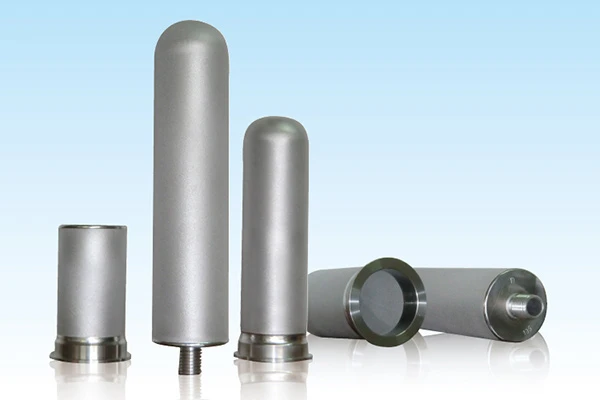
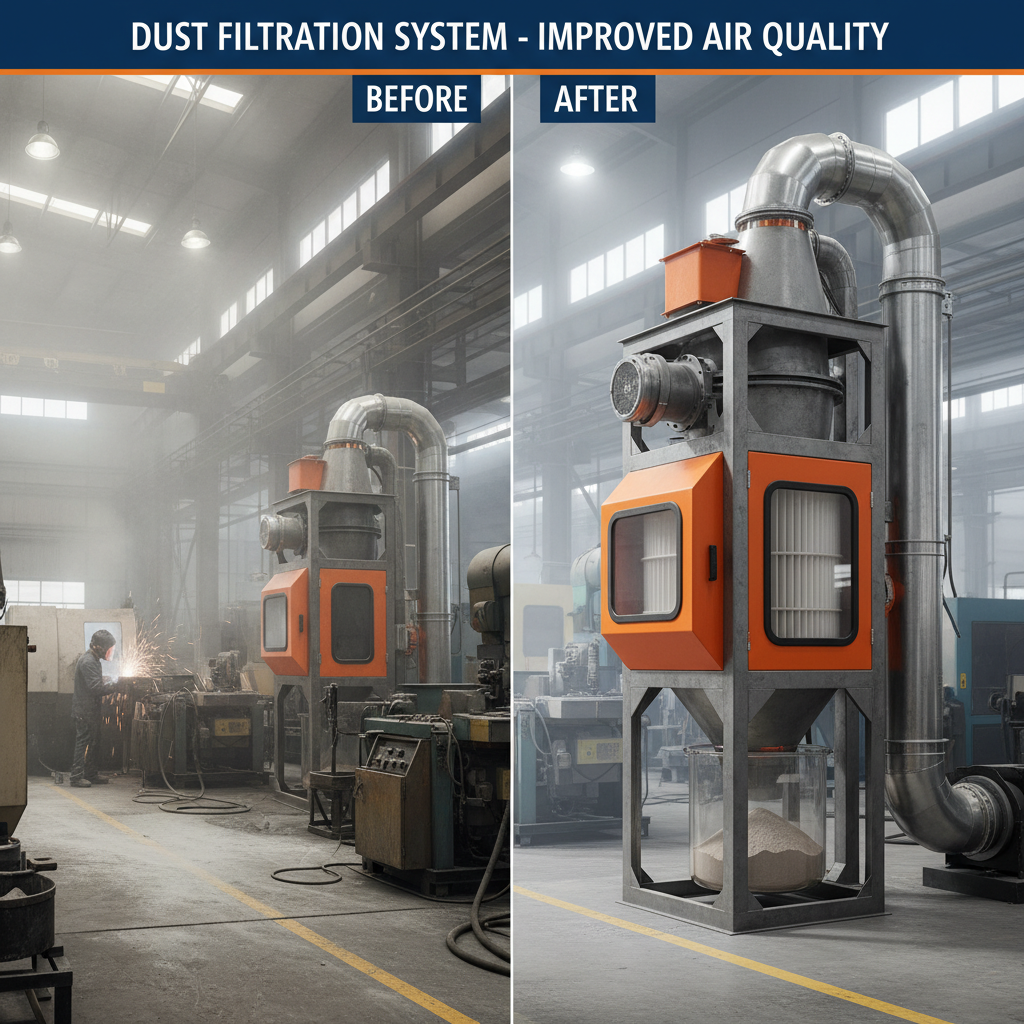
The market offers a diverse range of dust filters, each designed for specific applications and levels of filtration efficiency. Common types include: pleated filters, bag filters, cartridge filters, and HEPA filters. Pleated filters are cost-effective and widely used for general dust removal. Bag filters offer larger surface areas for extended filter life, ideal for high-dust environments. Cartridge filters provide precise filtration and are often used in enclosed systems. HEPA (High-Efficiency Particulate Air) filters are the gold standard for removing microscopic particles, crucial in pharmaceutical, healthcare, and cleanroom environments. Selecting the right filter type hinges on factors such as particle size, dust concentration, airflow rate, and desired filtration efficiency. China Porous Filters offers a comprehensive portfolio of dust filter types to meet diverse industrial requirements.
Key Highlights: Understanding the different types of dust filters allows you to select the most effective and cost-efficient solution for your specific needs.
Applications of Dust Filters
Dust filters find applications across a vast spectrum of industries. In HVAC systems, they protect sensitive equipment and improve indoor air quality. Manufacturing facilities use them to remove airborne particles generated during processes like grinding, welding, and cutting. The food and beverage industry relies on dust filters to maintain hygienic production environments. Pharmaceutical companies employ HEPA filters to ensure product purity. Power plants utilize them to protect turbines and prevent emissions. Furthermore, dust filters are crucial in woodworking, mining, and chemical processing. Their versatility makes them indispensable in protecting equipment, ensuring worker safety, and maintaining environmental compliance.
Diverse Applications:
• HVAC Systems
• Manufacturing Facilities
• Food and Beverage Industry
• Pharmaceutical Companies
Dust Filter Efficiency Ratings: A Comparative Look
Dust filter efficiency is typically measured using the MERV (Minimum Efficiency Reporting Value) rating. The higher the MERV rating, the more efficient the filter is at capturing smaller particles. Filters range from MERV 1 to MERV 20. MERV 1-4 filters capture pollen and dust mites, suitable for basic residential applications. MERV 8-12 filters capture mold spores and fine dust, commonly used in commercial buildings. MERV 13-16 filters capture bacteria and virus carriers, ideal for healthcare facilities and cleanrooms. MERV 17-20 filters capture microscopic particles, employed in critical environments like pharmaceutical manufacturing. Understanding MERV ratings is crucial for selecting the appropriate filter for your specific needs.
Factors to Consider When Choosing Dust Filters
Selecting the right dust filter requires careful consideration of several factors. Airflow rate is critical – the filter must accommodate the volume of air being processed. Particle size distribution determines the required filtration efficiency. Dust loading (the amount of dust present) impacts filter life and replacement frequency. Environmental conditions, such as temperature and humidity, can affect filter performance. Cost is also a factor, but it's important to balance initial cost with long-term performance and maintenance expenses. China Porous Filters provides expert guidance to help you select the optimal dust filter for your specific application.
Maintaining Dust Filter Performance and Longevity
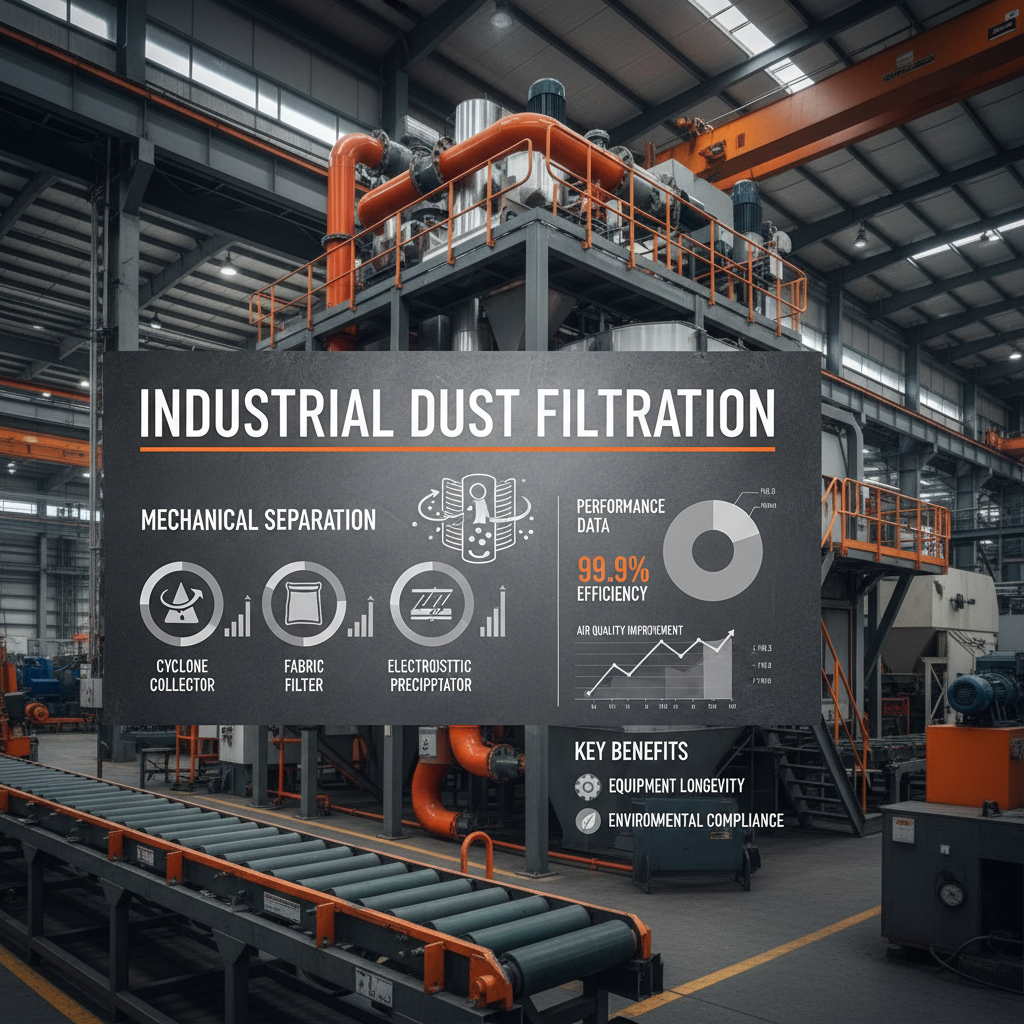
Regular maintenance is essential to ensure optimal dust filter performance and extend its lifespan. Monitor pressure drop across the filter – a significant increase indicates clogging and the need for replacement. Inspect filters regularly for damage, such as tears or punctures. Clean or replace filters according to the manufacturer's recommendations. Proper installation is also crucial to prevent bypass and ensure effective filtration. A well-maintained dust filtration system not only protects equipment and improves air quality but also reduces energy consumption and operating costs.
Conclusion: Investing in Effective Dust Filtration
Effective dust filtration is an investment in equipment longevity, worker safety, and environmental responsibility. By carefully considering the factors discussed in this article and selecting high-quality dust filters from a trusted supplier like China Porous Filters, you can ensure optimal performance and long-term cost savings.
Frequently Asked Questions (FAQs)
What is the difference between absolute and nominal filter ratings?
Absolute filter ratings indicate the percentage of particles of a specific size that a filter will remove in a single pass. For example, a filter with a 99% absolute rating will remove 99% of all particles of that size. Nominal filter ratings, on the other hand, provide an estimate of the filter’s ability to remove particles. It doesn’t guarantee a specific percentage of removal. Generally, absolute ratings are more reliable and provide a more accurate assessment of filter performance. They are particularly important in applications where high levels of filtration are critical, such as in pharmaceutical or semiconductor manufacturing.
How often should I replace my dust filters?
The frequency of dust filter replacement depends on several factors, including the dust loading, the type of filter, and the operating environment. Regularly monitoring the pressure drop across the filter is the best indicator of when to replace it. As the filter becomes clogged, the pressure drop will increase. Most manufacturers recommend replacing filters when the pressure drop reaches a certain level. Typically, this ranges from 1 to 2 inches of water gauge. Visual inspection for damage or excessive dust buildup is also important. It's generally advisable to replace filters on a scheduled basis, even if the pressure drop hasn't reached the recommended level.
Are all dust filters compatible with all HVAC systems?
No, not all dust filters are compatible with all HVAC systems. It's crucial to select filters that are the correct size and have the appropriate MERV rating for your specific system. Using a filter with too high of a MERV rating can restrict airflow and put strain on the HVAC system, while a filter with too low of a rating won't provide adequate filtration. Always check your HVAC system's manufacturer's recommendations for compatible filter types and sizes. Using the wrong filter can lead to reduced efficiency, increased energy consumption, and even damage to the system.
What are the benefits of using HEPA filters?
HEPA (High-Efficiency Particulate Air) filters are renowned for their exceptional ability to capture microscopic particles, including dust, pollen, mold spores, bacteria, and viruses. They are at least 99.97% efficient at removing particles 0.3 microns in diameter. This makes them ideal for environments where air quality is paramount, such as hospitals, cleanrooms, pharmaceutical manufacturing facilities, and homes with allergy sufferers. Using HEPA filters can significantly improve indoor air quality, reduce the risk of respiratory problems, and protect sensitive equipment. They also help prevent the spread of airborne infections.
Post Time: Mar . 26, 2026 02:45