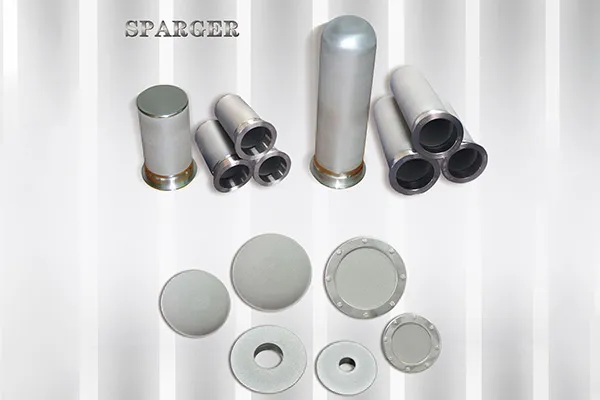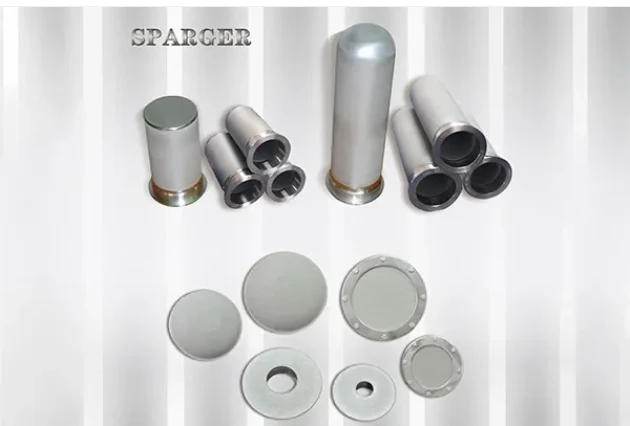
PE filters vs PTFE Porous Filters: what’s really happening on the factory floor
I get asked all the time whether pe filters still make sense when PTFE porous media keeps stealing the spotlight. Short answer: it depends on the chemistry, temperature, and what downtime costs you. In fact, many customers say they came for price, but stayed for stability at 200°C and the way PTFE shrugs off nasty solvents.
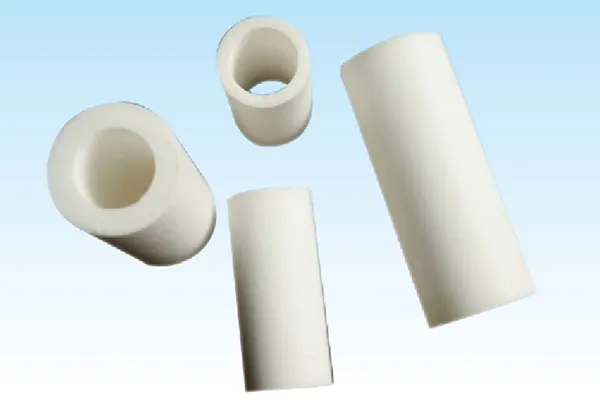
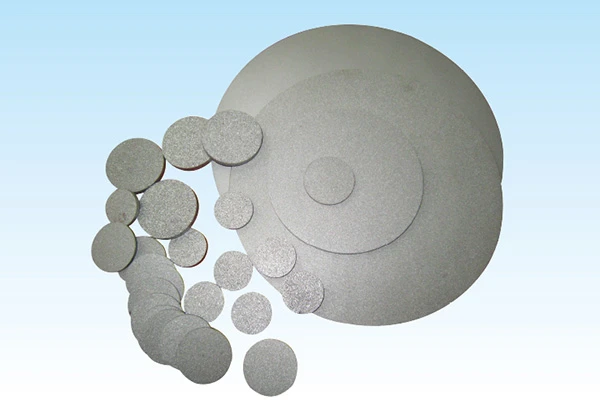
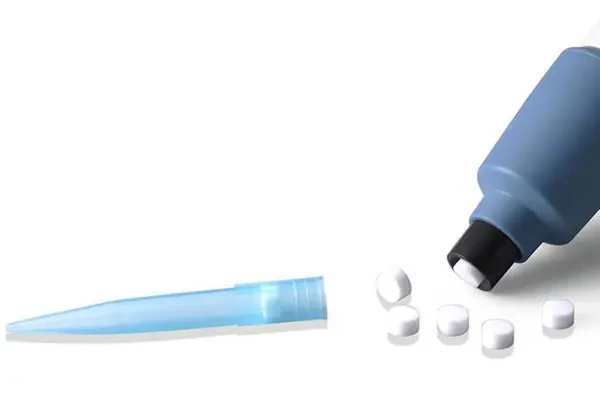
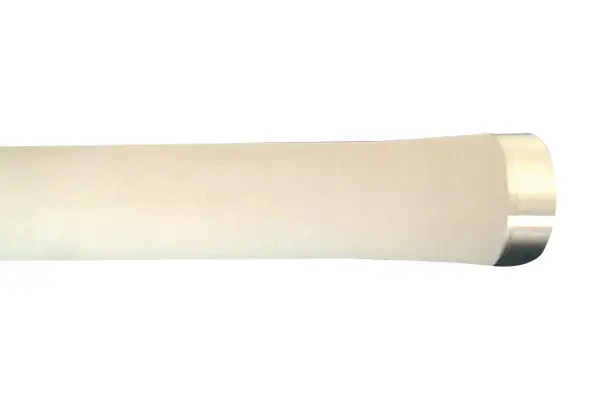
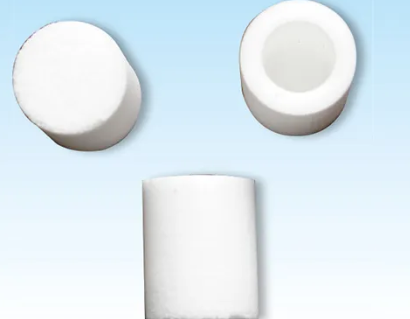
Product snapshot: PTFE Porous Filters
Origin: Rm. C-1301, Hyde Park Plaza, No. 66 Yuhua W. Road, Shijiazhuang, 050056 China. I visited last season—tidy plant, sensible QC. Specs below are what most process engineers care about.
| Parameter | PTFE Porous Filters (typical) |
|---|---|
| Filter grade | 1–50 μm |
| Porosity | 30–60% |
| Max working temp | 200°C |
| Compressive strength | ≤6.5 MPa |
| Pressure drop | ≤1 MPa (system-dependent) |
| Chemical resistance | Acid, alkali, solvents; high temp |
How they’re made (quick process flow)
- Materials: Virgin PTFE powder (controlled particle size), optional functional fillers.
- Methods: Cold isostatic pressing or compression molding → controlled sintering → machining to final OD/ID → optional hydrophobic treatment (PTFE is naturally hydrophobic, but finishes matter).
- Testing: Pore size via ASTM F316 (bubble point, mean flow pore); porosity by gravimetric methods; airflow/DP curves; chemical soak per ISO 1817-like protocols; MOC traceability.
- Service life: ≈12–36 months in solvents; up to 3–5 years in neutral gas venting. Real-world use may vary.
- Certifications (on request): FDA 21 CFR 177.1550 (PTFE), USP Class VI/ISO 10993 for biocompatibility, EU 10/2011 food contact, RoHS/REACH.
Where they shine
Chemical venting, semiconductor wet benches, battery pack vents, bioreactor gas sparging, high-purity solvent filtration, and—surprisingly—coffee degassing where steam spikes wreck pe filters. Customers report fewer changeouts after switching to PTFE in alkaline lines.
Real test notes
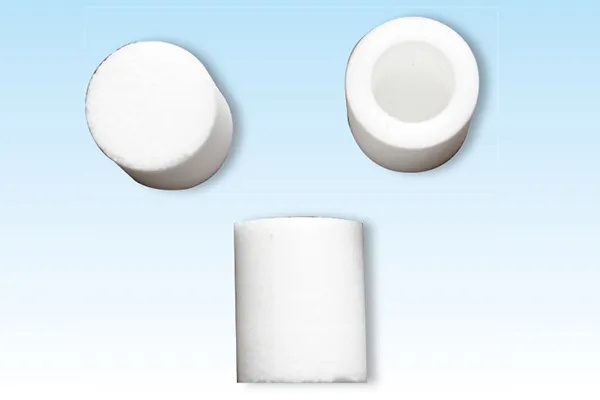
Example 10 μm grade disc, Ø25×3 mm: air flow ≈28–35 L/min @ 1 kPa; initial bubble point ≈1.2–1.6 bar (ASTM F316 rig). After 72 h in 10% NaOH at 60°C, Δflow
Vendor comparison (honest, high-level)
| Vendor | Media | Customization | Lead time | Certs |
|---|---|---|---|---|
| China Porous Filters | PTFE (1–50 μm) | High: OD/ID, pore, shapes | 2–4 weeks | FDA, USP VI, RoHS/REACH |
| EU Supplier A | PTFE/PVDF | Medium | 4–6 weeks | EU 10/2011, ISO 9001 |
| US Supplier B | PE/PTFE | High | 3–5 weeks | USP VI, FDA |
Customization tips
Share your solvent list, temperature spikes, and target dP at design flow. Ask for ASTM F316 data plus chemical soak results. If you’re replacing pe filters, request a pore-size equivalency study; PTFE’s tortuosity can deliver tighter cut at the same nominal μm.
Quick case notes
- Beverage CO₂ sparging: switched from PE to PTFE 10 μm; 42% longer service life, fewer microbial alarms.
- Battery pack venting: PTFE 20 μm maintained airflow after electrolyte mist exposure; PE clogged in 10 days.
Industry trend? Higher temps and harsher blends in EV, pharma, and semicon are nudging plants from legacy pe filters to PTFE. Not hype—just fewer line stops.
Authoritative citations
- ASTM F316 – Standard Test Methods for Pore Size Characteristics of Membrane Filters.
- FDA 21 CFR 177.1550 – Perfluorocarbon resins (PTFE) for food contact.
- USP Class VI / ISO 10993 – Biological evaluation of medical materials.
- EU Regulation 10/2011 – Plastic materials intended to come into contact with food.
Post Time: Oct . 11, 2025 15:55