Understanding Membrane Filters: The Backbone of Modern Filtration
Membrane filters might sound like niche technical jargon, but their impact is frankly enormous—stretching from everyday water purification to cutting-edge pharmaceutical manufacturing. In a world that's both thirsting for clean water and demanding higher product purity, membrane filters quietly solve some of the toughest challenges. Understanding their function, applications, and evolving technologies gives us a glimpse of how industries and humanitarian efforts alike depend on them. Let’s explore the essentials, from what they are to where they’re headed.
Membrane Filter: Why It Matters Globally
In 2020, over 2 billion people worldwide lacked access to safely managed drinking water (WHO, 2023). Global population growth and industrialization only tighten the pressure on water and resource purification systems.
Membrane filtration tech is a key part of the solution. By physically separating contaminants on a microscopic scale, membrane filters help provide potable water, treat industrial effluents, and even enable critical medical sterilization. Their importance spans continents and industries, directly impacting public health, environmental sustainability, and industrial efficiency all at once.
What is a Membrane Filter?
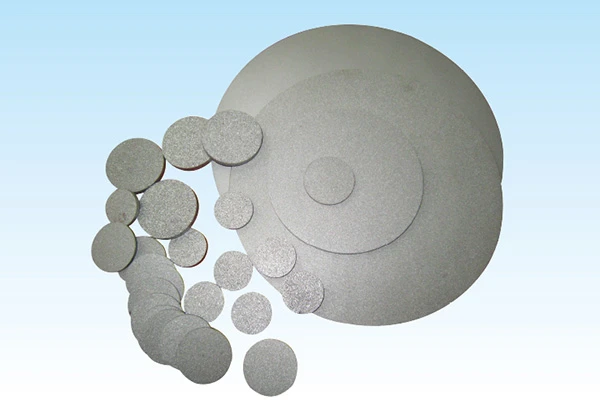
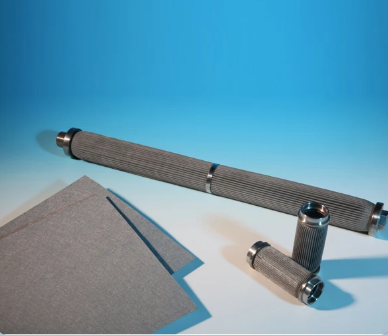
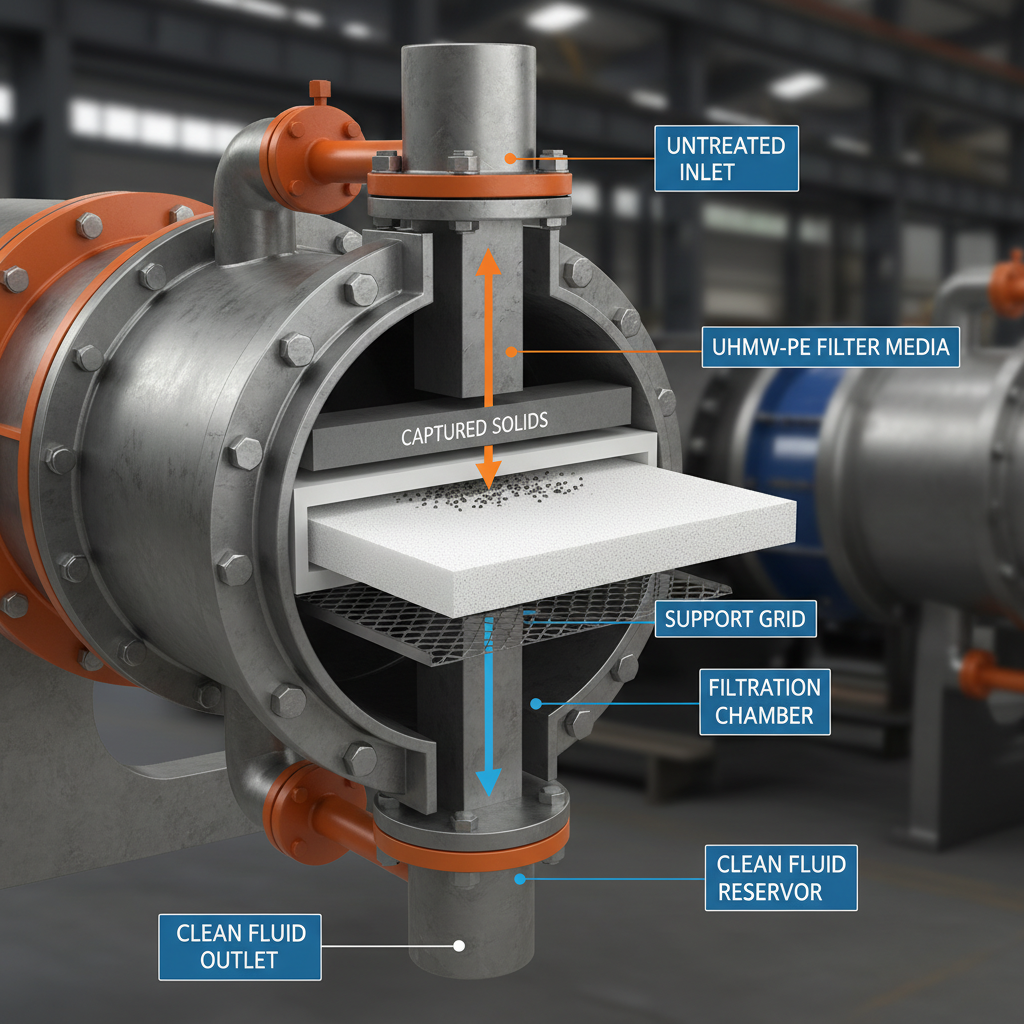
At its core, a membrane filter is a thin, semi-permeable layer—imagine a very fine mesh—that allows some particles to pass through while blocking others based on size or chemical properties. They come in various materials and configurations, like microfiltration, ultrafiltration, nanofiltration, and reverse osmosis membranes, each tailored to specific filtration needs.
These filters translate into industrial workhorses in food and beverage purification, wastewater treatment centers, and pharmaceutical cleanrooms—pretty much anywhere that demands precise filtration without chemical additives.
Key Components of Membrane Filters
1. Permeability & Selectivity
The heart of membrane performance lies in how selectively it allows substances through — from water molecules to dissolved salts or microbes. Higher selectivity means more effective filtration but often lower flow rates. It’s a balance that engineers tweak depending on application.
2. Durability & Chemical Resistance
Because membranes face harsh industrial fluids or cleaning chemicals, they must resist degradation. Material choice matters—polysulfone, polyethersulfone, and ceramic membranes each offer trade-offs in lifespan and chemical stability.
3. Scalability & Maintenance
Membrane filters must scale easily—from small lab devices to sprawling plants. Plus, cleaning and replacement protocols affect operational costs. Advances like backflushing and chemical cleaning extend membrane life and reduce downtime.
4. Cost Efficiency
Initial purchase price, energy consumption, and longevity collectively impact the total cost of ownership. Manufacturers constantly strive to optimize membranes that don’t break the bank but offer reliable performance.
5. Environmental Impact
Using less chemical additives and enabling water reuse helps membrane filters support sustainability goals remarkably well. The shift towards greener membrane materials is underway.
In short: Membrane filters balance selectivity, durability, scalability, cost, and sustainability—making them ideal for numerous filtration challenges.
Membrane Filter Product Specifications
| Specification | Typical Range/Type | Notes |
|---|---|---|
| Membrane Material | Polysulfone, Ceramic, PVDF | Depends on chemical resistance & durability |
| Pore Size | 0.1 – 10 microns (varies by type) | Smaller pores filter viruses, larger pores for sediment |
| Operating Pressure | 50 – 600 psi | Higher pressure for reverse osmosis membranes |
| Flow Rate | 10 – 1000 L/m²/h | Varies by membrane type and application |
| Lifespan | 2 – 5 years typical | Dependent on feed water, maintenance |
Global Applications and Use Cases
- Water Treatment in Developing Regions: In parts of Africa and South Asia, membrane filters enable clean drinking water from contaminated sources, often distributed via NGOs working on the ground.
- Pharmaceutical & Biotech Industries: Sterilizing air and liquids without chemical residues is vital, and membrane filtration provides that precise barrier.
- Food & Beverage Purification: Juice clarification and dairy processing benefit from microfiltration membranes that retain desired flavors while removing impurities.
- Wastewater Treatment & Reuse: Municipalities increasingly turn to membrane bioreactors (MBRs) for high-efficiency wastewater recycling, a trend growing in Europe and North America.
- Post-Disaster Relief & Remote Operations: Portable membrane filtration units can deliver reliable water purification to disaster-hit zones, where infrastructure often fails.
Mini takeaway: Membrane filters are everywhere — from major industrial plants to remote water points, improving quality of life and operations alike.
Advantages and Long-Term Value
Membrane filters do more than just block contaminants—they offer peace of mind. Their ability to deliver consistently pure water or sterile environments means safer communities and higher product reliability. On a sustainability front, reducing chemical use and enabling wastewater reuse cuts environmental footprints.
Cost matters, sure, but when you consider fewer health issues, less environmental cleanup, and more efficient manufacturing, membrane filters start to look like a sound investment. Plus, they inspire trust in users—knowing the water or product passing through has met precise standards.
Future Trends & Innovations
Emerging materials like graphene-enhanced membranes promise higher selectivity and longer life. Digital sensors embedded in filtration units now track membrane integrity in real-time, minimizing surprises. Green policies push for membranes made from biodegradable or recycled polymers.
And the industry is also exploring hybrid systems combining membranes with UV or ozone treatments for ultra-pure outputs. These innovations anchor membrane filters firmly in tomorrow’s filtration landscape.
Challenges & Expert Solutions
Of course, no tech is without hurdles. Fouling—where membranes clog—is a universal headache, increasing downtime and costs. The trick lies in system design and maintenance regimes. Energy consumption, especially for reverse osmosis, can be high, but advances in low-pressure membranes and energy recovery devices are turning that around.
Also, the disposal of spent membranes raises questions. Current research into recycling membranes or converting them into secondary raw materials feels promising but needs wider adoption.
Vendor Comparison: Popular Membrane Filter Manufacturers
| Vendor | Material Options | Typical Applications | Price Range |
|---|---|---|---|
| Hydranautics | Polyamide, Composite | Water purification, Industrial | $$$ |
| Koch Membrane Systems | Ceramic, Polymeric | Wastewater, Food & Beverage | $$$ |
| Toray Industries | Polyamide Thin Film | Reverse osmosis, Desalination | $$$$ |
| Pentair X-Flow | Ceramic, Polymeric | Wastewater, Industrial | $$$ |
Frequently Asked Questions About Membrane Filters
- What types of contaminants can membrane filters remove?
- Membrane filters remove a wide variety of contaminants depending on pore size: from sediments and bacteria (microfiltration) to viruses and dissolved salts (reverse osmosis). They are highly effective at physically separating unwanted particles without chemicals.
- How often do membrane filters need to be replaced?
- Lifespan varies by application, water quality, and maintenance, but typically membranes last 2 to 5 years. Regular cleaning and monitoring can extend life and maintain performance.
- Are membrane filters eco-friendly?
- Yes, in many ways. They reduce chemical use for purification and enable water recycling, lowering environmental impact. However, the production and disposal of membranes require responsible management to be fully sustainable.
- Can membrane filters be used in remote or disaster zones?
- Certainly. Portable filtration units using membrane technology are deployed in disaster relief to provide immediate clean water access where infrastructure is damaged.
- How do I choose the right membrane filter for my application?
- Selection depends on required water quality, flow rate, pressure, and budget. Consulting vendors or experts can help match membrane type and material to specific needs.
Conclusion
Membrane filtration is a quietly vital technology shaping industries, health outcomes, and environmental sustainability around the world. From selectively sieving out pathogens in drinking water to ensuring pharmaceutical purity, these tiny barriers pack a punch.
If you’re interested in exploring high-quality membrane filters and their applications, I recommend visiting membrane filter vendors for latest products and solutions. Understanding and adopting this technology promises both immediate benefits and a cleaner, safer future.
Oddly enough, membrane filters feel like humble tools, yet they hold keys to some of humanity’s most pressing needs. That’s worth appreciating next time you sip clean water or savor your morning coffee — both rely on this unassuming technology.
Final takeaway: Membrane filters are indispensable allies in the global quest for purity, sustainability, and health.
Post Time: Dec . 02, 2025 13:05