Understanding Gas Filters: A Comprehensive Guide
Gas filters are critical components in a wide array of industries, ensuring air purity and safety. From industrial manufacturing to healthcare and environmental monitoring, these filters play a vital role in removing harmful gases and contaminants. This article will provide a detailed overview of gas filters, exploring their types, applications, and key considerations for selection. Choosing the right gas filter is essential for protecting personnel, equipment, and the environment.
What are Gas Filters and How Do They Work?
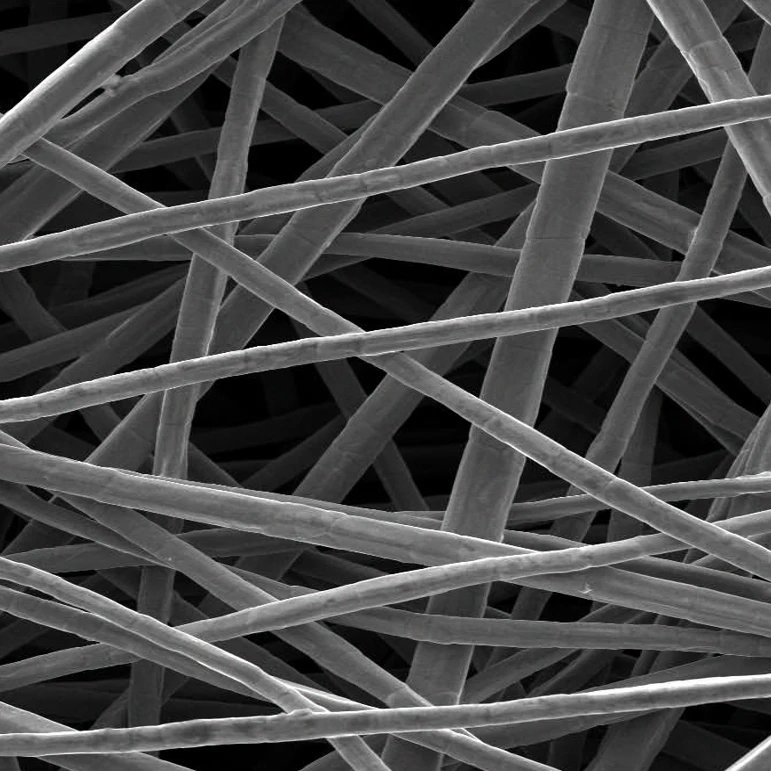
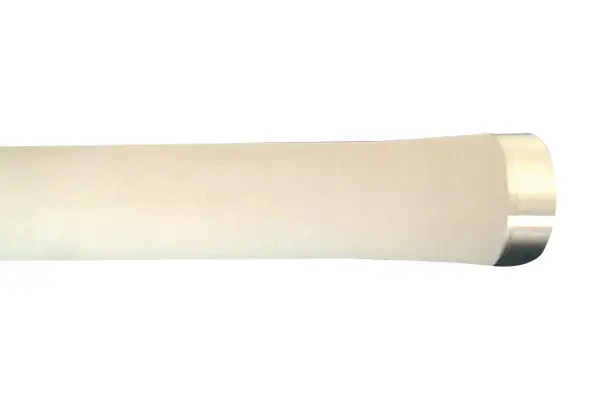
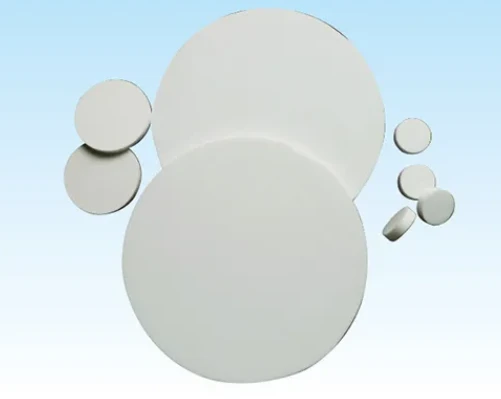
Gas filters are designed to remove specific types of gases from an air stream. They achieve this through various mechanisms, most commonly adsorption, absorption, and chemical reaction. Adsorption involves the gas molecules adhering to the surface of a solid material, such as activated carbon. Absorption occurs when the gas is dissolved into a liquid. Chemical reaction filters use a catalyst to transform harmful gases into less harmful substances. The efficiency of a gas filter depends on the type of filter media, the gas concentration, and the flow rate. China Porous Filters specializes in providing high-quality gas filters for a variety of applications.
Key Takeaway: Gas filters remove harmful gases through adsorption, absorption, or chemical reactions. Choosing the right method is crucial for optimal performance.
Types of Gas Filters
Several types of gas filters are available, each designed for specific applications. Common types include:
- Activated Carbon Filters: Effective for removing organic vapors, odors, and volatile organic compounds (VOCs).
- Chemical Cartridge Filters: Utilize chemical absorbents to neutralize specific gases like ammonia, acid gases, and formaldehyde.
- HEPA Filters (with Carbon): Combine HEPA filtration for particulate matter with activated carbon for gas removal.
- Molecular Sieves: Used for separating gases based on molecular size.
The selection of the appropriate filter type depends on the specific gases needing removal and the application requirements.
Gas Filter Type Benefits:
• Activated Carbon Filters: Broad spectrum removal of organic compounds.
• Chemical Cartridge Filters: Specific gas neutralization.
• HEPA Filters (with Carbon): Combined particulate and gas removal.
• Molecular Sieves: High selectivity gas separation.
Gas Filter Performance and Efficiency
The performance of a gas filter is measured by its efficiency in removing target gases. Efficiency is often expressed as a percentage, indicating the amount of gas removed from the air stream. Factors affecting efficiency include filter media quality, filter age, airflow rate, and gas concentration. Regular monitoring and replacement of filters are crucial to maintain optimal performance. Furthermore, the filter's capacity – the total amount of gas it can remove before becoming saturated – is a key consideration. China Porous Filters offers filters with varying capacities to suit different needs.
Applications of Gas Filters
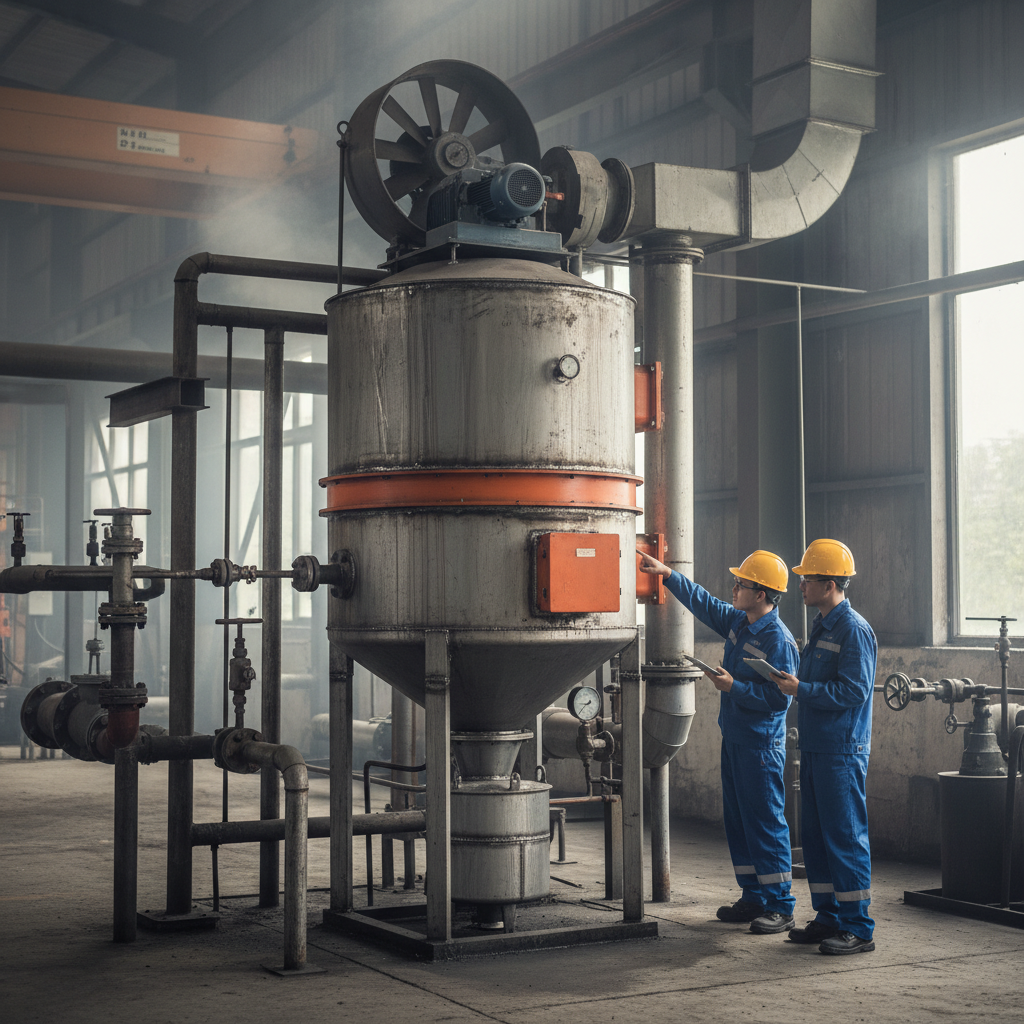
Gas filters are vital in a multitude of sectors. Industrial settings utilize them to protect workers from hazardous fumes and gases during manufacturing processes. Healthcare facilities employ gas filters to maintain sterile environments and remove anesthetic gases. Environmental monitoring relies on gas filters for air quality analysis. Additionally, they are critical in laboratories, semiconductor manufacturing, and even in personal protective equipment like respirators. The versatility of gas filters makes them indispensable for ensuring safety and maintaining air quality across diverse applications.
Selecting the Right Gas Filter
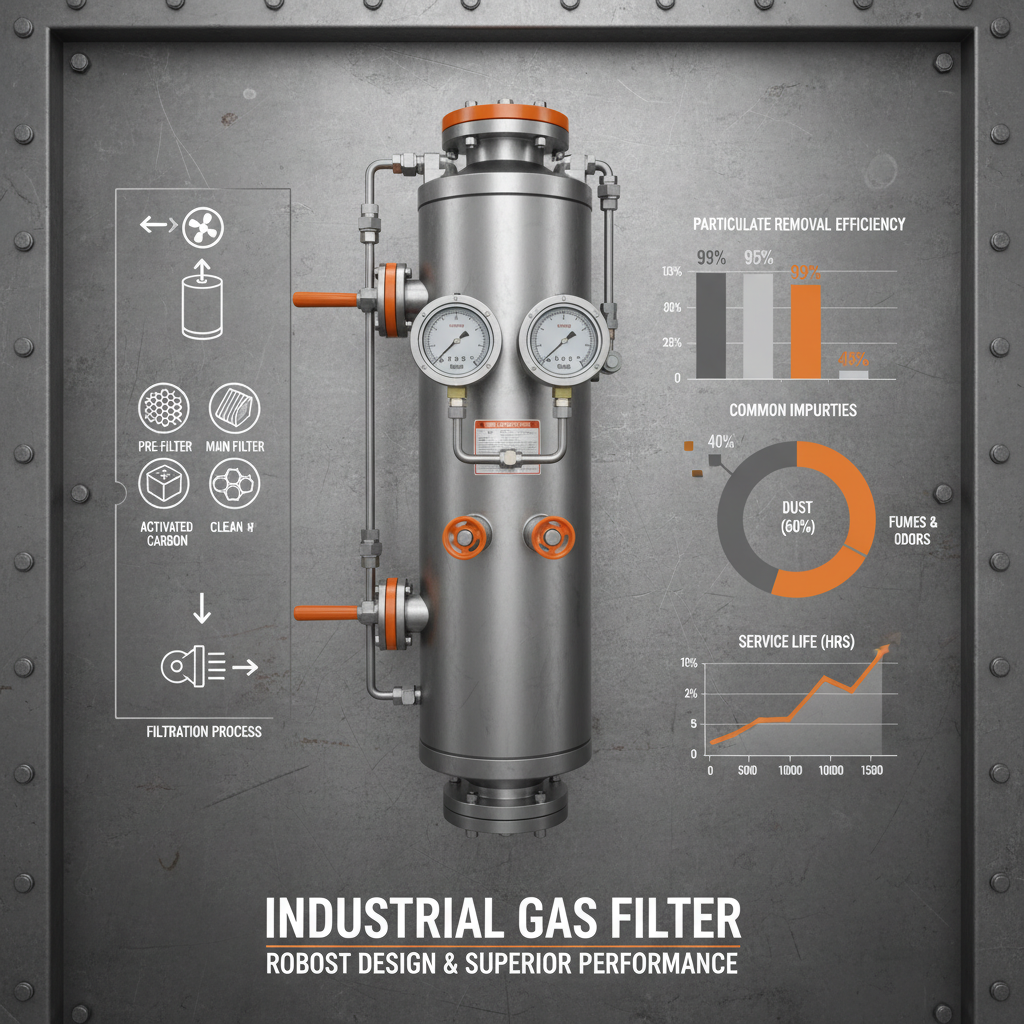
Choosing the right gas filter requires careful consideration of several factors. Identifying the specific gases to be removed is the first step. The concentration of these gases, airflow rate, and operating temperature also play crucial roles. Furthermore, ensuring the filter meets relevant safety standards and regulations is essential. Consider the filter's capacity and replacement frequency to minimize downtime and maintain consistent performance. China Porous Filters provides expert guidance and a comprehensive range of filters to meet your specific needs.
Conclusion: Ensuring Safety with the Right Gas Filter
Selecting the appropriate gas filter is paramount for protecting personnel, equipment, and the environment. Understanding the different types of filters, their performance characteristics, and the specific application requirements is crucial. By investing in high-quality filters and following proper maintenance procedures, you can ensure optimal air quality and a safe working environment.
Frequently Asked Questions (FAQs)
How often should gas filters be replaced?
The replacement frequency of gas filters depends on several factors, including the type of filter, the concentration of contaminants, and the airflow rate. Generally, it's recommended to replace filters when they become saturated or show a noticeable decrease in efficiency. Many filters have indicators that signal when replacement is needed. Regular monitoring and adherence to the manufacturer's recommendations are essential. As a guideline, activated carbon filters may need replacing every 3-6 months, while chemical cartridges might last for a shorter duration, depending on the specific gas and its concentration.
What safety standards do gas filters need to meet?
Gas filters must meet relevant safety standards depending on the application and region. Common standards include EN 14387 (Europe) and NIOSH (National Institute for Occupational Safety and Health) standards in the USA. These standards ensure that filters provide adequate protection against specific gases and meet performance requirements. It's crucial to verify that the filter you choose is certified to the appropriate standard for your intended use. China Porous Filters ensures that all its filters meet or exceed industry standards.
Can gas filters remove all types of gases?
No, gas filters are typically designed to remove specific types of gases. Activated carbon filters are effective against organic vapors, but less so against inorganic gases like chlorine. Chemical cartridge filters are designed for specific gases, and their effectiveness diminishes significantly against other contaminants. It's crucial to select a filter that is specifically rated for the gases you need to remove. Using the wrong filter can provide a false sense of security and lead to exposure to harmful contaminants.
Post Time: Mar . 28, 2026 02:55