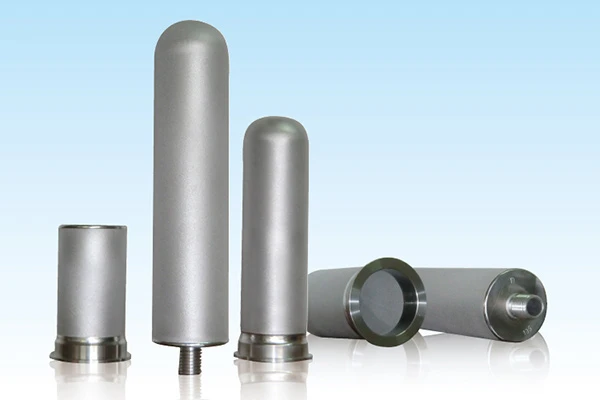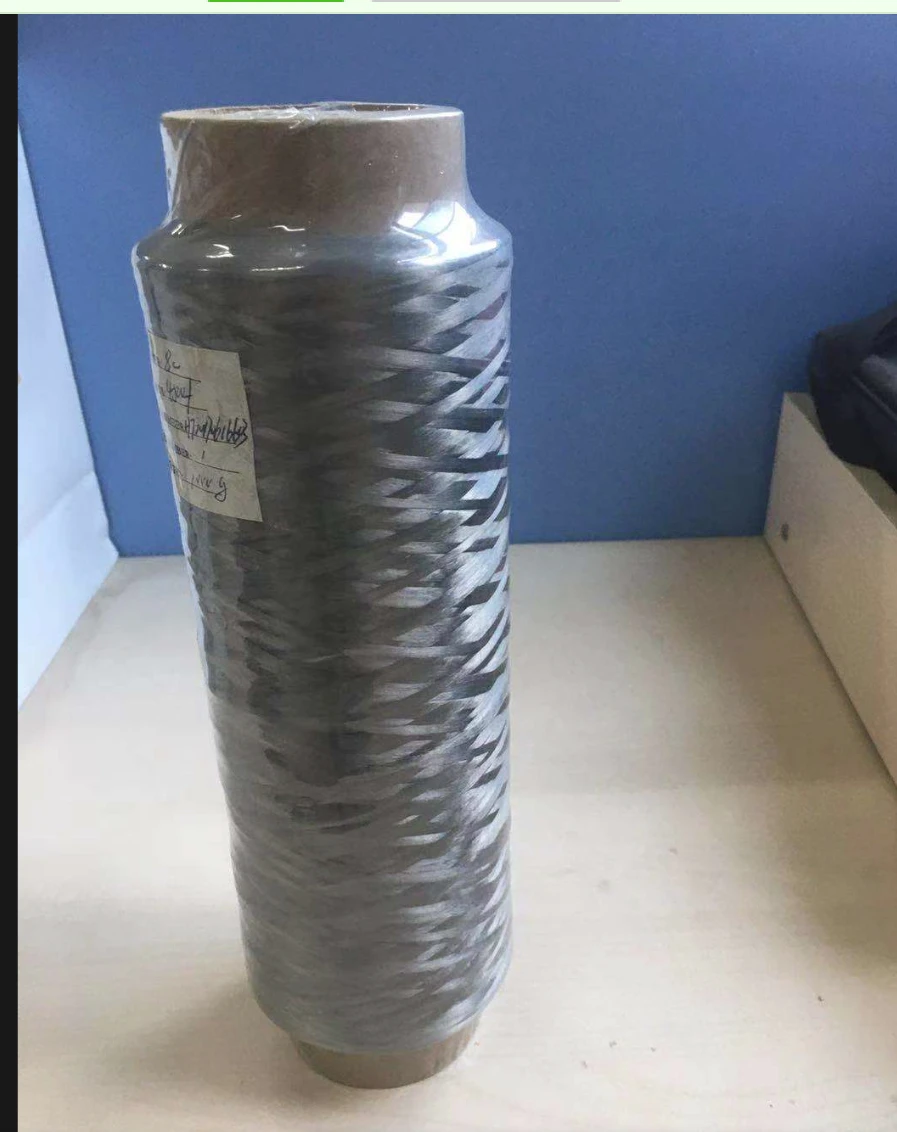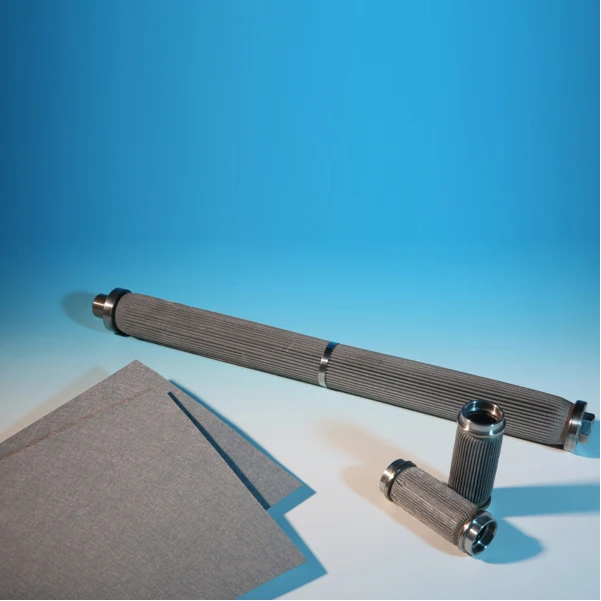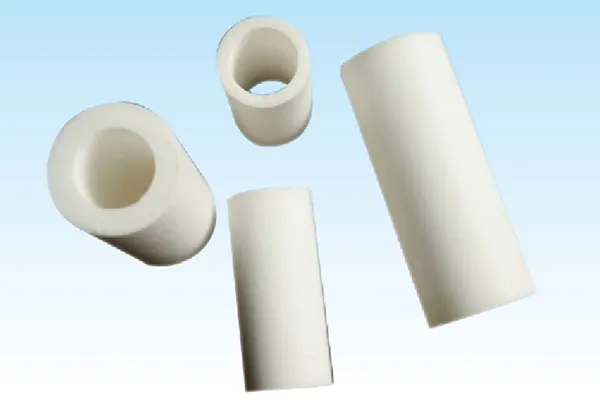
Selecting the right filter material is critical for industrial separation processes, with stainless steel porous filters and polymer filters emerging as the two most widely used options across diverse sectors. SHIJIAZHUANG POROYAL TECHNOLOGIES CO., LTD.—a leading innovator in powder sintered porous filter technology—specializes in high-performance stainless steel porous filters, including precision-engineered stainless steel sintered filter disc and durable stainless steel filter disc solutions. As an integrated enterprise with a dedicated Metal Sintered Porous Filters division, POROYAL’s expertise spans industries from petrochemical to medical devices, delivering tailored filtration technologies that outperform polymer alternatives in critical applications. For wholesalers targeting process engineers, industrial plant operators, and specialized filtration distributors, this article compares stainless steel porous filters to polymer filters, highlighting key advantages that drive superior performance, durability, and value for global industrial clients.
Material & Durability Comparison For Stainless Steel Porous Filters
- Structural Strength & Longevity: Stainless steel porous filters stand out for their exceptional structural integrity and lifespan, outperforming polymer filters in high-pressure, high-temperature, and abrasive environments. POROYAL’s stainless steel sintered filter disc uses 316L or 304 stainless steel powder sintered at precise temperatures (1100-1300°C), creating a monolithic porous structure that resists deformation and mechanical damage. Unlike polymer filters (which degrade over time from chemical exposure or thermal cycling), our stainless steel filter disc maintains performance for 5+ years, reducing replacement frequency by 70%. A wholesaler supplying European oilfield operations reported that our stainless steel porous filters withstood pressure surges up to 30MPa, while polymer alternatives failed within 6-12 months.
- Temperature & Chemical Resistance: Stainless steel porous filtersoffer superior temperature tolerance (-270°C to 600°C) compared to polymer filters (typically limited to -20°C to 150°C), making them ideal for high-heat applications like chemical processing and molten metal filtration. Our stainless steel sintered filter disc resists corrosion from acids, bases, and organic solvents, while polymer filters (e.g., PTFE, PP) are prone to swelling, cracking, or chemical degradation in harsh media. A wholesaler serving North American pharmaceutical manufacturers noted that our stainless steel filter disc maintained 100% integrity in solvent filtration processes, whereas polymer filters required monthly replacement due to chemical attack.
Performance Comparison: Stainless Steel vs Polymer Filters
|
Performance Metric |
Stainless Steel Porous Filters (POROYAL) |
Polymer Filters (Industry Standard) |
Wholesale Value Advantage of Stainless Steel |
|
Operating Temperature Range |
-270°C to 600°C (wide range compatibility) |
-20°C to 150°C (limited high-temperature use) |
Suitable for extreme temperature applications; eliminates need for application-specific filter materials |
|
Pressure Resistance |
Up to 30MPa (high-pressure stable); no deformation under load |
Up to 5MPa (prone to rupture at higher pressures) |
Reduces downtime from filter failure; compatible with high-pressure industrial processes |
|
Filtration Efficiency & Consistency |
99.99% particle retention (0.1-100 μm); uniform pore distribution; consistent performance |
95-99% particle retention (varies by material); pore collapse over time |
Ensures strict quality control; reduces product contamination risks; consistent batch-to-batch results |
|
Cleanability & Reusability |
Washable via CIP/SIP, ultrasonic cleaning, or chemical sterilization; reusable 50+ times |
Limited reusability (1-5 cycles); prone to fouling and material degradation during cleaning |
Lowers lifecycle costs by 60%; reduces waste from disposable filters; aligns with sustainability goals |
|
Chemical Compatibility |
Resistant to acids, bases, solvents, and oxidizers; inert to most industrial media |
Variable compatibility (PTFE = broad, PP = limited); prone to swelling or degradation |
Universal media compatibility; eliminates filter material mismatches; reduces inventory complexity |
Wholesale Advantages Of Stainless Steel Sintered Filter Disc
- Total Cost of Ownership & ROI: While stainless steel porous filtershave a higher initial wholesale cost than polymer filters, their long lifespan, reusability, and low maintenance drive superior ROI for wholesale clients. POROYAL’s stainless steel sintered filter disc delivers a 5-year lifecycle cost that is 40% lower than polymer alternatives, thanks to reduced replacement frequency and maintenance labor. MOQs start at 100 units for standard stainless steel filter disc models, with volume discounts for bulk orders (500+ units), making them cost-competitive for large-scale industrial deployments. A wholesaler supplying Asian chemical plants reported that our stainless steel porous filters helped clients reduce annual filtration costs by $25,000+ per facility.
- Application Versatility & Customization: Stainless steel porous filtersoffer unmatched versatility across industries, eliminating the need for wholesalers to stock multiple polymer filter types (e.g., PTFE for chemicals, PP for water). POROYAL provides custom stainless steel sintered filter disc solutions, including tailored pore sizes (0.1-100 μm), shapes (disc, cartridge, tube), and surface treatments (polishing, passivation) to meet specific application needs. Our engineering team collaborates with wholesalers to develop industry-specific designs, such as ultra-fine pore stainless steel filter disc for pharmaceutical sterilization or heavy-duty models for oilfield drilling. A wholesaler serving global industrial distributors noted that our versatile stainless steel portfolio reduced inventory costs by 35% compared to stocking polymer alternatives.
Stainless Steel Porous Filters FAQS
Are Stainless Steel Porous Filters More Expensive Than Polymer Filters For Wholesale Clients?
While stainless steel porous filters have a higher upfront wholesale cost (2-3x that of polymer filters), their total lifecycle cost is significantly lower—40% less over 5 years. This is due to their reusability (50+ cleaning cycles vs. 1-5 for polymers), longer lifespan (5+ years vs. 6-18 months for polymers), and reduced maintenance. POROYAL provides wholesalers with custom ROI calculators that quantify long-term savings, helping clients justify the initial investment. A wholesaler supplying European manufacturing clients reported that our stainless steel sintered filter disc closed 30% more bulk orders once clients understood the total cost advantage.
Can Stainless Steel Sintered Filter Disc Be Used In Food & Beverage Applications?
Yes—POROYAL’s stainless steel sintered filter disc is fully compliant with food & beverage industry standards (FDA 21 CFR Part 177, EU 10/2011), making them ideal for applications like beer filtration, edible oil processing, and dairy sterilization. Our stainless steel filter disc features a smooth, non-porous surface that resists bacterial growth and is easy to clean via CIP/SIP processes, ensuring product safety and hygiene. Unlike some polymer filters (which may leach additives), stainless steel is inert and does not contaminate food or beverage products. A wholesaler serving North American food processing clients noted that our stainless steel porous filters met strict regulatory requirements, with zero reports of product contamination.
How Do Stainless Steel Porous Filters Perform In High-Purity Applications Compared To Polymer?
Stainless steel porous filters outperform polymer filters in high-purity applications (e.g., pharmaceutical, semiconductor manufacturing) due to their superior filtration consistency and low extractables. POROYAL’s stainless steel sintered filter disc features uniform pore distribution (±5% tolerance) that ensures 99.99% particle retention, while polymer filters often have inconsistent pore sizes and higher extractable levels (which can contaminate high-purity processes). Our stainless steel filters are also compatible with high-temperature sterilization (autoclaving, dry heat), which degrades polymer filters. A wholesaler supplying Asian semiconductor plants reported that our stainless steel filter disc reduced process contamination rates by 90% compared to polymer alternatives.
What Maintenance Is Required For Stainless Steel Filter Disc?
POROYAL’s stainless steel filter disc requires minimal maintenance, thanks to its durable sintered structure and corrosion resistance. Routine maintenance includes: 1) Regular cleaning (quarterly for industrial, semi-annually for high-purity) via CIP, ultrasonic treatment, or chemical cleaning; 2) Annual inspection for surface damage or clogging; 3) Passivation treatment (every 1-2 years) to enhance corrosion resistance. Unlike polymer filters (which are disposable), our stainless steel porous filters can be cleaned and reused 50+ times, reducing maintenance labor and waste. A wholesaler supplying petrochemical clients reported that our maintenance guidelines extended filter lifespan by 25%, further improving client ROI.
What Support Do You Provide Wholesalers For Promoting Stainless Steel Porous Filters?
POROYAL offers comprehensive support for wholesalers, including: 1) Access to our engineering team for application-specific comparisons between stainless steel porous filters and polymer alternatives; 2) Custom sample units (stainless steel sintered filter disc, stainless steel filter disc) for client testing and performance validation; 3) Technical documentation (material safety data sheets, performance reports, compliance certificates); 4) Marketing materials (comparison charts, case studies, ROI calculators) to educate clients on stainless steel advantages. We also provide training on product positioning and industry-specific applications, helping wholesalers highlight the value of stainless steel porous filters over polymer alternatives. A wholesaler supplying global industrial equipment chains reported that our support increased their stainless steel filter sales by 40%, outperforming polymer filter growth.
Post Time: Dec . 12, 2025 10:09