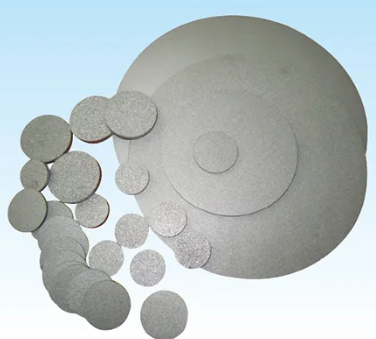
SHIJIAZHUANG POROYAL TECHNOLOGIES CO., LTD., a professional supplier of porous filter products, focuses on manufacturing high-performance spargitori for industrial applications. Our spruzzatore di metallo series, including the efficient tubular sparger, adopts stainless steel as the core material, paired with advanced sintering technology. These products excel in gas-liquid mass transfer, with stable performance and long service life. Below, we elaborate on their types, maintenance methods and common questions, helping you maximize the value of our spargers.
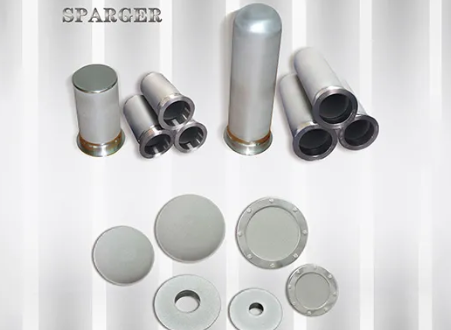
Our Diverse Spargitori Lineup Covers The Practical Tubular Sparger
- SHIJIAZHUANG POROYAL TECHNOLOGIES CO., LTD. offers a full range of spargitori to adapt to different industrial scenarios. The tubular sparger, with its cylindrical structure, is ideal for large-scale tanks, ensuring uniform gas distribution along the pipeline length.
- Our spruzzatore di metallo family also includes plate-type and spherical models, all made of high-grade stainless steel. The stainless steel material provides excellent structural stability, avoiding deformation even under high pressure. Each spargitori undergoes strict quality testing, from material selection to finished product inspection.
- Whether for chemical reactions or wastewater treatment, our products deliver reliable aeration performance, meeting the core needs of industrial production efficiency and stability in various working conditions.
Stainless Steel Foundation Makes Metal Sparger A Durable Industrial Partner
- The outstanding durability of our spruzzatore di metallo stems from the premium stainless steel material. Unlike ordinary materials, stainless steel resists oxidation and chemical erosion, which is essential for harsh working environments like chemical processing and wastewater treatment.
- Our tubular sparger, as a typical spruzzatore di metallo, leverages this advantage to maintain stable pore size even after long-term continuous use. The material’s high porosity ensures low aeration resistance, while its smooth surface reduces impurity adhesion.
- SHIJIAZHUANG POROYAL TECHNOLOGIES CO., LTD. optimizes the material ratio to enhance compressive strength, preventing damage during installation and daily operation, thus reducing maintenance troubles for users.
Regular Cleaning Maintains The Efficient Operation Of Spargitori
- Proper and regular cleaning is a key measure to preserve the performance of spargitori, including our spruzzatore di metallo E tubular sparger. SHIJIAZHUANG POROYAL TECHNOLOGIES CO., LTD. recommends tailored cleaning methods based on the type of impurities accumulated.
- For organic residues, use neutral detergents and soft brushes to gently scrub the surface, avoiding scratches on the stainless steel. For inorganic scales, mild acid solutions can effectively dissolve deposits, followed by thorough rinsing with deionized water to remove residual chemicals.
- IL tubular sparger’s pipeline structure requires special attention to internal cleaning—flushing with high-pressure water can clear hidden impurities in the pipeline, ensuring unobstructed gas flow and consistent aeration effect.
Spargitori FAQS
How To Confirm The Installation Correctness Of Metal Sparger To Avoid Performance Loss?
When installing our spruzzatore di metallo, SHIJIAZHUANG POROYAL TECHNOLOGIES CO., LTD. advises focusing on three key points to ensure correctness. First, ensure the connection to the gas source is tightly sealed with stainless steel gaskets to prevent gas leakage, which directly affects aeration efficiency. Second, position the spruzzatore di metallo horizontally—especially for the tubular sparger—to guarantee uniform gas distribution across the entire working area. Finally, conduct a trial run: observe bubble size and distribution; uniform, fine bubbles indicate correct installation. Avoid over-tightening connections to prevent damaging the stainless steel structure.
What Is The Suitable Maintenance Interval For Tubular Sparger In Different Environments?
The maintenance interval of tubular sparger varies by working environment, as recommended by SHIJIAZHUANG POROYAL TECHNOLOGIES CO., LTD. In clean scenarios like pure water aeration, cleaning and inspection every 6 months are sufficient. For chemical reaction systems with high impurity content, shorten the interval to 2-3 months to prevent pore blockage. In highly corrosive environments such as acid wastewater treatment, monthly checks on anti-corrosion coatings and quarterly polishing are necessary. Record maintenance details each time to adjust the plan timely and ensure stable operation.
Can Spargitori Be Used In High-Temperature Scenarios, And What Maintenance Is Needed?
Our spargitori, including spruzzatore di metallo E tubular sparger, are designed for high-temperature resistance thanks to the heat-resistant stainless steel material. They perform stably in high-temperature working conditions common in industrial production. For temperatures above 300℃, SHIJIAZHUANG POROYAL TECHNOLOGIES CO., LTD. suggests specific post-use maintenance: let the spargitori cool naturally, avoid rapid cooling to prevent thermal cracking. Clean with high-temperature-resistant detergents, then dry thoroughly to remove moisture and prevent rusting, ensuring long-term reliability.
Why Is Metal Sparger More Maintenance-Friendly Than Non-Metal Alternatives?
Compared to plastic or ceramic spargitori, our spruzzatore di metallo (like the tubular sparger) has obvious maintenance advantages. Stainless steel allows the use of strong detergents to remove stubborn impurities, while plastic may deform and ceramic may crack under such conditions. The spruzzatore di metallo’s high structural strength resists damage during cleaning and installation. SHIJIAZHUANG POROYAL TECHNOLOGIES CO., LTD. notes that metal’s repairability also reduces costs—minor scratches can be polished, avoiding full replacement unlike fragile non-metal options.
How To Deal With Minor Blockage Of Tubular Sparger Without Disassembling It?
For minor blockage of tubular sparger, SHIJIAZHUANG POROYAL TECHNOLOGIES CO., LTD. recommends a convenient in-situ solution to avoid affecting production. First, perform reverse flushing with compressed air to blow out loose impurities from the pores. If this is ineffective, circulate a low-concentration citric acid solution through the tubular sparger for 30 minutes to dissolve scale, then flush thoroughly with clean water. Avoid using hard tools to unclog, as they may damage the pore structure and stainless steel surface, ensuring the sparger’s performance is restored safely.
Post Time: Nov . 15, 2025 14:55