Understanding Plastic Sintered Filters: Applications and Benefits
Plastic sintered filters are a versatile and increasingly important component in numerous industrial processes. These filters, known for their durability, chemical resistance, and precise pore size control, offer solutions for filtration, separation, and flow control in a wide range of applications. This article will explore the intricacies of plastic sintered filters, delving into their manufacturing process, key properties, diverse applications, and advantages over traditional filtration materials. Understanding these filters is crucial for optimizing processes and ensuring product quality in various sectors.
What are Plastic Sintered Filters?
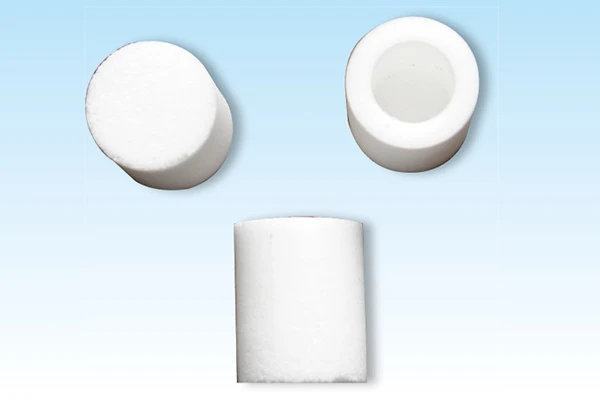
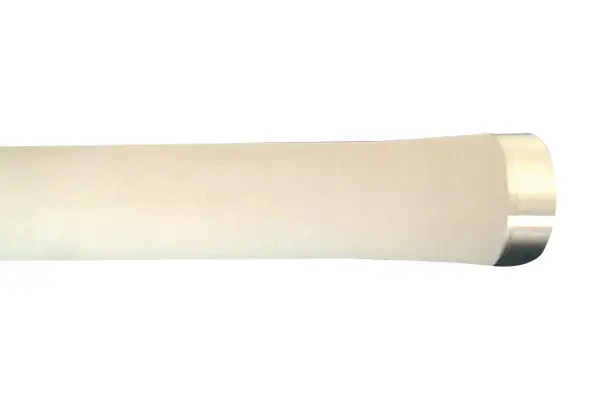
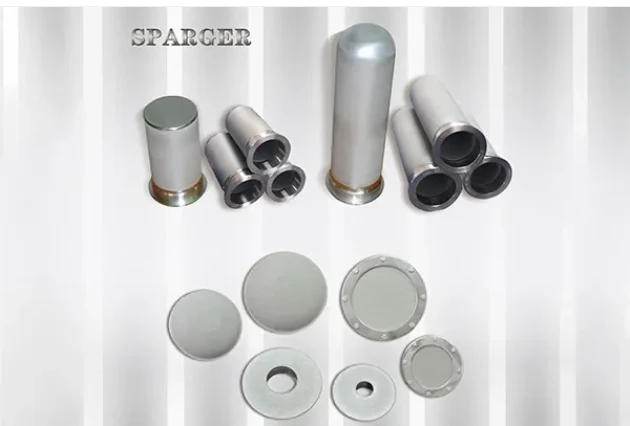
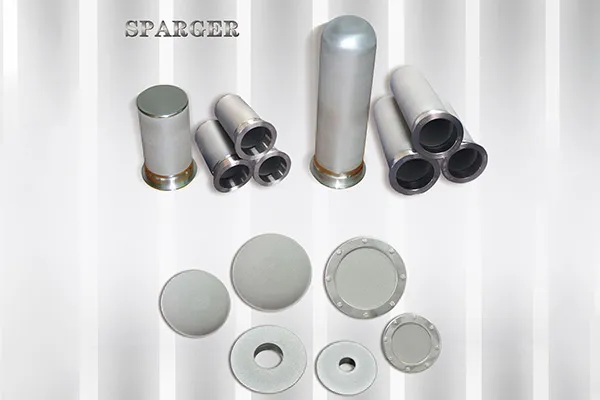
Plastic sintered filters are created by bonding plastic particles together using heat, pressure, and sometimes a binder. This process forms a porous structure with interconnected pores of a controlled size and distribution. The most common plastics used in sintering include polyethylene (PE), polypropylene (PP), polyvinylidene fluoride (PVDF), and polytetrafluoroethylene (PTFE). The sintering process eliminates the need for adhesives, resulting in a chemically inert and highly durable filter. These filters excel in applications requiring resistance to corrosive fluids and extreme temperatures.
Key Highlights: Produced by bonding plastic particles, offering chemically inert and durable filtration. Ideal for corrosive fluid and high-temperature applications.
The Manufacturing Process of Plastic Sintered Filters
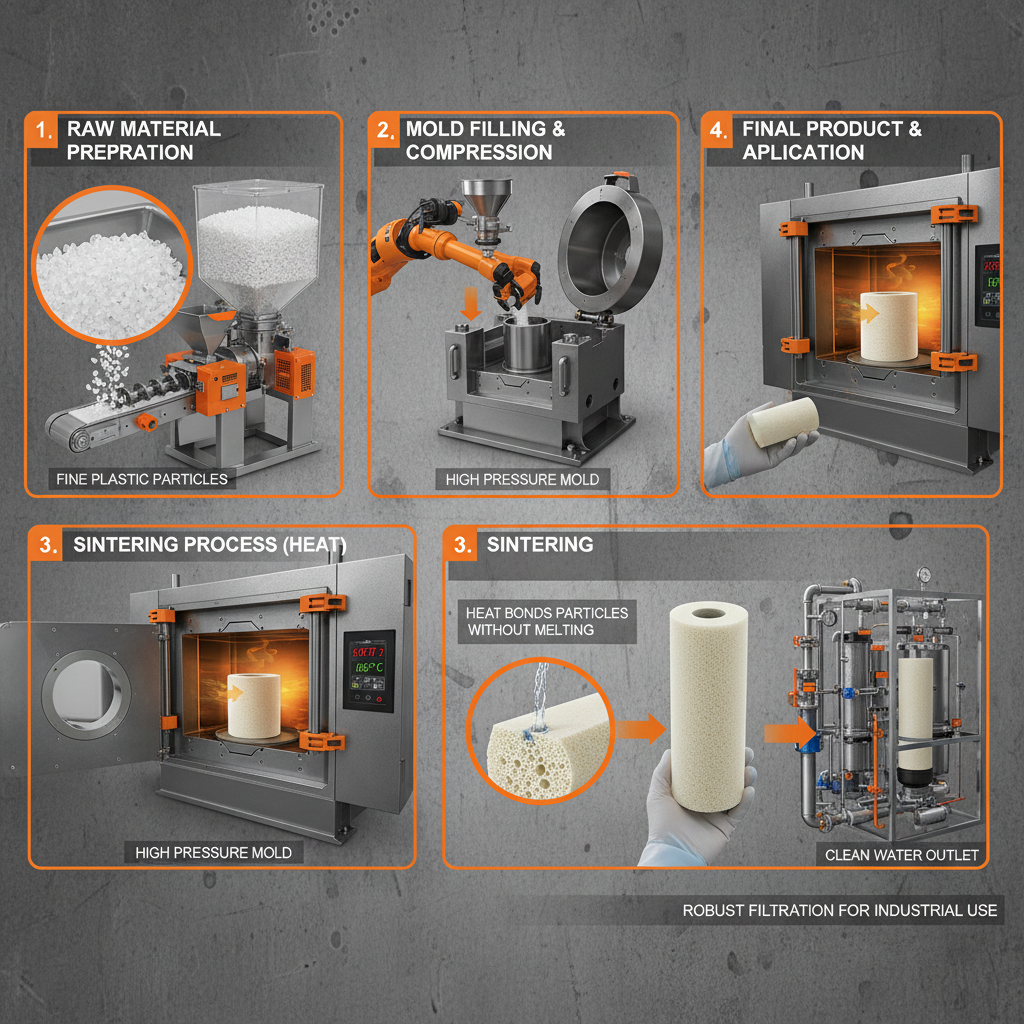
The production of plastic sintered filters involves several critical steps. Firstly, the selected plastic powder must possess specific particle size distribution and morphology. This powder is then carefully loaded into a mold, compacted under high pressure to create a “green body”, and then sintered at a controlled temperature below the melting point of the plastic. During sintering, the plastic particles fuse together, forming a solid, porous structure. The sintering parameters—temperature, pressure, and duration—are meticulously controlled to achieve the desired pore size, porosity, and mechanical strength. Following sintering, some filters may undergo finishing processes like cleaning and trimming to meet precise specifications.
Manufacturing Process Steps:
• Plastic Powder Selection: Proper particle size and morphology are crucial.
• Mold Loading & Compaction: Creating a 'green body' under high pressure.
• Sintering: Controlled temperature and pressure for particle fusion.
• Finishing: Cleaning and trimming for precise specifications.
Key Properties of Plastic Sintered Filters
Plastic sintered filters boast a unique combination of properties making them ideal for demanding applications. They exhibit excellent chemical resistance, particularly to acids, alkalis, and organic solvents. They are also lightweight, possess good thermal stability, and are capable of withstanding high pressures. Perhaps most importantly, they offer precise pore size control, allowing for highly selective filtration. The porosity and permeability can be tailored during the manufacturing process to meet specific flow rate and filtration requirements. These filters are also easily cleaned and sterilized, making them suitable for sanitary applications.
Applications of Plastic Sintered Filters
The versatility of plastic sintered filters allows them to be utilized across a broad spectrum of industries. They are commonly found in chemical processing for separating solids from liquids, in pharmaceutical manufacturing for sterilizing liquids and gases, and in food and beverage production for clarifying liquids and removing particulate matter. They also play a crucial role in water treatment, air filtration, and gas separation. Additionally, they are utilized in medical devices and laboratory equipment where high purity and biocompatibility are essential.
Advantages over Traditional Filtration Materials
Compared to traditional filtration materials like metal or ceramic filters, plastic sintered filters offer several key advantages. They are generally more cost-effective, lighter in weight, and easier to mold into complex shapes. Their resistance to a wide range of chemicals eliminates the risk of corrosion and contamination. Furthermore, the ability to precisely control pore size offers superior filtration efficiency and selectivity. While metal filters may offer higher temperature resistance, plastic sintered filters excel in applications where chemical inertness and cost-effectiveness are paramount.
Conclusion: The Future of Filtration with Plastic Sintered Filters
Plastic sintered filters represent a significant advancement in filtration technology. Their unique combination of properties, diverse applications, and cost-effectiveness make them an increasingly attractive option for a wide range of industries. As demand for high-performance, chemically resistant, and precisely controlled filtration solutions continues to grow, plastic sintered filters are poised to play an increasingly important role in shaping the future of filtration.
Frequently Asked Questions (FAQs)
What pore sizes are available for plastic sintered filters?
Plastic sintered filters can be manufactured with a wide range of pore sizes, typically from 0.2 microns up to several millimeters. The precise pore size is determined by the plastic powder characteristics, the sintering temperature, and the compaction pressure during manufacturing. China Porous Filters specializes in customizing pore sizes to meet specific application requirements, ensuring optimal filtration performance. Choosing the correct pore size is critical for effective separation and flow control.
How do I clean a plastic sintered filter?
Cleaning methods depend on the type of contamination. For particulate matter, backwashing with a compatible solvent or compressed air is often sufficient. For more stubborn contaminants, ultrasonic cleaning or chemical cleaning with a mild detergent may be necessary. It's important to choose cleaning agents that are compatible with the filter material to avoid damage. Always follow the manufacturer's cleaning recommendations to ensure the filter’s integrity and performance are maintained. Regular cleaning extends the filter's lifespan and optimizes its efficiency.
What plastics are best suited for high-temperature applications?
While all plastics have temperature limitations, PTFE (Polytetrafluoroethylene) and PVDF (Polyvinylidene Fluoride) offer the highest thermal stability among commonly used sintering materials. These plastics can withstand temperatures up to 260°C (500°F) depending on the specific grade and application. Polypropylene (PP) and polyethylene (PE) have lower temperature limits and are best suited for applications below 100°C (212°F). Selecting the appropriate plastic is crucial to ensure the filter maintains its structural integrity and performance at the operating temperature.
Post Time: Mar . 08, 2026 02:45