Understanding Sintered Filters: Applications and Benefits
Sintered filters are porous materials created by bonding metal particles together through a heating process, known as sintering. This results in a robust and highly efficient filtration solution used across a multitude of industries. From aerospace to pharmaceuticals, their unique properties make them invaluable for separating solids from liquids or gases. This article will delve into the specifics of sintered filters, exploring their construction, advantages, applications, and why China Porous Filters is a leading provider. Investing in high-quality sintered filters can significantly improve process efficiency and product purity.
How Sintered Filters Are Made
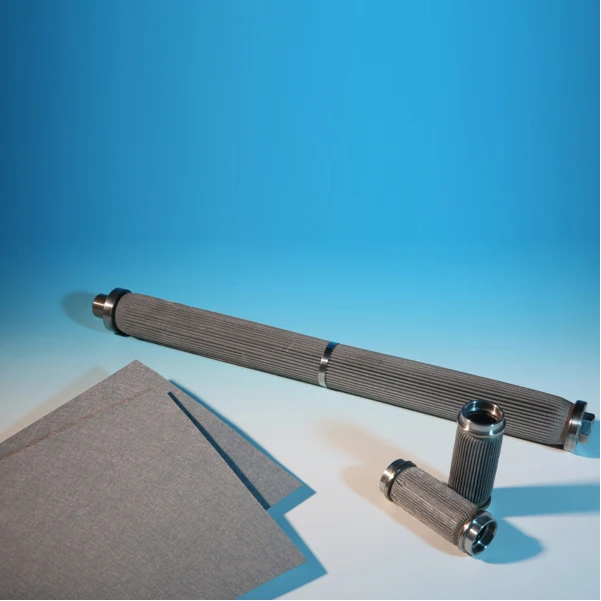
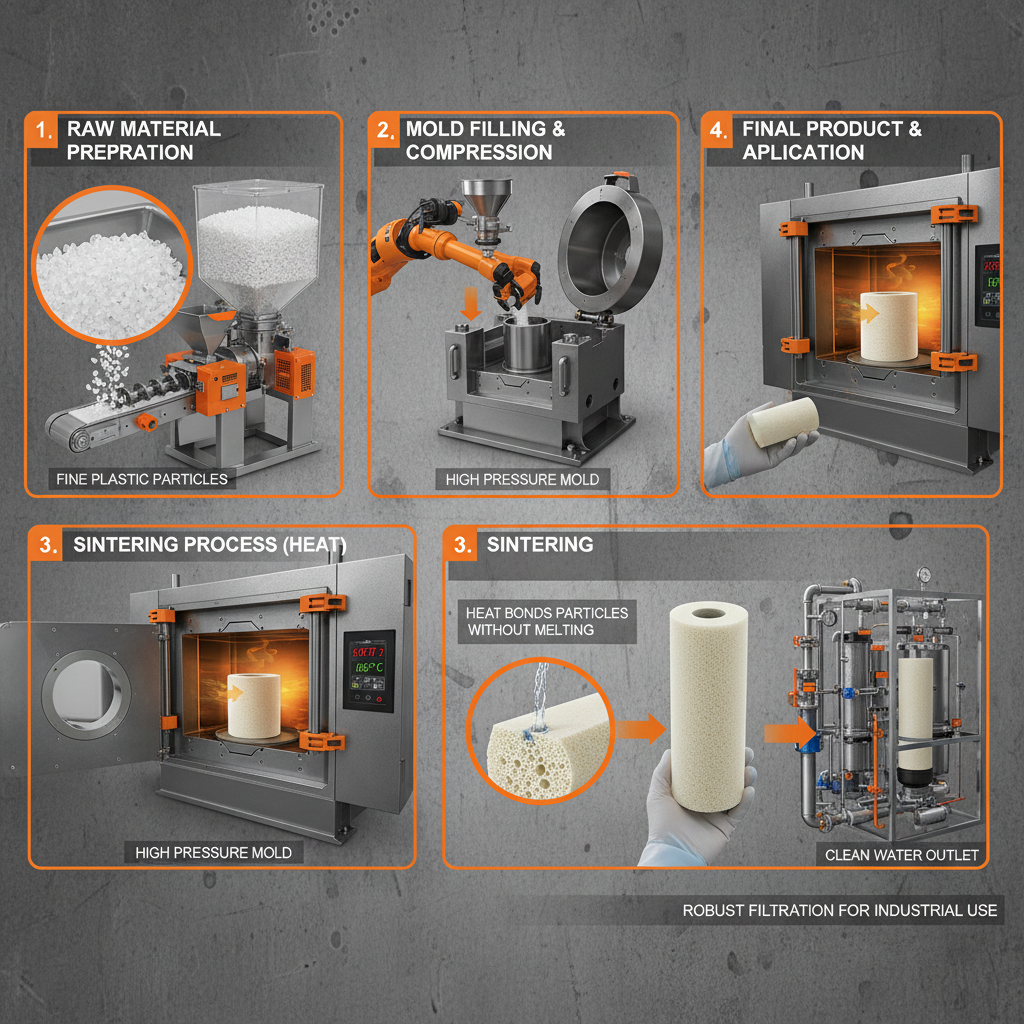
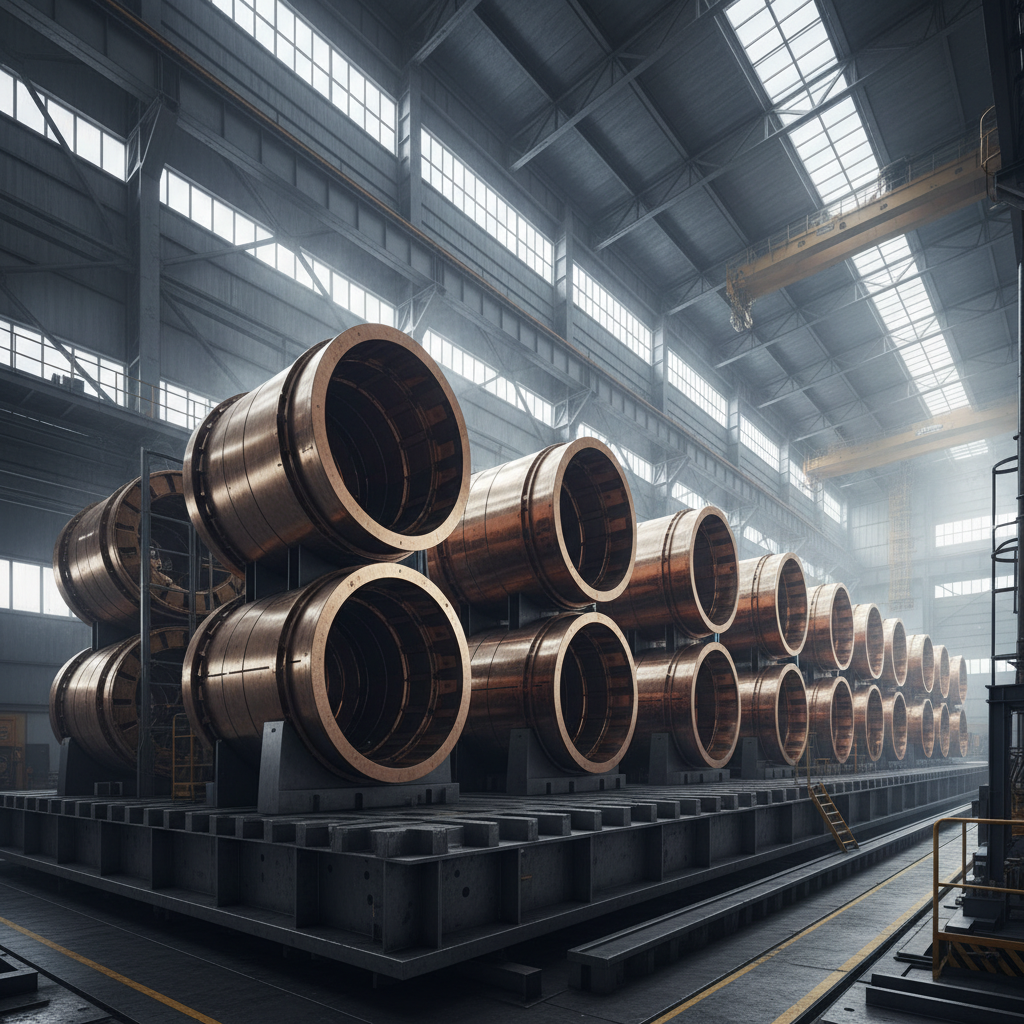
The creation of sintered filters involves several key steps. First, finely powdered metal (typically stainless steel, titanium, or nickel alloys) is compacted into the desired shape. This “green body” is then heated to a high temperature, below the metal's melting point, in a controlled atmosphere. During sintering, the metal particles bond together, creating a solid, porous structure. The level of porosity is carefully controlled by adjusting the powder size, compaction pressure, and sintering temperature. Different sintering techniques, such as powder metallurgy and additive manufacturing, offer varying levels of precision and complexity. The resulting filter exhibits excellent mechanical strength, thermal stability, and chemical resistance.
Key Highlights: Sintered filters combine high permeability with excellent mechanical strength, making them ideal for challenging filtration tasks. Their porous structure allows for efficient separation of particles without significant pressure drop.
Advantages of Using Sintered Filters
Compared to other filtration methods, sintered filters offer several distinct advantages. They exhibit high temperature and chemical resistance, making them suitable for harsh environments. Their robust construction allows for repeated cleaning and sterilization without degradation. The controlled porosity provides consistent filtration performance and precise particle retention. Furthermore, sintered filters can be customized to specific pore sizes and permeability requirements. This versatility makes them a preferred choice for a wide array of applications. China Porous Filters offers tailored solutions to meet unique filtration needs.
Key Benefits:
• High temperature and chemical resistance
• Robust and durable construction
• Consistent filtration performance
• Customizable pore sizes
Sintered Filters: Key Applications
Sintered filters find widespread applications across diverse industries. In the pharmaceutical industry, they are crucial for sterilizing liquids and gases, ensuring product purity. The chemical processing sector uses them for catalyst support and removing contaminants from process streams. Aerospace applications include fuel filtration and hydraulic system protection. The food and beverage industry leverages sintered filters for clarifying liquids and separating solids. Other applications include water treatment, pneumatic systems, and oil and gas processing. The versatility of sintered filters continues to drive innovation and new applications.
Choosing the Right Sintered Filter: Material and Pore Size Considerations
Selecting the optimal sintered filter requires careful consideration of the application’s specific requirements. Material choice is paramount; stainless steel offers excellent corrosion resistance, while titanium provides superior strength-to-weight ratio. Nickel alloys are ideal for highly corrosive environments. Pore size dictates the level of filtration efficiency – smaller pores retain finer particles. Understanding the properties of the fluid or gas being filtered, as well as the desired level of purity, is crucial for making the right selection. China Porous Filters provides expert guidance in selecting the appropriate filter for your unique needs.
Product Specifications & Options
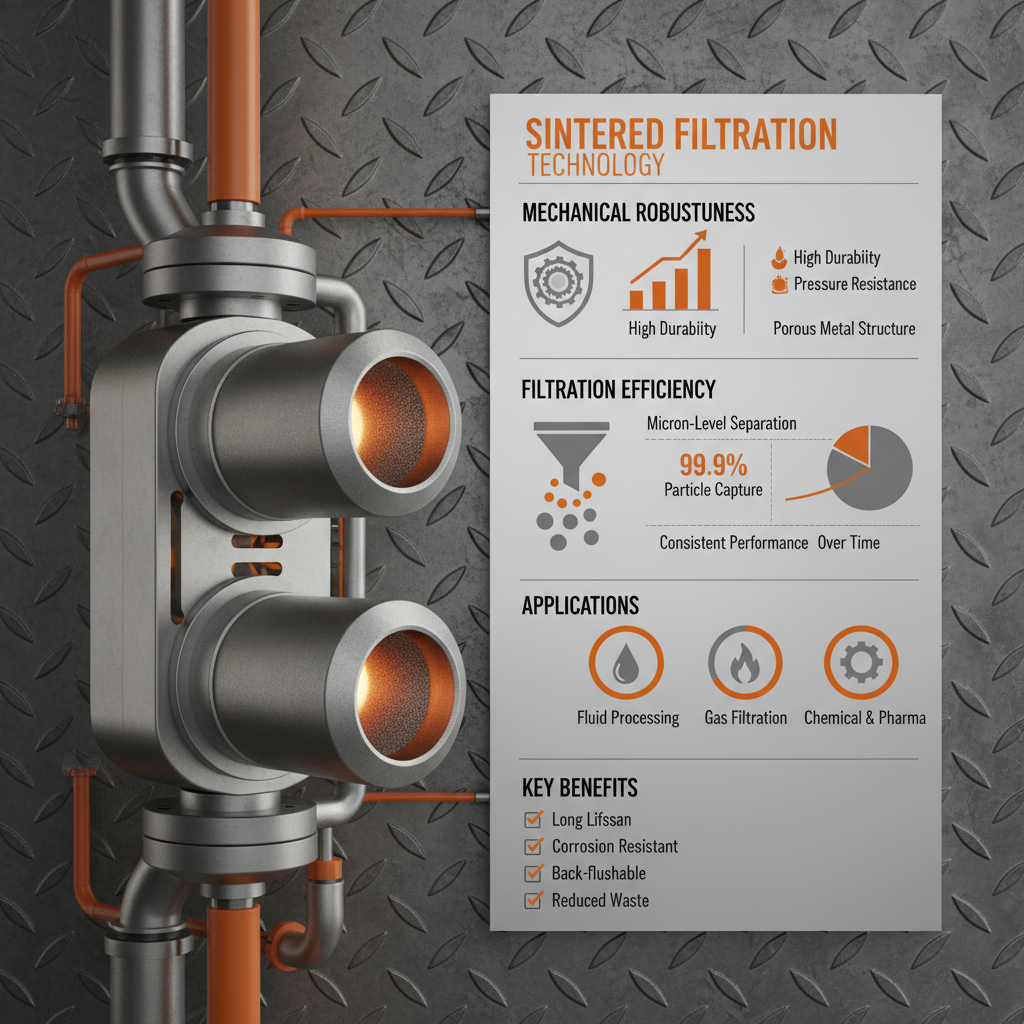
We offer a wide range of sintered filter options to meet diverse application needs. Below is a summary of typical specifications. Contact us for custom designs.
Conclusion: Optimizing Filtration with Sintered Filters
Sintered filters represent a superior filtration solution for a vast range of applications. Their unique combination of durability, efficiency, and customization options makes them an invaluable asset to various industries. By partnering with a trusted provider like China Porous Filters, you can ensure you receive high-quality filters tailored to your specific needs. Investing in the right filtration technology is crucial for optimizing processes, enhancing product quality, and ensuring long-term reliability.
Frequently Asked Questions (FAQs)
What is the typical lifespan of a sintered filter?
The lifespan of a sintered filter depends heavily on the application, the nature of the fluid or gas being filtered, and the frequency of cleaning. With proper maintenance, including regular cleaning and backflushing, a sintered filter can last for several years. However, factors such as exposure to corrosive chemicals or extreme temperatures can reduce its lifespan. Regularly inspecting the filter for signs of damage or reduced flow rate is essential. China Porous Filters provides guidance on optimal cleaning procedures and replacement schedules.
Can sintered filters be cleaned and reused?
Yes, sintered filters are designed to be cleaned and reused multiple times. The cleaning method depends on the type of contaminant. Common methods include backflushing with a compatible solvent, ultrasonic cleaning, or steam cleaning. It's crucial to select a cleaning agent that won't damage the filter material. Regular cleaning restores the filter's permeability and extends its lifespan. However, excessive cleaning or harsh chemicals can eventually degrade the filter, requiring replacement.
What materials are sintered filters commonly made from?
The most common materials used for sintered filters are stainless steel (304, 316L, and others), titanium, and nickel alloys. Stainless steel is a popular choice due to its excellent corrosion resistance and cost-effectiveness. Titanium offers superior strength-to-weight ratio and is ideal for aerospace applications. Nickel alloys are used in highly corrosive environments. The choice of material depends on the specific application and the chemical compatibility requirements. China Porous Filters can assist in selecting the appropriate material for your needs.
How do I determine the correct pore size for my application?
Determining the correct pore size is critical for effective filtration. You need to consider the size of the particles you need to remove from the fluid or gas. A smaller pore size will remove smaller particles but may also result in a lower flow rate. It's often necessary to conduct particle size analysis to accurately determine the required pore size. Factors such as pressure drop and filtration efficiency should also be considered. Consulting with a filtration expert at China Porous Filters can help you select the optimal pore size for your application.
Post Time: Mar . 05, 2026 02:45