Understanding the Vent Filter: A Small Component with a Global Impact
When you think about air filtration, large bulky machines or industrial setups might come to mind. However, the vent filter—a modest yet ingeniously simple device—plays a vital role worldwide in ensuring air quality, protecting machinery, and even preserving human health. It’s oddly fascinating how such a small part can ripple out benefits on a global scale.
From the bustling industrial hubs of Southeast Asia to the humanitarian crisis zones in Africa, vent filters stand guard. They block dust, microbes, and contaminants, safeguarding sensitive equipment and improving environments. In a world wrestling with escalating pollution levels and the need for sustainable solutions, understanding vent filters isn’t just technical jargon—it’s key to innovation in air quality control.
Introduction: The Global Context and Why Vent Filters Matter
Air pollution is a silent adversary, implicated in over 7 million premature deaths annually according to the the World Health Organization. Industrial zones, medical facilities, and even remote agricultural regions need to keep particulate matter at bay for both human safety and operational longevity.
Here’s where vent filters step in. They’re designed to regulate airflow into various systems while filtering out harmful particles. The International Organization for Standardization (ISO) recognizes different classes of filtration efficiency that vent filters can achieve, crucial for everything from HVAC units to medical gas storage. With manufacturing plants expanding and urbanization rising, vent filters offer a cost-effective line of defense—critical in preserving both equipment lifespan and air purity.
What Is a Vent Filter?
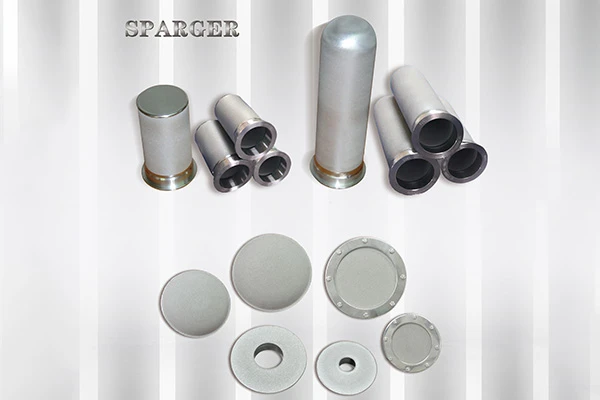
At its core, a vent filter is a filter specifically designed to cover vents, apertures, or openings where air passes through. It’s not just about trapping dust. These filters often combine layers of specifically engineered materials to control moisture, block microbes, and ensure ventilation without compromising air quality.
Think of industrial gas tanks or electronics enclosures that need to maintain pressure equalization without inviting contaminants inside. Vent filters solve exactly that puzzle. On the humanitarian front, they help maintain clean shelter environments by preventing infectious agents from entering controlled spaces. So, it’s quite relevant not only for factories but also for global health initiatives.
Core Components and Key Aspects of Vent Filters
1. Filtration Efficiency
Vent filters vary broadly based on particle size they can block. From coarse dust filters to HEPA-grade media, efficiency ratings determine where a filter is recommended. You’d find ultra-fine filters in pharmaceutical or lab-grade settings, whereas rugged coarse filters suffice in mining or construction units.
2. Durability & Material Composition
Materials range from synthetic fibers like PTFE membranes to activated carbon layers designed to absorb harmful gases. Durability is key—filters are exposed to variable humidity, temperature swings, and sometimes chemical vapors, so manufacturers tend to specify life spans and operating environments.
3. Airflow and Pressure Drop
Vent filters must balance filtration with sufficient airflow; too restrictive, and equipment overheats or loses efficiency. The ideal filter ensures minimal pressure drop—a metric many engineers obsess over—indicating how much resistance the filter causes to passing air.
4. Scalability & Customization
Many suppliers offer vent filters tailored to specific dimensions and filtration grades. It’s quite handy for sectors like aerospace or medical devices which have exact vent size requirements coupled with strict air purity needs.
5. Cost Efficiency
Although often overlooked, the upfront and maintenance costs of vent filters impact project budgets—especially when deployed at scale. Reusable or washable designs can improve sustainability, but they demand more rigorous validation.
| Feature | Description | Typical Usage |
|---|---|---|
| Filter Media | Hydrophobic PTFE Membrane | Protects against moisture and fine dust |
| Filtration Rating | MERV 11 | Industrial HVAC vents |
| Max Operating Temp | 120°C (248°F) | High temperature machinery vents |
| Airflow Rate | Up to 200 CFM | Medium-sized ventilation units |
| Dimensions | Customizable, e.g., 50mm diameter | Various industrial applications |
Global Applications & Use Cases
Vent filters have found their place in a wide variety of contexts around the world. For instance:
- Medical Facilities: Hospitals use vent filters on respiratory devices and oxygen tanks to maintain hygiene and safety.
- Manufacturing Plants: In China and India’s rising industrial zones, vent filters prevent particulate ingress that could damage electronics or compromise product quality.
- Humanitarian Shelters: Emergency shelters in refugee camps across the Middle East employ vent filters to reduce airborne pathogen transmission, preserving vulnerable populations’ health.
- Remote Telecommunication Installations: Harsh environments (like deserts or Arctic regions) use vent filters on telecom enclosures to prevent dust and moisture damage.
If you want a close look at robust vent filter solutions, you might find the range at vent filter providers quite comprehensive—tailored for everything from simple ventilation to complex cleanroom environments.
Vendor Comparison: Popular Vent Filter Providers
| Provider | Filter Types | Applications | Cost Range |
|---|---|---|---|
| China Porous Filters | Hydrophobic Membranes, Activated Carbon | Industrial, Medical, Telecom | $10–$100 per unit |
| Global Air Filters | MERV 8-16, HEPA | Healthcare, Laboratories | $50–$150 per unit |
| TechVent Solutions | Custom Sizes, Nano-Fiber Tech | Aerospace, Defense | $80–$200 per unit |
Advantages & Long-Term Value of Vent Filters
In real terms, vent filters offer a blend of practical and emotional benefits:
- Cost Savings: Protecting machinery means fewer repair bills and less downtime.
- Sustainability: Many filters are recyclable or washable, cutting waste in industries reliant on disposables.
- User Safety: Minimizing exposure to dust and microbes promotes worker health and dignity.
- Reliability & Trust: Knowing that your equipment or shelter airflow is safeguarded provides peace of mind.
What I find striking is how often engineers mention trust—vent filters aren’t flashy, but they earn their keep quietly and consistently. Over time, that builds real brand and operational loyalty.
Future Trends & Innovations in Vent Filters
More companies are exploring sustainable materials—biodegradable fibers and filters embedded with antimicrobial agents. Digital transformation is also making headway; imagine smart vent filters that report clogging levels in real time, integrating with industrial IoT dashboards.
Automation in manufacturing means vent filters need to keep pace, offering consistent repeatability and compatibility with green energy machinery. With mounting environmental regulations, expect filters to get more specialized, yet easier to replace and maintain.
Challenges & Solutions
Vent filter usage isn’t without struggles. Filters get clogged, and replacement logistics in remote regions can be tricky. Additionally, balancing high filtration efficiency with low airflow resistance remains a technical puzzle.
Some manufacturers now offer modular filter assemblies that snap into place, simplifying maintenance. Researchers are also experimenting with self-cleaning materials using nano-coatings to extend filter life. These innovations, coupled with careful deployment planning, can keep vent filters functioning optimally regardless of location or environment.
FAQ: Frequently Asked Questions About Vent Filters
- What types of vent filters are best for humid environments?
- Hydrophobic PTFE membrane filters are ideal as they repel moisture while filtering out contaminants, preventing mold and corrosion.
- How often should vent filters be replaced?
- Replacement frequency depends on application and environment but typically ranges from 6 months to 2 years; high dust or chemical exposure may shorten lifespan.
- Can vent filters be customized for unique applications?
- Yes. Many suppliers offer custom sizes, filtration levels, and materials to meet specific industrial or medical requirements.
- Are vent filters compatible with digital monitoring systems?
- Emerging smart filters can integrate sensors that monitor pressure drop and airflow, allowing remote condition monitoring.
- Where can I find reliable vent filter manufacturers?
- Reputable vendors like China Porous Filters offer a wide range with global shipping options; always check certifications and material specs.
Conclusion
Vent filters, though small, are mighty contributors to equipment longevity, user safety, and healthier environments. As global industries push toward sustainable, digitalized practices, vent filters will no doubt adapt and innovate alongside. Whether you’re managing sensitive medical gear or enforcing high industrial standards, vent filters are a silent guardian worth knowing—and investing in.
Curious to explore your options? Visit the vent filter catalog today and find the right fit for your needs.
Takeaway: Vent filters represent a unique intersection of engineering precision and practical necessity—keep them on your radar, and they’ll keep your operations airflow-safe and efficient.
References:
1. World Health Organization. Ambient air pollution: Health impacts. https://www.who.int/...
2. ISO 16890-1:2016 - Air filters for general ventilation. https://www.iso.org/...
3. UN Environment Programme. Clean air initiatives. https://www.unep.org
Post Time: Dec . 02, 2025 10:35