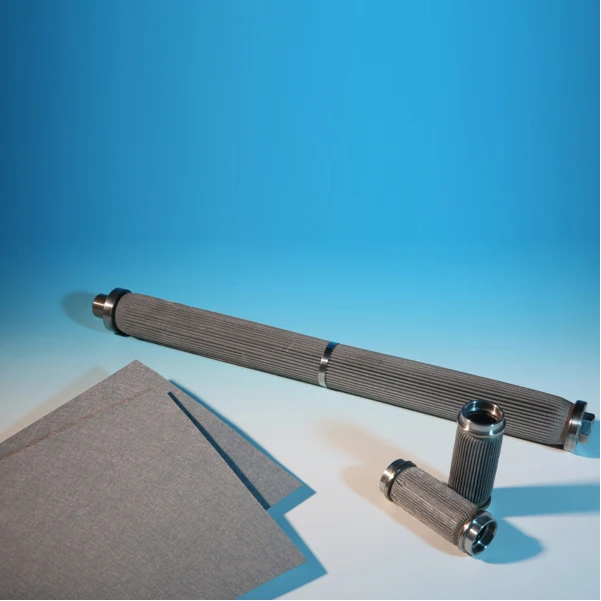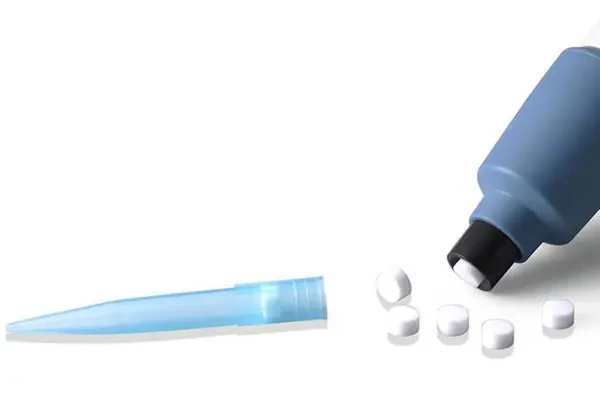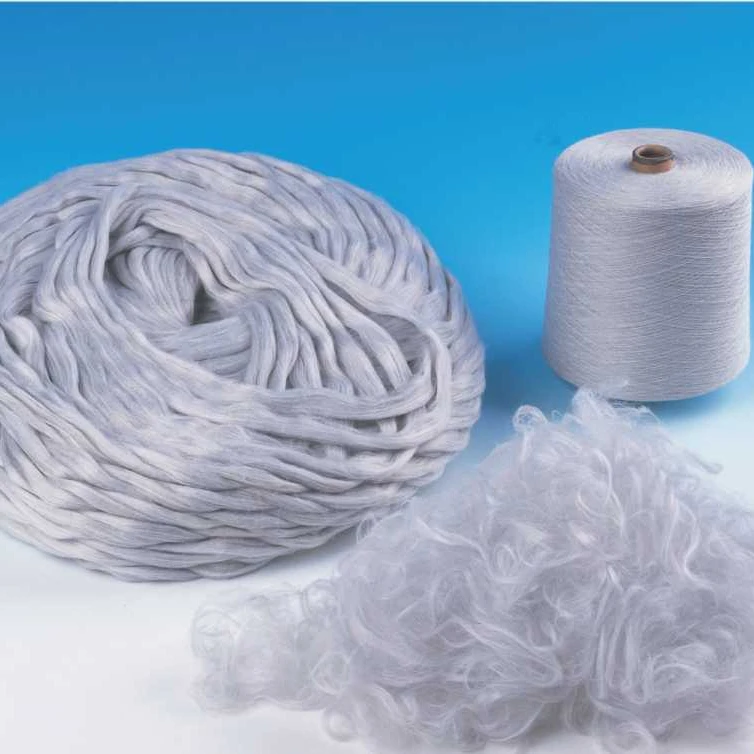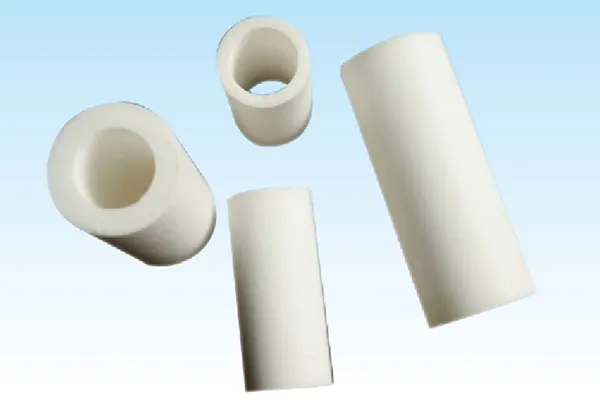
In the high-stakes environment of modern healthcare, where patient safety and infection control are paramount, every component within a medical device plays a vital role. Among these unsung heroes is the suction filter, a specialized barrier engineered to protect both patients and critical hospital infrastructure. Particularly in applications involving fluid collection and vacuum systems, the suction filter medical device becomes an indispensable safeguard. This article delves into the sophisticated applications, critical functions, and advanced technology behind these essential components, with a special focus on the innovative self-sealing suction filter. At POROYAL, our dedication to pioneering powder sintered porous filter technology is directly applied to the medical field. We engineer high-performance, reliable filtration solutions that address the complex challenges of medical device design, ensuring safety, efficiency, and compliance in operating rooms, emergency departments, and patient care units worldwide.
The Foundational Role of the Suction Filter in Medical Safety
The primary function of a suction filter in a medical setting is to act as a protective barrier within a suction line. During surgical procedures, wound drainage, or respiratory care, bodily fluids and aerosols are aspirated into collection canisters via a vacuum source. A standard suction filter medical device is strategically placed in this pathway to prevent these potentially hazardous liquids, solid debris, and microbial contaminants from traveling further upstream. By effectively capturing these materials, the filter safeguards the hospital's central vacuum system or portable suction pump from damage, clogging, and contamination. This protection is crucial for maintaining the integrity and longevity of expensive hospital equipment. Furthermore, it prevents cross-contamination between patients by ensuring that aspirated materials from one procedure are contained and cannot backflow into the system. The use of a reliable suction filter is therefore a fundamental infection control practice, forming a first line of defense in maintaining a sterile field and protecting public health infrastructure.
Advancements in Protection: The Self-Sealing Suction Filter Mechanism
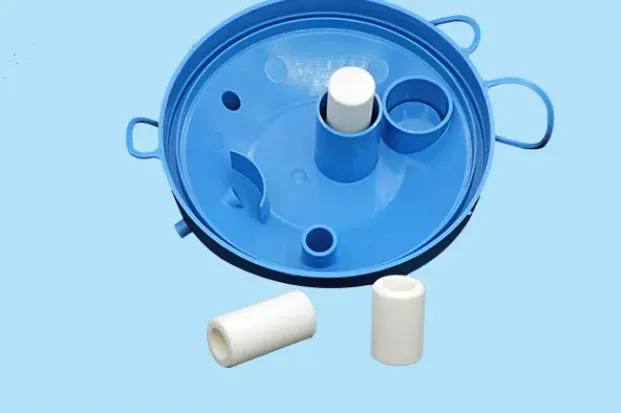
While a standard filter provides essential barrier protection, the innovative self-sealing suction filter represents a significant leap forward in safety and fail-safe operation. The defining feature of a self-sealing suction filter is its ability to automatically and instantaneously shut off the suction pathway the moment the filter media becomes saturated with liquid. This mechanism functions like an intelligent valve. Manufactured from advanced sintered porous materials like UHMW-PE (Ultra-High-Molecular-Weight Polyethylene), the filter allows air to pass freely under normal, dry conditions. However, when the collection canister is full and fluid reaches the filter element, the intricate pore structure of this suction filter medical component triggers an immediate physical change. The pores block, creating a secure seal that stops the further passage of both liquid and air. This automatic shutdown prevents dangerous fluid overflow into the vacuum lines, eliminating the risk of damaging the pump or contaminating the entire hospital vacuum system—a critical failure point that a conventional filter cannot address. The self-sealing suction filter ensures operational safety without requiring manual intervention from busy medical staff.
Material and Manufacturing Excellence for Suction Filter Medical Devices
The reliability of any suction filter, especially a self-sealing suction filter, hinges on the quality of its materials and the precision of its manufacturing. POROYAL leverages its core expertise in sintering technology to produce filters that meet the rigorous demands of medical applications. The material of choice is often medical-grade UHMW-PE, selected for its exceptional chemical resistance, biological inertness, and suitability for sterilization. The manufacturing process involves sintering precisely graded UHMW-PE powder particles under controlled conditions. This fuses the particles at their contact points, creating a monolithic, porous structure without the use of binders or adhesives that could leach out. This results in a suction filter medical component with consistent, engineered pore sizes that provide predictable filtration efficiency for aerosols and bacteria, while enabling the precise capillary action necessary for the self-sealing function. The sintered construction ensures the filter is robust, can withstand pressure differentials, and maintains its structural integrity throughout its service life, whether it’s used in a disposable liner system or a reusable canister assembly.
Parameter Specification / Description Relevance to Medical Application
|
Category |
Details |
|
Material |
UHMW - PE (Ultra - High - Molecular - Weight Polyethylene). Ensures biocompatibility, chemical resistance to bodily fluids and disinfectants, and enables the self - sealing function. |
|
Manufacturing Type |
Sintered Porous Filters. Creates a monolithic, binder - free structure with consistent, interconnected pores essential for reliable filtration and sealing. |
|
Primary Function |
Self - Sealing Valve Mechanism. Automatically shuts off the suction line when the filter gets wet, preventing fluid overflow and protecting vacuum systems. |
|
Key Protection Features |
1. Filters air to protect central vacuum system. 2. Protects vacuum pump from contaminants. 3. Acts as a barrier against bacteria. Safeguards hospital infrastructure, prevents cross - contamination, and enhances overall procedure safety and smoothness. |
|
Typical Use Case |
Suction Canisters/Liners. Integral component in surgical, post - operative, and emergency suction units for safe bodily fluid collection. |
|
Operational Principle |
Seals upon liquid contact. Allows free air flow when dry. Provides fail - safe, automatic operation without need for staff intervention, crucial in fast - paced medical environments. |
About Suction Filter Selection and Benefits Comprehensive FAQs
Understanding the nuances of suction filter technology is key to selecting the right component for your medical device or healthcare application. Here, we address the most frequently asked questions to guide your decision-making process.
What Is the primary advantage of a self-sealing suction filter?
The paramount advantage is its fail-safe, automatic overflow protection. Unlike a standard suction filter that will simply become clogged when wet, a self-sealing suction filter actively seals the vacuum line the instant fluid contact occurs. This eliminates the risk of hazardous bodily fluids being sucked into and damaging expensive hospital vacuum pumps or central systems, preventing costly repairs, system contamination, and potential biohazard exposure. It adds an essential layer of operational safety that protects both infrastructure and personnel.
How does a suction filter medical device enhance patient safety?
A suction filter medical device enhances patient safety by acting as a critical barrier against infection and cross-contamination. It filters out potentially infectious aerosols, bacteria, and particulate matter from the aspirated air before it is expelled or recirculated. This is especially crucial in protecting patients with compromised immune systems and in maintaining sterile environments during surgery. By preventing the backflow or migration of contaminants, it safeguards both the individual patient and others who may later use the same medical vacuum system.
Are self-sealing suction filters compatible with sterilization processes?
Yes, high-quality self-sealing suction filters made from materials like sintered UHMW-PE are designed to be compatible with standard medical sterilization methods. This includes modalities such as gamma irradiation, ethylene oxide (EtO) gas, and steam autoclaving (within the material's specified temperature limits, typically up to 80°C for UHMW-PE). This compatibility ensures that the filters can be integrated into reusable medical device assemblies or sterilized as part of hospital protocols without degradation of their filtering or self-sealing properties.
What materials are used in medical-grade suction filters?
Medical-grade suction filters are predominantly manufactured from biocompatible, inert polymers. Sintered UHMW-PE is a premier choice due to its excellent combination of properties: high chemical resistance to bodily fluids and disinfectants, inherent hydrophobicity (which aids the self-sealing function), mechanical strength, and purity with no leachable additives. This material, formed through a controlled sintering process, creates the consistent, reliable pore structure required for effective suction filter medical performance.
Why should I specify POROYAL suction filter omponents?
Specifying POROYAL means partnering with a specialist in sintered porous solutions for critical applications. Our dedicated Medical & Laboratory filtration division applies deep material science and engineering rigor to every suction filter and self-sealing suction filter we produce. We don't just supply parts; we collaborate to provide integrated, high-value solutions that enhance your device's safety, reliability, and performance. Our expertise ensures components that meet stringent medical standards and perform consistently under real-world conditions.
To ensure your medical devices incorporate the highest standard of protection, partner with POROYAL for your suction filter medical needs. Contact our engineering team today to discuss how our advanced self-sealing suction filter technology can be tailored to your specific application, delivering measurable success and unparalleled safety.
Post Time: Dec . 23, 2025 16:21