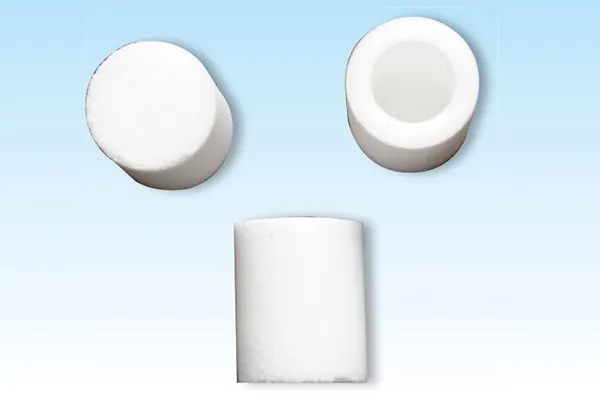
Understanding Tube Type Microns Metal Filters: Why They Matter Globally
It might sound like a niche product, but tube type microns metal filters play a surprisingly vital role in industries worldwide — from water treatment plants in developing nations to high-precision chemical processing in advanced factories. In brief, these filters are metal tubes engineered to filter particles based on micron size, ensuring the purity and safety of filtered materials. The global importance? Well, think about critical systems where even tiny impurities can cause catastrophic failures or health risks. Understanding these filters is key to improving manufacturing efficiency, environmental protection, and even humanitarian relief efforts. Let’s dig a little deeper, because the more you know, the better equipped you are to choose the right solution — maybe even save some headaches down the line.
The Global Context: Why Tube Type Microns Metal Filters Are Essential Today
The world’s ever-increasing demand for clean water, cleaner air, and more reliable industrial processes puts filters under the spotlight. According to the United Nations, over 2 billion people lack access to safely managed drinking water sources (source: UN Water Scarcity Report). Industrial sectors, including pharmaceuticals, petrochemicals, and food processing, rely heavily on filtration technologies to maintain product integrity and safety standards — especially ISO-certified facilities where particle contamination often breaches strict compliance benchmarks.
But here’s the twist — traditional media like carbon or polypropylene filters sometimes don’t hold up well under extreme temperatures, harsh chemicals, or pressure changes. That’s where tube type microns metal filters come in: durable, reusable, and highly efficient. They’re solving large-scale problems like industrial wastewater purification in Southeast Asia and helping emergency response teams provide safe drinking solutions after natural disasters.
So, What Exactly Is a Tube Type Microns Metal Filter?
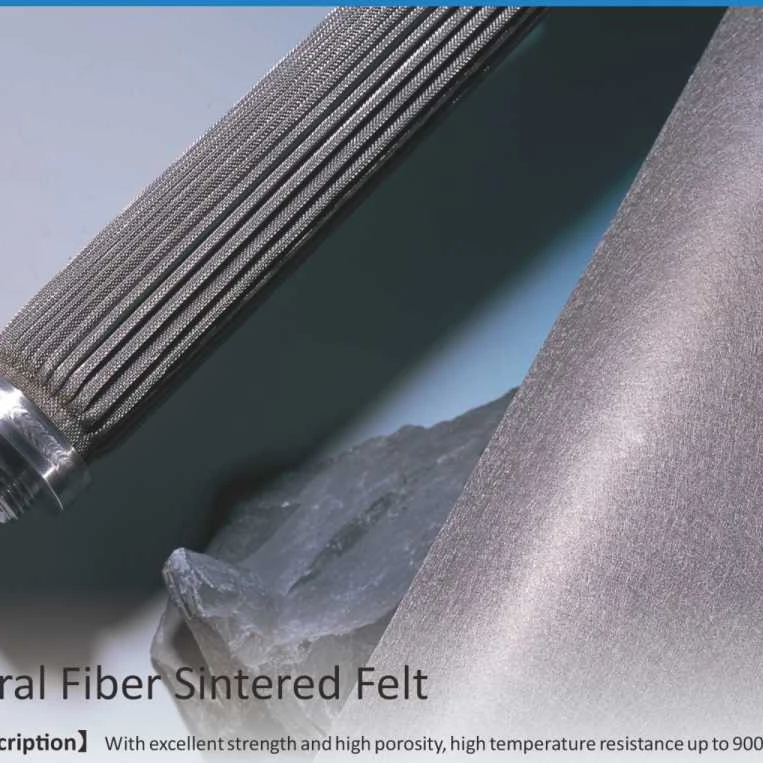
Simply put, these are tubular filters made of porous metal, designed to selectively filter particles based on a micron rating — which measures particle size, often in the range of 0.1 to 100 microns. Metal materials used can vary, including stainless steel, Inconel, or nickel alloys, depending on the toughness demanded by the application.
This connection between physical durability and microscopic precision is what makes them indispensable. For example, in biomedical research facilities or astronautical manufacturing, tiny particles can have huge downstream impacts, making these filters a critical part of the machinery.
Exploring Key Components and Features of Tube Type Microns Metal Filters
1. Durability
These filters withstand corrosion, extreme temperatures, and high pressures far better than typical polymer or ceramic alternatives. It makes a massive difference when filtering aggressive fluids or gases, where failure isn’t an option.
2. Precision Filtration
Thanks to the precise micron rating, engineers can control exactly which particles get through. This tight control reduces contamination, improves product consistency, and even helps in recycling and waste reduction.
3. Cleanability and Reusability
Unlike disposable filters, these metal tubes can be cleaned — sometimes via ultrasonic baths or backflushing — and reinstalled. That’s not only cost-effective but supports sustainability goals by reducing waste.
4. Scalability and Customization
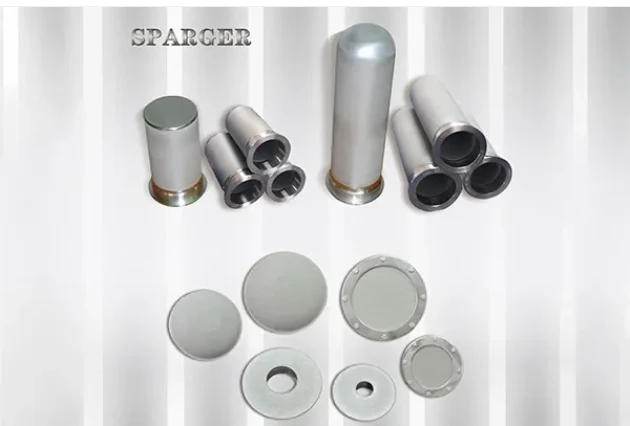
Manufacturers can create tube filters in various sizes and micron ratings. Whether you need a tiny filter for a lab instrument or large-scale industrial tubes measuring several meters, there’s flexibility.
5. Cost Efficiency Over Time
They may have a higher upfront cost, but the longevity and low maintenance costs often result in a favorable total cost of ownership.
Mini Takeaway:
- Tube type microns metal filters elegantly balance strength and fine filtration, making them versatile.
- Their ability to be cleaned and reused is a significant plus in both cost and environmental terms.
Global Applications: Real-World Impact of Tube Type Microns Metal Filters
From sprawling oil refineries in the Middle East to municipal water treatment plants across Europe and relief missions in the Caribbean, these filters do their quiet work. In regions prone to floods or hurricanes, emergency kits containing tube type microns metal filters help provide immediate potable water, preventing outbreaks of waterborne diseases.
- Industrial usage: Chemical manufacturers in Germany use these filters to ensure product purity in aggressive solvents.
- Environmental protection: Wastewater treatment plants in India employ them to remove particulate matter before discharge.
- Humanitarian efforts: NGOs operating in sub-Saharan Africa deploy filtered tube systems to guarantee safe drinking water post-disasters.
If you’re curious, check out how tube type microns metal filter solutions have been adopted across various sectors — some surprising, some straightforward.
Advantages and Long-Term Value of Choosing Tube Type Microns Metal Filters
What exactly do companies and governments gain? Let’s break it down:
- Robust Safety: Reduced risk of contamination keeps both products and consumers safe.
- Cost Savings: Reusability and durability mean less frequent replacements and downtime.
- Environmental Benefits: Less waste and efficient operation contribute to greener industrial processes.
- Trust and Innovation: Many markets prefer certified filtration, boosting brand reputation and compliance status.
Frankly, when you factor in maintenance savings and regulatory compliance, the investment feels less like a cost and more like future-proofing.
Emerging Trends and Innovations Shaping the Future
It’s not all old-school metal tubes. Engineers are experimenting with nanocoatings to improve filtration performance and reduce fouling. Digital sensors embedded directly into the tubes provide real-time data on clogging or pressure drops — a neat trick in automating maintenance routines.
Then there’s the push towards sustainability. Manufacturers are shifting to recyclable alloys and streamlining production using additive manufacturing techniques. Plus, with digital transformation touching every process, integration with IoT (Internet of Things) devices is making monitoring smarter and maintenance predictive rather than reactive.
Challenges & Solutions: Keeping Things Running Smoothly
Of course, nothing’s perfect. A few sticking points:
- Initial Cost: The upfront price tag can be intimidating — making it hard for smaller firms to adopt.
- Cleaning Complexity: Proper cleaning requires specific procedures; inadequate maintenance can reduce filter lifespan.
- Customization Lead Times: Highly specialized filters may take longer to produce.
Solutions? Leasing models help with investment hurdles, and training programs for maintenance crews are becoming standard. Meanwhile, rapid prototyping reduces lead time and allows for quicker customization cycles.
Product Specifications Table
| Feature | Specification |
|---|---|
| Material | Stainless Steel 316L / Inconel |
| Micron Rating Range | 0.1 - 100 microns |
| Max Operating Temp | 600°C (approx.) |
| Max Operating Pressure | 50 bar |
| Cleanability | Backflushing & Ultrasonic Cleaning |
| Dimensions | From 50mm diameter to 2 meters length (customizable) |
Comparing Leading Vendors of Tube Type Microns Metal Filters
| Vendor | Customization Options | Lead Time | Typical Application | Warranty |
|---|---|---|---|---|
| China Porous Filters | Full custom micron rating, size, & alloys | 4-6 weeks | Industrial & human aid filtration | 12 months |
| MetalTech Solutions | Standard sizes, limited alloys | 2-3 weeks | Chemical processing | 6 months |
| PureFilter Co. | Custom alloys & nano-coatings | 6-8 weeks | Pharmaceuticals & aerospace | 24 months |
FAQ: Common Questions About Tube Type Microns Metal Filter
Q1: How do I choose the right micron rating for my application?
Choosing the right micron rating depends on the size of the particles you want to remove. For example, water treatment typically requires 1-5 microns, while pharmaceutical filters may require sub-micron levels. Assess your fluid’s contamination profile and consult with filter experts to balance filtration efficiency and flow rates.
Q2: Can tube type metal filters handle high-temperature fluids?
Yes, one of the advantages of metal filters is their ability to operate at elevated temperatures – often up to 600°C depending on the alloy. This makes them ideal for chemical or petrochemical processes that involve hot fluids or gases.
Q3: What maintenance is required to keep these filters functional?
Regular cleaning via backflushing or ultrasonic methods is recommended. The frequency depends on usage and fluid type, but routine inspections and proper cleaning extend the filter’s lifespan significantly.
Q4: Are these filters cost-effective compared to disposable options?
While the initial investment is higher, tube type microns metal filters are reusable and durable, reducing replacement frequency. Over time, many users find they save on operational costs and waste management.
Q5: Can I customize the size and material to suit specific industrial needs?
Absolutely! Most vendors, especially those specializing in advanced metal filters, offer customization in dimensions, micron rating, and materials to fit a wide range of industrial or humanitarian applications.
In Closing: Why Tube Type Microns Metal Filters Are a Solid Long-Term Choice
Ultimately, tube type microns metal filters are much more than metal tubes — they’re a bridge between raw industrial might and microscopic precision. Their blend of durability, precision, and adaptability means they’ll keep playing a critical role in industries and humanitarian efforts worldwide, especially as sustainable and smart manufacturing become the norm.
If this has piqued your interest, don’t hesitate to explore comprehensive designs and custom solutions for your needs — visit https://www.chinaporousfilters.com for more information and expert guidance.
Quick Summary
- Tube type microns metal filters solve complex filtration challenges globally.
- They excel because of their durability, precision, and reusability.
- Innovations like digital sensors and nanocoatings are on the horizon.
- Smart choices here improve safety, sustainability, and cost efficiency.
References:
1. UN Water Scarcity Report
2. ISO Standards on Filtration
3. Filtration - Wikipedia
Post Time: Nov . 29, 2025 18:40