Understanding Sintered Polyethylene Filters: A Comprehensive Guide
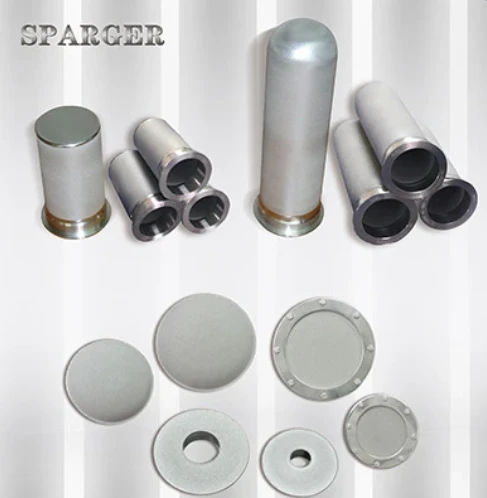
Sintered polyethylene filters are a crucial component in numerous industrial applications, offering exceptional filtration capabilities and durability. These filters excel in environments requiring resistance to chemicals, high temperatures, and demanding flow rates. This article will explore the characteristics, benefits, applications, and considerations when choosing a sintered polyethylene filter, providing a detailed overview for engineers, procurement specialists, and industry professionals. Understanding the nuances of these filters is key to optimizing performance and ensuring the longevity of your systems.
What are Sintered Polyethylene Filters?
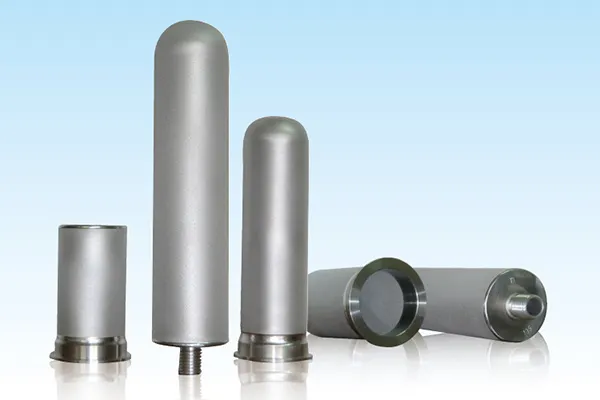
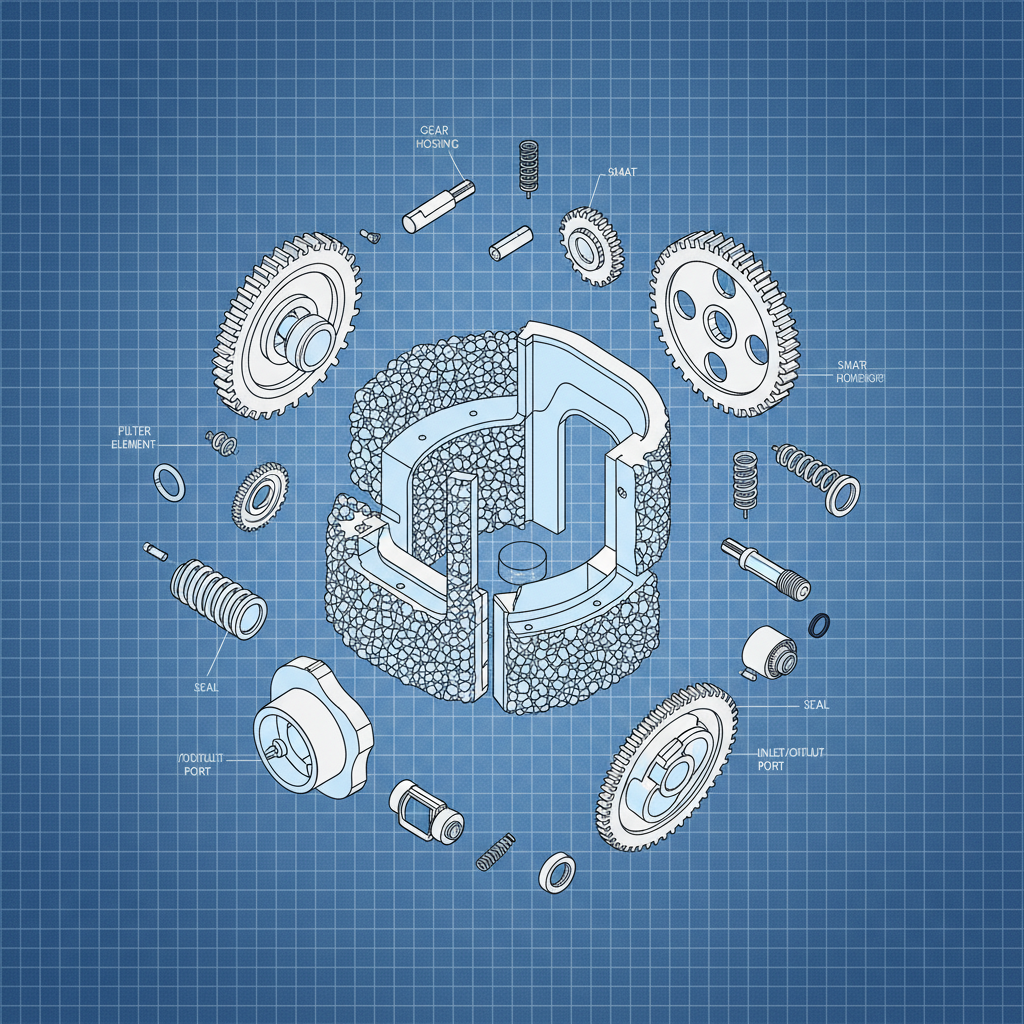
Sintered polyethylene filters are created through a process where polyethylene powder is heated and compressed under high pressure. This process fuses the particles together, forming a solid, porous structure. The resulting filter boasts interconnected pores that provide a large surface area for efficient filtration. Unlike woven or bonded filters, sintered polyethylene filters have no adhesives or binders, eliminating the risk of contamination. The density and pore size can be precisely controlled during manufacturing, tailoring the filter to specific application requirements. These filters offer a superior alternative for applications where other materials may fail.
Key Highlights: No adhesives or binders, eliminating contamination. Density and pore size are precisely controlled. Offers exceptional chemical resistance and durability.
Key Benefits of Using Sintered Polyethylene Filters
Sintered polyethylene filters offer a multitude of benefits over traditional filtration materials. They exhibit excellent resistance to a wide range of chemicals, including acids, alkalis, and solvents. Their inherent thermal stability allows for use in high-temperature applications. Furthermore, these filters are mechanically strong and can withstand high differential pressures. The uniform pore structure provides consistent filtration performance and long service life. Finally, they are lightweight and relatively inexpensive to manufacture, making them a cost-effective solution for many industries. Choosing a high-quality sintered polyethylene filter will ensure optimal performance in your application.
Benefits at a Glance:
• Exceptional chemical resistance
• High temperature stability
• Mechanical strength and durability
• Consistent filtration performance
Sintered Polyethylene Filter: Applications Across Industries
The versatile nature of sintered polyethylene filters makes them suitable for a diverse range of applications. In the chemical processing industry, they are used for filtering corrosive liquids and gases. In the pharmaceutical industry, they provide sterile filtration for critical processes. They are commonly employed in the food and beverage industry for clarifying liquids and removing impurities. Furthermore, these filters find applications in the automotive industry for fuel filtration and air intake systems. Due to their robust characteristics, they also serve well in water treatment and environmental applications. Explore our range of filters to find the perfect fit for your needs.
Comparing Sintered Polyethylene with Other Filter Materials
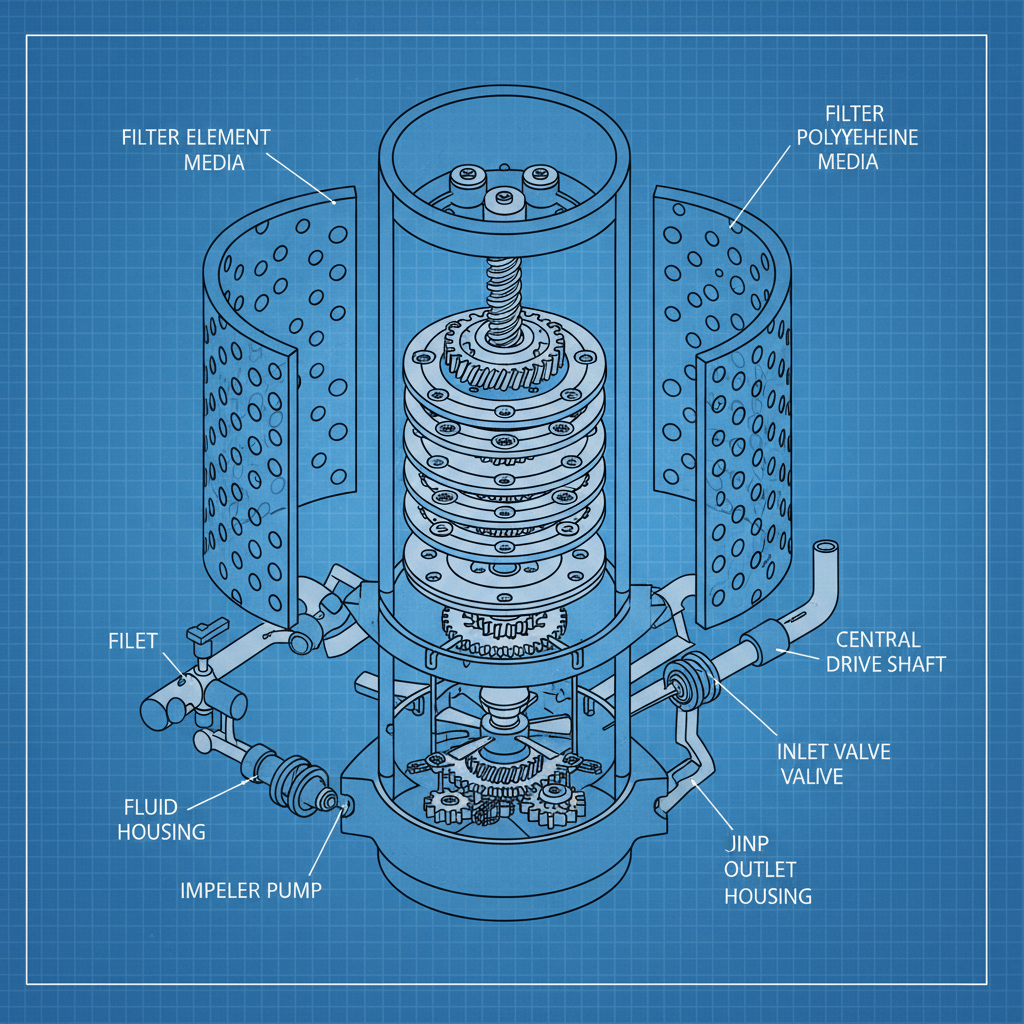
When selecting a filter material, it's crucial to consider the specific application requirements. While materials like polypropylene and PTFE offer certain advantages, sintered polyethylene often outperforms them in demanding environments. Polypropylene has lower temperature resistance, and PTFE can be more expensive. Sintered polyethylene balances performance, cost, and durability effectively. The following table provides a detailed comparison:
Choosing the Right Sintered Polyethylene Filter: Key Considerations
Selecting the appropriate sintered polyethylene filter requires careful consideration of several factors. The first is pore size, which dictates the particle retention capability. Next, consider the filter's dimensions and shape to ensure compatibility with your existing system. The fluid compatibility must also be verified to ensure the filter material won’t degrade. Finally, the pressure drop across the filter is an important parameter to optimize for efficient operation. Contact our experts for assistance in selecting the ideal filter for your specific needs.
Conclusion: The Power of Sintered Polyethylene Filtration
Sintered polyethylene filters represent a robust and versatile solution for a wide array of filtration challenges. Their exceptional chemical resistance, thermal stability, and mechanical strength make them ideal for demanding industrial applications. By understanding their benefits and considerations, you can make an informed decision that optimizes performance and protects your valuable equipment.
Frequently Asked Questions (FAQs)
What is the typical service life of a sintered polyethylene filter?
The service life of a sintered polyethylene filter varies significantly depending on the application, fluid composition, and contaminant load. Generally, these filters can last from several months to several years with proper maintenance. Regular inspection and cleaning are crucial to maximize their lifespan. When the pressure drop across the filter increases significantly or the filtration performance degrades, it's time to replace the filter. Proper pre-filtration can also extend the service life by removing larger particles and reducing the load on the sintered polyethylene filter.
Can sintered polyethylene filters be cleaned and reused?
Depending on the nature of the contaminants, some sintered polyethylene filters can be cleaned and reused. Backwashing with a compatible solvent or ultrasonic cleaning can effectively remove surface contaminants. However, it’s crucial to ensure the cleaning process doesn't damage the filter structure. Filters contaminated with viscous or chemically reactive substances may not be suitable for cleaning and should be replaced. Always consult the manufacturer's recommendations for cleaning procedures.
What pore sizes are available for sintered polyethylene filters?
Sintered polyethylene filters are available in a wide range of pore sizes, typically from 0.2 microns to 100 microns. The specific pore size required depends on the application and the size of the particles being filtered. Smaller pore sizes offer finer filtration but can result in higher pressure drop. Our team can help you determine the optimal pore size for your needs.
Are sintered polyethylene filters suitable for hot gas filtration?
Yes, sintered polyethylene filters can be used for hot gas filtration, but it's essential to select a filter with a sufficient temperature rating. While polyethylene generally has good thermal stability, prolonged exposure to high temperatures can cause degradation. Filters designed specifically for hot gas applications often incorporate additional materials or coatings to enhance their thermal resistance. It’s vital to verify the filter's temperature limitations and ensure they align with the operating conditions.
Post Time: Jan . 27, 2026 18:35