Selecting the right medical filter manufacturers is a critical decision for healthcare device designers and procurement specialists who must balance strict sterility requirements with operational efficiency. In the high-stakes environment of medical equipment manufacturing, the filtration component often serves as the primary barrier against contamination, making the precision of the manufacturer a non-negotiable factor in patient safety.
The core challenge lies in finding components that maintain pressure balance while preventing liquid leakage, particularly in specialized applications like drainage systems. Inconsistent pore distribution or material failure in a hydrophobic plug can lead to systemic leakage, compromising the integrity of the medical procedure and increasing the risk of healthcare-associated infections.
This professional analysis provides a framework for evaluating filtration suppliers, examining the technical requirements for hydrophobic vents, and offering a decision-making matrix to help buyers align manufacturer capabilities with specific medical application needs.

Critical Role of Precision in Medical Filtration

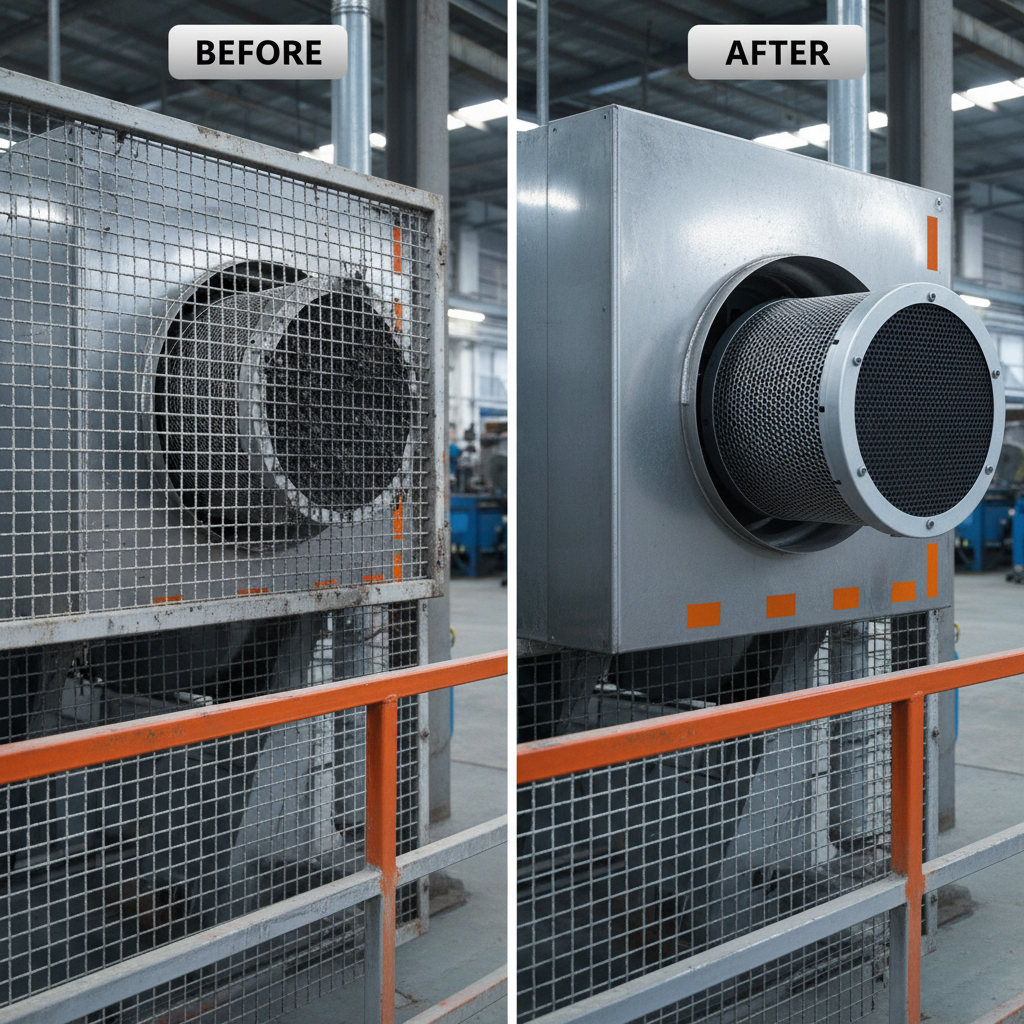
In the specialized field of environmental and pollution control equipment for medical use, the precision of porous materials determines the success of the entire system. Medical filter manufacturers must produce components with highly controlled porosity to ensure that air can pass through while liquids are completely blocked, a requirement essential for venting chambers in medical bags.
POROYAL addresses these needs by integrating research and development in powder sintered porous filter technology. By focusing on the intersection of material science and medical requirements, the production of sintered filters allows for a level of dimensional accuracy and pore uniformity that traditional membrane filters often struggle to maintain under pressure.
Hydrophobic Vents: Engineering Leakage Prevention
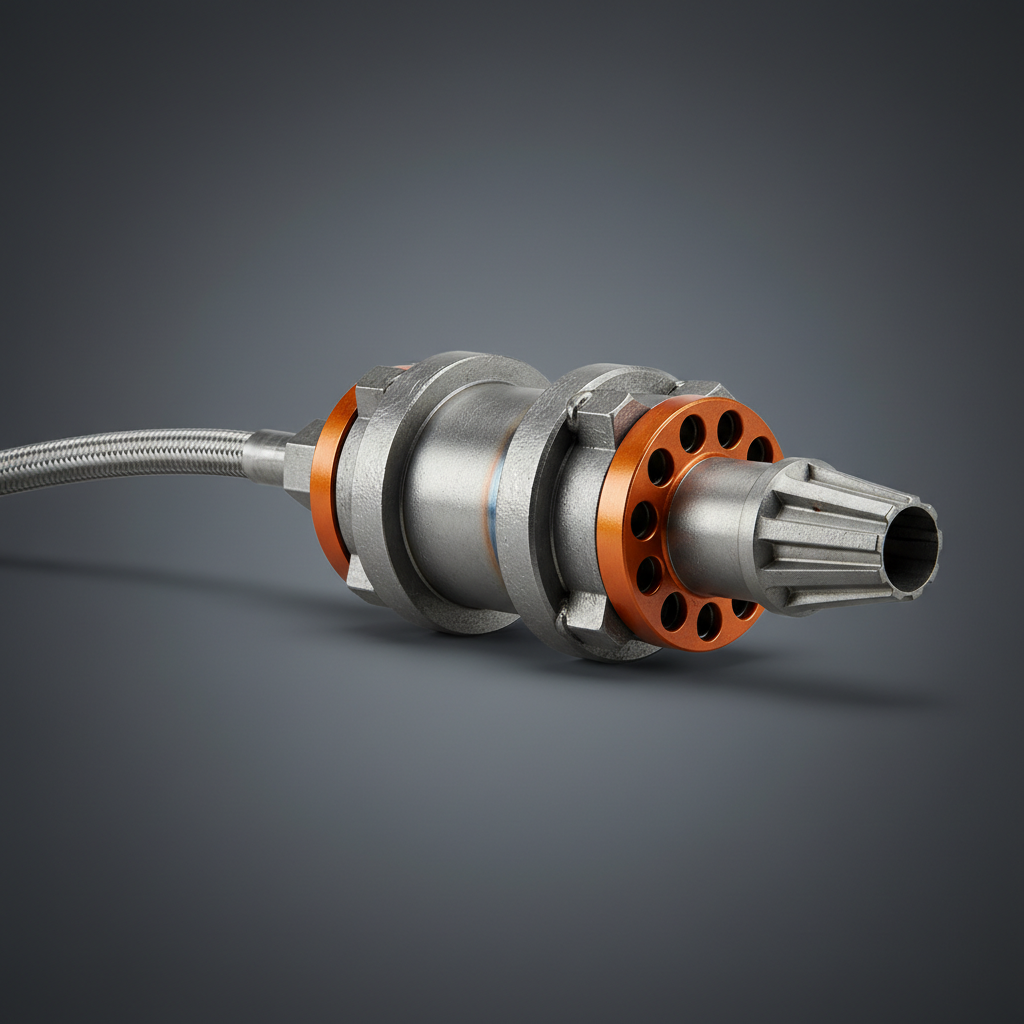
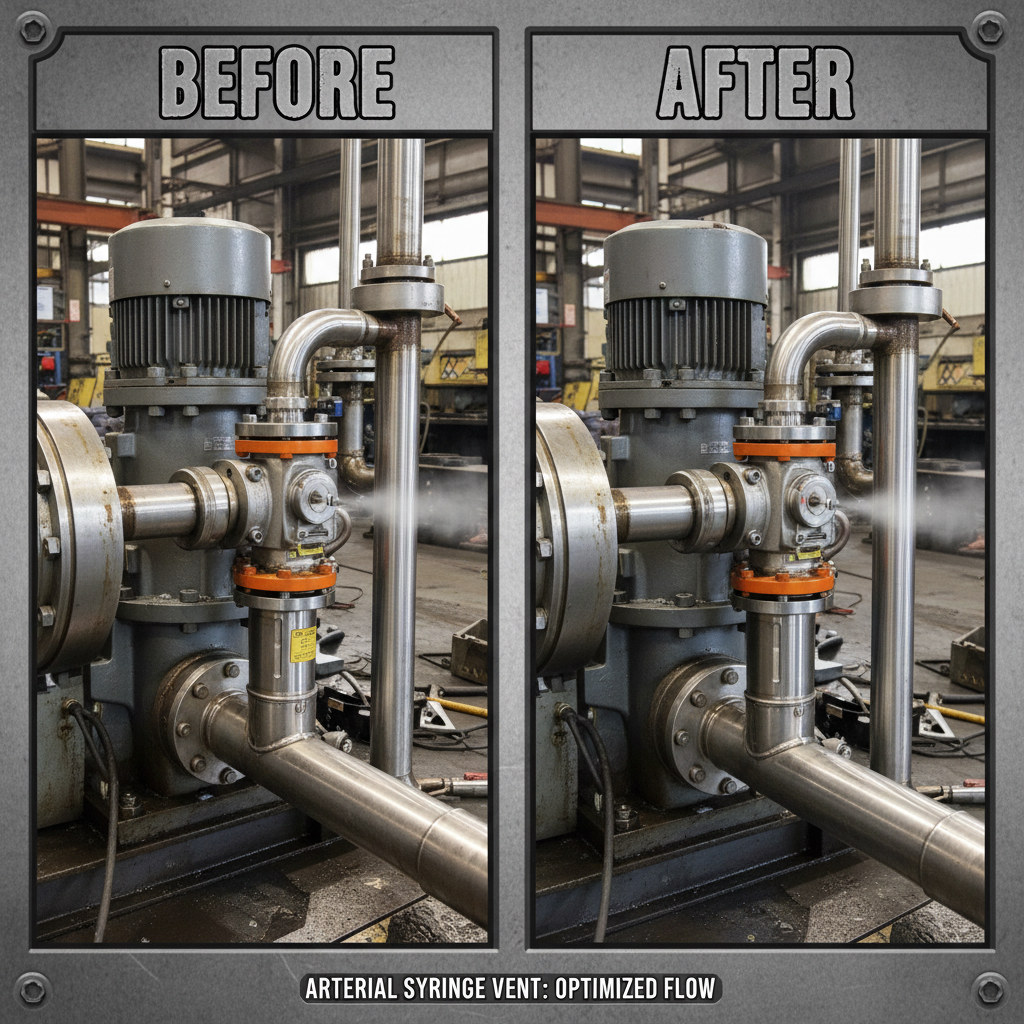
A critical component in medical drainage systems is the drainage bag vent, which functions as a hydrophobic plug. The primary objective is to avoid liquid leakage from the drainage bag while allowing the bag to "breathe," ensuring that the pressure balance is maintained during the filling process. This prevents the bag from collapsing or over-pressurizing, which could otherwise lead to catastrophic failure of the seal.
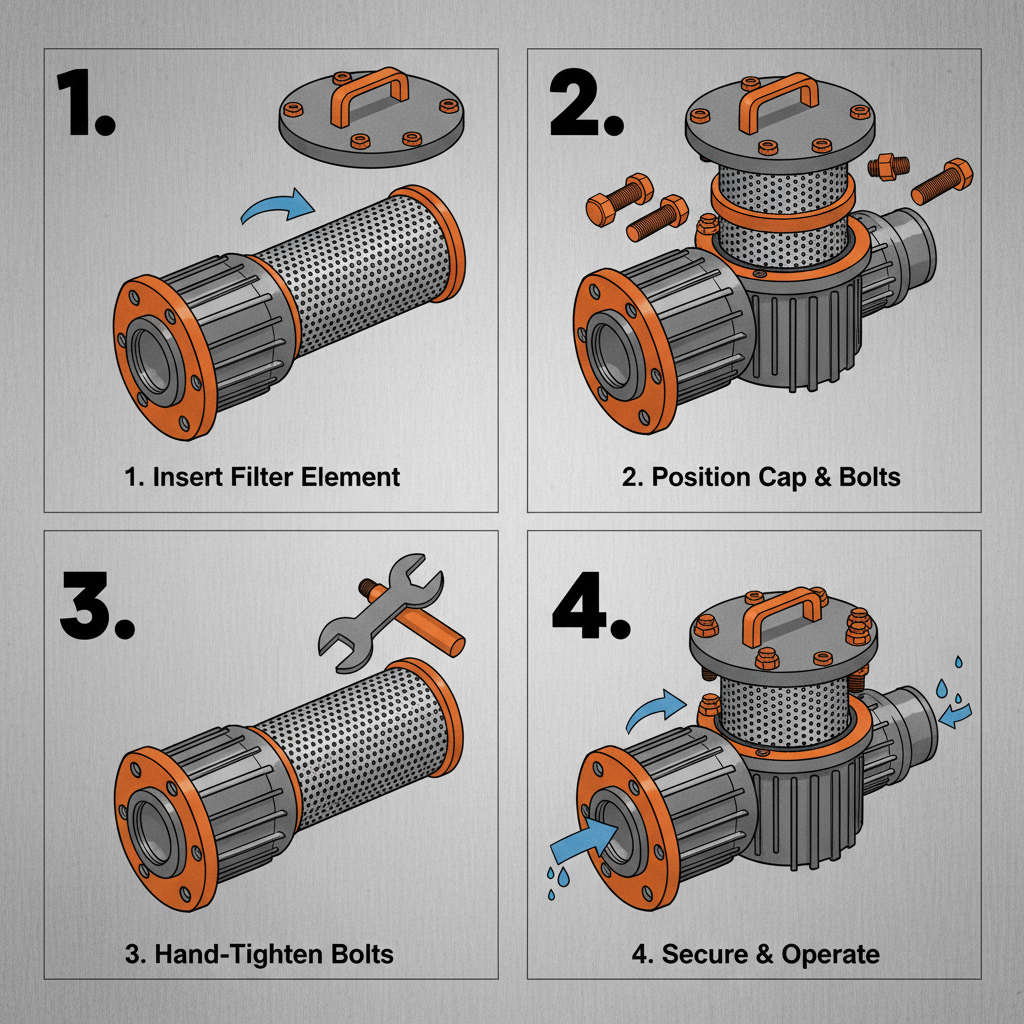
To achieve this, these vents are precisely assembled and press-fit into the venting chamber according to exact dimensions. This tight tolerance ensures that the plug remains secure during the draining procedure and is easy to operate, facilitating the rapid change of bags without compromising the sterile environment or risking spills.
Material Selection for Medical Sintered Filters
The choice of material is the most significant factor in determining a filter's chemical compatibility and lifespan. Medical and lab filters often require materials that can withstand rigorous sterilization processes (such as autoclaving) and contact with aggressive pharmaceutical agents. Metal sintered porous filters and plastic sintered porous filters offer different advantages depending on the thermal and chemical environment.
For extreme environments, options like Titanium, Nickel, and Zirconium are utilized due to their superior corrosion resistance. Meanwhile, plastic sintered solutions are often preferred for disposable medical components where cost-efficiency and specific hydrophobic properties are required to prevent liquid ingress in ventilation ports.
Evaluating Manufacturer Technical Capabilities
When assessing medical filter manufacturers, procurement teams should look beyond basic product lists and evaluate the technical framework of the production process. A manufacturer's ability to control the sintering process directly impacts the consistency of the filter's bubble point and flow rate, which are critical for ensuring the vent does not leak under operational pressure.
The illustrative index above represents the relative priority of technical dimensions when selecting a medical filter supplier. Dimensional accuracy and material purity are typically weighted higher than general production capacity because a single micron of deviation in a press-fit vent can result in a failed medical device.
Matching Filter Solutions to Clinical Use Cases
Different clinical applications demand different filtration architectures. For laboratory environments, the focus is often on high-purity filtration and the removal of microscopic particulates. In contrast, in-patient drainage systems prioritize the hydrophobic "plug" effect to prevent the leakage of biological fluids while maintaining an open airway for pressure equalization.
Effective solutions integrate specialized materials—such as metal fibers or sintered plastics—to meet these specific goals. For instance, a metal fiber filter might be used in a reusable lab instrument for its durability and cleanability, whereas a sintered plastic vent is ideal for a single-use drainage bag where hydrophobic performance is the primary safety requirement.
Risk Mitigation in Supplier Procurement
Procurement risks in medical filtration often stem from "batch variance," where the first thousand units meet specifications, but subsequent lots show drift in pore size or fit. To mitigate this, buyers must ensure the manufacturer employs a rigorous sintering control process and provides detailed dimensional reports for press-fit components.
Another common risk is the mismatch between the material's hydrophobic rating and the actual fluid viscosity of the medical application. Buyers should request empirical data on liquid penetration and air permeability to ensure that the "hydrophobic plug" will actually function under the maximum expected pressure of the drainage system.
Manufacturer Evaluation Decision Matrix
To streamline the selection of medical filter manufacturers, the following conceptual matrix compares different technological approaches based on typical medical requirements. This framework helps in identifying whether a sintered metal, sintered plastic, or fiber-based solution is most appropriate for the target device.
| Material Type | Primary Strength | Best Application | Main Limitation |
|---|---|---|---|
| Sintered Plastic | Hydrophobicity | Drainage Bag Vents | Lower Temp Limit |
| Sintered Metal | Durability | Lab Autoclave Filters | Higher Cost |
| Metal Fiber | High Flow Rate | Industrial Med-Gas | Complex Sealing |
| Titanium/Nickel | Corrosion Resistance | Specialized Implants | Material Rarity |
| Hydrophobic Plug | Leak Prevention | Pressure Venting | Single-Use Focus |
| Porous Zirconium | Chemical Inertness | High-End Diagnostics | Difficult Machining |
Ultimately, the decision should be driven by the specific failure mode the designer is trying to avoid. If the primary risk is liquid leakage during drainage, a manufacturer specializing in hydrophobic sintered plastics with precise press-fit capabilities is the optimal choice.
Frequently Asked Questions
The vent acts as a hydrophobic plug that allows air to pass through to maintain pressure balance while preventing any liquid from leaking out of the drainage bag, ensuring sterile and safe fluid collection.
Sintered filters are created by fusing powder particles under heat and pressure, resulting in a more robust structure with higher mechanical strength and better dimensional stability for press-fit applications compared to thin membranes.
Titanium, Nickel, and Zirconium are highly recommended for applications requiring extreme chemical resistance and biocompatibility in harsh laboratory or internal medical environments.
Precise press-fitting ensures there are no gaps between the filter plug and the venting chamber, which is essential to prevent leakages at any stage of the draining procedure.
Evaluate their ability to control pore size, their experience with hydrophobic materials, their dimensional tolerance capabilities for assembly, and their range of sintered material options (Metal, Plastic, Titanium).
Yes, depending on the material. Hydrophobic filters are designed specifically to block liquids while allowing air, whereas hydrophilic or metal sintered filters are used for liquid filtration or high-temperature air filtration.
Conclusion
The reliability of medical drainage and laboratory systems depends heavily on the precision and material integrity provided by medical filter manufacturers. By focusing on critical factors such as hydrophobic performance, sintered material purity, and exact dimensional tolerances for press-fit assemblies, engineers can significantly reduce the risk of leakage and contamination in clinical settings.
For organizations seeking advanced porous material solutions for medical and laboratory filtration, detailed product specifications and technical capabilities can be reviewed at www.chinaporousfilters.com to ensure alignment with specific project requirements.