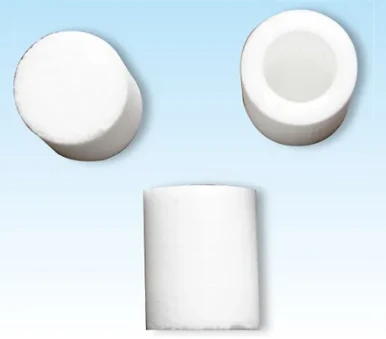
Understanding Stainless Steel Tubular Spargers: Why They Matter Worldwide
At first glance, a stainless steel tubular sparger might sound like some niche industrial gadget. But it’s actually a quietly vital component across a range of industries worldwide. From water treatment plants ensuring safe drinking water, to chemical reactors demanding precise gas dispersion, spargers play a pivotal role in optimizing processes that affect millions of people daily. Understanding these devices isn’t just about tech specs — it’s about grasping how efficient gas-liquid mixing, corrosion resistance, and durability come together to impact economies, environments, and societies at large.
Globally, as demands for sustainable manufacturing and clean technologies rise, devices like stainless steel tubular spargers become critical. They help industries reduce waste, improve energy efficiency, and maintain safety standards, often under challenging conditions.
The Global Context: Why Stainless Steel Tubular Spargers Are Key Players
Worldwide industrial output is expanding steadily — the UN Industrial Development Organization notes a consistent growth in sectors requiring advanced filtration and gas dispersion. In places like Southeast Asia and Europe, stricter environmental regulations are driving adoption of equipment that can reliably manage complex fluid systems.
Yet the challenge remains: how to maintain efficiency and durability in harsh settings? Corrosion, mechanical wear, and contamination can degrade simpler devices rapidly. Here, stainless steel tubular spargers come in, marrying robustness with precision, crucial for everything from wastewater aeration in drought-prone regions to fermenters in pharmaceutical labs.
Mini takeaway:
Stainless steel tubular spargers are far from just “another pipe.” They’re foundational tech bridging industry demands with environmental stewardship globally.
Defining Stainless Steel Tubular Spargers
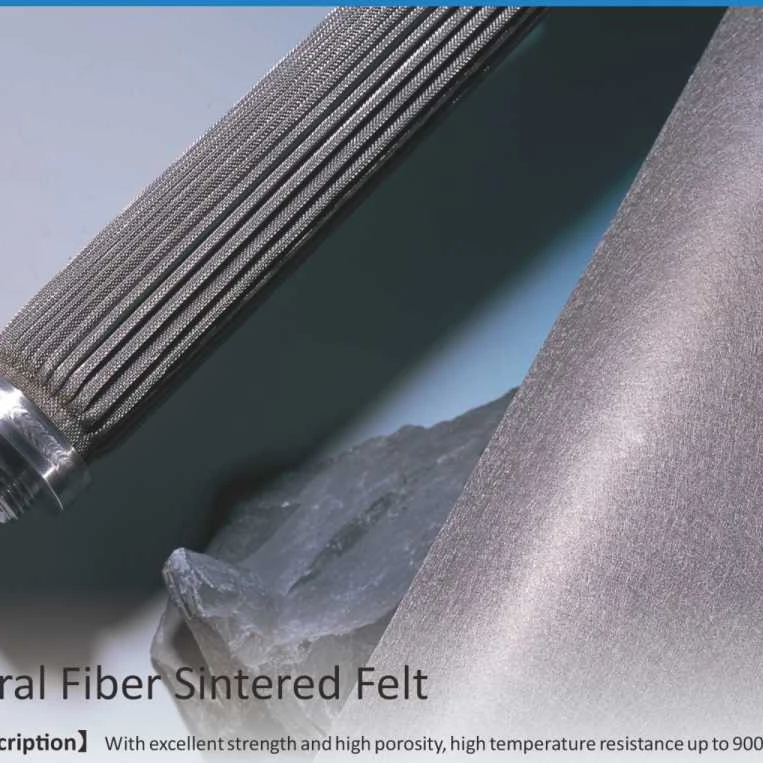
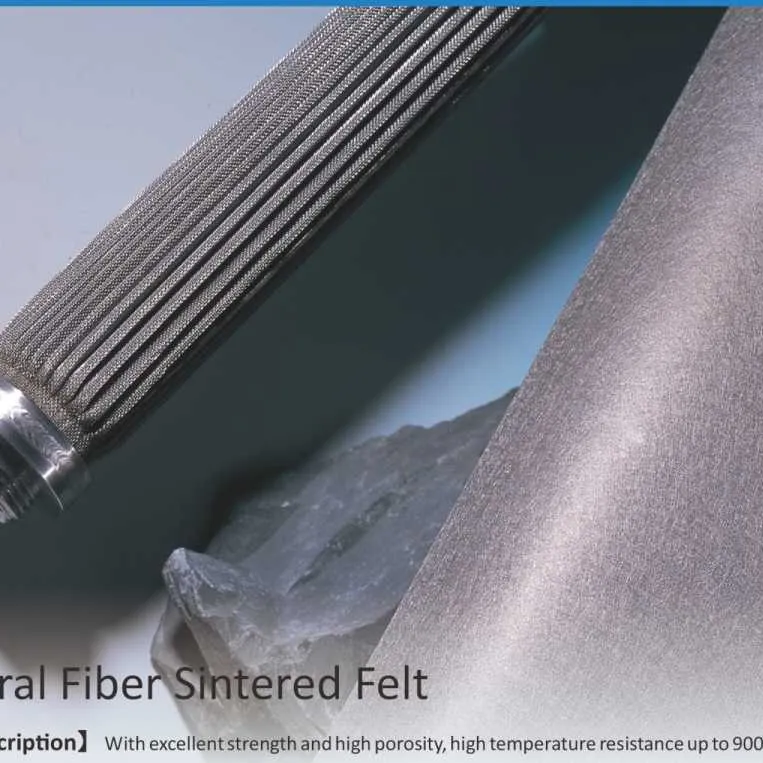
Simply put, a stainless steel tubular sparger is a hollow metal tube designed with small perforations or porous sections. Its primary function is to introduce gas (like oxygen or air) uniformly into a liquid, creating fine bubbles for efficient mixing or aeration.
The choice of stainless steel is no accident. This metal’s resistance to corrosion, heat, and chemical attack ensures the sparger continues performing reliably, even in harsh industrial and humanitarian settings. Consider water treatment plants in remote or disaster-hit areas – a malfunctioning sparger isn’t just a production hiccup; it’s a serious risk to public health.
Why it matters beyond industry
Such devices also serve humanitarian missions, for instance in post-disaster water purification systems or portable sewage setups. The reliability of a stainless steel tubular sparger means safer water and cleaner environments for vulnerable populations worldwide.
Key Factors that Make Stainless Steel Tubular Spargers Work
1. Durability & Corrosion Resistance
Stainless steel grades like 304 or 316 resist rust and chemical degradation, offering longevity where other materials falter. In salty, acidic, or high-temperature environments, this characteristic is indispensable.
2. Precision Gas Dispersion
The tubular design with calibrated perforations ensures gas bubbles disperse evenly. This uniformity enhances reaction times in bioreactors or cleansing efficacy in aeration tanks.
3. Scalability & Customization
From small lab setups to sprawling municipal plants, these spargers scale neatly. Custom tubing lengths, hole sizes, and tube diameters enable engineers to tailor devices for exact applications.
4. Cost Efficiency Over Time
Despite an initially higher cost compared to plastic alternatives, stainless steel’s longevity and reduced maintenance often make it the more economical choice long-term.
5. Easy Integration with Existing Systems
Engineers praise tubular spargers for their straightforward installation and compatibility with standard piping and reactors.
Mini takeaway:
Quality stainless steel tubular spargers balance durability, precision, and adaptability, making them versatile heroes in tough jobs.
Global Applications & Use Cases
You’ll find these spargers quietly aiding processes in water treatment plants in South America, where controlling dissolved oxygen is essential; in Asia’s pharmaceutical fermentation labs ensuring consistent drug quality; or even in food production lines in Europe improving carbonation.
Relief organizations utilize them too—after natural disasters, portable water treatment units equipped with stainless steel tubular spargers can be deployed rapidly, providing safer drinking water.
Unofficial case example: In 2022, a water treatment NGO operating in a cyclone-hit region of Bangladesh credited stainless steel spargers with enabling a 30% faster restoration of safe water supply, thanks to their resilience in salty floodwaters.
Mini takeaway:
This technology’s international footprint highlights how diverse fields depend on precision and reliability for critical outcomes.
Advantages & Long-Term Value
- Cost Savings: Lower maintenance and replacement rates reduce downtime and expenses.
- Environmental Sustainability: Efficient gas dispersion improves processes, cutting energy use and emissions.
- Health & Safety: Reliable materials mean fewer contaminations and safer water or product quality.
- Trust & Confidence: In regulated industries, dependable components support compliance and customer trust.
On an emotional note, operators often talk about peace of mind — knowing their plants run smoothly, staff stay safe, and communities get clean water or medicines.
Future Trends and Innovations
The tech surrounding stainless steel tubular spargers isn’t standing still. Innovations include:
- Smart coatings: Anti-fouling and antimicrobial layers that extend lifespan.
- Advanced manufacturing: 3D printing techniques enabling complex perforation patterns for customized bubble sizes.
- Integration with digital sensors: Real-time monitoring of gas flow, bubble size, and sparger wear for predictive maintenance.
- Sustainability focus: Development of recycled stainless steel spargers to enhance circular economy goals.
Industry insiders expect that within five years, digital twins and AI-powered maintenance will become standard, transforming how these devices are managed.
Challenges & Practical Solutions
No device is without hurdles. Common issues include clogging of sparger holes due to scale or biofilm, and higher upfront costs versus polymer alternatives.
Solutions? Experts recommend regular cleaning protocols, adopting self-cleaning coatings, and performing lifecycle cost analyses rather than just initial purchase comparisons. Some firms now offer modular spargers that can be swapped in sections, making repairs less intrusive.
Product Specification Table
| Specification | Typical Value/Range | Notes |
|---|---|---|
| Material Grade | 304, 316 Stainless Steel | Corrosion and chemical resistance |
| Tube Diameter | 10-50 mm | Customized per application |
| Hole Diameter | 0.3-1.5 mm | Controls bubble size |
| Operating Temperature | -20°C to 300°C | Suitable for harsh environments |
| Pressure Range | Up to 20 bar | Typical for water and chemical processing |
Vendor Comparison Table
| Vendor | Material Options | Customization Level | Pricing | Delivery Speed |
|---|---|---|---|---|
| Global Sparger Co. | 304, 316 Stainless Steel | High - bespoke models | Premium | 4-6 weeks |
| PureFlow Systems | 316 Stainless Steel only | Medium | Mid-range | 3-5 weeks |
| EcoSparger Ltd. | Recycled Stainless Steel | Low - standard sizes | Budget | 2-3 weeks |
FAQ: Common Questions on Stainless Steel Tubular Spargers
Q1: How do stainless steel tubular spargers improve efficiency in water treatment plants?
A1: Their precise gas dispersion ensures oxygen is evenly introduced into wastewater, accelerating biological treatment processes, reducing energy consumption, and improving output quality. They resist corrosion which is crucial given the acidic or saline environments often encountered.
Q2: Can these spargers handle high-temperature industrial environments?
A2: Absolutely. Most stainless steel tubular spargers operate safely up to around 300°C, thanks to their heat-resistant alloys, making them suitable for chemical reactors, fermentation, or power plant systems.
Q3: Are stainless steel tubular spargers customizable for different industries?
A3: Yes, manufacturers commonly tailor tube length, hole size, and material grade to match specific requirements, whether for pharmaceuticals needing sterile conditions or food processing looking for GMP-compliance.
Q4: What maintenance do these spargers require in challenging environments?
A4: Periodic cleaning to remove scale or biofilm buildup is essential. Techniques vary from manual scrubbing to automatic back-flushing systems. Coatings and modular designs now help ease maintenance loads.
Q5: How do the upfront costs compare to plastic or ceramic spargers?
A5: Stainless steel spargers tend to have higher initial costs but offer longer service life and better durability, often resulting in lower total cost of ownership over time.
Conclusion: Long-term Value and Next Steps
Investing in quality stainless steel tubular spargers is an investment in reliability, sustainability, and peace of mind — whether you manage industrial processes, municipal water, or humanitarian projects. Their proven track record and evolving innovations ensure they remain indispensable for decades to come.
If you’re looking for detailed specifications, expert advice, or customization options, visit our partner site for stainless steel tubular sparger solutions: https://www.chinaporousfilters.com
Final thought:
Sometimes, it’s the humble components behind the scenes that make the biggest difference — stainless steel tubular spargers quietly sparging away behind the scenes, keeping things flowing smoothly.
References:
- United Nations Industrial Development Organization (UNIDO), Industrial Statistics and Trends, 2023.
- ISO 11133: Microbiology of Food, Animal Feed and Water—Preparation, Production, Storage and Performance Testing of Culture Media, 2021.
- Wikipedia: Sparger
Post Time: Nov . 30, 2025 22:10