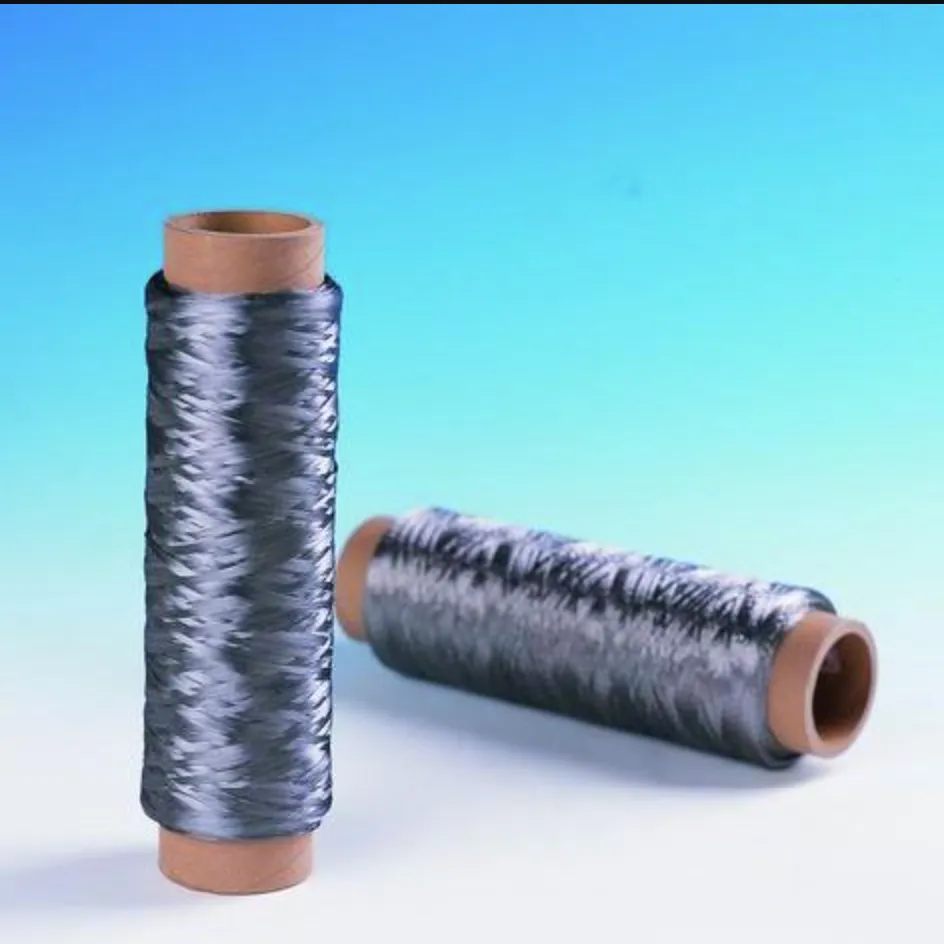
Stainless Steel Sintered Filter is a key solution in the industry, specifically within filtration, chemical processing, and automotive sectors, among others. This article explores how https://www.chinaporousfilters.com supports professionals with durable, high-performance products, and explains why this product is an ideal choice for businesses in these sectors.
Table of Contents
- Stainless Steel Sintered Filter Overview
- Benefits & Use Cases of Stainless Steel Sintered Filter
- Cost, Maintenance & User Experience
- Sustainability & Market Trends
Stainless Steel Sintered Filter Overview
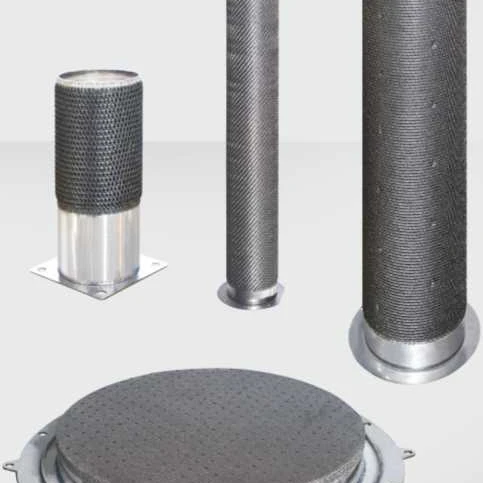
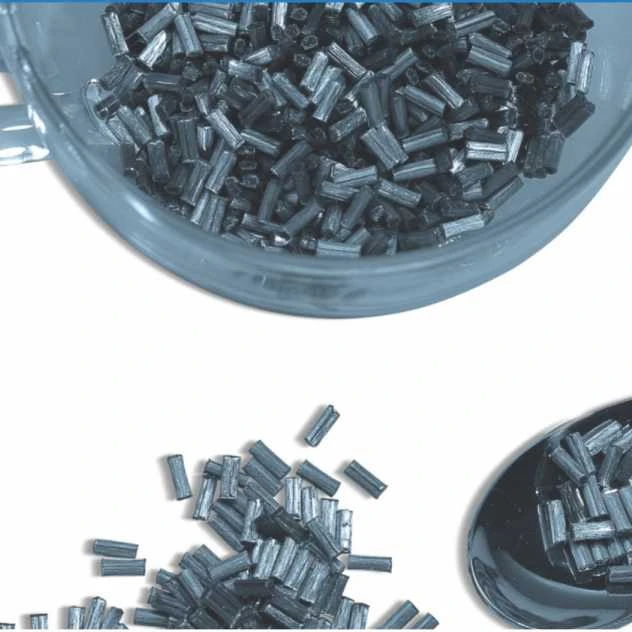
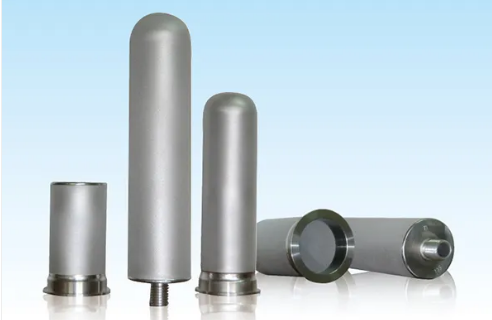
You might have encountered filters made from mesh or cloth, but a Stainless Steel Sintered Filter is rather different. It's crafted by sintering—basically fusing powdered stainless steel particles at high temperature—creating a strong porous structure that can endure extreme conditions. This process results in filters that maintain structural integrity even under high pressures and temperatures, making them invaluable for industries like petrochemicals, pharmaceuticals, and automotive manufacturing. Frankly, the combination of durability and precision filtration is hard to beat.
- The powder metallurgy technique provides customizable porosity, ranging typically from 0.5 to 150 microns depending on the particle size and sintering parameters.
- For example, a case study from a chemical processing plant showed how switching to sintered stainless steel filters cut maintenance downtime by 30% in corrosive environments, thanks to the material's corrosion resistance.
| Specification | Details |
|---|---|
| Material | 304, 316L Stainless Steel |
| Porosity Range | 0.5 - 150 Microns |
| Operating Temperature | Up to 650 °C |
| Pressure Rating | Up to 2.5 MPa |
| Shape Options | Sheets, Cylinders, Discs, Custom |
Benefits & Use Cases of Stainless Steel Sintered Filter
If you're in industries where filter clogging, corrosion, and extreme temperatures are daily headaches, these filters feel like a blessing. Oddly enough, they strike this great balance between rigidity and permeability. So, processes involving gas clean-up, liquid filtration, and even sound attenuation can rely on these filters without sacrificing efficiency or lifespan.
- In the oil & gas sector, they handle abrasive fluids and resist corrosion better than polymer counterparts, which usually degrade quickly.
- A competitive edge? Their repeatable cleaning potential — you can back-flush them dozens of times without damage, which is not something you'd bet on with fabric or paper filters.
Cost, Maintenance & User Experience
The initial price tag can seem steep compared to disposable filters, but that's a kind of short-sighted view. Over time, many companies notice decreased downtime and lower replacement costs. The filters last for years under heavy duty cycles, making them great long-term investments. Plus, technicians often mention how cleaning procedures are more straightforward, cutting maintenance hours. I suppose there’s also less waste involved, which pulls at the green strings of many businesses nowadays.
- ROI tends to show within the first 18 months from less frequent filter changes and minimized process interruptions.
- Feedback from chemical plants using chinaporousfilters.com's products highlights consistent performance under corrosive and high heat conditions.
| Vendor | Price Range (USD) | Material Quality | Customization Options | Lead Time |
|---|---|---|---|---|
| ChinaPorousFilters | $$$ | 304/316L SS (High grade) | Full custom shapes & sizes | 2-4 weeks |
| Vendor B | $$ | Standard 304 SS | Limited shapes | 3-6 weeks |
| Vendor C | $ | Generic SS grades | No customization | 4-8 weeks |
Sustainability & Market Trends
Sustainability has shifted from buzzword to boardroom priority, and filters that last longer and reduce waste are undeniably attractive to buyers focused on environmental impact. Stainless steel sintered filters embody this trend — reusable, recyclable, and safe under a wide range of chemical exposures. Regulatory pressures, especially around industrial emissions and wastewater treatment, also make fine filtration a hot topic. Business leaders anticipate growth in the sintered filter market, mainly fueled by stricter environmental standards worldwide.
- Beyond regulations, advances in sintering technology are enabling even finer filtration and tailored porosity for emerging needs.
Frequently Asked Questions about Stainless Steel Sintered Filter
- What is Stainless Steel Sintered Filter and how does it work?
- Simply put, it’s a filter made by heating stainless steel powder until the particles fuse without melting fully, creating a porous structure. Fluids or gases pass through the tiny pores, trapping contaminants on or within the filter.
- What are the main benefits of using Stainless Steel Sintered Filter in industrial applications?
- Durability, resistance to corrosion and high temperatures, cleanability, and customizable filtration precision are standout advantages that improve operational reliability and reduce costs.
- How does Stainless Steel Sintered Filter compare to traditional alternatives?
- Compared to cloth or paper filters, sintered filters last much longer, can be cleaned repeatedly, tolerate harsher conditions, and enable more precise control over pore size distribution.
- What industries can benefit most from Stainless Steel Sintered Filter implementation?
- Oil & gas, chemical manufacturing, pharmaceuticals, food & beverage processing, and automotive are among the primary sectors leveraging these filters for critical separation and purification tasks.
Conclusion on Stainless Steel Sintered Filter from china
To wrap it up, Stainless Steel Sintered Filter offers a remarkably tough, efficient, and cost-wise solution for filtration challenges faced across B2B sectors. Its adaptability and performance keep it ahead of many traditional options, especially in demanding environments. For businesses weighing durability against upfront investment, it truly feels like a wise call. Curious professionals can visit our website: https://www.chinaporousfilters.com to explore detailed product lines and customization options.
References:
- Industry Filtration Journal, 2023 – “Advances in Powder Metallurgy Filters”
- Case Study – PetroChemical Plant Efficiency Report, 2022
- Environmental Sustainability Trends, Global Market Research 2024
Post Time: Dec . 13, 2025 07:50