Understanding Sintered Metal Powder Filters
Sintered metal powder filters are… well, they’re a bit of an unsung hero in a lot of industries. You don’t often see them, but they’re quietly keeping things running smoothly. Frankly, they’re becoming increasingly crucial as processes demand higher purity and more reliable filtration. They’re especially important within chemical processing, pharmaceutical manufacturing, and even some aspects of aerospace—anything where contamination is a serious concern. We at China Porous Filters spend a lot of time working with clients to provide custom solutions, and the demand has been steadily increasing.
Table of Contents
- Sintered Metal Powder Filter Fundamentals
- Applications and Key Benefits
- Cost, Longevity & Practical Considerations
- Sustainability and the Future of Filtration
Sintered Metal Powder Filter Fundamentals
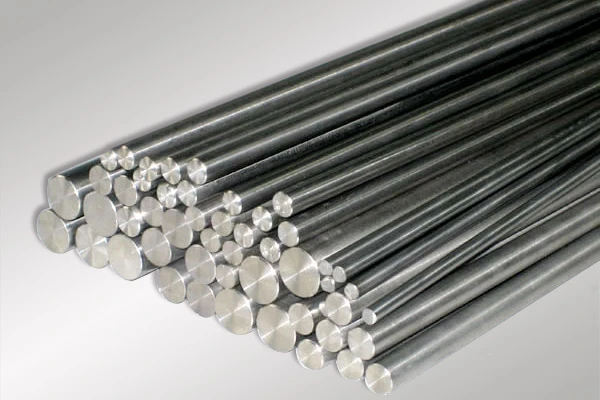
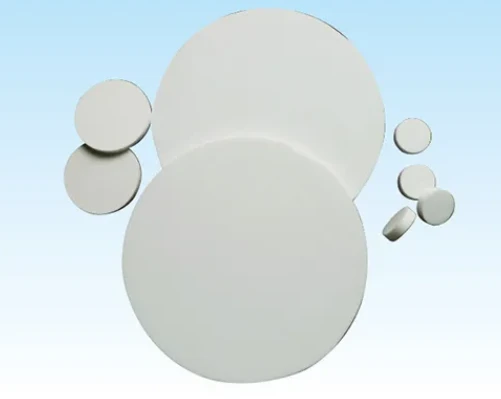
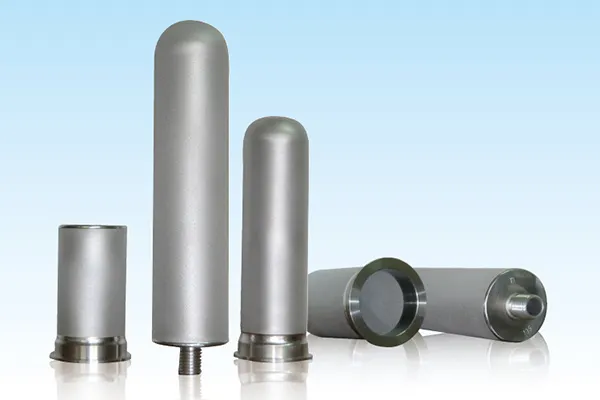
Okay, so what are these things? Essentially, they're created by taking metal powders – stainless steel is very common, but you see titanium, nickel alloys, even some exotic materials – and compacting them under high pressure. Then, you heat them to a temperature below the melting point, a process called sintering. This fuses the particles together, creating a solid object with interconnected pores. The pore size, and thus the filtration capability, is precisely controlled during the manufacturing process. I suppose it's a little like making a really intricate sponge out of metal. Here’s a quick breakdown of typical specs:
| Specification | Typical Value | Units |
|---|---|---|
| Pore Size | 5 - 100 | µm |
| Material | 316L Stainless Steel | - |
| Permeability | 10-12 - 10-9 | m2 |
| Operating Temperature | Up to 600 | °C |
Applications and Key Benefits
Where are these used? Everywhere, almost. Oil and gas, obviously – preventing particulates from damaging sensitive equipment. Chemical processing, for purifying streams. Pharmaceuticals, needing sterile filtration. And increasingly, even in food and beverage, although that requires very specific material certifications. One interesting application I saw recently was in a hydrogen fuel cell system – they were using a sintered metal filter to remove contaminants from the hydrogen feed. Many engineers say the biggest benefit is durability. Unlike polymer filters, these can withstand high temperatures and pressures without deforming. They’re also relatively easy to clean, often just requiring a backflush. Here’s how a few vendors stack up:
| Vendor | Customization | Lead Time | Price (Relative) |
|---|---|---|---|
| China Porous Filters | High | 2-4 Weeks | Medium |
| Eaton Filtration | Medium | 4-6 Weeks | High |
| Pall Corporation | Medium | 6-8 Weeks | Very High |
Cost, Longevity & Practical Considerations
The initial cost is higher than, say, a disposable cartridge filter, that’s for sure. But, and this is key, the lifespan is dramatically longer. A properly maintained sintered metal filter can last years – even decades – which brings down the total cost of ownership. Oddly enough, a lot of people focus solely on the upfront price and miss that. We had a client, a chemical plant, who switched to our filters and calculated a 40% reduction in filtration costs over five years. They also reported fewer unplanned shutdowns due to filter failures. Cleaning is generally straightforward; often a backflush with appropriate solvent or water is sufficient. The material choice affects this, though—some materials need more aggressive cleaning protocols.
Sustainability and the Future of Filtration
There’s a growing emphasis on sustainability, and sintered metal filters fit right in. They’re reusable, reducing waste. They’re made from durable materials, minimizing the need for frequent replacements. And, increasingly, manufacturers are exploring the use of recycled metals in their production. The industry is also seeing a push toward more precise pore size control, allowing for even more efficient filtration and reduced energy consumption. Regulations around water purity and emissions are becoming stricter, which will undoubtedly drive further demand for high-performance filtration solutions like these. It feels like we’re only scratching the surface of what’s possible.
Frequently Asked Questions about Sintered Metal Powder Filter
- What is Sintered Metal Powder Filter and how does it work?
- A sintered metal powder filter is created by compacting and heating metal powders, forming a porous structure that traps particles while allowing fluids to pass through. The pore size determines the level of filtration.
- What are the main benefits of using Sintered Metal Powder Filter in industrial applications?
- Key benefits include high durability, resistance to high temperatures and pressures, long lifespan, ease of cleaning, and the ability to be customized for specific applications.
- How does Sintered Metal Powder Filter compare to traditional alternatives?
- Compared to polymer filters, sintered metal filters offer superior temperature and pressure resistance, longer lifespans, and better chemical compatibility, reducing the frequency of replacements and associated costs.
- What industries can benefit most from Sintered Metal Powder Filter implementation?
- Industries such as chemical processing, pharmaceuticals, oil and gas, food and beverage, and aerospace can all benefit significantly from the use of sintered metal powder filters due to their high performance and reliability.
Conclusion on Sintered Metal Powder Filter from china
Ultimately, sintered metal powder filters offer a robust, reliable, and cost-effective filtration solution for a wide range of industrial applications. They’re not always the cheapest option upfront, but the long-term benefits – durability, reduced downtime, and lower total cost of ownership – often make them the smartest choice. Visit our website: https://www.chinaporousfilters.com.
- Remember to consider the long-term value.
Post Time: Jan . 26, 2026 11:00