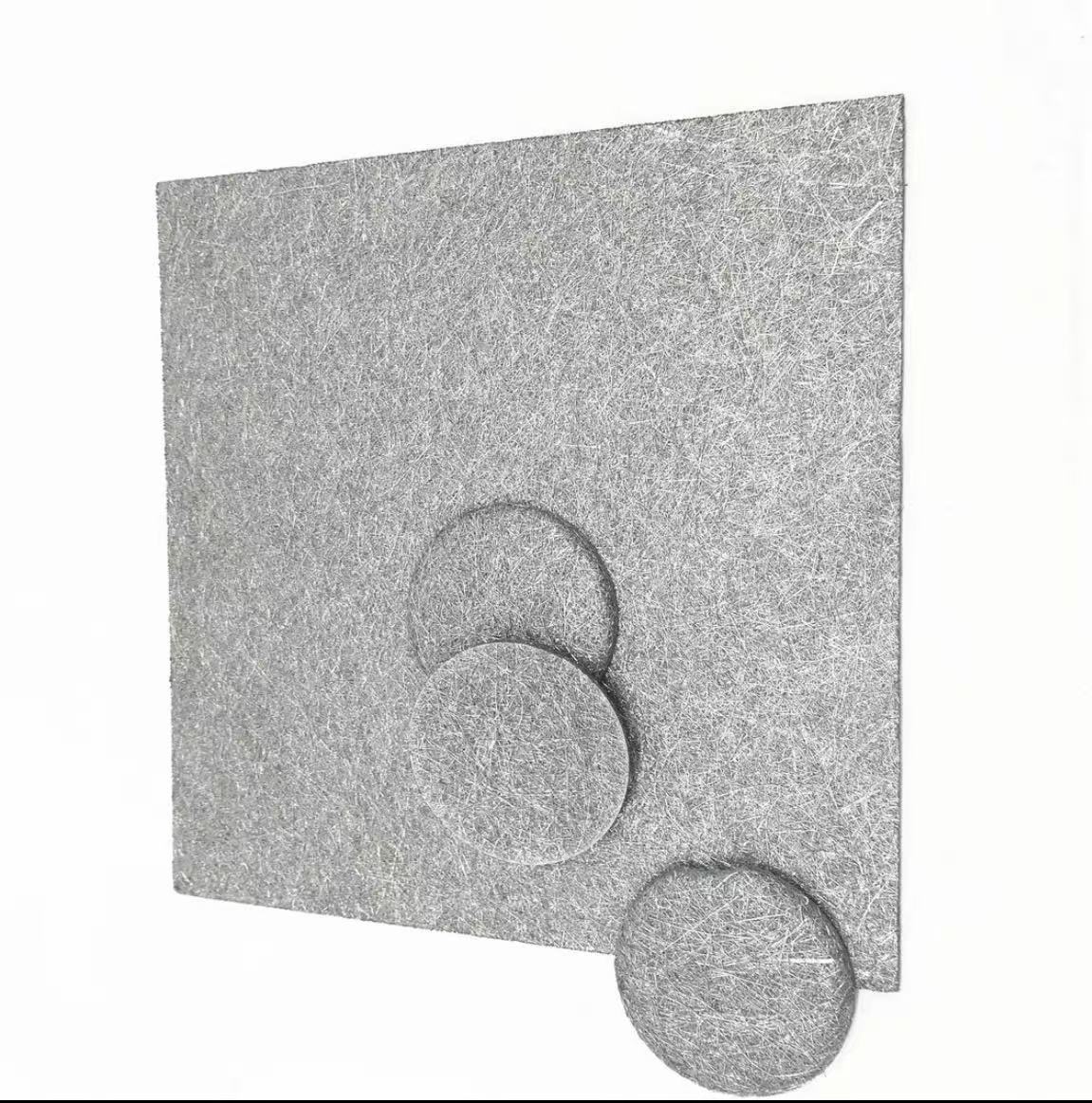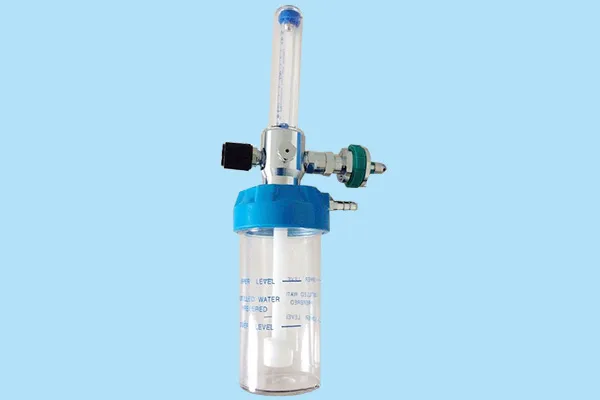
In the intricate landscape of modern filtration and fluid management, the demand for components that are simultaneously precise, durable, and chemically resistant has never been greater. Among the elite solutions meeting this challenge is the sintered porous plastic filter, a product of sophisticated engineering that transforms raw polymer powders into high-performance, functional media. This article will unveil the meticulous journey behind creating these versatile components, from initial material selection to the final quality-assured product. At POROYAL, our commitment to pioneering powder sintered porous technology extends fully into our plastic division, where we engineer plastic filter solutions that are tailored to conquer complex design challenges across pharmaceuticals, food and beverage, laboratory analysis, and chemical processing. Understanding the sintered porous plastic filter Manufacturing Process is to appreciate the fusion of science and precision that delivers reliable performance in critical applications.
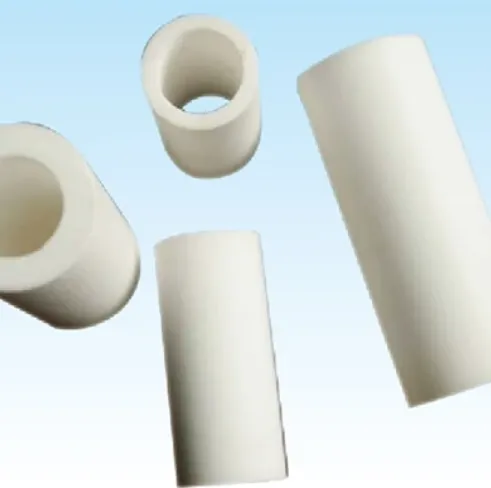
From Powder to Pore: The Core Sintered Porous Plastic Filter Manufacturing Process
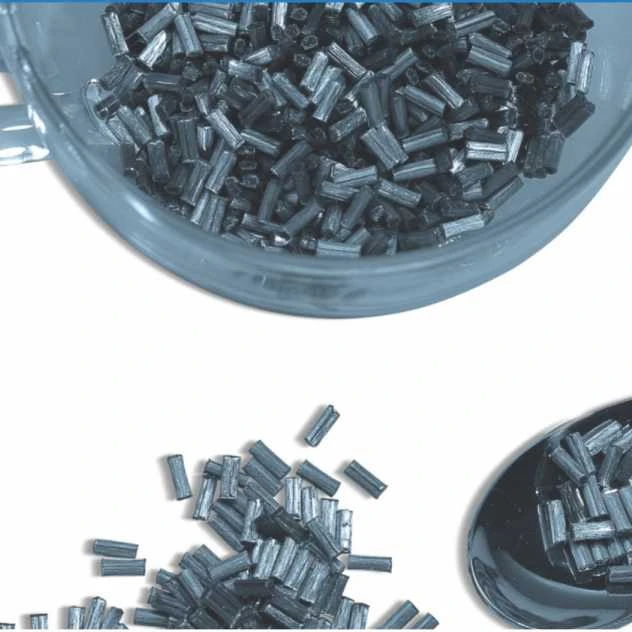
The creation of a sintered porous plastic filter is a transformative procedure centered on the principle of sintering. It begins with the selection of ultra-high-molecular-weight polyethylene (UHMW-PE) or other engineered polymer powders, chosen for their inherent chemical inertia, toughness, and purity. This raw powder is precisely graded to achieve the target particle size distribution, which is the primary determinant of the final plastic filter's pore size and porosity. The powder is then meticulously loaded into a custom-designed mold that defines the component's shape, whether it be a disc, cylinder, sheet, or a complex form for a specialized porous plastic wick.
The critical sintering phase follows, where the filled mold is subjected to controlled heat in a specialized oven. The temperature is carefully raised to a point just below the polymer's melting point. At this threshold, the surfaces of the individual powder particles soften and begin to fuse together at their contact points through a process of molecular diffusion, without the powder becoming a fully liquid melt. This creates a monolithic, three-dimensional matrix riddled with a labyrinth of interconnected pores. After a precise sintering time, the component is cooled under controlled conditions to set its structure. The result is a solid yet porous item—a true sintered porous plastic filter—where the pore size, shape, and distribution are consistent and engineered, not random. This process allows POROYAL to produce filters with precise grades from 0.50μm to 80μm and porosities ranging from 30% to 60%, ensuring each plastic filter meets exact specifications for flow and filtration.
The Versatile Role of Porous Plastic Wicks in Fluid Management
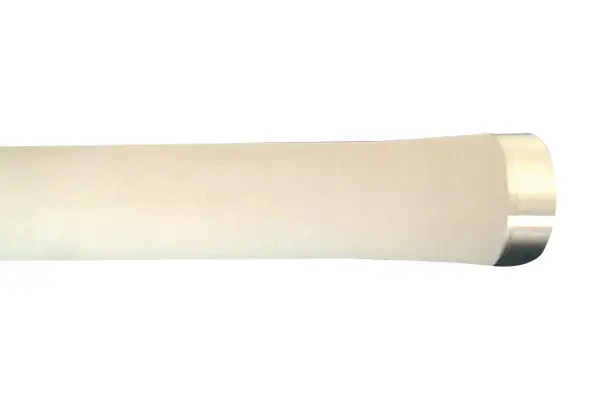
While often manufactured through similar sintering techniques, Porous plastic wicks represent a specialized application of this technology focused on controlled capillary action and liquid transport. The sintered porous plastic filter Manufacturing Process for wicks emphasizes creating a highly consistent pore structure that ensures predictable and uniform fluid movement. Porous plastic wicks are engineered to leverage surface tension and capillary forces to draw and distribute liquids at a steady, controlled rate without external pressure. This makes them indispensable in devices where precise metering, passive liquid delivery, or consistent saturation is required.
The manufacturing precision for a porous plastic wick is paramount. By controlling the powder morphology, sintering temperature profile, and final density, engineers can tailor the wick's flow rate, bubble point, and total liquid holding capacity. These components are vital in applications ranging from diagnostic test strips and medical devices, where they transport reagents, to industrial lubricators and humidity control systems. Their ability to function reliably, derived from the robust sintered porous plastic filter Manufacturing Process, makes them a critical sub-category within the broader family of engineered porous plastic filter media. At POROYAL, our expertise allows us to sinter wicks with exceptional consistency, ensuring device reliability from the first unit to the millionth.
Advantages and Applications of Engineered Plastic Filters
The sintered porous plastic filter Manufacturing Process confers a unique set of advantages that make these components superior for many applications. Firstly, the monolithic, binder-free structure offers outstanding chemical compatibility. Plastic Filters made from UHMW-PE, for instance, can withstand prolonged exposure to a wide range of aggressive acids, alkalis, and solvents, as reflected in their allowable working environments. Secondly, the process creates a true depth filter; contaminants are captured throughout the tortuous pore network, not just on the surface, granting a high dirt-holding capacity and extending service life
Furthermore, the inherent properties of the polymer—such as being lightweight, non-fragile, and naturally hydrophobic or hydrophilic depending on material choice—add functional benefits. These Plastic Filters are also cleanable and can often be sterilized using methods like autoclaving (within their max working temperature of 80°C), gamma irradiation, or chemical baths, making them reusable and cost-effective. These advantages translate into widespread use. In laboratories, they are used for venting, gas filtration, and sample clarification. In medical devices, they act as breathable membranes, fluidic controls, and blood filters. The food and beverage industry uses them for carbonation, sparging, and final product filtration. Essentially, any application requiring reliable, contamination-free, and chemically resistant fluid handling can benefit from a precision Sintered Porous Plastic Filter.
Parameter Specification Range Impact on Performance & Application
|
Parameter |
Value |
Description |
|
Material |
UHMW-PE Powder |
Provides exceptional chemical inertness, making the plastic filter suitable for acids, alkalis, and solvents. |
|
Filter Grade (Pore Size) |
0.50μm – 80μm |
Determines filtration precision for applications from fine clarification to coarse particle separation. |
|
Porosity |
30% - 60% |
Influences flow rate and dirt-holding capacity; higher porosity typically enables higher flow. |
|
Max. Working Temperature |
80°C |
Defines the upper limit for processes involving heat, steam sterilization (e.g., SIP), or hot fluids. |
|
Max. Compressive Strength |
6.5 MPa |
Ensures structural integrity of the sintered porous plastic filter under system pressure and during cleaning cycles. |
|
Max. Pressure Drop |
1 MPa |
A key parameter for system design, indicating the allowable differential pressure across the filter. |
|
Chemical Compatibility |
Resistant to Acids, Alkalis, High Temp (80°C) |
Guarantees the plastic filter will perform reliably in harsh chemical environments without degradation. |
About Sintered Porous Plastic Filter Specifications and Benefits FAQs
Selecting the right porous plastic component requires understanding its capabilities. Here are answers to common questions about sintered porous plastic filters and related products.
What are the main benefits of a sintered porous plastic filter?
The primary benefits stem from its engineered structure: exceptional and consistent chemical resistance, high purity with no leachables or fiber shedding, and a durable, monolithic form that allows for cleaning and reuse. Unlike membrane or fibrous Plastic Filters, the sintered version captures particles throughout its depth, offers higher structural strength (up to 6.5 MPa compressive strength), and can be fabricated into complex shapes. This makes it a reliable, long-term solution for critical filtration and fluid handling tasks.
How Is pore size controlled in the plastic filter manufacturing process?
Pore size is meticulously controlled at the very beginning of the sintered porous plastic filter Manufacturing Process. It is primarily determined by the size and distribution of the raw polymer powder particles. Using precise sieving and classification, powder batches are created where the particles fall within a specific micron range. During sintering, these particles fuse, and the interstitial spaces between them form the pores. Therefore, selecting a powder with a 10-20μm particle distribution will yield a plastic filter with a correspondingly smaller pore size, allowing POROYAL to reliably produce filters from 0.50μm to 80μm.
Can porous plastic wicks be customized for specific flow rates?
Absolutely. The flow rate in a porous plastic wick is a direct function of its pore structure, porosity, and material wettability. By adjusting the sintering parameters—such as time, temperature, and powder packing density—within the sintered porous plastic filter Manufacturing Process, engineers can fine-tune the capillary forces and permeability. This allows POROYAL to customize wicks to deliver very specific, consistent flow rates for applications like diagnostic assays or precise fluid dispensing, ensuring optimal device performance.
What chemicals can a sintered porous plastic filter resist?
Sintered porous plastic filters, particularly those made from UHMW-PE like POROYAL's standard offering, exhibit outstanding chemical resistance. They are suitable for continuous contact with a broad spectrum of aggressive media, including strong acids, bases, and many organic solvents. This inertness ensures the plastic filter does not degrade, swell, or contaminate the process stream, making it ideal for harsh chemical processing, pharmaceutical synthesis, and analytical laboratory applications.
Why choose POROYAL for your porous plastic filter and wick needs?
Choosing POROYAL means partnering with a specialist whose core competency is sintered porous technology. Our dedicated division for sintered porous plastic filters leverages deep material science expertise and advanced manufacturing control to deliver components that are not just parts, but performance-critical solutions. We provide end-to-end support, from co-engineering custom pore structures and shapes to ensuring every plastic filter or porous plastic wick meets rigorous quality standards for your application.
Ready to integrate precision-engineered porous plastics into your design? Contact POROYAL today to discuss your project requirements. Our team is ready to collaborate and provide you with high-performance sintered porous plastic filters and porous plastic wicks that deliver measurable success.
Post Time: Dec . 23, 2025 16:18