What Is a Sintered SS Filter and Why Does It Matter?
In the sprawling world of industrial filtration, the sintered SS filter quietly plays a big role. “SS” — stainless steel — already hints at resilience, but the magic really lies in how these filters are made: sintering. At a glance, sintered stainless steel (SS) filters are porous metal filters created by fusing tiny metal powders at high heat without melting them completely. This results in a tough, yet precisely porous structure capable of withstanding harsh environments where fabric or polymer filters might fail.
Globally, filtration is more than just separating unwanted materials; it underpins everything from clean water access to high-tech manufacturing. With rising environmental regulations and the ever-growing need for sustainable production, understanding how a sintered SS filter works and why it’s so valued can directly impact industries everywhere.
The Global Context: Why Sintered Stainless Steel Filters Are More Relevant Than Ever
According to the United Nations and ISO, industrial waste and contaminated water remain critical issues worldwide. Industries striving to reduce environmental impact face increasingly stringent filtration standards. The sintered SS filter addresses a real pinch point: how to reliably filter liquids or gases under extreme conditions like high temperatures, corrosive chemicals, or abrasive particulates.
For instance, the ISO 14001 environmental management standard pushes companies toward better pollution control, driving demand for metal filters that don’t degrade or release microplastics. Additionally, global industrial sectors—from petrochemicals in the Middle East to advanced manufacturing in Europe—require filtration systems that don’t compromise process or product integrity.
So essentially, these filters are quietly turbocharging everything from environmental stewardship to manufacturing precision.
What Exactly Is a Sintered SS Filter?
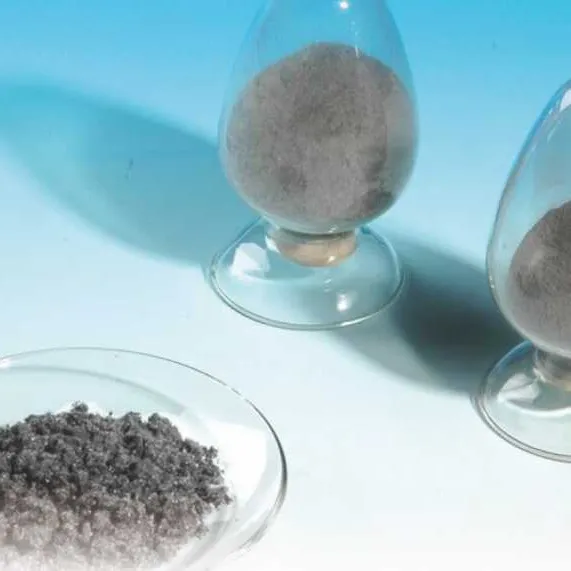
Sintered stainless steel filters are produced by compressing and heating stainless steel powders just below their melting point. This process joins particles into a single solid but retains microscopic pores, which function as a high-precision sieve. Unlike woven wire mesh or fabric, the porosity is consistent throughout the filter’s structure — not just surface-level — which improves durability and filtration consistency.
In practical terms, the filters can stand up to high pressure and temperatures, resist corrosion, and self-clean to a degree thanks to their strength. That’s why you’ll often find them in fluid handling systems, gas filters, or catalytic converters where failure is simply not an option.
Oddly enough, this centuries-old metallurgy technique feels fresh in modern contexts, bridging raw physical robustness with subtle engineering finesse.
Core Characteristics of Sintered Stainless Steel Filters
1. Durability and Corrosion Resistance
Because stainless steel resists rust and chemical attack, sintered filters last a long time, even in acidic or saline environments. Many engineers say this robustness translates into fewer replacements and lower downtime.
2. Precise and Stable Porosity
The sintering process allows control over pore size and distribution, giving filters predictable flow rates and particle retention. This stability is vital when filtering gases or liquids in critical systems.
3. High-Temperature Operating Capability
Unlike polymer filters that melt or degrade, sintered SS filters can endure elevated temperatures, sometimes exceeding 600°C. This extends filtering applications into engine exhaust, furnace gases, and steam lines.
4. Cleanability and Reusability
With their rigid structure, sintered filters can be back-flushed or ultrasonic cleaned, thus reusable in demanding industrial setups. That’s a real cost-saver and sustainability win.
5. Customizability and Scalability
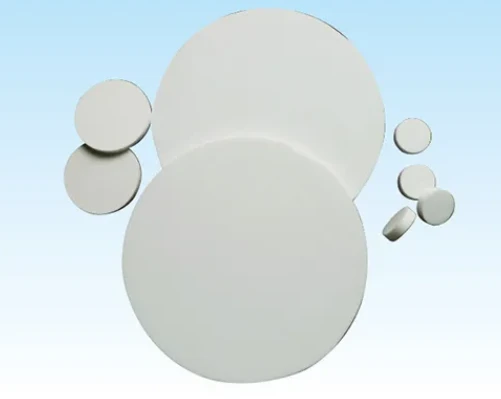
They can be manufactured in various shapes and sizes — disks, cylinders, tubes — suitable for OEM applications or large-scale industrial plants.
Mini Takeaway:
These attributes collectively make sintered stainless steel filters tough contenders in high-stakes filtration challenges.
Global Applications: Where Do We See These Filters in Action?
Across continents and industries, sintered SS filters shine for their reliability and performance.
- Oil & Gas Industry: Filtration of crude oil, natural gas, and refinery fluids, particularly in harsh conditions offshore or in deserts.
- Chemical Processing: Handling corrosive liquids and gases where polymer filters would fail rapidly.
- Water Treatment: Especially in remote regions or post-disaster relief where low-maintenance, long-lasting filters are vital.
- Food & Beverage: High purity filtration needed during manufacturing and bottling that complies with hygiene standards.
- Automotive and Aerospace: Filters used in fuel systems, lubrication, and emission controls.
Oddly enough, in developing regions affected by natural disasters, NGOs rely on rugged sintered metal filters to provide clean water fast because these filters resist clogging and physical damage far better than typical cartridges.
Product Specification Table: Typical Sintered SS Filter Parameters
| Parameter | Typical Range | Comments |
|---|---|---|
| Material | 304, 316L Stainless Steel | Common grades for corrosion resistance |
| Pore Size | 0.5 – 100 microns | Customizable depending on filtration needs |
| Operating Temp | -50°C to +650°C | Suitable for high-temperature processes |
| Pressure Range | Up to 10 bar or higher | Depends on filter design and application |
| Shape | Discs, tubes, cartridges | Fits various filtration units |
| Cleaning | Back-flush, Ultrasonic, Chemical | Reusable filters reduce waste |
Comparing Leading Sintered Stainless Steel Filter Vendors
| Vendor | Product Range | Customization | Lead Time | Global Presence |
|---|---|---|---|---|
| China Porous Filters | Extensive; wide pore size, shapes | Highly customizable on demand | 4-6 weeks standard | Global export focus |
| Pall Corporation | High-end, certified for pharma | Medium customization | 6-8 weeks | Strong worldwide presence |
| Mott Corporation | Specializes in sintered metal filters | High customization | 5-7 weeks | Primarily North America, Europe |
Advantages and Perks of Using a Sintered SS Filter
- Longevity & Reliability: Reduced maintenance costs and fewer replacements due to high durability.
- Environmental Impact: Reusability and resistance to harsh chemicals mean less waste and contamination.
- Performance Stability: Consistent filtration quality in varied and demanding industrial conditions.
- Safety & Dignity: In water treatment contexts, robust filters support clean drinking water, a basic human right.
- Economic Sense: Though initially pricier than polymer filters, their lifespan and reduced downtime pay off quickly.
Emerging Trends in Sintered Stainless Steel Filter Technology
Some fascinating innovations are shaking up the scene. Nano-structuring of powders lets manufacturers achieve even finer pore control — think filtration at the molecular level. Hybrid filters, combining sintered metal with ceramic or polymer layers, are also being developed to enhance multi-stage filtration.
From a sustainability angle, greener powder metallurgy practices are gaining traction. Also, the integration of smart sensors to monitor filter conditions in real-time points toward smarter factories and less unexpected downtime.
It feels like we're sitting on the cusp of a filtration revolution — albeit an understated one — driven by digital transformation and green energy demands.
Common Challenges and How Industry Addresses Them
One ongoing challenge is the initial cost, which can deter smaller operations. Plus, cleaning certain sintered filters requires specialized equipment. Nevertheless, vendors provide tailored cleaning solutions, and modular designs improve ease of maintenance. For instance, some companies now offer onsite ultrasonic cleaning tools as part of their service.
In environments with abrasive particulates, gradual pore clogging is another issue, but it’s mitigated through pre-filtration stages or by selecting the right pore size upfront. Industry veterans also recommend regular inspection cycles paired with digital monitoring to catch issues early.
Frequently Asked Questions About Sintered SS Filters
Q1: What is the main advantage of using a sintered SS filter over polymer filters?
A: Sintered stainless steel filters offer superior durability, high temperature and chemical resistance, and consistent pore structure, making them ideal for industrial applications where polymers would degrade or fail.
Q2: Can sintered SS filters be cleaned and reused?
A: Yes, one of their biggest advantages is reusability. They withstand back-flush cleaning, ultrasonic cleaning, and some chemical treatments, significantly extending their service life.
Q3: Are these filters customizable to specific industrial needs?
A: Absolutely. Manufacturers can adjust pore size, shape, and size, tailoring filters for applications from fine gas filtration to coarse liquid separation.
Q4: What industries most commonly use sintered stainless steel filters?
A: Commonly in chemicals, oil & gas, water treatment, food & beverage, and aerospace—basically anywhere robust, contaminant-free filtration is critical.
Q5: How can I source quality sintered SS filters for export?
A: Look for global manufacturers with export experience like China Porous Filters. Ensure they meet relevant industry certifications and offer customization options.
Bringing It All Together
To sum up, the sintered SS filter is a quietly transformative technology for modern filtration challenges—balancing durability, performance, and customization in one package. Whether it’s safeguarding clean water in harsh environments or optimizing industrial filtration lines, these filters deliver long-term value stretched across sustainability, safety, and economics.
If you’re curious about how these filters could fine-tune your processes or solve persistent problems, a deep dive is worth the time. And hey, jump over to China Porous Filters for a peek at a thoughtful collection of options.
References
Post Time: Nov . 28, 2025 18:40