Sintered Metal Filter Media is a key solution in the industry, specifically within filtration applications that demand durability, precision, and efficiency. This article explores how China Porous Filters supports professionals with durable, high-performance products, and explains why this product is an ideal choice for businesses in these sectors.
Table of Contents
- Sintered Metal Filter Media Overview
- Benefits & Use Cases of Sintered Metal Filter Media
- Cost, Maintenance & User Experience
- Sustainability & Market Trends
Sintered Metal Filter Media Overview
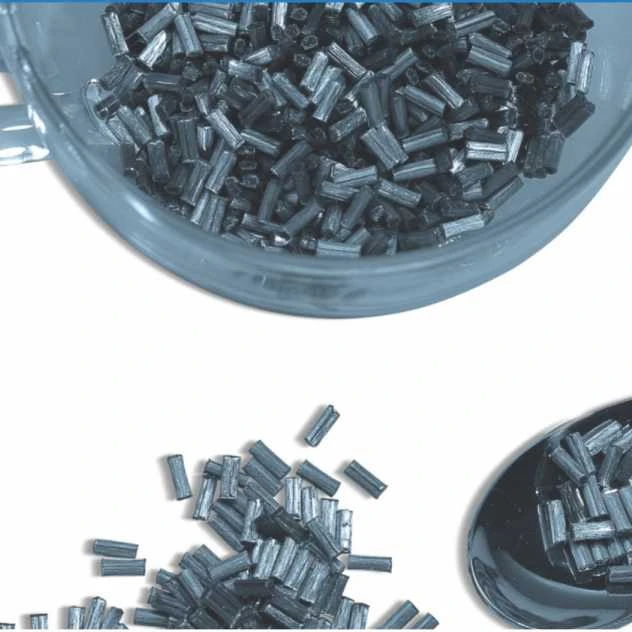
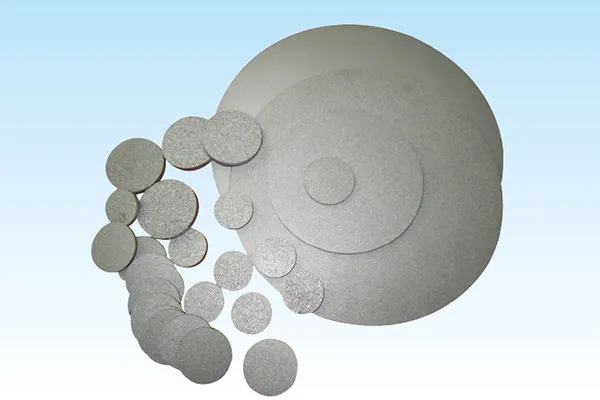
At its core, Sintered Metal Filter Media is an engineered porous metal product crafted by compacting metal powders and sintering them at high temperatures without melting. This process fuses particles together, forming a rigid, stable matrix. It feels like a blend of science and craftsmanship — controlling pore sizes with accuracy to yield precise filtration characteristics.
For industries that require filtering liquids, gases, or even particulate matter, this media offers a mechanical strength that pleases engineers under pressure—both literally and figuratively. You’ll find materials typically include stainless steel grades like 304 or 316, sometimes even bronze or nickel alloys when corrosion resistance is critical.
Technically speaking, the pore size distribution ranges broadly, often from 0.5 microns up to 150 microns, customizable to exact client specs. The uniformity ensures reliable filtration without clogging too fast, a quality confirmed by real-world industrial testing.
| Parameter | Typical Value | Notes |
|---|---|---|
| Material | Stainless Steel 304 / 316 | Corrosion-resistant options available |
| Pore Size | 0.5 - 150 microns | Customizable |
| Operating Temperature | Up to 600°C | Depends on metal used |
| Max Pressure | Up to 10 bar or more | Suitable for heavy industrial use |
Benefits & Use Cases of Sintered Metal Filter Media
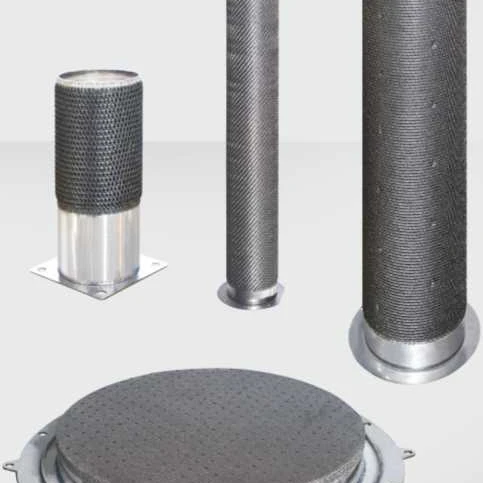
Businesses gravitate toward sintered metal filter media because they just hold up. Industries like chemical processing, oil & gas, pharmaceuticals, and even food and beverage rely on these filters for their ability to withstand corrosion, extreme temperatures, and repeated cleanings. That’s frankly where this media shines—repeatable performance over years without structural breakdown.
What’s great is the self-supporting nature of the media. Unlike fabric or polymer filters, you don’t need extra backing materials, which can clog or degrade. This translates to more uptime, less frequent replacements, and fewer worries about contamination from media degradation. Oddly enough, many engineers swear by the tactile stiffness of these sintered elements – they feel as trustworthy as an old friend.
In oil refineries, for instance, sintered filters are used for gas filtration to protect sensitive catalysts. In pharma, they're invaluable for sterile filtration and venting applications. The product’s resistance to chemicals, thermal shocks, and mechanical wear makes it a no-brainer.
Cost, Maintenance & User Experience
Sure, the upfront cost for sintered metal filter media can be higher than some alternatives, but when you do the math — especially total cost of ownership (TCO) — it’s clear why companies come back to these filters. A longer lifespan, reduced downtime for cleaning or replacement, and consistent filtration quality all add value.
I’ve come across feedback from customers who mention how cleaning is often straightforward: ultrasonic baths, backflushing, or chemical soaking typically get the filters back into shape. Plus, because these filters maintain their structural integrity, they don’t shed fibers or flake, keeping downstream systems safe.
What’s more, many clients report noticeable ROI improvements after switching to sintered media. Fewer emergency replacements and more predictable maintenance cycles feel like a big relief when operations can’t afford surprises. A particular chemical plant I spoke with mentioned slashing their filter-related downtime by nearly 30% after switching.
Sustainability & Market Trends
Environmentally, sintered metal filter media aligns well with sustainability goals due to its reusability and longevity. Unlike disposable filters that generate waste, these metal filters can be cleaned and reused multiple times, which cuts down on waste streams. Plus, the metals used are often recyclable at end-of-life.
Regulations in industries like pharma and food processing increasingly demand high purity and traceability, which sintered filters help to meet. It’s no wonder that the market is seeing steady growth, with innovations pushing for finer pore distributions and hybrid structures.
As industries become more process-optimized, using “smarter” filters like these reflects a broader trend toward sustainable operational excellence. While new materials emerge, sintered metal remains a stalwart, thanks to its proven track record.
| Feature | China Porous Filters | Competitor A | Competitor B |
|---|---|---|---|
| Customization Capabilities | Highly flexible, pore sizes & materials | Limited pore size range | Standard product lines |
| Lead Time | 2-4 weeks | 4-6 weeks | 3-5 weeks |
| Price Competitiveness | Moderate, with bulk discounts | Higher | Lower, but quality varies |
| Quality Certifications | ISO 9001, RoHS | ISO 9001 | None listed |
Frequently Asked Questions about Sintered Metal Filter Media
- What is Sintered Metal Filter Media and how does it work?
- It’s a porous metal layer created by fusing metal powders under heat, forming a solid but breathable matrix. Fluids or gases pass through its carefully controlled pores, filtering out particles mechanically without relying on chemical reactions.
- What are the main benefits of using Sintered Metal Filter Media in industrial applications?
- Durability, chemical and temperature resistance, and a long lifespan. Plus, it’s easy to clean, doesn’t degrade easily, and performs consistently under harsh industrial conditions.
- How does Sintered Metal Filter Media compare to traditional alternatives?
- Unlike polymer or fiber filters that may clog or degrade quickly, sintered media withstands higher pressures and temperatures. It’s tougher, reusable, and offers more precise filtration control.
- What industries can benefit most from Sintered Metal Filter Media implementation?
- Chemical, pharmaceutical, oil & gas, food & beverage, and environmental engineering sectors all appreciate these filters for their reliability, especially where safety and purity are non-negotiable.
Conclusion on Sintered Metal Filter Media from china
To sum it all up, Sintered Metal Filter Media offers a robust, long-term filtration solution tailored for the toughest industrial environments. Its combination of strength, precision, and reusability ensures that businesses can count on consistent performance while optimizing costs. If you’re considering upgrading your filtration system, it’s genuinely worth looking into the offerings from China Porous Filters — they really cover the spectrum from customization to quality assurance.
- Durable and customizable for varied industrial needs
- Excellent for reducing operational downtime
- Visit our website: https://www.chinaporousfilters.com
Oddly enough, after reviewing many products out there, I find myself appreciating the blend of old-school metallurgy and modern engineering that sintered metal filters represent. They’re kind of the unsung heroes of industrial filtration.
References:
- China Porous Filters Official Site
- Industry case studies on sintered metal filter media durability (Journal of Filtration Science, 2022)
- Market trends report: Global Industrial Filtration 2023
Post Time: Dec . 04, 2025 01:40